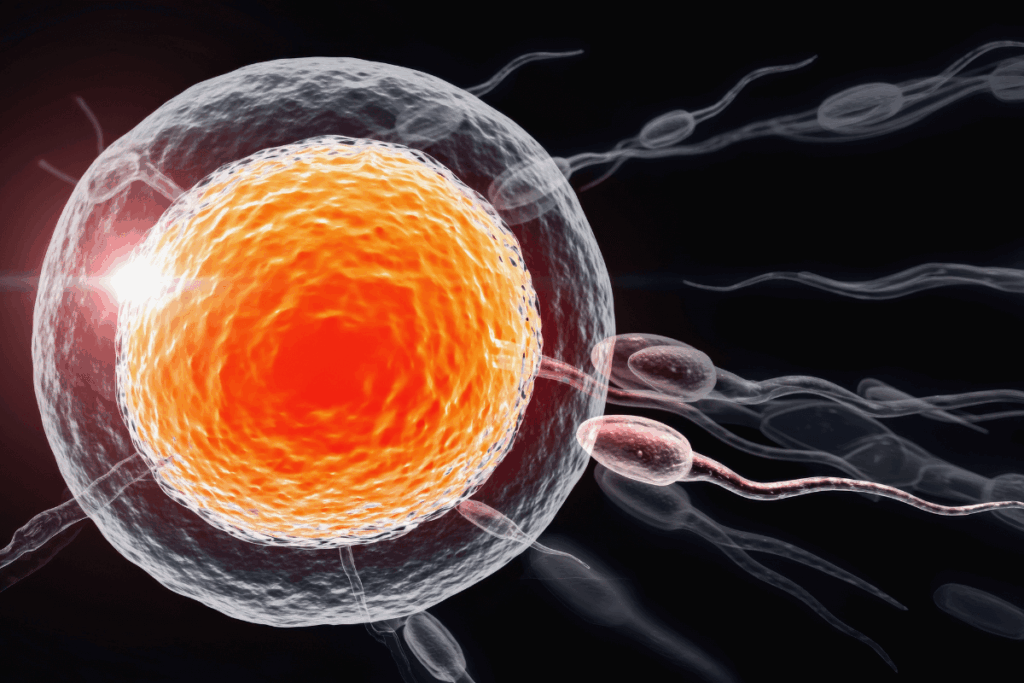
Assisted reproductive technology (ART) has become more common, accounting for 1-4% of births, specifically in high-income countries. Techniques like in vitro fertilization (IVF) and intracytoplasmic sperm injection (ICSI) have improved fertility outcomes but have increased concerns about the long-term health of offspring, specifically about atopic diseases like allergic rhinitis and asthma. The development of origins of health and disease (DOHAD) theory suggests that prenatal exposures can influence immune function and disease susceptibility. However, the association between ART and atopic disease remains unclear, as earlier studies have shown inconsistent results, often limited by small samples or short follow-ups. To address this gap, a large-scale population-based study was performed to evaluate the potential relationship between ART and the risk of atopic diseases in children.
The aim of this study was to assess from a nationwide population-based perspective whether children conceived using ART have an increased risk of developing asthma, allergic rhinitis, and atopic dermatitis, compared with naturally conceived children. Additionally, the study examined whether specific ART-related procedures like ICSI and embryo transfer type (fresh vs frozen) were linked with differential risk of atopic disease.
This cohort study used linked data from the National Health Insurance Research Database (NHIRD) of Taiwan, the Maternal and Child Health Database, and the Assisted Reproduction Database. The NHIRD covers above 99.9% of Taiwan’s population, minimizing loss of follow-ups. The study included first live-born children per mother from January 1, 2004, to December 31, 2014, to avoid intrafamily clustering. The final cohort comprised 69,785 children, which included 13,957 conceived by ART and 55,828 naturally conceived controls matched at a 1:4 ratio by maternal age, neonatal sex, and birth month.
Atopic diseases were detected using ICD-9-CM and ICD-10-CM codes, with diagnoses confirmed by at least one inpatient admission or three outpatient visits with consistent codes. Children were followed from birth till the first diagnosis of an atopic disease, death, or December 31, 2020. Covariates included socioeconomic status (family income), urbanization level, parental history of atopic disease, maternal pregnancy-related complications, mode of delivery, gestational age, birth weight, plurality, and child sex. Directed acyclic graphs guided confounder and mediator selection. Statistical analyses included χ² tests for baseline characteristics, Kaplan–Meier survival analyses for cumulative incidence, and multivariable Cox proportional hazards regression models to estimate crude hazard ratios (CHR) and adjusted hazard ratios (AHR). Subgroup and interaction analyses evaluated the effects of ICSI use and embryo type.
Children conceived via ART showed a significantly higher cumulative rate of all three atopic diseases compared with naturally conceived children. ART conception was linked to elevated risk of asthma (CHR: 1.22, 95% confidence interval [CI]: 1.18 to 1.26, P < 0.001), allergic rhinitis (CHR: 1.17, 95% CI: 1.15 to 1.20, P < 0.001) and atopic dermatitis (CHR: 1.07, 95% CI: 1.04 to 1.11, P < .001) in crude analyses. After adjusting for socioeconomic factors, parental atopic history, pregnancy complications, and neonatal characteristics, these associations remained statistically significant. AHR were 1.13 (95% CI: 1.09 to 1.18, P < 0.001) for asthma, 1.15 (95% CI: 1.12 to 1.18, P < 0.001) for allergic rhinitis, and 1.08 (95% CI: 1.05 to 1.12, P < 0.001) for atopic dermatitis.
Subgroup analyses within the ART population showed no significant association between ICSI and risk of asthma (AHR: 1.04, P = 0.18), allergic rhinitis (AHR: 0.99, P = 0.68), or atopic dermatitis (AHR: 1.04, P = 0.17). Fresh embryo transfer was linked with increased risk of allergic rhinitis (AHR: 1.12, 95% CI: 1.06 to 1.19, P < 0.001) compared with other embryo transfer types, while no significant differences were observed for asthma or atopic dermatitis. Sensitivity analyses excluding multiple births and stratifying by gestational age and birth weight yielded consistent results, supporting the robustness of the findings.
In conclusion, this nationwide cohort study indicates that children conceived via ART have a modestly increased risk of developing asthma, allergic rhinitis, and atopic dermatitis compared with naturally conceived peers. These associations remained significant after adjustments for various factors. While ICSI did not appear to influence atopic disease risk, fresh embryo transfer may increase the risk of allergic rhinitis, warranting further investigation. These findings underscore the importance of early developmental exposures on immune outcomes and highlight the need for continued monitoring and investigation into the biological mechanisms underlying the health of ART-conceived children.
Reference: Hsieh Y, Lin C, Lin M, Lin Y. Atopic Disease Development in Offspring Conceived via Assisted Reproductive Technology. JAMA Netw Open. 2025;8(12):e2551690. doi:10.1001/jamanetworkopen.2025.51690