Repetitive blockage of the upper airway during sleep is a common symptom of obstructive sleep apnea (OSA). The gold standard therapy for mild-to-moderate OSA is continuous positive airway pressure (CPAP), while their acceptance and adherence rates remain low. According to research, OSA results may be enhanced with the help of upper airway muscle training, including oropharyngeal exercises or playing wind instruments. An ancient yoga breathing technique called blowing a shankh (conch shell) helps to reduce airway collapsibility by strengthening the respiratory and oropharyngeal muscles.
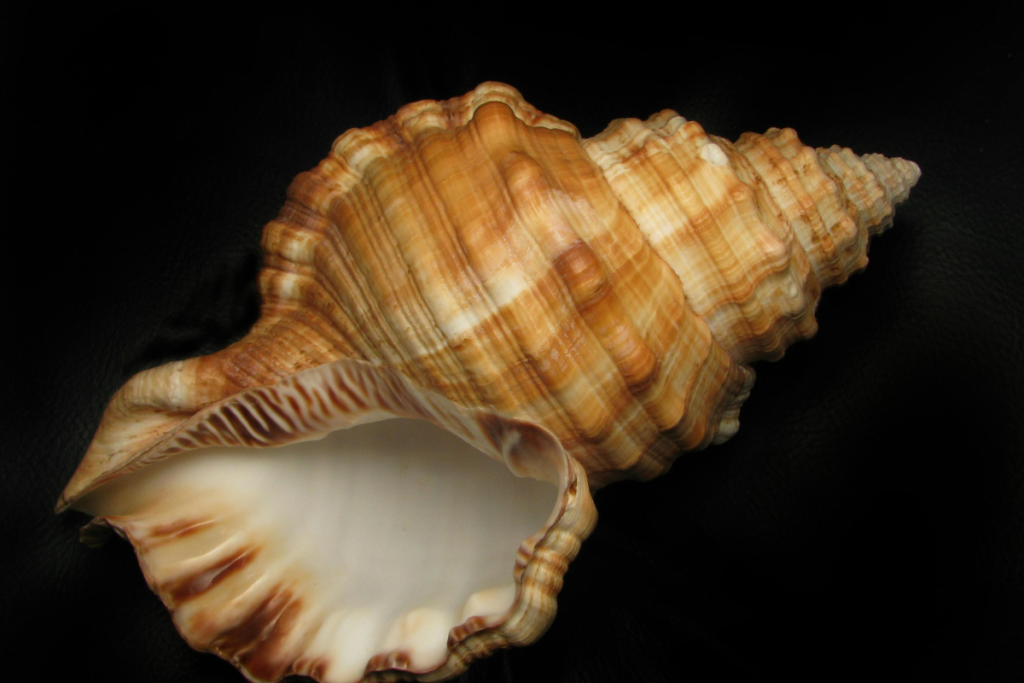
A special spiraling structure with an interior void that grows both axially and transversely is known as the shankh, especially the Indian Shankha. Participants in the research were between the ages of 19 and 65 years old, those who were diagnosed with moderate OSA, daytime drowsiness, and self-reported snoring. Assessments were conducted at the Eternal Heart Care Centre and Research Institute in Rajasthan, India.
A full-night polysomnography, the Pittsburgh Sleep Quality Index (PSQI) questionnaires, and the Epworth Sleepiness Scale (ESS) were all part of the baseline and 6-month intervention endpoint assessments. The improvement in self-reported drowsiness six months following the intervention was reported as the primary outcome of this clinical study. The PSQI examines seven sleep components for the last two weeks to measure subjective sleep quality in participants. The values above five were considered suggestive of poor sleep quality, and a global score between 0 and 21 was determined by summing the subscale values.
Simple computer-generated randomization was used to assign 38 eligible individuals to either the deep breathing control group or the Shankh blowing intervention group. In the shankh group, participants trained at home for at least 15 minutes every day, five days a week, for 6 months, with monthly technique reviews and reports. While in the control group, participants performed supervised and home-based deep-breathing exercises for the same duration, but without the shankh.
Participants who completed both the intervention and evaluations were only included in the per-protocol analysis. Of the 62 individuals screened, 38 were randomized (19 per group). Eight were lost to follow-up, leaving 30 participants (14 shankh, 16 control) for analysis. The mean age was 49.9 years, and no adverse events occurred during the study. In the shankh group, the ESS was reduced from 14.6 to 9.6 with a 95% confidence interval: CI -8.06 to -1.93. In contrast, the control group showed an ESS change of -0.31 with a 95% CI of -1.94. The secondary outcomes showed that the PSQI score in the shankh group increased by 1.8 points with 95% CI -.3 to -0.26, whereas the control group’s PSQI reduced by 1.3 points.
The intervention group shows a high reduction in sleep quality, including PSQI and apnea-hypopnea index (AHI) at 6 months, with a mean between-group difference of -3.1 points for PSQI score and -5.62 events per hour for AHI. People who are unable or not willing to use CPAP in such cases, shankh blowing gives a scalable, cultural, and inexpensive option as a supplementary treatment option for OSA.
Reference: Sharma KK, Gupta R, Choyal T, et al. Efficacy of blowing shankh on moderate sleep apnea: a randomized control trial. ERJ Open Res. 2025. doi:10.1183/23120541.00258-2025