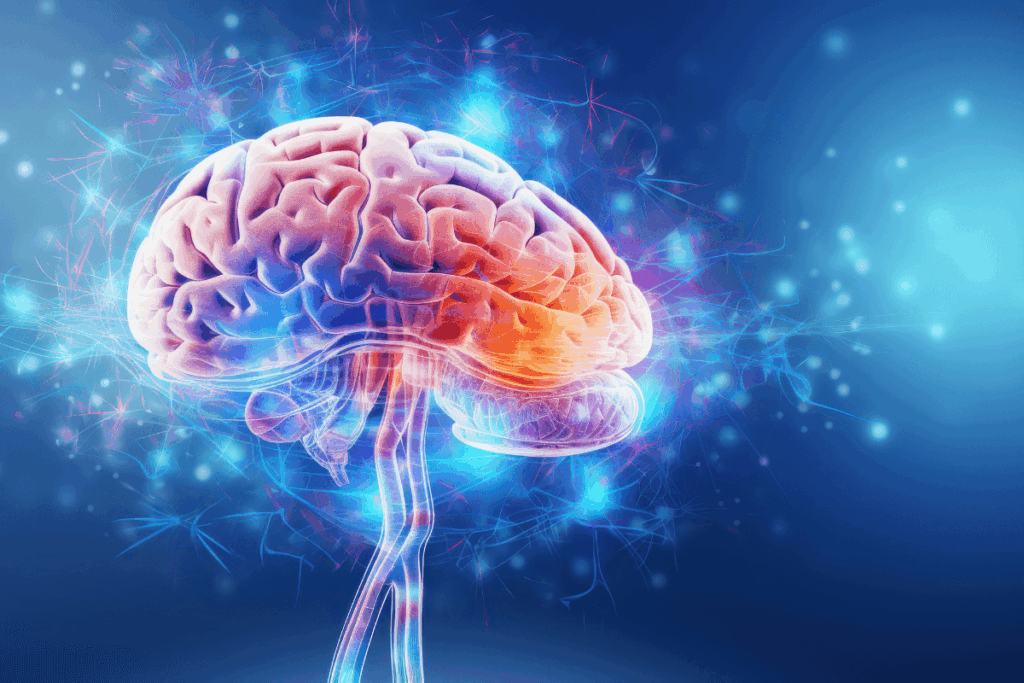
Corticospinal neurons (CSNs, also known as upper motor neurons) play a pivotal role in voluntary motor control and are selectively affected in disorders such as amyotrophic lateral sclerosis (ALS) and spinal cord injury. Despite their clinical importance, reliable high-quality in vitro models that accurately recapitulate CSN identity are currently lacking, limiting disease modelling, mechanistic studies, and therapeutic discovery.
Current neuronal differentiation methods often generate heterogeneous or mixed neuronal populations that fail to reduce the selective vulnerability of specific neuronal subtypes observed in human disease. This study presents a developmentally informed approach to derive corticospinal-like neurons from native cortical progenitors, offering a novel platform for exploring neuron-specific vulnerability and regenerative mechanisms.
The researchers focused on a population of endogenous cortical progenitors expressing SOX6 and NG2, which are present in the postnatal and adult mouse cortex. They established this by BrdU labeling and immunohistochemistry, demonstrating that SOX6⁺/NG2⁺ cells are proliferative and possess a latent neurogenic program that is actively repressed by SOX6 through inhibition of the proneural gene Neurog2. These progenitors were isolated from postnatal day 2 to postnatal day 6 mouse cortex by fluorescence-activated cell sorting (FACS) using NG2-DsRed transgenic mice.
SOX6+/NG2+ progenitors were purified and cultured in serum-free conditions that did not affect progenitor identity or spontaneous differentiation. To guide differentiation into a corticospinal fate, the authors developed a polycistronic construct named NVOF, which comprises Neurog2 to induce neurogenesis, Fezf2 to promote the identity of cortical output neurons, and VP16:Olig2 to suppress gliogenic programs. Immunocytochemistry, quantitative PCR, RNA sequencing, and electrophysiological recordings were used to analyze cells with the help of morphology, molecular identity, transcriptomic profiles, and functional maturation.
The experiment showed that SOX6+/NG2+ progenitors are the purest (>99.9%) after FACS purification and remain stable as progenitors in vitro. The deletion of Sox6 led to massive ectopic Neurog2 at postnatal day 6, which supports the conclusion that these cells contain a suppressed neurogenic potential. Following transfection with the NVOF construct, progenitors rapidly exited the progenitor state and adopted a neuronal morphology.
Approximately 42% of the NVOF-transfected cells expressed the neuronal marker TUJ1 at 3 days post-transfection, with a high of approximately 74% at 7 days. Such neurons acquired a unipolar pyramid morphology with one axon-like process, unlike Neurog2-only induced neurons that often had more than one axon-like process.
Transcriptomic analyses revealed that NVOF-induced neurons expressed molecular markers characteristic of corticospinal neurons, with no expression of markers associated with other cortical projection neuron subtypes. The electrophysiological measurements ensured that these cells displayed functional properties consistent with mature glutamatergic projection neurons.
Overall, this study provides a strong and highly competitive strategy to obtain corticospinal-like neurons using endogenous cortical progenitors. By leveraging developmental transcriptional programs and combining complementary fate-specifying factors, the authors achieved a level of subtype fidelity not attainable with traditional proneural induction methods. These findings indicate the significance of both activating desired neuronal programs and actively suppressing alternative lineage fates.
Notably, this study has offered an in vitro model that captures key aspects of the selective vulnerability of CSNs observed in ALS and establishes a foundation for future regenerative strategies aimed at repairing corticospinal circuitry. Beyond disease modeling, the ability to target a distributed progenitor population to generate a clinically relevant neuronal subtype has broad implications for neural repair strategies and cell-based therapies.
Reference: Ozkan A, Padmanabhan HK, Shipman SL, et al. Directed differentiation of functional corticospinal-like neurons from endogenous SOX6+/NG2+ cortical progenitors. eLife. 2026;13:RP100340. doi:10.7554/eLife.100340.3