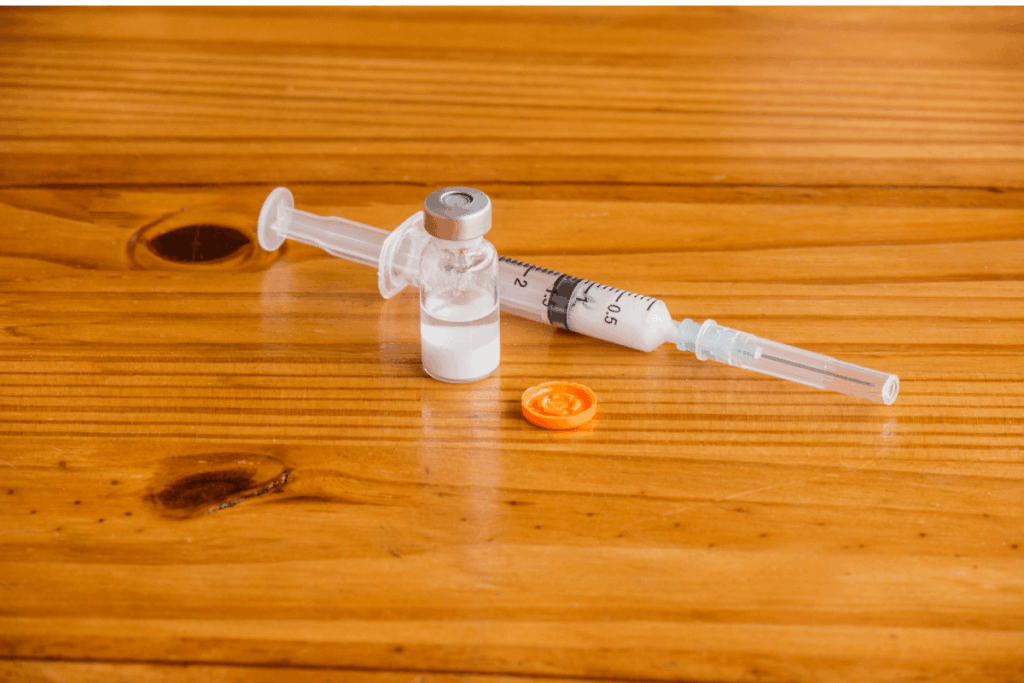
Subcutaneous depot medroxyprogesterone acetate (DMPA) is a progestin-only injectable contraceptive approved by the U.S. Food and Drug Administration (FDA) in 2004 for pregnancy prevention and traditionally administered by a healthcare professional. Extensive evidence demonstrates that user-administered subcutaneous DMPA is equally safe and effective. As a result, major organizations like the Centers for Disease Control and Prevention, the World Health Organization, and the Office of Population Affairs recommend offering self-administration to individuals of reproductive age. Studies conducted in the U.S. have shown high patient interest, improved continuous rate, and feasibility in diverse populations. User-administered subcutaneous DMPA remains underutilized in U.S. clinical practice, though with these advantages and potential to improve reproductive autonomy and health equity.
The aim of this study was to assess healthcare professionals’ awareness, prescribing practices, and perceived barriers and facilitators related to subcutaneous DMPA for user administration in the U.S. The study sought to detect factors linked with awareness and provision and to categorize barriers at the patient, professional, institutional, and systemic levels to inform strategies for expanding access to this contraceptive option.
The University of California, Davis Institutional Review Board approved study used a mixed-methods design, consisting of an online survey followed by in-depth interviews. Family planning experts were recruited by convenience and snowball sampling through professional email networks. Eligible participants included nurses, physicians, and pharmacists who reported providing at least three contraceptive visits in the preceding month. The survey included multiple-choice, a Likert scale, and free-text questions, assessing awareness, prescribing behaviors, perceptions of patient suitability, and readiness to offer user-administered subcutaneous DMPA. The survey was pilot tested and partially validated. Data collection occurred from May to November 222, yielding 422 complete surveys out of 568 distributed, which corresponds to a conservative response rate of 74.3%. Surveys with less than 75% completion were excluded. Sensitivity analyses using chi-square (χ²) tests showed no significant differences in survey completion by age (P = 0.163) or race (P = 0.541), indicating minimal response bias.
Among the 422 respondents, 79.4% reported awareness of user-administered subcutaneous DMPA, with 52% learning about it during the COVID-19 pandemic. However, only 34.8% reported prescribing it, and 76.9% of prescribers began doing so after 2019, highlighting a substantial gap between awareness and clinical use. Bivariate statistical analysis using χ² tests, Fisher’s exact tests, and independent-sample t tests detected several factors significantly associated with awareness. Higher awareness was linked with obstetrics and gynecology specialization, completion of a reproductive health fellowship, higher monthly contraceptive visit volume, urban practice settings, Title X funding, employment at Planned Parenthood or freestanding reproductive health clinics, and serving a higher proportion of pregnancy-capable patients. Lower awareness was associated with internal medicine specialization, pharmacy practice, and clinical settings offering a broader range of contraceptive options.
Among professionals who were aware of user-administered subcutaneous DMPA, provision was significantly associated with professional gender and the state political environment. Male and gender-diverse professionals were more likely to prescribe compared with cisgender female professionals, who were often aware but did not prescribe (P <0.001). Professionals practicing in abortion-hostile or politically restrictive states were less likely to prescribe despite awareness (P = 0.05). Institutional facilitators—including established clinical workflows and Medicaid or private insurance coverage for subcutaneous DMPA—were strongly associated with provision (P < 0.001).
Follow-up qualitative interviews were conducted with 34 randomly selected participants between September 2022 and April 2023 and analyzed using an inductive–deductive framework. Interviews continued until theoretical saturation was reached. The most frequently cited barriers were patient-level concerns, including fear of needles and difficulty remembering injection schedules, followed by professional-level barriers such as limited awareness, time constraints for injection education, and counseling biases. Institutional barriers included the absence of standardized workflows, while systemic barriers involved a lack of FDA approval for self-administration, pharmacy stocking issues, and insurance coverage gaps. Facilitators included telehealth services, reminder systems, mail-order pharmacies, educational materials, and structured workflows, though these supports were inconsistently implemented.
This study demonstrates a significant disconnect between awareness and provision of user-administered subcutaneous DMPA among U.S. contraceptive experts. Although awareness is relatively high, barriers at the professional, institutional, and systemic levels limit prescribing. Addressing professional bias through targeted education, implementing standardized workflows, expanding insurance coverage, and pursuing FDA approval for self-administration are critical steps to improving access. Reducing these barriers has the potential to enhance contraceptive autonomy, improve equity, and empower individuals with greater control over their reproductive health.
Reference: Clark CB, Cheng A-L, Creason L, Karlin J. Barriers and facilitators to expanding user-administered injectable contraceptives in the United States. O&G Open. 2026;3(1):e141. doi:10.1097/og9.0000000000000141