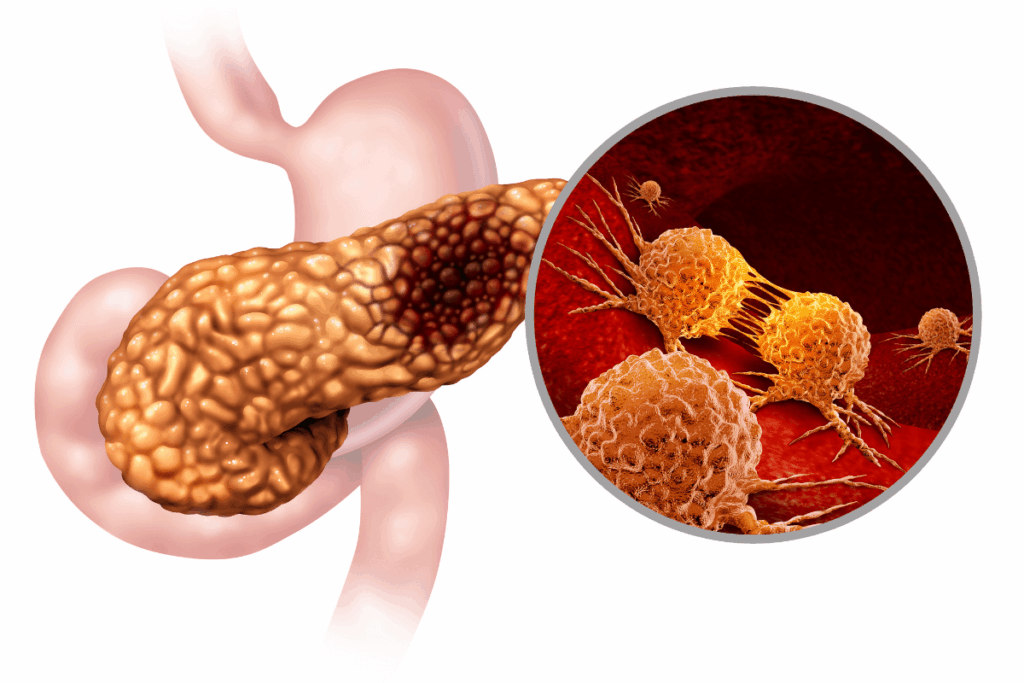
The U.S. Food and Drug Administration (FDA) has approved the first-of-its-kind medical device for adults who have locally advanced pancreatic cancer. It offers a new therapeutic option for a disease known for a poor survival rate and limited treatment advances. This device is called Optune Pax. It was developed by Novocure and delivers tumor-treating fields (TTFields). It is a non-invasive technology designed to disrupt cancer cell division.
According to the National Cancer Institute, about 67,440 new cases and 51,980 deaths were projected in the United States in 2025. The rate of fatalities from pancreatic cancer is disproportionately high, even though it only makes up about 3.3% of new cancer diagnoses. This imbalance is largely because of late diagnosis, aggressive tumor biology, and a limited number of effective therapies specifically for patients with locally advanced disease who are not eligible for surgery.
Optune Pax introduces a novel treatment approach by using an alternating electrical field known as TTFields. These low-intensity electrical fields are delivered to the tumor site by adhesive patches placed on the abdomen. TTFields interfere with mitosis by physically disrupting structures required for cell division. The therapy slows or halts tumor growth and minimizes damage to healthy and non-dividing cells. This targeted mechanism allows the device to complement chemotherapy without adding significant systemic toxicity.
The device is portable and designed for home use, aligning with the FDA’s broader focus on expanding patient-centered care. An electrically insulated adhesive patch is used to give treatment, which is supported by an electrical field generator. Patients carry a generator in a specially designed bag that allows them to receive continuous therapy while performing daily activities. The device’s treatment parameters are preset by the manufacturer and cannot be modified by patients or physicians, which ensures consistent delivery.
Patients are trained on how to operate the system, including recharging and replacing batteries, connecting to external power sources, and properly positioning the adhesive patches. The transducer arrays must be replaced at least twice weekly. This setup supports long-term, at-home treatment while maintaining safety and usability. The most commonly reported side effects are localized skin reactions beneath the patches, which were generally manageable.
The FDA approved Optune Pax through the premarket approval (PMA) pathway. The outcome was on the basis of findings of a pivotal controlled randomised clinical trial conducted with an Investigational Device Exemption. Patients with pancreatic cancer were monitored for 5 years. The study compared standard chemotherapy gemcitabine combined with nab-paclitaxel (GnP) with and without the addition of TTFields therapy.
The results showed that patients receiving TTFields with chemotherapy experienced an improvement in overall survival of about 2 months as compared to those receiving chemotherapy alone. While the survival extension may seem modest, it represents a meaningful step forward in the disease, where treatment gains have historically been incremental. This survival benefit was achieved without introducing significant new systemic side effects.
The device previously received Breakthrough Device designation, a program intended for technologies that may offer more effective treatment for life-threatening or irreversibly debilitating conditions. It is intended to accelerate development and review. The breakthrough pathway facilitates closer collaboration between the FDA and manufacturers to help bring innovative devices to patients more efficiently.
The approval of Optune Pax is an important advancement in pancreatic cancer care. The device expands available treatment options for patients with locally advanced disease by combining electrical field-based treatment with established chemotherapy regimens. While pancreatic cancer continues to carry a grave prognosis, this approval offers new hope and represents measurable progress to improve outcomes for affected individuals.
Reference: U.S. Food and Drug Administration. FDA approves first-of-its-kind device to treat pancreatic cancer. FDA. Published February 12, 2026. FDA Approves First-of-Its-Kind Device to Treat Pancreatic Cancer