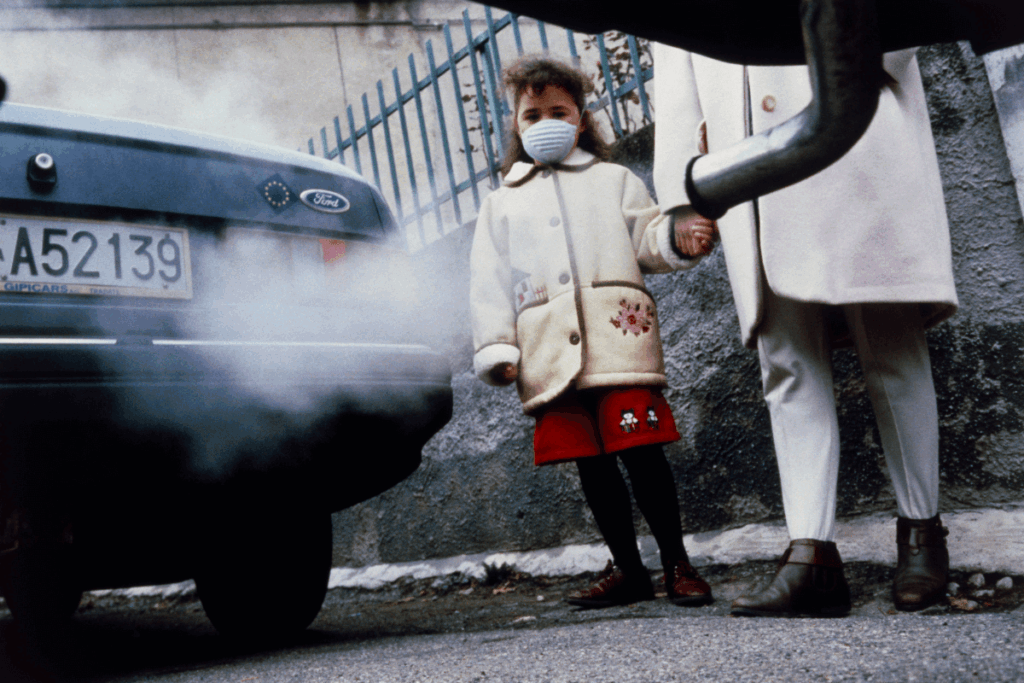
One of the leading causes of newborn death, as well as complications related to their health later in life, is low birth weight. Such risks are not limited to preterm births. Full-term infants can also be small for their gestational age, indicating that factors beyond the length of pregnancy influence fetal development. Pregnancy-related environmental exposures are an increasing concern, as they can disrupt the biological processes that connect the mother, placenta, and fetus. In the air, PM2.5 refers to particles that have a diameter less than 2.5 µm and are one of the six major air pollutants under the US Environmental Protection Agency regulation.
Experimental research demonstrates that exposure to PM2.5 can cause placental inflammation, changes in DNA methylation and protein expression, and decreased trophoblast invasion. Such alterations can slow down the rate of transferring nutrients to the fetus, which consequently limits growth. There has been a consistent population-based result that examining increased prenatal exposure to PM2.5 is associated with a reduction in birth weight, but most of these studies have used averages of trimester exposure or whole-pregnancy exposure, which does not permit the determination of weeks of vulnerability.
To address this limitation, the researchers studied the exposure to PM2.5 per week during pregnancy and its correlation to birth weight as a measure of gestational age (BWGA) z scores in full-term newborns. The research involved approximately 16868 mother-infant units in the entire contiguous US and highly detailed residential-level air pollution estimates. Possible infant sex, racial-ethnic, and regional geographic differences were also assessed. The Environmental Influences on Child Health Outcomes (ECHO) Cohort, which is a large nationwide research program, was used as a source of data. The analysis incorporated the births that were between September 2003 and December 2021, and that were available in the PM2.5 data—the individuals who met the eligibility criteria included singleton live births aged 37- and 42-week gestation.
The exclusion process resulted in the remaining sample of 16868 mother-newborn pairs from 50 study sites, which are 15806 distinct mothers with 6.3% sibling children. The weekly estimates of PM2.5 exposure were computed based on the XGBoost-IDW Synthesis model, which combines extreme gradient boosting with inverse-distance weighting to give high-resolution pollution estimates. The calculation of the weekly averages was done starting with gestational day 1, and the estimation of the ambient temperature was also made and entered into the models. The birth weight and gestational age came through the medical record, self-report, or direct measurement. The 2017 US birth weight reference was used to compute BWGA z scores, and infant sex was adjusted. Controlled analyses were done based on maternal age, maternal education, maternal parity, maternal pregnancy smoking, maternal pregnancy body mass index, infant sex, infant temperature, and the geographical location.
The average age of the mothers was 30.4 years. The total number of mothers in the cohort was 605 (3.6%), 2197 (13.0%), 3407 (20.2%), 9251 (54.8%), and 1408 (8.4%) Asian mothers, Black or Black-Hispanic mothers, Hispanic mothers, non-Hispanic White mothers, and other racial/ethnic mothers, respectively. The mean birth weight of babies was 3411g, and the mean gestational age was 39.1 weeks. There were lower mean birth weights of infants born to Black or Black-Hispanic and Asian mothers than to non-Hispanic White mothers, but no significant regional differences were realized.
Researchers were able to use the advanced statistical models to determine sensitive windows during pregnancy when PM2.5 exposure had the strongest relationship with fetal growth. Comparative studies showed significant disparity in the regions. No individual sensitive period was found in the Northeast, but cumulative PM2.5 exposure had a negative relationship with birth weight (β= -0.09, 95% credible interval [CrI]: -0.15 to -0.03). Also, negative cumulative associations were found in the South (β = −0.18, 95% Cr: -0.17 to -0.10) and Midwest (β = -0.11, 95% CrI: -0.17 to -0.05), with a critical window of gestational weeks 3 -9 in the South and 12 -18 in the Midwest. Conversely, there was a small positive association between the West and sensitive windows in the weeks 10-13 and 29-31 (β = 0.05, 95% CrI: -0.00 to 0.11).
In general, the increased exposure to PM2.5 was linked to reduced (BWGA) z scores, especially in the first 5 weeks of pregnancy. This sensitive period was only seen in male infants. The negative associations still existed in the Northeast, Midwest, and South, but not in the West. No accumulative relationships and observable delicate windows were found for race and ethnicity. Whereas the effects were modest, the observed ones are significant at the population level because of the large level of exposure. Even minor changes in the distribution of birth weights can significantly contribute to the risk of low birth weight, particularly in combination with other risk factors. This study highlights the importance of both the timing and location of air pollution exposure during pregnancy in shaping fetal growth.
Reference: Cowell W, Hsu HL, Just AC, et al. Air pollution exposure and birth weight in the ECHO cohort. JAMA Netw Open. 2025;8(12):e2551459. doi:10.1001/jamanetworkopen.2025.51459