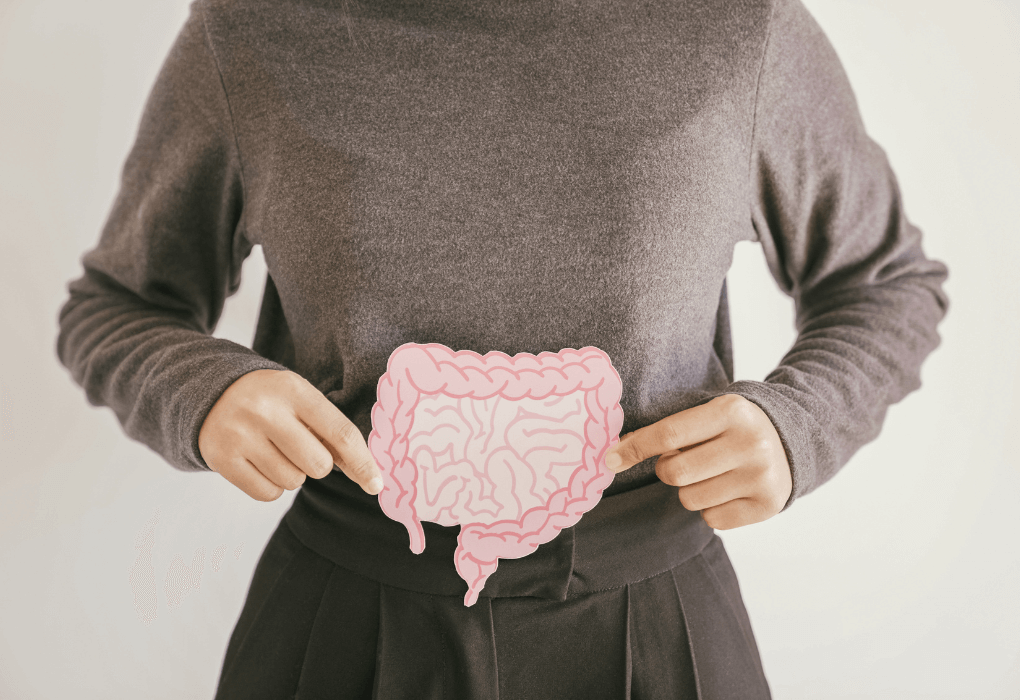
Restorative sleep does not start in the brain; it begins in the gut. The trillions of tiny microbes in the gut microbiome strongly affect mood, overall health, and the quality of sleep. When these microbes are balanced and healthy, sleep generally improves. The brain and gut stay in constant communication via the gut-brain axis, which is a network of hormones, immune signals, and nerves. One important part of this system is the vagus nerve, which sends messages between the brain and gut. These nerve systems play a key role in the body’s relaxation processes. Consequently, a healthy gut supports the brain in managing stress and promoting better sleep.
Microbes present in the gut do much more to help in the digestion of food. These microorganisms produce neurotransmitters and small chemical by-products called metabolites that influence the body’s internal clock, sleep-related hormones, and inflammation. When the gut is healthy, these signals stay steady, supporting calmness and regular sleep. In the case of dysbiosis, which is an imbalance in the microbiome, it disrupts these signals. The gut also produces important sleep-related chemicals. Most serotonin is generated in the gut with the help of good bacteria. Most serotonins mainly affect both the sleep-wake cycle and mood. The gut also converts serotonin into melatonin, the hormone that induces sleep and directly impacts sleep quality.
The gut helps produce gamma-aminobutyric acid (GABA), which is a calming chemical made by beneficial microbes. GABA relaxes the nervous system and supports the body’s 24-hour sleep cycle. When harmful bacteria dominate, this rhythm becomes unstable. This can cause trouble sleeping, falling asleep, and nighttime anxiety.
Gut health, stress, and sleep constantly affect one another. Stress negatively affects the gut microbiome by enhancing inflammatory activity and reducing beneficial bacteria. An imbalanced or irritated gut then sends distress signals to the brain, resulting in disrupted sleep and heightened anxiety. Poor sleep enhances cortisol levels even more, which further worsens the gut imbalance condition.
The gut also affects sleep through inflammation and irritable bowel syndrome. A healthy gut maintains the immune system balance, protects the gut lining, and prevents irritation. When the gut becomes irritated or imbalanced due to poor diet/dysbiosis, gaps can occur in the wall of the intestine/gut lining. These gaps allow inflammatory molecules to enter the blood circulation. This low-grade inflammation can disrupt the ability of the brain to control normal sleep patterns. Inflammation also increases the concentration of cortisol (stress hormone), which makes relaxation at night more difficult.
Improving gut health can significantly enhance sleep quality. Eating probiotic and prebiotic foods, especially fermented foods, helps the growth of beneficial microbes. Decreasing highly processed and sugary foods lowers inflammation and prevents harmful bacteria from dominating. Keeping regular mealtimes supports the gut’s internal clock, while stress management helps stabilize the microbiome. Staying well hydrated supports the absorption of nutrients and digestion as well as the protection of the gut’s mucus layer. In conclusion, a healthy and balanced gut sends calm signals to the brain, making it easier for the body to relax and achieve deep, restorative sleep.
Reference: Manal Mohammed. Good sleep starts in the gut. The Conversation. Published December 4, 2025. Accessed December 5, 2025. Good sleep starts in the gut