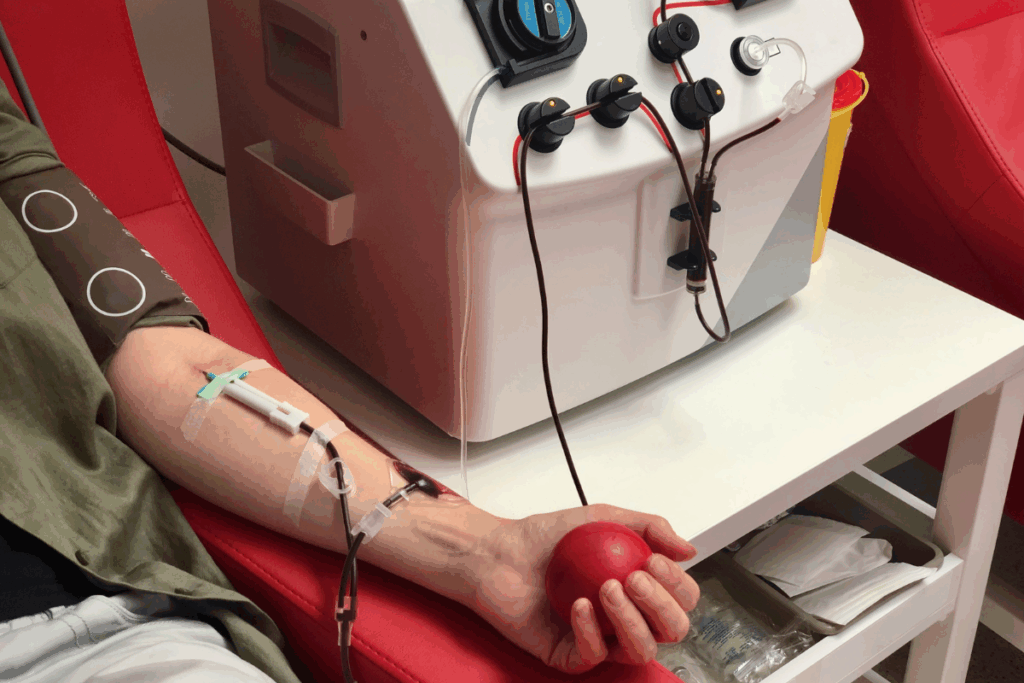
Therapeutic apheresis (TA) is a clinical intervention that involves clear and consistent documentation to ensure effective communication, safety, and high-quality care. In response to this need, the American Society for Apheresis (ASFA) primarily created guidance between the years 2005 and 2007 to establish and support documentation for physicians.
These guidelines were planned to regulate how doctors record their errors for TA treatments and were envisioned to be updated regularly in response to regulatory changes, technological advancements, and evolving clinical practices.
While the primary guidance was developed, the healthcare framework has experienced extensive modification. The widespread acceptance of electronic medical records (EMRs), multidisciplinary healthcare teams, and the rapid transformation of telemedicine, specifically during the COVID-19 pandemic, have significantly changed how TA services are documented and delivered. These modifications have introduced new logistical risks and emphasised the requirement for revised documentation practices that reflect advanced clinical settings.
The ASFA Board of Directors responded by appointing the Public Affairs and Advocacy Committee (PAAC) in 2021 to review and revise the original documentation guidelines. The committee conducted a comprehensive review informed by previous ASFA discussions, literature reviews, and the input from practising clinicians in several healthcare facilities, such as mobile apheresis services and academic centres. The growing significance of team-based care and the initiation of telemedicine (telapheresis) into clinical practice were also emphasised in the review. Preliminary recommendations were developed through collective considerations and were ultimately approved by the ASFA leadership.
A crucial result of this effort was the recognition that TA care can be interpreted from two aligned perspectives: the broader “care episode,” which incorporates pre- and post-procedure management, and the “care event,” which spotlights the individual procedure.
To assist documentation procedures, the committee proposed an organised structure centred on clinical care maps that help in identifying crucial steps, related data elements, and involved professionals. These maps will improve communication, adopt quality improvement proposals, and expand coordinated care.
The revised guidance explains seven major types of documentation that can be used alone or together, depending on the needs of a healthcare facility. These are the primary consultation note, nursing procedure note, multi-author progress note, interval progress note, procedure deferral notes, end-of-service summary, and follow-up note after treatment. Even though including all of these formats could provide the most comprehensive record, the committee found that in most cases, incorporating a few of them would be necessary to ensure adequate documentation of patient care.
The consultation note defines the patient’s condition and the need for therapeutic apheresis, during which the nursing note records key aspects of the procedure, monitoring, or any complications. Physician or multi-author notes provide clinical oversight and document interdisciplinary input. Other notes cover between-session care, treatment outcomes, cancellations, and follow-up. Standardised documentation can improve efficiency, but flexibility is important. Overall, the guidance provides a practical framework to support effective, clear, and safe TA documentation.
Reference: Andrzejewski C, Li Y, Wu DW, et al. Guidance for documentation of therapeutic apheresis interventions in the medical record: an American Society for Apheresis (ASFA) practice perspective. J Clin Apher. 2026;41(2):e70092. doi:10.1002/jca.70092