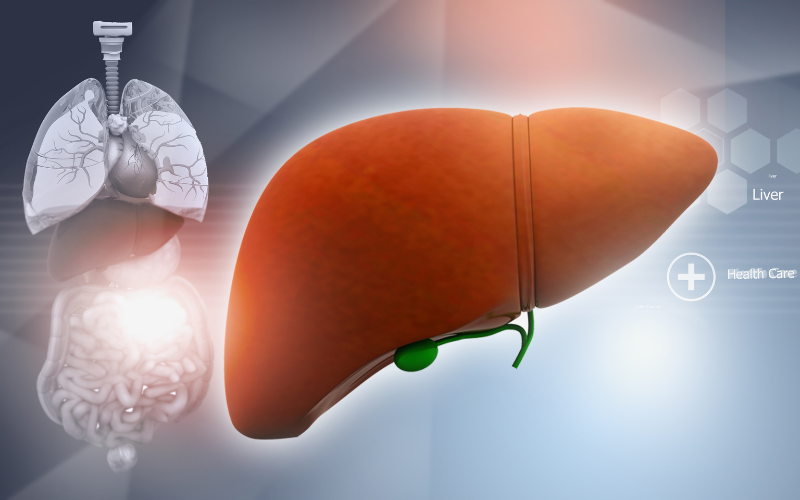
Recent findings in Nature Metabolism have shown that inulin, a dietary fibre present in numerous plant-based foods, allows intestinal microorganisms to clear dietary fructose in the diet, thus restoring liver health and enhancing metabolic state in mouse models. Researchers at the University of California, Irvine, demonstrated that when the gut microbiome adapts to fibre, it efficiently ferments dietary fructose, reduces its toxicity, and provides a new pathway of defence against metabolic dysfunction-associated steatotic liver disease (MASLD).
Diets rich in fat and sugar are strongly linked to rising global rates of obesity, diabetes, and liver disease. High fructose corn syrup (HFCS), a common constituent in soft drinks and juices, has been strongly associated with MASLD, metabolic dysfunction-associated steatohepatitis (MASH), cirrhosis, and hepatocellular carcinoma. Alarmingly, about one-quarter of patients with MASLD are not obese, but they face a greater risk of developing severe liver disease compared to obese patients.
In this study, HFCS was added to the drinking water of the male mice in addition to standard chow. Certain groups were given diets enriched with inulin, a soluble dietary fibre made up of one glucose and 20-100 fructose molecules. Inulin supplementation showed strong protective effects in immediate and delayed intervention models.
Mice consuming HFCS alone exhibited greater fat mass, reduced lean mass, insulin resistance, and hepatic steatosis. Conversely, fasting insulin, lowering HOMA-IR (a measure of insulin resistance), and reversal of liver fat accumulation were inhibited by the inulin supplementation. After 14 weeks of an insulin-enriched diet following 16 weeks of HFCS-induced damage, hepatic steatosis regressed, and liver fibrosis marker levels declined.
Liver lipidomic analysis indicated reductions in the number of harmful lipid species, such as ceramides, sphingomyelins, diacylglycerols, and triacylglycerols, in response to inulin. Mitochondrial DNA levels, which are typically high in the case of MASLD as a stress response, were lowered by inulin, suggesting decreased mitochondrial damage. Notably, inulin inhibited hepatic de novo lipogenesis (DNL), which was highly activated by fructose and promoted fatty acid oxidation. Tracer experiments confirmed that fructose-fed mice accumulated significantly higher labelled fatty acids. In contrast, inulin-fed mice showed reduced DNL rates and greater acylcarnitine formation in the mitochondria, indicating enhanced fatty acid breakdown.
The researchers also discovered that inulin prevents fructose passage to the colon, thereby reducing gut dysbiosis. Tracer studies indicated that small intestinal fructose metabolism in the host was not influenced, but the inulin-adapted gut microbiome diverted fructose away from the colon and liver. These protective effects were demonstrated to require the involvement of gut microbes: antibiotic exposure eliminated inulin-induced protective effects. At the same time, fecal microbiota transplants from inulin-fed mice conferred protection to HFCS-fed animals.
Inulin, on a molecular level, reshaped liver fructose metabolism by redirecting carbon flux into serine and glutathione (GSH) synthesis pathways. Inulin-fed mice had approximately 30% and 15% of fructose-derived carbons into serine and glycine, respectively, within the liver. The expression of genes involved in serine biosynthesis (Phgdh, Psat1) and the cystine transporter Slc7a11 increased to a maximum of 53-fold, facilitating an increase in GSH production. This antioxidant activity prevented lipid peroxidation in the liver, as evidenced by a reduction in the level of malondialdehyde and 4-hydroxynonenal.
Bacteroides acidifaciens was one of the most important microbial mediators. It was negatively correlated with hepatic lipogenesis and positively correlated with serine synthesis. Inoculation of mice with B. acidifaciens enhanced small intestinal fructose metabolism and reduced fructose-to-fatty acid conversion.
These results highlight that dietary fibre not only regulates the gut microbes but also helps neutralize harmful nutrients. Researchers conclude that dietary inulin supplementation, whether initiated early or after liver damage has already developed, offers a promising strategy for preventing or reversing fructose-driven metabolic disorders. Future human trials will be important to determine effective doses and to assess whether these protective effects extend to other models.
References: Jung S, Bae H, Song WS, et al. Dietary fibre-adapted gut microbiome clears dietary fructose and reverses hepatic steatosis. Nat Metab. 2025. doi:10.1038/s42255-025-01356-0