One of the earliest methods for producing and preserving food, fermentation, has had a significant resurgence recently. Fermentation is essential to the production of many foods and beverages, including yogurt, sauerkraut, pickles, craft brews, and kombucha. Lactic acid fermentation is one of the various forms of fermentation.
The burning sensation we get in our muscles during exercise is the most well-known effect of lactic acid, sometimes referred to as lactate, which signals the body to reduce the intensity of the exercise.
Lactic acid bacteria are responsible for producing lactic acid during fermentation and food storage, which is essential for establishing a low pH environment that prevents food spoilage. Only lactic acid is produced by some lactic acid bacteria. Others generate lactic acid in addition to a variety of other organic acids, which further acidify and deplete the surrounding air of oxygen. One of these bacteria is called Lactobacillus brevis.
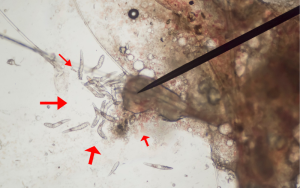
Under a microscope, this bacterium can be described as having rounded ends on a rod-shaped form. Additionally, it stains an indigo color when examined using the Gram staining method, indicating that it is Gram positive. It grows best in temperatures between 30 and 40 degrees Celsius and in a pH range of 4-6.
Above all, it’s a fermentation powerhouse, generating carbon dioxide, lactic acid, and acetic acid along the way.
Why would you want a bacterium that produces carbon dioxide and organic acids?
Sauerkraut is one of the many foods where Lactobacillus brevis is naturally present. It has long been recognized that traditionally made sauerkraut is an excellent source of lactic acid bacteria. These bacteria are a normal part of the gut microbiome and can also be found in pickles and the tibicos grains used to produce kefir.
Lactobacillus brevis and other lactic acid bacteria, including Lactococcus and Leuconostoc species, aid in the fermentation of cabbage during the sauerkraut-making process. The bacteria in the cabbage break down its carbohydrates throughout this process, creating lactic acid and carbon dioxide, which give this fermented product its distinct qualities.
Every time I open a jar of sauerkraut, the fizzing sound and sight of the contents surprise and delight me. The remarkable effervescence is the product of carbon dioxide generation. The taste is tangy, slightly sour, or acidic due to the presence of lactic and acetic acids.
Also, because they are organic acids, the pH of the fermented cabbage is naturally lowered by them, eliminating most infecting bacteria that like a neutral pH from the environment. Antimicrobial substances called bacteriocins, which stop the formation of more contaminating bacteria, are also produced by lactic acid bacteria. Because of these benefits, fermentation is a highly effective preservation method.
News Reference
The Conversation, https://theconversation.com/meet-your-gut-microbes-lactobacillus-brevis-a-fermentation-superstar-213323.