Frequent exposure to the outdoors can lead to unsafe interactions with toxic plants and animals. At the Blue Ridge Poison Center, toxicologists treat patients for reactions like poison ivy rashes or insect stings, which often occur because many plants and animals create toxins as a defence mechanism.
Understanding the actions and effects of toxins in the body can help people prepare for hazardous interactions and more easily treat conditions associated with poison ivy rashes, insect stings, and similar issues. The aim is not to discourage outdoor activity, but to create awareness of nature defence systems and promote a more informed relationship with the environment.
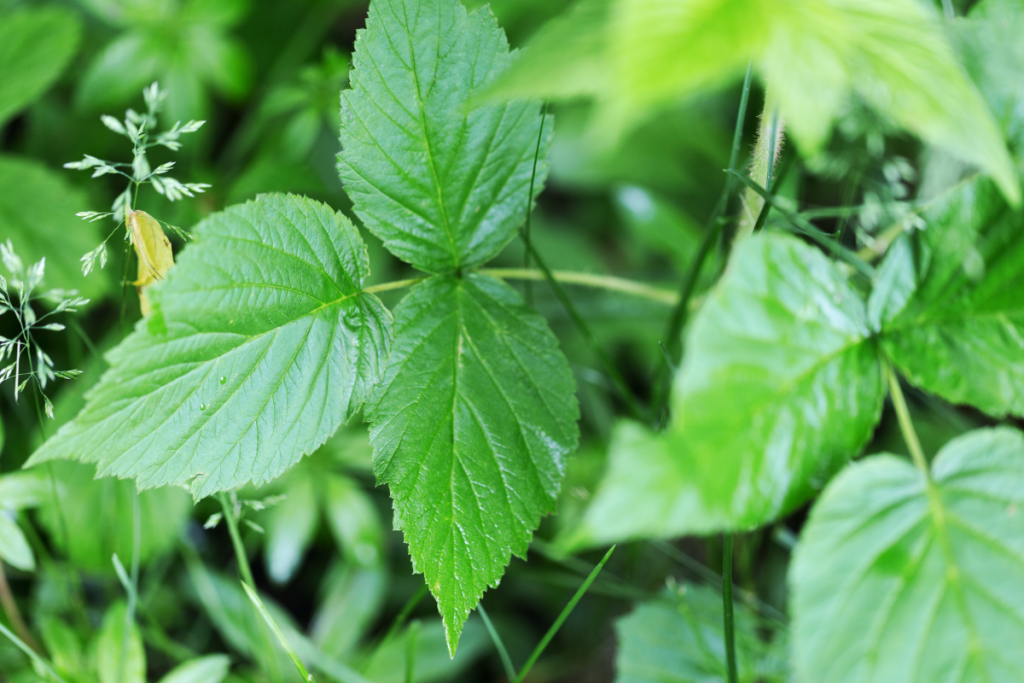
Poison ivy is a common plant in natural and urban settings and is easy to identify by its three leaves (smooth or jagged), which may be growing in clusters. It appears in a variety of forms as ground cover, shrubs, or climbing vines. Poison ivy is scientifically classified as Toxicodendron radicans. It produces urushiol, which is an oily substance found in its leaves, stems, roots, and berries like poison oak and poison sumac.
About 75% of individuals have an allergic reaction to urushiol. It is thought to be the plant’s natural defence against microbes. It can easily transfer from the plant to skin, clothes, tools, and pets. Indirect exposure, like touching a contaminated surface or animal fur, can trigger a similar rash as direct contact.
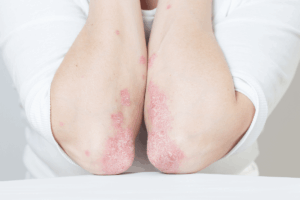
A delayed allergic reaction occurs when urushiol binds to skin cells and alters their structural components. The immune protein CD1a identifies these altered cells as threats and triggers an immune response, producing an itchy rash. Once exposure to urushiol occurs, rash symptoms typically appear between 12 and 48 hours afterward. The reaction often begins with redness and itching, followed by small bumps or fluid-filled blisters. The severity depends on the person’s sensitivity and the amount of urushiol contact.
The rash is not contagious, and blister fluid does not spread it. Further reactions can occur because of the urushiol that may still be present on the skin, tools, clothes, or even pets. Once the oil is completely removed, the rash will not spread to others or new parts of the body.
If you encounter poison ivy, wash the skin and discard your clothes as soon as possible. The rash usually resolves on its own, but can be treated with anti-itch creams or steroids; in severe cases, oral steroids will be needed. The sharp pain, swelling, and redness from bee and wasp stings are common at the end of summer.
Their venom is a colorless, slightly acidic fluid containing several active compounds. The venom includes enzymes like phospholipase A2 that degrade cell membranes and peptides like melittin that cause pain. Naturally occurring substances such as histamine and epinephrine affect blood vessels and modulate immune responses.
In some cases, a sting can cause a severe allergic reaction called anaphylaxis, which can result in breathing problems, low blood pressure, and swelling of the tongue, face, or throat. Multiple stings can also be hazardous because of a high venom load.
Anyone with severe symptoms like widespread hives, difficulty breathing, or vomiting should seek emergency medical care immediately. Severe allergic reactions like anaphylaxis need prompt treatment with epinephrine and close monitoring.
Reference: Christopher P. Holstege, Sandra H. Nixon. A toxicologist’s guide to poison ivy’s itch and bee stings’ burning pain – 2 examples of nature’s chemical warfare. Published August 7, 2025. Accessed August 8, 2025. A toxicologist’s guide to poison ivy’s itch and bee stings’ burning pain – 2 examples of nature’s chemical warfare