A drug originally developed for helping cancer patients rebuild muscle has become one of the elite sport’s most controversial banned substances. Ostarine was created in the early 2000s by scientist James Daltoon. It was designed for the treatment of frailty, muscle waste, and osteoporosis, as well as other age-related medical conditions. Today, however, Dalton says he spends more time trying to stop individuals from using it than promoting its potential medical benefits.
Once Dalton’s research was published, the compound’s chemical structure became publicly available. Manufacturers soon began selling Ostarine online, often labelled as “not for human consumption” or disguised as “research chemicals” to avoid legal scrutiny. Although it is illegal to market selective androgen receptor modulators (SARMs) as supplements, they have become widely promoted within athletic and bodybuilding communities.
Ostarine, also known as enobosarm, showed promise in clinical research, particularly for lung cancer patients experiencing muscle loss. More recently, scientists have explored whether it could help preserve muscle mass in individuals taking weight loss medicines such as Wegovy, which often cause muscle loss alongside fat reduction. Despite its potential, no SARM has received full regulatory approval. More than 20 years after its creation, Ostarine is still not licensed for human use due to concerns regarding potential liver toxicity.
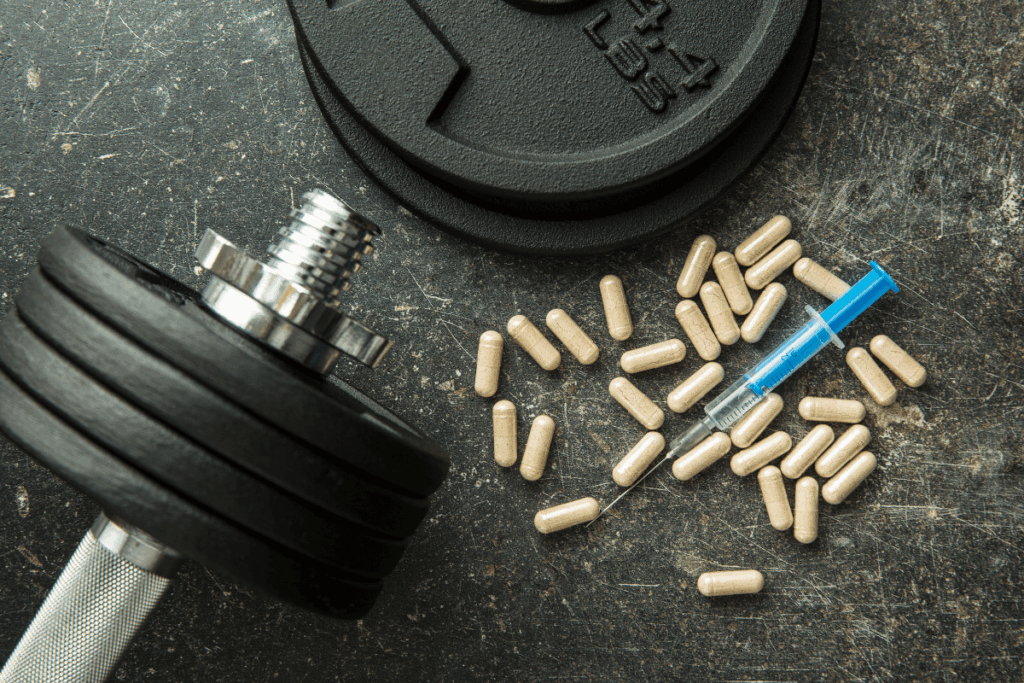
Ostarine comes under the SARM class of drugs, developed as a safer alternative treatment to anabolic steroids. While traditional steroids effectively build the muscles, they also trigger various unwanted side effects such as breast tissue development among men, aggression, male baldness, growth of body hair, and acne. Women who misuse steroids may experience disruption in menstrual cycles and voice deepening. SARMs were intended to provide the anabolic benefits without these masculinizing effects. Unlike injectable steroids, they are also available in pill form, making them more convenient and easier to use.
The World Anti-Doping Agency (WADA) banned SARMs in 2008 due to their high doping risk. Ostarine is now listed under “Other Anabolic Agents” and is always prohibited at all times in all sports. In recent years, it has become the most often identified SARM in anti-doping tests, appearing in over 100 athlete samples (n = 144). However, the situation has become increasingly complex. Sport operates under strict liability rules of sport; athletes are responsible for any banned substance found in their bodies, regardless of intent. Many supplements suffer from poor quality control, and some have been found to contain undeclared traces of ostarine. Athletes who test positive must prove contamination, frequently for the production of the original supplement, and pay for costly independent testing methods.
Adding to the challenge, Ostarine can transfer between individuals. Cases have shown that the drug may pass through shared sweat, equipment, or body fluids like saliva. Modern laboratories can identify extremely small quantities, but current tests cannot estimate the positive results that reflect deliberate doping, accidental transfer, or contaminated supplements. This leaves anti-doping authorities facing a balance between enforcement and fairness, as athletes bear the burden of proof, and frequently at great personal and financial cost.
Dalton is now working to address the unintended consequences of his discovery. Through anti-doping research initiatives, scientists are developing methods to detect biological markers that could differentiate intentional use from accidental exposure. Such advancements could protect innocent athletes while ensuring deliberate dopers are caught. Until then, a drug designed to treat serious illness continues to jeopardize athletic careers, leaving both athletes and their creators in an unresolved and uncomfortable predicament.
Reference: Bassindale T. Ostarine: the performance-enhancing drug giving anti-doping agencies a headache. The Conversation. Published February 17, 2026. Accessed February 18, 2026. Ostarine: the performance-enhancing drug giving anti-doping agencies a headache