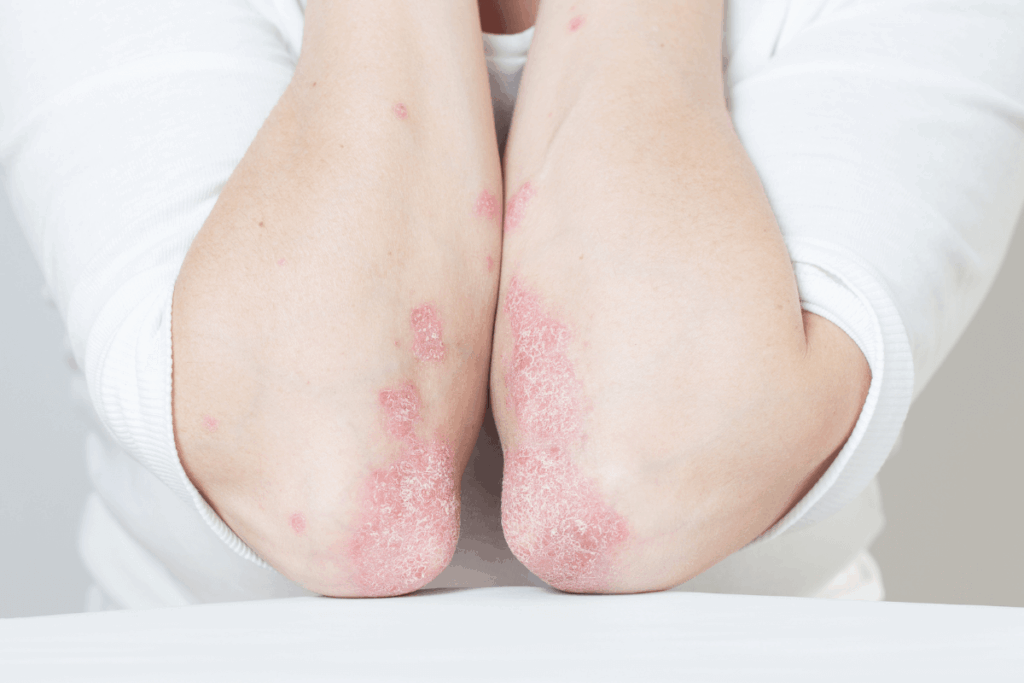
Psoriasis is a chronic inflammatory skin condition that affects about 2% of the United Kingdom (UK) population. It is linked to an increased risk of obesity, type 2 diabetes, metabolic syndrome, and cardiovascular disease. Although diet can affect systemic inflammation and cardiometabolic health, UK psoriasis management guidelines do not give specific dietary recommendations beyond general weight loss advice for individuals who are obese or overweight. Earlier studies have suggested that people with psoriasis can differ in their intake of sugars, fat, and fibre as compared with healthy controls.
This study aimed to describe macronutrient intakes in UK adults with psoriasis, compare them with national dietary data and UK Dietary Reference Values (DRVs), and examine associations between macronutrient sources and psoriasis severity.
This cross-sectional analysis was conducted as part of the Asking People with Psoriasis about Lifestyle and Eating (APPLE) study. UK adults with psoriasis were recruited between June 2022 and January 2024 by an open web-based survey using convenience sampling. Of 806 unique site visitors, 429 provided consent, and 366 began the survey. After excluding incomplete responses and implausible energy intakes, 257 participants were included in the final analysis. Participants self-reported demographic and lifestyle information, including age, sex, smoking status, alcohol intake (AUDIT-C), psychological morbidity, and anthropometric measures for body mass index (BMI) calculation.
Psoriasis severity was assessed by the validated self-assessed Simplified Psoriasis Index (sa-SPI), categorised into mild, moderate, and severe tertiles. Dietary intake over the previous 12 months was measured by using a modified 147-item European Prospective Investigation into Cancer and Nutrition (EPIC) Food Frequency Questionnaire. Macronutrients were expressed as percentages of total energy intake, and fibre intake was standardised per 1000 kcal. Intakes were compared with UK DRVs and National Diet and Nutrition Survey (NDNS) data. Associations between macronutrients, food sources, and psoriasis severity were analysed by Pearson’s correlation coefficients and multinomial logistic regression adjusted for age, sex, smoking, alcohol intake, psychological morbidity, and BMI.
Participants were predominantly female (83%), white British (85%), and non-smokers (82%) with a median age of 40 years and a median BMI of 25 kg/m²,51% were classified as overweight or obese. Anxiety (41%), depression (25%), and psoriatic arthritis (21%) were common comorbidities. About 70% of participants exceeded the recommended upper limit for saturated fat intake, like national levels (64%). Fibre intake was inadequate, with 78% failing to meet the recommended ≥30 g/day (median intake ~20 g/day). Free sugar intake exceeded recommendations (≤5% energy) with a median of 11% energy.
Correlation analyses revealed that free sugar intake was positively linked to psoriasis severity (r: 0.161, P: 0.010), whereas fibre (r: −0.183, P: 0.003), total polyunsaturated fatty acids (r: −0.132, P: 0.036), and n-6 polyunsaturated fatty acids (r: −0.152, P: 0.015) were negatively associated with severity. Source-specific analyses showed stronger associations. Participants in the highest quartile of protein from red meat (mean 22% of total protein) were more likely to report severe psoriasis (odds ratio [OR]: 2.56, 95% confidence interval [CI]: 1.051 to 6.234, P for trend: 0.006), though this association weakened after BMI adjustment.
Higher protein intake from total meat sources was linked to increased odds of severe disease (OR: 2.47, 95% CI: 0.984 to 6.196, P for trend: 0.028). In contrast, greater protein intake from plant sources (OR: 0.36, 95% CI: 0.140 to 0.915) and nuts (OR: 0.24, 95% CI: 0.092 to 0.651) was linked to lower odds of severe psoriasis. Fibre from non-wholegrain cereals was linked to higher severity (OR: 2.83, 95% CI: 1.089 to 7.333, P for trend: 0.021), whereas fibre from nuts was associated with 69% reduced odds (OR: 0.31, 95% CI: 0.123 to 0.780, P for trend: 0.043). Free sugars from beverages showed a strong association with severity (OR: 3.85, 95% CI: 1.507 to 9.831, P for trend: 0.040). n-6 fatty acids from processed meat were associated with increased severity (OR: 3.01, 95% CI: 1.236 to 7.329, P for trend: 0.004), and n-6 fatty acids from nuts were protective (OR: 0.27, 95% CI: 0.104 to 0.677, P for trend: 0.021).
Although overall macronutrient intake in UK adults with psoriasis was similar to that of the general population, the source of nutrients appeared to be more strongly associated with disease severity. Diets high in plant-based protein, fibre, and unsaturated fats specifically from nuts were linked to lower psoriasis severity. In contrast, nutrients derived from red and processed meats and sugar-sweetened beverages were linked to greater severity. These findings support the hypothesis that plant-focused dietary patterns may play a role in psoriasis management and warrant further longitudinal and interventional research.
Reference: Zanesco S, Maruthappu T, Griffiths CEM, et al. Macronutrient intakes and associations with psoriasis severity: a cross-sectional analysis of the Asking People with Psoriasis About Lifestyle and Eating (APPLE) study. Eur J Nutr. 2026;65:64. doi:10.1007/s00394-026-03914-y