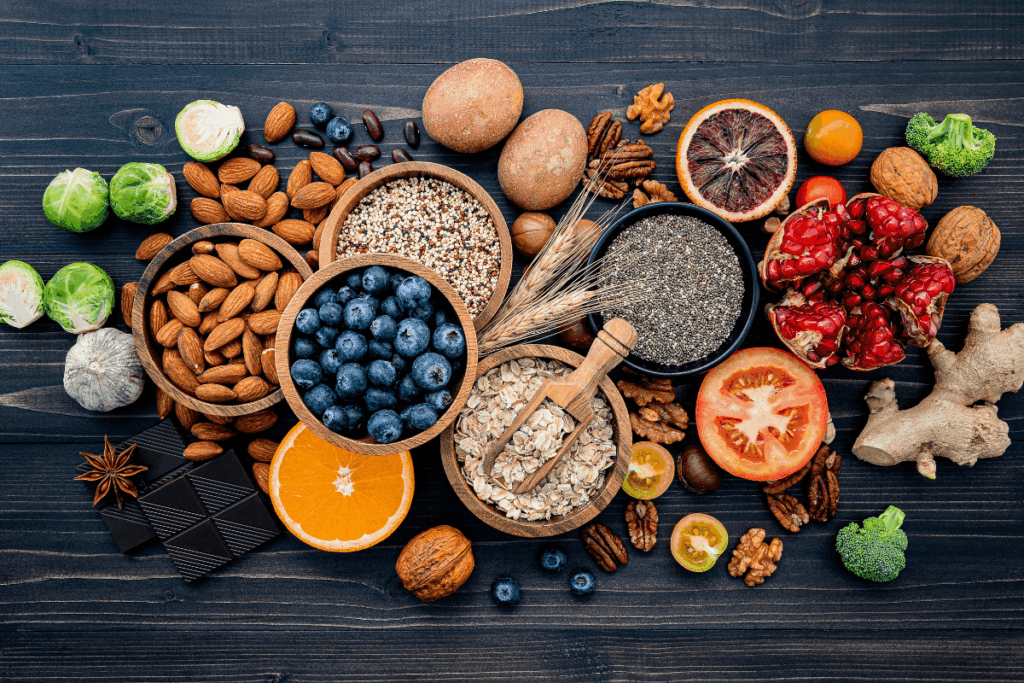
Vegetarian diets exclude fish and meat, while vegan diets additionally exclude eggs and dairy products. These dietary patterns are generally nutritionally adequate, lower in saturated fats and higher in fiber and vitamins compared with omnivorous diets, although they may be low in protein, certain micronutrients, and omega-3 fatty acids. Given the established role of diet in cancer risk, the Cancer Risk in Vegetarians Consortium was formed to examine associations between dietary patterns and cancer incidence.
A recent study published in Nature aimed to evaluate the cancer risk of different diet groups, including poultry eaters, pescatarians, vegetarians, and vegans, against meat consumers. It sought to understand the correlation between dietary choices and cancer risk in different populations, focusing on the selected cancers while excluding others because of insufficient data.
The consortium harmonised data from 1,817,477 participants in 9 prospective cohort studies conducted across four countries, mainly the United Kingdom and the United States. Participants were classified into five diet groups at baseline: meat eaters (90.5%), poultry eaters (3.1%), pescatarians (2.4%), vegetarians (3.5%), and vegans (0.5%). Follow-up ranged from 6 to 27 years, during which 220,387 incident cancer cases were identified across 17 cancer sites. Cancer cases were ascertained mainly by linkage to national cancer registries and classified by using ICD-10 codes. Multivariable Cox proportional hazards regression models estimated hazard ratios (HRs) with adjustment for major confounders; pooled estimates were derived using inverse-variance meta-analysis with false discovery rate correction.
The models were stratified by sex and recruitment factors and adjusted for smoking, alcohol intake, BMI, physical activity, diabetes, education, ethnicity, and reproductive factors where relevant. For lung cancer, primary analyses were restricted to never smokers to minimise residual confounding. Pooled risk estimates were obtained by using inverse-variance weighted meta-analysis, and heterogeneity was assessed by using the I² statistic. Statistical significance was considered at two-sided P < 0.05 with false discovery rate (FDR) correction applied for multiple testing.
The results showed several statistically significant associations, although most were modest in magnitude. For colorectal cancer, pescatarians had a 15% lower risk compared with meat eaters (HR: 0.85, 95% CI: 0.77 to 0.93, FDR significant), whereas vegetarians showed no significant difference (HR: 1.03, 95% CI: 0.94 to 1.13). Vegans had a 40% higher risk (HR: 1.40, 95% CI: 1.12 to 1.75, FDR significant), though this finding was based on only 93 cases and should be interpreted cautiously. In subsite analyses, pescatarians had lower colon cancer risk, and vegans had higher rectal cancer risk. Vegetarians had nearly double the risk of squamous cell carcinoma of the oesophagus (HR: 1.93, 95% CI: 1.30 to 2.87, FDR significant) and a lower risk of pancreatic cancer (HR: 0.79, 95% CI: 0.65 to 0.97), although the latter association weakened in sensitivity analyses restricted to never smokers.
For lung cancer in never smokers, no significant differences were observed between dietary groups. Regarding reproductive cancers, breast cancer risk was lower among pescatarians (HR: 0.93, 95% CI: 0.88 to 0.98) and vegetarians (HR: 0.91, 95% CI: 0.86 to 0.97), mainly among postmenopausal women regarding reproductive cancers. These associations were attenuated after adjustment for BMI, which suggests adiposity may partly explain the difference. Prostate cancer risk was 7% lower in poultry eaters and 12% lower in vegetarians, although these findings weakened in sensitivity analyses. Kidney cancer risk was substantially lower in pescatarians (HR: 0.73, 95% CI: 0.58 to 0.93) and vegetarians (HR: 0.72, 95% CI: 0.57 to 0.92), and this association remained consistent across analyses. Vegetarians also had a 30% lower risk of multiple myeloma (HR: 0.69, 95% CI: 0.51 to 0.93). No significant differences were observed for cancers of the stomach, liver, bladder, ovary, endometrium, non-Hodgkin lymphoma, or leukaemia. Heterogeneity between cohorts was low, and adjustment for BMI generally modestly attenuated associations.
Overall, this large prospective analysis suggests that vegetarian and pescatarian diets are linked to modest differences in risks of certain cancers, including lower risks of postmenopausal breast cancer, kidney cancer, colorectal cancer (for pescatarians), and possibly prostate cancer. However, vegetarians had a higher risk of oesophageal squamous cell carcinoma, and vegans showed a higher risk of colorectal cancer based on limited case numbers. Many associations were small and weakened in sensitivity analyses, warranting cautious interpretation. Most cancer risks were similar across dietary groups. Future research should further investigate potential biological mechanisms, including metabolic factors and possible nutrient deficiencies, and include larger numbers of vegans and more diverse populations to clarify these associations.
Reference: Dunneram Y, Lee JY, Watling CZ, et al. Vegetarian diets and cancer risk: pooled analysis of 1.8 million women and men in nine prospective studies on three continents. Br J Cancer. 2026. doi:10.1038/s41416-025-03327-4