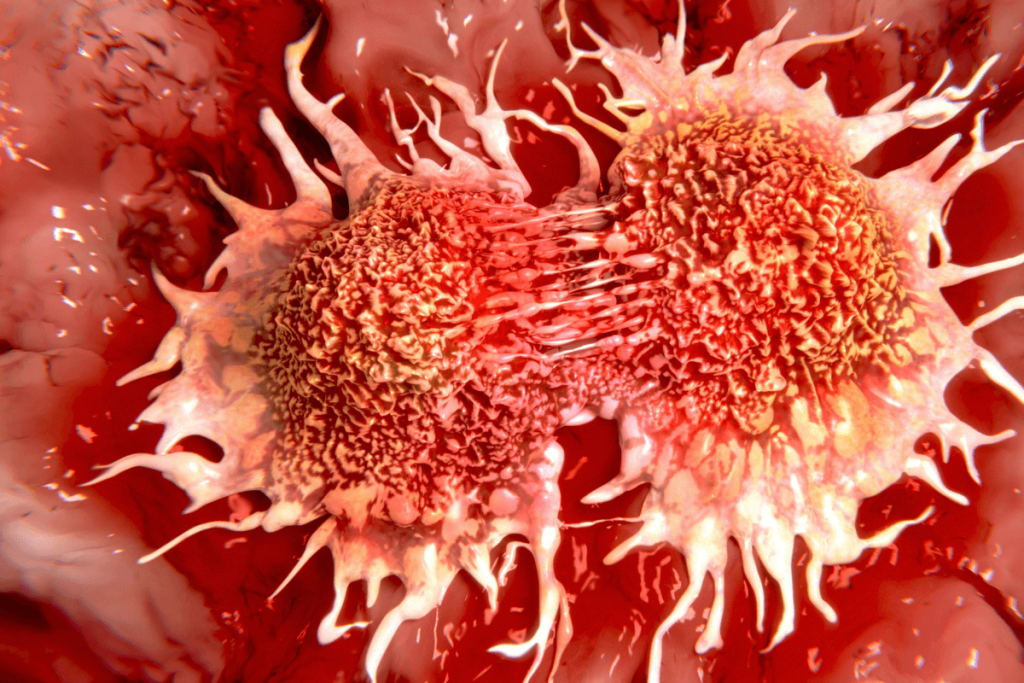
Cancer cells can detach from the primary tumors and move to various areas of the body. These disseminated cancer cells (DCCs) can form new tumors. This process is known as metastasis. DCCs can remain dormant for decades or years before rising and growing in tumors, even after the primary tumor is eliminated. The reasons for the awakened cells are not known.
Previous research suggests that inflammation can drive cancer progression. Respiratory viruses such as severe acute respiratory syndrome coronavirus 2 (SARS-CoV-2) and influenza lead to inflammation. Dr. James DeGregori led a research team at the University of Colorado Anschutz Medical Campus that used mouse models to examine whether respiratory virus infection may trigger DCCs to rise. They utilized mice models of breast cancer to investigate the impacts of SARS-CoV-2 and influenza infection on DCCs and lung metastasis.
The lungs of mice contained a few isolated DCCs before infection. Within three days of influenza infection, DCC numbers rose sharply and continued increasing over the next two weeks, with significant growth still evident nine months later. The elevation in DCCs was followed by a reduction in the percentage of DCCs that remained inactive. Mice infected with SARS-CoV-2 had similar results.
Further investigations revealed that virus-induced activation of DCCs depended on the inflammatory signaling molecule interleukin-6 (IL-6). Mice that were unable to produce IL-6 had lower DCC development and a higher percentage of dormant DCCs in the lungs following influenza infection. Organoids derived from the mammary glands of mice developed considerably when administered IL-6.
The researchers discovered DCCs preferred to gather near immune cells known as CD4+ T cells. When CD4+ T cells were depleted, fewer DCCs remained active after one month, while levels of CD8+ T cells, which attack virus-infected and cancer cells, rose. This shows that CD4+ T cells support awakened DCCs by inhibiting the activity of CD8+ T cells.
The researchers investigated the link between cancer progression and SARS-CoV-2 infection and the mortality rate in electronic health records (EHRs). In the UK Biobank, data from 5000 individuals who had an earlier cancer diagnosis and were considered to be in remission were collected. A positive test for SARS-CoV-2 doubled the probability of cancer mortality in this population. About 36,000 females who have breast cancer and COVID-19 have an elevated risk of lung metastasis by around 40% according to another dataset.
These finding, published by the National Institutes of Health, implies that respiratory virus infection may increase the risk of cancer metastasis and recurrence. They identify the possible interventions to decrease this risk.
DeGregori said that DCCs are like embers that are left in an abandoned campfire, and respiratory viruses are like a strong breeze that reignites the flame.
Reference: Doctrow B. Respiratory viruses may trigger dormant cancers. NIH Research Matters. National Institutes of Health. Published August 19, 2025. Accessed August 20, 2025. Respiratory viruses may trigger dormant cancers