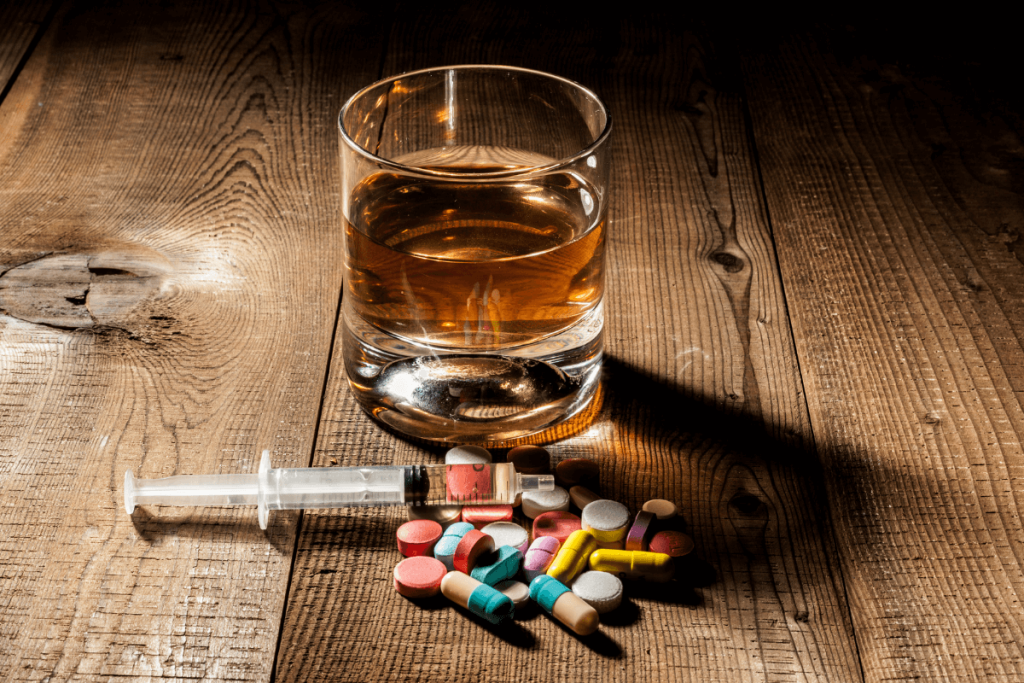
Alcohol consumption is associated with blood pressure (BP) and cardiovascular disease. The exact relationship between changes in alcohol intake and BP remains unclear. Previous studies were short and focused on heavy-drinking individuals and underrepresented women. They rely on baseline alcohol data, thereby preventing the assessment of longitudinal changes in consumption and dynamic effects on BP. Meta-analyses face heterogeneity and insufficient sample sizes for females, leading to inaccurate sex-specific estimates. According to current evidence, BP reduction cannot occur with alcohol consumption of 2 drinks per day.
This study aimed to evaluate how longitudinal changes in alcohol consumption affect diastolic and systolic blood pressure in habitual drinkers and non-drinkers. It further assessed whether cessation or initiation of alcohol use produces dose-dependent changes in BP to assess potential sex differences in these associations. It also assesses whether different types of alcoholic beverages, like wine, beer, sake, whiskey, or shochu, exert varying effects.
The study used data from a large health checkup database and involved adults who reported their alcohol consumption at two consecutive annual visits. Participants were categorized into two cohorts: habitual drinkers at baseline (Cessation cohort) and non-drinkers at baseline (Initiation cohort). Alcohol consumption was assessed in standard drinks per day, with 1 drink being equivalent to about 10 g of ethanol. Longitudinal changes in systolic (SBP) and diastolic (DBP) blood pressure were analyzed using multivariable-adjusted models that controlled for body mass index (BMI), age, comorbidities, smoking status, and dietary habits. Restricted cubic spline models were used to assess the nonlinear dosage-response relationship, and beverage-specific analyses were conducted to isolate the effect of ethanol from beverage components. Sensitivity analyses included propensity score matching and subgroup analyses by BMI, age, and hypertension status.
Alcohol cessation was linked with clear dose-dependent reductions in BP. For participants who stopped drinking, cessation below 0.5 drinks/day did not significantly alter SBP (95% confidence interval [CI]: −0.43 to 0.09 mm Hg, −0.17 mm Hg). Cessation of 0.5 to 1.0 drinks/day decreased SBP by −0.39 mm Hg. The reduction increased progressively with increasing baseline consumption: −0.93 mm Hg for 1 to 2 drinks/day, −2.35 mm Hg for 2 to 3 drinks/day, −4.56 mm Hg for 3 to 4 drinks/day, and −5.61 mm Hg for above 4 drinks/day.
Same dose-dependent declines were seen for DBP. In the initiation cohort, new alcohol intake led to proportional BP elevations. Every 10 g of daily alcohol intake (equivalent to one standard drink) was associated with a 0.78 mm Hg increase in SBP and a 0.53 mm Hg increase in DBP. Men exhibited steeper BP elevations at low to moderate intake, and women showed continuous BP elevation at high consumption levels. These links were consistent across beverage types, indicating that ethanol, not beverage-specific components, drives BP changes. Subgroup analyses revealed that relationships continue in age groups, BMI categories, and smoking status, with strong effects in individuals with preexisting hypertension. Sensitivity analyses verified the validity of these results.
This study reveals a direct and dose-dependent link between alcohol consumption and BP in both sexes, with no safe threshold. Small reductions in alcohol usage were linked with measurable BP decreases. Initiation of drinking led to incremental BP elevation. The main causal factor is ethanol. Modest reductions in alcohol intake could significantly decrease population-level cardiovascular morbidity and mortality, with a 2 mm Hg decrease in average SBP, reducing stroke deaths by 10% and ischemic heart disease mortality by 7%.
Reference: Suzuki T, Fukui S, Yoneoka D, et al. Blood pressure after changes in light-to-moderate alcohol consumption in women and men: longitudinal Japanese annual checkup analysis. J Am Coll Cardiol. 2025;0(0). doi:10.1016/j.jacc.2025.09.018