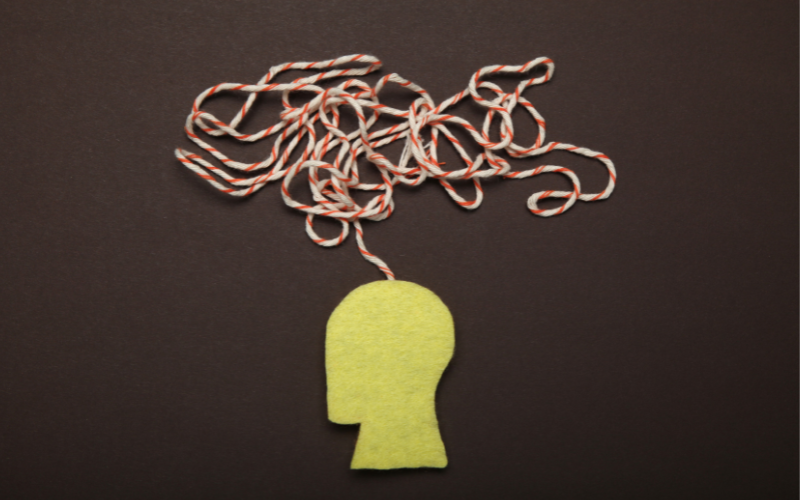
People often hold themselves back, consciously or unconsciously, limiting their ability to perform at their best. Social anxiety, embarrassment, or a sense of respect can prevent individuals from giving their maximum effort in situations such as addressing a crowd, negotiating a salary, the birth of a child, socializing, sporting events, or physical therapy. Even the most accomplished athletes may fail to perform at their best if their psychological preparation is lacking.
These observations point to psychological, rather than physical, roots of performance limitations, underscoring the potential of simple interventions to unlock greater human capability. It is not a discovery that the vocal expression can be used to enhance physical output.
Grunting has been shown to increase tennis racket power by 19%-26%, while shouting can enhance grip strength by approximately 7%. These findings are an indication that noising can assist individuals in producing more force. Continuing this concept, researchers have shifted focus to swearing as a type of emotionally laden language, which is typical of most cultures yet tends to be frowned upon by society. Despite the taboo of swearing, swearing contributes to both the expression and control of emotions.
Increasing evidence shows that swearing is a reliable way to improve physical performance. In laboratory experiments, repetition of a swear word enhanced grip strength and not only cycling power output by 8% and 4.5%, respectively, when repeating a neutral word. Subsequent experiments indicated that swearing is also effective at enhancing endurance in body-weight exercises. In contrast, chair push-up hold time is enhanced by approximately 10%, and push-up, wall sit, and plank hold performance is improved.
These effects have been observed in various studies, suggesting that the phenomenon is strong. Earlier theories were based on physiology, suggesting that swearing enhances strength by increasing autonomic arousal, such as heart rate. Even though swearing increases heart rate, studies indicate that enhanced performance can still occur independent of physiological arousal. This shifted the focus to a psychological explanation (state disinhibition), a momentary lowering of self-restraint that enables individuals to act with fewer self-barriers.
The theory is based on two brain systems, the behavioral inhibition system (BIS) and the behavioral activation system (BAS). BIS helps to encourage caution and socially appropriate behavior, whereas the BAS encourages action-oriented behavior that is goal-oriented. In cases where BIS influence is lower, BAS activity is more prevalent. Swearing can assist in initiating this change by breaking social norms, decreasing fear of judgment, task focus, and confidence, and eliminating the fear of holding back.
To confirm this hypothesis, the researchers conducted two preregistered experiments, compared their outcomes with those of a preceding preregistered study, and obtained an overall sample of 300 participants. Participants in all experiments completed a chair push-up task, whereby their weight was held only using their arms for up to 60 seconds, and repeated either a self-selected swear word or a neutral word. In the literature, it was consistently found that swearing led participants to retain the position for longer.
The psychological measures indicated that swearing enhanced flow, lack of focus on other thoughts, amusement, and self-confidence. In combining data, analyses showed that flow, distraction, and self-confidence could explain why swearing enhanced performance, with the combined effect accounting for 14% of the variation. Humor was considered as a factor, but failed to provide a consistent explanation for the observed strength enhancement.
Altogether, the results indicate that swearing is a straightforward psychological mechanism that assists individuals in overcoming inner inhibitions when performing short-term and strenuous activities. Rather than merely expressing emotion, swearing appears to foster a liberated, task-focused mindset, allowing individuals to exert greater effort. The study underscores how subtle psychological shifts can unlock previously untapped physical potential.
References: Stephens R, Dowber H, Richardson C, Washmuth NB. “Don’t hold back”: Swearing improves strength through state disinhibition. Am Psychol. 2025. doi:10.1037/amp0001650