Zimislecel (VX-880) is a stem cell-based islet cell therapy currently showing tremendous success in an ongoing clinical trial for individuals with type 1 diabetes (T1D). T1D is a chronic autoimmune disease that affects over 8 million people across the world and is characterized by immune-mediated destruction of the insulin-producing beta cells of the pancreas. As a result, patients require lifelong insulin therapy, but many fail to maintain optimal glycemic control, putting them at risk for long-term complications and life-threatening hypoglycemia.
The VX-880-101 FORWARD trial is a 5-year, open-label, multicenter Phase 1/2 study guided by Vertex Pharmaceuticals and conducted in North America and Europe to evaluate the safety and efficacy of zimislecel, a treatment based on fully differentiated allogeneic pluripotent stem cells. Eligible participants included adults (ages 18–65) with a ≥2-year history of type 1 diabetes, impaired awareness of hypoglycemia, and at least two severe hypoglycemic events within the prior 6 months despite intensive diabetes management.
The experiment went through three stages:
- Part A tested the safety in half dose (0.4×10⁹ cells),
- Part B was a tested safety and islet activity in full dose (0.8 × 10⁹ cells).
- Part C also tested efficacy in a broader group on the full dose.
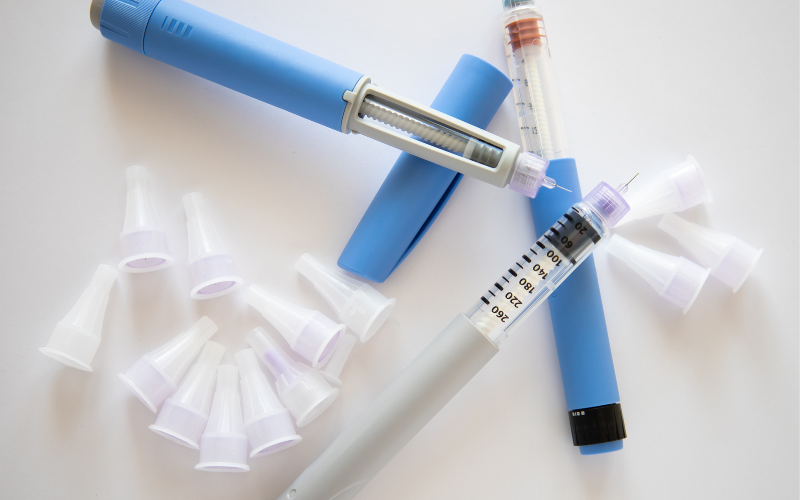
Zimislecel was delivered through the portal-vein infusion over 30-60 minutes, followed by immunosuppressive therapy. The primary endpoint of Part C was the absence of severe hypoglycemia and either a at least 1% reduction in glycated hemoglobin (HbA1c) or an HbA1c of less than 7% between day 90 and day 365.
At the time of interim analysis, 14 participants had received zimislecel (2 at half dose, 12 at full dose), with more than one subject completing at least 12 months of follow-up. The mean disease duration was 22.8 years, and all participants entering the study had HbA1c >7% (range 7.1-9.9%) and undetectable fasting C-peptide concentrations, indicating absent endogenous insulin production.
The efficacy rates of the full-dose zimislecel group were outstanding. At the end of 365 days, all 12 participants had HbA1c levels less than 7%, and the mean reduction was 1.81%. The percent of time in the ideal glucose range (70-180 mg/dL) increased significantly from 49.5% to 93.3%. Stimulated C-peptide levels rose from undetectable to 1274 1274pmol/L by day 365, indicating restoration of endogenous insulin production. Insulin need was reduced by 92%, and 10 out of 12 subjects (83%) became entirely insulin-independent. Notably, no serious hypoglycemic events were reported between days 90 and 365.
In the half-dose group, both subjects exhibited improved insulin secretion, and one participant became insulin-independent by day 90.
Most adverse events were mild to moderate, including diarrhea, headache, nausea, and rash. Serious adverse events such as neutropenia were observed in three participants, and acute kidney injury in two participants. Two patients died, one because of cryptococcal meningitis due to off-protocol steroids administration and another because of the continuation of preexisting neurocognitive impairment not necessarily directly related to zimislecel.
Zimisleclel reflects possibly a new paradigm for the treatment of T1D. The potential to restore natural insulin production and reduce reliance on exogenous insulin can help mitigate complications and improve long-term outcomes and quality of life. The findings also align with prior studies that have linked residual beta-cell activity to better clinical outcomes. While these early results are highly encouraging, larger and longer-term studies are needed to validate the clinical value, long-term safety, and the broader applicability of zimislecel as a regenerative therapy for T1D.
References: Reichman TW, Markmann JF, Odorico J, et al. Stem cell–derived, fully differentiated islets for type 1 diabetes. N Engl J Med. 2025. doi:10.1056/NEJMoa2506549