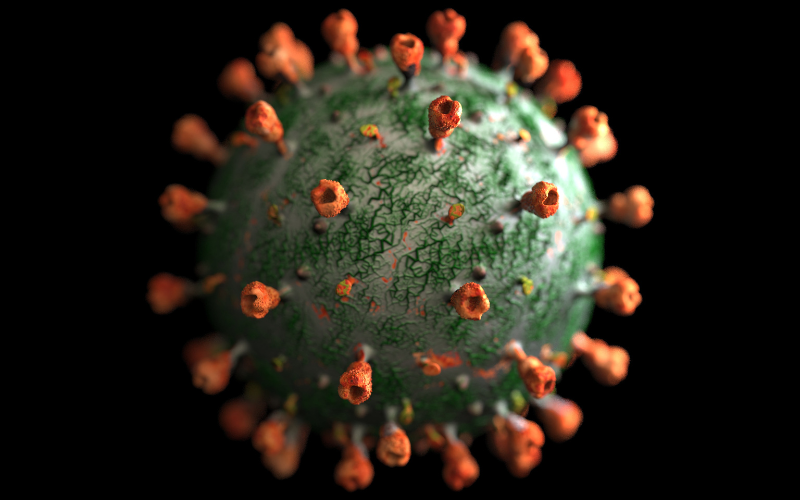
The 2009 and 2019 pandemics underscore the ongoing threat posed by respiratory viruses. Emerging Influenza D virus (IDV) and canine coronavirus HuPn-2018 (CCoV-HuPn-2018) show epidemic potential, yet global diagnostics and surveillance remain insufficient. Gregory C. Gray et al. published a perspective article related to these viruses in Emerging Infectious Diseases.
In 2011, IDV was first identified in pigs with respiratory disease. It is a segmented RNA virus belonging to the genus Deltainfluenza virus within the family Orthomyxoviridae. Like influenza A, B, and C viruses, IDV evolves through recombination, mutation, and reassortment. However, IDVs share only approximately 50% amino acid identity with influenza C viruses (ICVs) and are more prevalent across animal species. Initially considered enzootic in cattle and pigs, IDVs have since been detected in a wide range of wildlife and livestock, including kangaroos, wallabies, giraffes, poultry, deer, wildebeests, and llamas, indicating broad host susceptibility.
Cattle are now recognized as the primary reservoir for IDV, despite the virus’s initial isolation from pigs. IDV contributes to the bovine respiratory disease complex, a major cattle health problem estimated to cost the U.S. cattle industry more than $1 billion annually, and in recent surveillance across 12 dairy and 12 beef farms in Mexico and the U.S., IDV was detected more than 50 times from more than 500 nasal swabs, underscoring its high prevalence.
Although IDV has not yet been isolated from humans, growing evidence supports its zoonotic potential. A 2016 seroepidemiologic study found that seropositivity was more than 97% among cattle workers, compared with 18% among non-cattle workers (controls). In 2023, molecular evidence of IDV was detected in 67% of 31 dairy workers over five days. More recently, a large study conducted in China reported a 73% seroprevalence among 612 participants and 97% among those with respiratory symptoms. The experimental research of airborne transmission in ferrets, replication in human epithelial cells, and infection in animal models such as dogs and mice. Collectively, these findings suggest that IDV is rapidly evolving and may pose a future zoonotic and panzootic risk.
In 2021, CCoV-HuPn-2018, a new canine-feline recombinant alphacoronavirus, was isolated and characterized from a Malaysian child hospitalized with pneumonia. This virus shares approximately 97% nucleotide identity with canine coronavirus and transmissible gastroenteritis virus, indicating a complex origin. Subsequent detections with 99.4% genetic identity in travelers from Haiti, as well as cases in the U.S. and Thailand, confirmed its wider circulation. More recently, CCoV-HuPn-2018 was detected in 18 of 200 pneumonia patients in Vietnam, suggesting expanding prevalence and geographic distribution. Notably, this virus is not detected by routine diagnostic methods. While widespread severe disease has not yet been documented, these findings highlight its zoonotic potential and underscore the need for enhanced surveillance.
In conclusion, this paper highlights the risk of repeating past pandemic failures. The absence of approved diagnostic methods and limited surveillance restricts understanding of emerging pathogens, yet available evidence indicates a significant public health threat. Targeted prevention strategies, strengthened surveillance, validated diagnostic procedures, and antiviral evaluation are essential to reduce the risk of future human epidemics.
References: Gray GC, Vlasova AN, Lednicky JA, et al. Emerging Respiratory Virus Threats from Influenza D and Canine Coronavirus HuPn-2018. Emerg Infect Dis. 2026;32(1):1-6. doi:10.3201/eid3201.251764