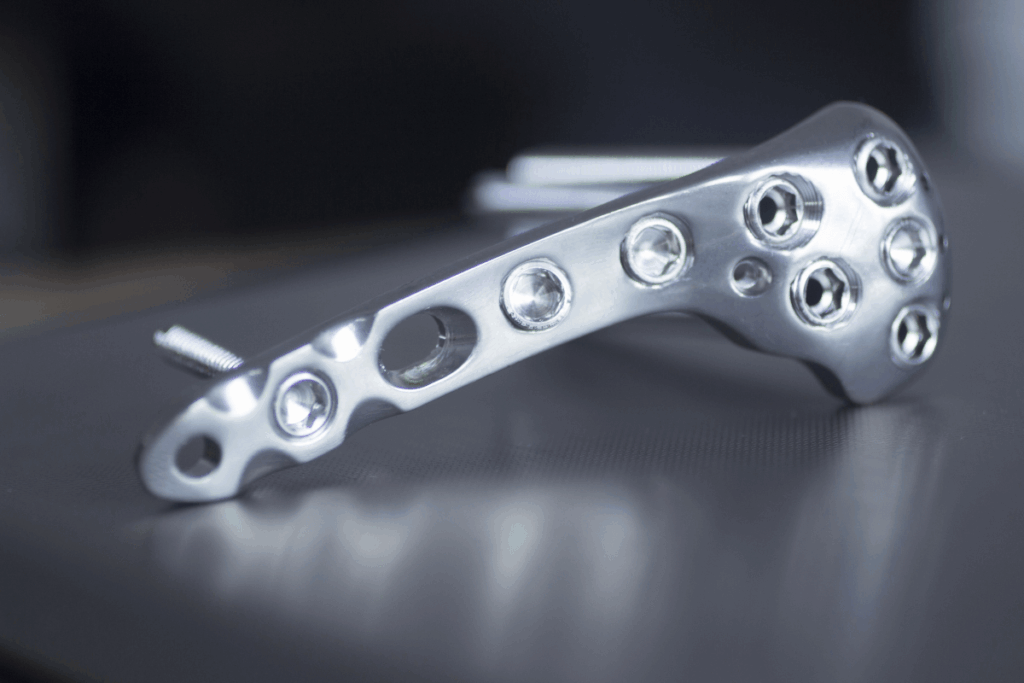
Surgeons initiated testing artificial materials for joint replacement in the early 1900s, and the first successful hip implant surgeries were performed in the early 1960s. Today, implants have evolved into smart devices equipped with microelectronic sensors and data analytics, enabling them to transmit real-time physiological and performance information.
Orthopaedics, dentistry, and other medical specialties now use these technologies to enhance patient care and reduce costs. Smart implants also help manage complications such as post-surgical infections and non-functional devices, which occur in up to 10% of patients. Embedded sensors can identify abnormalities at early stages, potentially eliminating the need to perform painful and expensive revision surgeries. These devices are further enhanced by AI-based data analysis, which allows for personalized treatment, controlled medication release based on physiological changes, remote monitoring, and the collection of information that contributes to the future development of implants.
Smart implant capabilities have also been further expanded by AI-driven analytics. Continuous monitoring combined with advanced algorithms can detect trends that might otherwise go unnoticed, assisting clinical decision-making. Studies suggest that smart implants can improve personalization of treatment, such as releasing medication based on real-time physiological variations, tailoring rehabilitation programs to patient activity patterns, and reinforcing adherence to chronic disease management.
These devices also improve access to care and efficiency. Wireless remote monitoring reduces hospital visits and benefits patients in remote or mobility-restricted environments. Also, long-term performance data collected by smart implants can inform future implant design. Scientists are developing these systems to guide improvements in materials, electronics, and structural engineering. Nevertheless, significant challenges remain.
Implementing smart implants requires substantial infrastructure upgrades, including electronic health record systems capable of managing new data types and larger volumes of information. Patient privacy and data security are critical concerns. As Omid Panahi notes, the evolving regulatory landscape must address issues such as data ownership, algorithmic bias, and liability. Technical challenges include ensuring long-term biocompatibility and designing small, durable sensors resistant to corrosion and biofouling.
Despite these challenges, the applications of smart implants are expanding. According to Dr Amir Alavi, the orthopaedics, cardiac and gastrointestinal monitoring, dentistry, and neuromodulation have shown significant growth. His team has also developed self-powdered metamaterials sensors that transmit structural data without batteries or circuits, a breakthrough he described as innovative.
Another promising development is biodegradable orthopaedic implants, which eliminate the need for secondary surgeries. Smart implants can improve patient outcomes, reduce hospitalization, manage chronic diseases, and lower healthcare costs. As reimbursement for remote monitoring increases and new advances in materials and fabrication continue, the impact of smart implants on patient care is likely to grow rapidly.
Reference: Crawford M. What’s next for smart implants in health care? J Med Internet Res. 2025;27:e87975. doi:10.2196/87975