Several health organizations in the U.S. had taken legal action against the U.S. Environmental Protection Agency (EPA) over concerns that its environmental policies may harm public health. These organizations included the American Lung Association, the American Academy of Paediatrics (AAP), and the American Public Health Association, as well as the Physicians for Social Responsibility.
These organizations are challenging the Environmental Protection Agency’s 2026 decision to roll back stricter limits on mercury and other harmful emissions from power plants. This lawsuit was filed in the U.S. Court of Appeals for the District of Columbia. This was directed by the Southern and Environmental Law Center, which aimed to restore the updated Mercury and Air Toxics Standards that were finalized in 2024.
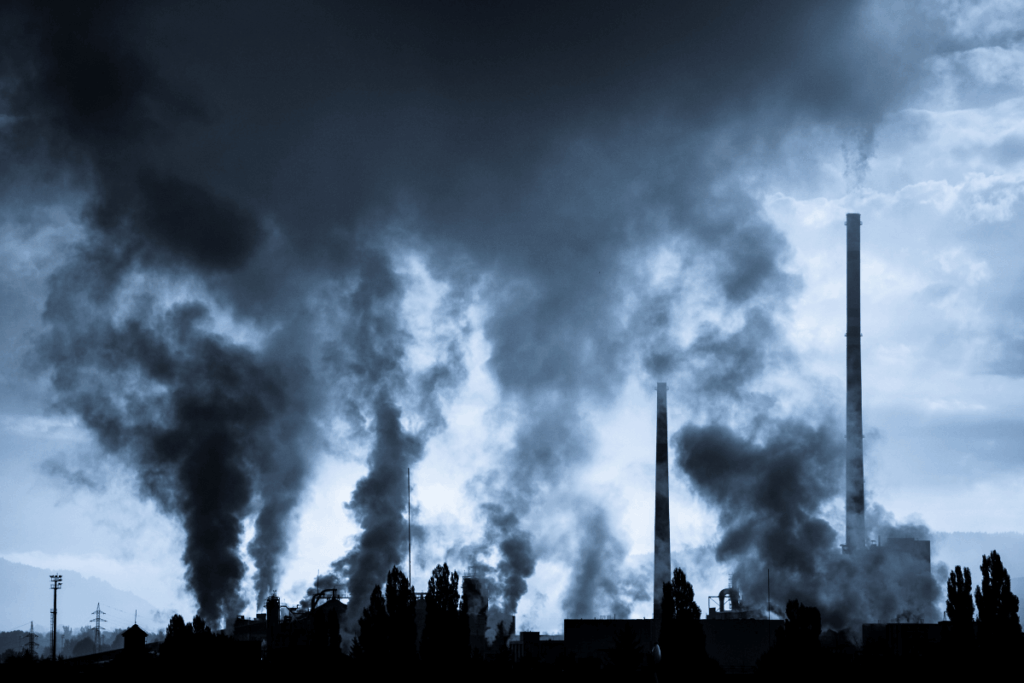
At the core of this legal action is the reversal of pollution regulations that had been widely recognized for their role in significantly cutting down emissions of various toxic air pollutants, including lead, mercury, and arsenic, as well as particulate matter.
Public health advocates reported that these regulations have made a measurable difference, and removing them could undermine the year of progress. The American Lung Association strongly criticized the EPA’s decision, stating that allowing companies to enhance air pollution would harm public health. They warned of serious consequences, including damage to the brain among children, increased asthma attacks, higher cancer rates, and more premature deaths across the U.S.
Harold Wimmer, Head of the American Lung Association, stated that the decision undermines the responsibility of the U.S. EPA for protecting public health and places Americans at unnecessary risk. AAP has also expressed concern regarding the impact of air pollution on children, emphasizing that they are more susceptible to its harmful effects.
Andrew D. Racine, the president of the AAP, warned that weakening the 2024 standards could lead to more cases of brain damage and respiratory conditions such as asthma in children. The organization is urging the court to overturn the EPA’s 2026 rule and reestablish the previous safeguards for protecting the health of children. The organization is urging the court to overturn the EPA’s 2026 rule and reinstate the previous safeguards to protect children’s health.
AAP is pushing for stricter rules to keep them safe. By speaking out, the AAP hopes to increase awareness about the significance of clean air for kids and to encourage the court to make a decision that prioritizes their well-being.
The American Public Health Association highlighted the effectiveness of the Mercury and Air Toxics Standards, noting that they have reduced mercury emissions from the power sector by approximately 90%. Georges C. Benjamin emphasized that these regulations have not only improved air quality but also saved thousands of lives annually. He stressed the importance of maintaining the strengthened 2024 standards to sustain these benefits.
Meanwhile, Physicians for Social Responsibility brought attention to the serious health risks which linked to mercury exposure, especially for fetuses and young children, who are particularly vulnerable to long-term neurological damage. Brian Campbell criticized the rollback, arguing that it prioritizes corporate interests over public health. He emphasized that these emissions are preventable and that the EPA has a responsibility to protect both people and the environment.
The Southern Environmental Law Center, representing the coalition, described the existing rules as a major public health achievement. Deborah Murray warned that weakening these protections could reverse years of environmental and public health progress, particularly in communities that rely on clean air.
All of the organizations agree that rolling back the updated standards could jeopardize decades of progress in environmental protection and public health. Clean air is essential for human well-being and ecological sustainability, and maintaining strong emission standards is critical to preventing disease, protecting vulnerable populations, and preserving improvements in air quality.
The case is now moving through the federal appeals court, where the coalition aims to challenge the EPA’s 2026 rule and seek reinstatement of the stronger Mercury and Air Toxics Standards established in 2024.
Reference: American Lung Association. Leading health organizations sue EPA over action to allow power plants to release more mercury and other toxic pollutants. Published March 28, 2026. Accessed March 31, 2026. Leading health organizations sue EPA over action to allow power plants to release more mercury and other toxic pollutants