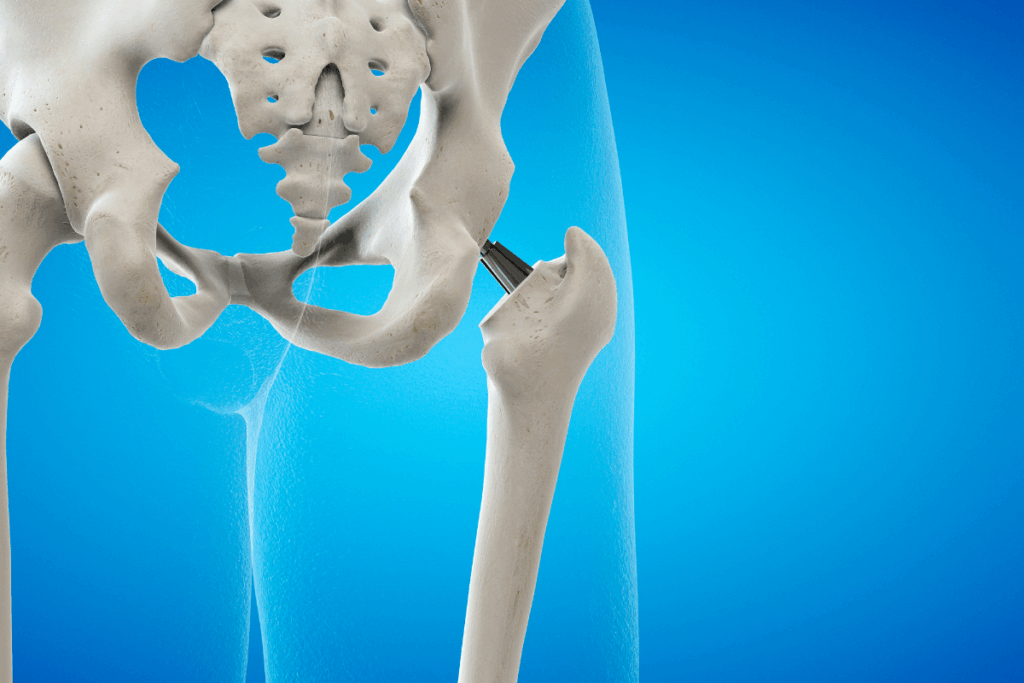
Total hip arthroplasty (THA) provides an excellent long-term outcome for hip osteoarthritis, yet recovery varies widely. Clear guidance on optimal surgical timing is lacking, making it important to detect the preoperative predictors of postoperative outcomes. Patient-reported outcome measures (PROMs) such as the patient acceptable symptom state (PASS) are useful for evaluating the efficacy of treatment. K-means clustering can further stratify patients’ data and refine the assessment of postoperative outcomes. However, its use in determining THA PROMs is limited. No previous studies have examined the relationships between preoperative physical function, such as gait speed, as well as midterm PROMs (Forgotten joint score-12 [FJS-12], Oxford hip score [OHS]), intensity of pain, and symptom duration. These relationships were well analyzed in this study using K-means clustering and PASS among THA patients.
In this single-center retrospective cohort study, 483 patients underwent THA (483 hips) for osteoarthritis from January 2012 to December 2018. Among them, a total of 274 patients (mean age = 65.6±9.8 years, female = 89%, male = 11%, mean body mass index [BMI] = 24.4±3.6 kg/m2) responded to questionnaires, resulting in a 57% response rate and were included in the primary analysis. The mean follow-up period was found to be 6.7±2.2 years. PASS thresholds were more than 42 for OHS (mean = 44.0±5.4) and more than 50 for FJS-12 (mean = 53.8±27.1). In the secondary analysis, K-means clustering classified 230 patients who completed both measures into outcome groups: the excellent outcome group (n = 98) and the control group (n = 132). Preoperative assessments included range of motion, radiographic grading, gait speed, pain, and muscle strength. Receiver operative characteristics (ROC) and multivariable regression analyses were used to identify the predictors of postoperative outcomes through R version 4.0.5.
In the primary analysis, multivariable regression analysis demonstrated that follow-up period (p = 0.013), 10-m free gait speed (p < 0.001), and BMI (p = 0.004) were significant predictors of OHS outcomes, whereas gait speed (p = 0.009) and hip flexion strength (p = 0.044) predicted FJS-12 outcomes. Gait speed was the only factor associated with both PROMs. ROC analysis identified gait speed cutoffs of 1.0 m/s (Area under curve [AUC] = 0.599; p = 0.012) for achieving PASS on FJS-12 and 0.7 m/s for OHS (AUC = 0.688, p < 0.001). Additionally, hip flexion range of motion (p = 0.001), intensity of pain (p = 0.013), age at surgery (p < 0.001), and hip flexion strength (p = 0.002) were significant predictors of preoperative gait speed.
In the secondary analysis, there were no significant differences between groups in preoperative VAS pain (38.4 versus 43.6 mm; p = 0.137) or symptom duration (5.4 versus 6.5 years; p = 0.276). Patients in the excellent outcome group demonstrated significantly faster gait speed (0.98 versus 0.85 m/s; p < 0.001) and higher hip abduction strength (0.55 versus 0.44 Nm/kg; p = 0.038). They were also significantly younger compared to the control group, with a mean age of 64.0±8.8 versus 66.6±9.9 years, and p = 0.038. ROC analysis determined a gait speed cutoff of 1.0 m/s for the excellent outcome group with an AUC of 0.635 and p < 0.001. Regression analysis showed gait speed was the only significant predictor of an excellent outcome group with an odds ratio of 5.85 (95% confidence interval = 1.82 to 20.05) and p = 0.004.
This study was limited by its retrospective design, potential inaccuracies in symptom onset reporting, cane use during gait speed assessment, predominantly female samples, and possible gait effects from coexisting musculoskeletal conditions.
In conclusion, this study highlights that preoperative gait speed strongly predicted the midterm PROMs after THA surgery. A gait speed threshold of 1.0 m/s indicated favorable outcomes. These findings emphasize the importance of preserving lower-limb function to guide surgical timing and improve postoperative recovery.
Reference: Nakao Y, Hamai S, Yamate S, et al. Preoperative gait speed as a predictor of patient-reported outcomes after total hip arthroplasty: insights from patient acceptable symptom state and K-means clustering analyses. J Bone Joint Surg Am. 2025:1-8. doi:10.2106/JBJS.25.00542