Candida albicans is an opportunistic pathogenic fungus (yeast) that can cause infections in various body parts.
Prevalence: C. albicans is the most common Candida species isolated from human infections, accounting for up to 50-70% of Candida infections worldwide.
Risk factors: Individuals with incapacitated immune systems, such as cancer or diabetes, are at a higher risk of developing Candida albicans infections. Other risk factors include broad-spectrum antibiotics, corticosteroids, and invasive medical procedures such as surgery and catheterization.
Infection sites: C. albicans can infect various body parts, including the skin, nails, mouth, throat, esophagus, genitals, and bloodstream. The most common infections include vaginal and oral thrush, candidemia, and invasive candidiasis.
Outbreaks: Candida albicans outbreaks have been reported in healthcare settings, particularly in neonatal intensive care units, surgical wards, and intensive care units. These outbreaks are often associated with invasive medical devices, such as catheters and ventilators.
Geographic distribution: C. albicans infections occur worldwide, but the incidence varies depending on geographic location and population characteristics. Specific populations, such as those in tropical regions, may be at a higher risk of Candida albicans infections due to climate, lifestyle, and environmental conditions.
Kingdom: Fungi
Phylum: Ascomycota
Class: Saccharomycetes
Order: Saccharomycetales
Family: Saccharomycetaceae
Genus:Candida
Species: Candidaalbicans
Structure:
Candida albicans is a unicellular fungus.
Candida albicans cells are oval or elongated in shape and typically range in size from 2-10 µm.
The cell wall of C. albicans comprises several layers, including an outer layer of mannoproteins, a middle layer of β-glucans, and an inner layer of chitin.
The cell membrane of C. albicans contains ergosterol, a target for many antifungal drugs.
Candida albicans has several adhesins on its cell surface that allow it to attach to host tissues and form biofilms, making infections more difficult to treat.
Pseudohyphae and hyphae: C. albicans can form pseudohyphae, chains of elongated yeast cells that remain attached, and hyphae, which are long, filamentous structures that can penetrate and damage host tissues.
Dimorphism: Candida albicans can switch between a yeast form and a filamentous form, depending on the environmental conditions. The cells are spherical or oval in the yeast form, while in the filamentous form, the cells are elongated and form hyphae.
Candida albicans are known to have several antigenic types or serotypes based on the variation of specific surface antigens present in the fungal cell. These antigens include the following:
Mannan antigen: Mannans are complex polysaccharides that form the outermost layer of the Candida albicans cell wall. Mannan antigens are known to be highly immunogenic and are the most studied antigenic type of C. albicans. Several types of mannan antigens, including A, B, and C, differ in their carbohydrate structure.
Protein antigen: Candida albicans produce several cell surface proteins involved in adherence to host tissues and evasion of the host immune system. Some of these proteins, such as the Als (agglutinin-like sequence) proteins, are known to be antigenic and can stimulate an immune response in the host.
Glycoprotein antigen: Candida albicans produce several glycoproteins, such as phospholipomannan, that can act as antigens and stimulate an immune response. These antigens are often associated with the cell wall of C. albicans and can be recognized by the host immune system.
The pathogenesis of Candida albicans involves several virulence factors that allow it to colonize and invade host tissues, it includes the following:
Adhesins: Candida albicans produce several cell surface adhesins that allow it to adhere to host cells and tissues. Adhesins include Als (agglutinin-like sequence) proteins in host cells and Hwp1 (hyphal wall protein 1) in adherence to extracellular matrix components. These adhesins allow C. albicans to attach to host cells, such as epithelial cells in the mouth or vagina, and form biofilms on medical devices, such as catheters.
Immune evasion: Candida albicans can evade the host immune system by producing several factors that interfere with immune cell function. For example, C. albicans can produce an enzyme called secreted aspartyl protease (SAP), which cleaves and inactivate host immune molecules such as immunoglobulins and complement components. Candida albicans can also produce biofilms resistant to phagocytosis by immune cells.
Secretion of hydrolytic enzymes: Candida albicans produce several secreted enzymes that can degrade host tissues, such as proteases, phospholipases, and lipases. These enzymes can break down host cell membranes and extracellular matrix components, allowing C. albicans to invade host tissues.
Candida albicans can cause host cell damage through several mechanisms, such as the production of toxins and the induction of host cell death pathways. For example, C. albicans produce a toxin called candida lysin, which can cause host cell damage and inflammation.
Epithelial barrier: Epithelial cells form a physical barrier that can prevent Candida albicans from penetrating deeper into tissues. Epithelial cells can also secrete cytokines and chemokines that can recruit immune cells to the site of infection.
Innate immune cells like macrophages, neutrophils, and dendritic cells recognize and respond to Candida albicans through pattern recognition receptors that recognize pathogen-linked molecular patterns on the fungal cell surface. It triggers the release of cytokines and chemokines, which recruit other immune cells to the site of infection and activate antimicrobial functions such as phagocytosis, reactive oxygen species production, and the release of antimicrobial peptides.
The adaptive immune response to C. albicans involves activating T and B cells. T cells can differentiate into T helper (Th) cells, producing cytokines that activate other immune cells and promote antibody production by B cells. B cells produce antibodies, which can recognize and neutralize C. albicans cells and promote phagocytosis by immune cells.
Mucosal immunity: Mucosal surfaces, such as the gastrointestinal and genitourinary tracts, are important sites of Candida albicans colonization and infection. Mucosal immunity involves specialized immune cells and secreted factors that recognize and respond to C. albicans at these sites.
The complement system: It is a complex of proteins that recognize and bind to C. albicans cells, forming membrane attack complexes that lyse the fungal cells.
Antimicrobial peptides, such as defensins and cathelicidins, are small peptides that can directly kill Candida albicans cells by disrupting their membranes.
The typical clinical manifestations of Candida albicans infection include:
Oropharyngeal candidiasis: This common infection occurs in the mouth and throat. It can cause white or yellow patches on the tongue, the mouth palate, and the inside of the cheeks, which can be painful and cause difficulty swallowing.
Genital candidiasis: This is also a common infection in the genital area, especially in women. It can cause itching, burning, and redness in the vagina and vulva, as well as thick, white vaginal discharge.
Cutaneous candidiasis: This is a skin infection that can occur in moist, warm areas of the body, such as the armpits, groin, and between the toes. It can cause an itchy and scaly skin rash.
Invasive candidiasis: This is a severe infection that occurs when Candida albicans enter the bloodstream and spreads to other organs, such as the kidneys, liver, and brain. It can cause fever, low blood pressure, and organ dysfunction.
Mucosal candidiasis: Candida albicans can also cause severe mucosal infections, including esophagitis, tracheobronchitis, and vulvovaginitis. These infections can cause severe pain, difficulty swallowing, and difficulty breathing.
Systemic candidiasis: This is a rare but severe infection in patients with weakened immune systems, such as HIV/AIDS or cancer. It can cause fever, chills, weight loss, and organ dysfunction.
Chronic mucocutaneous candidiasis (CMC): It is a rare genetic disorder resulting in recurrent or persistent skin, nails, and mucous membranes infections caused by C. albicans. It is mainly seen in patients with defects in the immune system.
Candida endophthalmitis: A rare but serious infection caused by Candida albicans that affects the eyes. It can cause severe vision loss and blindness if left untreated.
Several tests can be used to diagnose Candida albicans infections:
Culture method involves taking a sample of infected tissue or bodily fluids and growing it on a culture medium. The C. albicans colonies are then identified by their characteristic appearance and confirmed by additional tests.
Microscopy: A potassium hydroxide (KOH) preparation of skin or mucous membrane scrapings can be examined under a microscope to detect the residence of Candida albicans.
Serology: Blood tests can be performed to measure the levels of antibodies against C. albicans. These tests help diagnose chronic or systemic infections.
Antigen tests: Antigen tests can detect the presence of Candida albicans antigens in blood or urine samples. These tests are commonly used to diagnose invasive candidiasis.
Polymerase chain reaction (PCR): PCR is a molecular technique that detects the genetic material of Candida albicans in clinical samples. It is a sensitive and specific method that can be used to diagnose infections in tissue and bodily fluids.
The choice of the test depends on the type and location of the infection. A combination of tests may be needed to confirm the diagnosis of Candida albicans infections.
Good hygiene: Keeping the skin clean and dry can help prevent candidiasis of the skin and nails. Proper hygiene is also essential for preventing vaginal and oral thrush.
Avoiding excessive use of antibiotics: Antibiotics can upset the unrefined balance of microorganisms in the body, leading to the overgrowth of C. albicans. It is suggested to take antibiotics only when necessary and as prescribed.
Managing underlying medical conditions: People with low immune systems, HIV/AIDS, or undergoing chemotherapy are at a higher risk of developing candidiasis. It is crucial to manage these conditions to reduce the risk of Candida albicans infections.
Avoid tight-fitting clothing: Wearing tight-fitting clothing, especially in warm and humid environments, can create a breeding ground for Candida albicans.
Avoiding unnecessary use of corticosteroids: Prolonged use of corticosteroids can suppress the immune system and increase the risk of candidiasis.
Probiotics, such as Lactobacillus, can help restore the natural microflora in the body and prevent the overgrowth of Candida albicans.
Early treatment of candidiasis can prevent the infection from becoming severe or spreading to other parts of the body.
Candida albicans is an opportunistic pathogenic fungus (yeast) that can cause infections in various body parts.
Prevalence: C. albicans is the most common Candida species isolated from human infections, accounting for up to 50-70% of Candida infections worldwide.
Risk factors: Individuals with incapacitated immune systems, such as cancer or diabetes, are at a higher risk of developing Candida albicans infections. Other risk factors include broad-spectrum antibiotics, corticosteroids, and invasive medical procedures such as surgery and catheterization.
Infection sites: C. albicans can infect various body parts, including the skin, nails, mouth, throat, esophagus, genitals, and bloodstream. The most common infections include vaginal and oral thrush, candidemia, and invasive candidiasis.
Outbreaks: Candida albicans outbreaks have been reported in healthcare settings, particularly in neonatal intensive care units, surgical wards, and intensive care units. These outbreaks are often associated with invasive medical devices, such as catheters and ventilators.
Geographic distribution: C. albicans infections occur worldwide, but the incidence varies depending on geographic location and population characteristics. Specific populations, such as those in tropical regions, may be at a higher risk of Candida albicans infections due to climate, lifestyle, and environmental conditions.
Kingdom: Fungi
Phylum: Ascomycota
Class: Saccharomycetes
Order: Saccharomycetales
Family: Saccharomycetaceae
Genus:Candida
Species: Candidaalbicans
Structure:
Candida albicans is a unicellular fungus.
Candida albicans cells are oval or elongated in shape and typically range in size from 2-10 µm.
The cell wall of C. albicans comprises several layers, including an outer layer of mannoproteins, a middle layer of β-glucans, and an inner layer of chitin.
The cell membrane of C. albicans contains ergosterol, a target for many antifungal drugs.
Candida albicans has several adhesins on its cell surface that allow it to attach to host tissues and form biofilms, making infections more difficult to treat.
Pseudohyphae and hyphae: C. albicans can form pseudohyphae, chains of elongated yeast cells that remain attached, and hyphae, which are long, filamentous structures that can penetrate and damage host tissues.
Dimorphism: Candida albicans can switch between a yeast form and a filamentous form, depending on the environmental conditions. The cells are spherical or oval in the yeast form, while in the filamentous form, the cells are elongated and form hyphae.
Candida albicans are known to have several antigenic types or serotypes based on the variation of specific surface antigens present in the fungal cell. These antigens include the following:
Mannan antigen: Mannans are complex polysaccharides that form the outermost layer of the Candida albicans cell wall. Mannan antigens are known to be highly immunogenic and are the most studied antigenic type of C. albicans. Several types of mannan antigens, including A, B, and C, differ in their carbohydrate structure.
Protein antigen: Candida albicans produce several cell surface proteins involved in adherence to host tissues and evasion of the host immune system. Some of these proteins, such as the Als (agglutinin-like sequence) proteins, are known to be antigenic and can stimulate an immune response in the host.
Glycoprotein antigen: Candida albicans produce several glycoproteins, such as phospholipomannan, that can act as antigens and stimulate an immune response. These antigens are often associated with the cell wall of C. albicans and can be recognized by the host immune system.
The pathogenesis of Candida albicans involves several virulence factors that allow it to colonize and invade host tissues, it includes the following:
Adhesins: Candida albicans produce several cell surface adhesins that allow it to adhere to host cells and tissues. Adhesins include Als (agglutinin-like sequence) proteins in host cells and Hwp1 (hyphal wall protein 1) in adherence to extracellular matrix components. These adhesins allow C. albicans to attach to host cells, such as epithelial cells in the mouth or vagina, and form biofilms on medical devices, such as catheters.
Immune evasion: Candida albicans can evade the host immune system by producing several factors that interfere with immune cell function. For example, C. albicans can produce an enzyme called secreted aspartyl protease (SAP), which cleaves and inactivate host immune molecules such as immunoglobulins and complement components. Candida albicans can also produce biofilms resistant to phagocytosis by immune cells.
Secretion of hydrolytic enzymes: Candida albicans produce several secreted enzymes that can degrade host tissues, such as proteases, phospholipases, and lipases. These enzymes can break down host cell membranes and extracellular matrix components, allowing C. albicans to invade host tissues.
Candida albicans can cause host cell damage through several mechanisms, such as the production of toxins and the induction of host cell death pathways. For example, C. albicans produce a toxin called candida lysin, which can cause host cell damage and inflammation.
Epithelial barrier: Epithelial cells form a physical barrier that can prevent Candida albicans from penetrating deeper into tissues. Epithelial cells can also secrete cytokines and chemokines that can recruit immune cells to the site of infection.
Innate immune cells like macrophages, neutrophils, and dendritic cells recognize and respond to Candida albicans through pattern recognition receptors that recognize pathogen-linked molecular patterns on the fungal cell surface. It triggers the release of cytokines and chemokines, which recruit other immune cells to the site of infection and activate antimicrobial functions such as phagocytosis, reactive oxygen species production, and the release of antimicrobial peptides.
The adaptive immune response to C. albicans involves activating T and B cells. T cells can differentiate into T helper (Th) cells, producing cytokines that activate other immune cells and promote antibody production by B cells. B cells produce antibodies, which can recognize and neutralize C. albicans cells and promote phagocytosis by immune cells.
Mucosal immunity: Mucosal surfaces, such as the gastrointestinal and genitourinary tracts, are important sites of Candida albicans colonization and infection. Mucosal immunity involves specialized immune cells and secreted factors that recognize and respond to C. albicans at these sites.
The complement system: It is a complex of proteins that recognize and bind to C. albicans cells, forming membrane attack complexes that lyse the fungal cells.
Antimicrobial peptides, such as defensins and cathelicidins, are small peptides that can directly kill Candida albicans cells by disrupting their membranes.
The typical clinical manifestations of Candida albicans infection include:
Oropharyngeal candidiasis: This common infection occurs in the mouth and throat. It can cause white or yellow patches on the tongue, the mouth palate, and the inside of the cheeks, which can be painful and cause difficulty swallowing.
Genital candidiasis: This is also a common infection in the genital area, especially in women. It can cause itching, burning, and redness in the vagina and vulva, as well as thick, white vaginal discharge.
Cutaneous candidiasis: This is a skin infection that can occur in moist, warm areas of the body, such as the armpits, groin, and between the toes. It can cause an itchy and scaly skin rash.
Invasive candidiasis: This is a severe infection that occurs when Candida albicans enter the bloodstream and spreads to other organs, such as the kidneys, liver, and brain. It can cause fever, low blood pressure, and organ dysfunction.
Mucosal candidiasis: Candida albicans can also cause severe mucosal infections, including esophagitis, tracheobronchitis, and vulvovaginitis. These infections can cause severe pain, difficulty swallowing, and difficulty breathing.
Systemic candidiasis: This is a rare but severe infection in patients with weakened immune systems, such as HIV/AIDS or cancer. It can cause fever, chills, weight loss, and organ dysfunction.
Chronic mucocutaneous candidiasis (CMC): It is a rare genetic disorder resulting in recurrent or persistent skin, nails, and mucous membranes infections caused by C. albicans. It is mainly seen in patients with defects in the immune system.
Candida endophthalmitis: A rare but serious infection caused by Candida albicans that affects the eyes. It can cause severe vision loss and blindness if left untreated.
Several tests can be used to diagnose Candida albicans infections:
Culture method involves taking a sample of infected tissue or bodily fluids and growing it on a culture medium. The C. albicans colonies are then identified by their characteristic appearance and confirmed by additional tests.
Microscopy: A potassium hydroxide (KOH) preparation of skin or mucous membrane scrapings can be examined under a microscope to detect the residence of Candida albicans.
Serology: Blood tests can be performed to measure the levels of antibodies against C. albicans. These tests help diagnose chronic or systemic infections.
Antigen tests: Antigen tests can detect the presence of Candida albicans antigens in blood or urine samples. These tests are commonly used to diagnose invasive candidiasis.
Polymerase chain reaction (PCR): PCR is a molecular technique that detects the genetic material of Candida albicans in clinical samples. It is a sensitive and specific method that can be used to diagnose infections in tissue and bodily fluids.
The choice of the test depends on the type and location of the infection. A combination of tests may be needed to confirm the diagnosis of Candida albicans infections.
Good hygiene: Keeping the skin clean and dry can help prevent candidiasis of the skin and nails. Proper hygiene is also essential for preventing vaginal and oral thrush.
Avoiding excessive use of antibiotics: Antibiotics can upset the unrefined balance of microorganisms in the body, leading to the overgrowth of C. albicans. It is suggested to take antibiotics only when necessary and as prescribed.
Managing underlying medical conditions: People with low immune systems, HIV/AIDS, or undergoing chemotherapy are at a higher risk of developing candidiasis. It is crucial to manage these conditions to reduce the risk of Candida albicans infections.
Avoid tight-fitting clothing: Wearing tight-fitting clothing, especially in warm and humid environments, can create a breeding ground for Candida albicans.
Avoiding unnecessary use of corticosteroids: Prolonged use of corticosteroids can suppress the immune system and increase the risk of candidiasis.
Probiotics, such as Lactobacillus, can help restore the natural microflora in the body and prevent the overgrowth of Candida albicans.
Early treatment of candidiasis can prevent the infection from becoming severe or spreading to other parts of the body.
Candida albicans is an opportunistic pathogenic fungus (yeast) that can cause infections in various body parts.
Prevalence: C. albicans is the most common Candida species isolated from human infections, accounting for up to 50-70% of Candida infections worldwide.
Risk factors: Individuals with incapacitated immune systems, such as cancer or diabetes, are at a higher risk of developing Candida albicans infections. Other risk factors include broad-spectrum antibiotics, corticosteroids, and invasive medical procedures such as surgery and catheterization.
Infection sites: C. albicans can infect various body parts, including the skin, nails, mouth, throat, esophagus, genitals, and bloodstream. The most common infections include vaginal and oral thrush, candidemia, and invasive candidiasis.
Outbreaks: Candida albicans outbreaks have been reported in healthcare settings, particularly in neonatal intensive care units, surgical wards, and intensive care units. These outbreaks are often associated with invasive medical devices, such as catheters and ventilators.
Geographic distribution: C. albicans infections occur worldwide, but the incidence varies depending on geographic location and population characteristics. Specific populations, such as those in tropical regions, may be at a higher risk of Candida albicans infections due to climate, lifestyle, and environmental conditions.
Kingdom: Fungi
Phylum: Ascomycota
Class: Saccharomycetes
Order: Saccharomycetales
Family: Saccharomycetaceae
Genus:Candida
Species: Candidaalbicans
Structure:
Candida albicans is a unicellular fungus.
Candida albicans cells are oval or elongated in shape and typically range in size from 2-10 µm.
The cell wall of C. albicans comprises several layers, including an outer layer of mannoproteins, a middle layer of β-glucans, and an inner layer of chitin.
The cell membrane of C. albicans contains ergosterol, a target for many antifungal drugs.
Candida albicans has several adhesins on its cell surface that allow it to attach to host tissues and form biofilms, making infections more difficult to treat.
Pseudohyphae and hyphae: C. albicans can form pseudohyphae, chains of elongated yeast cells that remain attached, and hyphae, which are long, filamentous structures that can penetrate and damage host tissues.
Dimorphism: Candida albicans can switch between a yeast form and a filamentous form, depending on the environmental conditions. The cells are spherical or oval in the yeast form, while in the filamentous form, the cells are elongated and form hyphae.
Candida albicans are known to have several antigenic types or serotypes based on the variation of specific surface antigens present in the fungal cell. These antigens include the following:
Mannan antigen: Mannans are complex polysaccharides that form the outermost layer of the Candida albicans cell wall. Mannan antigens are known to be highly immunogenic and are the most studied antigenic type of C. albicans. Several types of mannan antigens, including A, B, and C, differ in their carbohydrate structure.
Protein antigen: Candida albicans produce several cell surface proteins involved in adherence to host tissues and evasion of the host immune system. Some of these proteins, such as the Als (agglutinin-like sequence) proteins, are known to be antigenic and can stimulate an immune response in the host.
Glycoprotein antigen: Candida albicans produce several glycoproteins, such as phospholipomannan, that can act as antigens and stimulate an immune response. These antigens are often associated with the cell wall of C. albicans and can be recognized by the host immune system.
The pathogenesis of Candida albicans involves several virulence factors that allow it to colonize and invade host tissues, it includes the following:
Adhesins: Candida albicans produce several cell surface adhesins that allow it to adhere to host cells and tissues. Adhesins include Als (agglutinin-like sequence) proteins in host cells and Hwp1 (hyphal wall protein 1) in adherence to extracellular matrix components. These adhesins allow C. albicans to attach to host cells, such as epithelial cells in the mouth or vagina, and form biofilms on medical devices, such as catheters.
Immune evasion: Candida albicans can evade the host immune system by producing several factors that interfere with immune cell function. For example, C. albicans can produce an enzyme called secreted aspartyl protease (SAP), which cleaves and inactivate host immune molecules such as immunoglobulins and complement components. Candida albicans can also produce biofilms resistant to phagocytosis by immune cells.
Secretion of hydrolytic enzymes: Candida albicans produce several secreted enzymes that can degrade host tissues, such as proteases, phospholipases, and lipases. These enzymes can break down host cell membranes and extracellular matrix components, allowing C. albicans to invade host tissues.
Candida albicans can cause host cell damage through several mechanisms, such as the production of toxins and the induction of host cell death pathways. For example, C. albicans produce a toxin called candida lysin, which can cause host cell damage and inflammation.
Epithelial barrier: Epithelial cells form a physical barrier that can prevent Candida albicans from penetrating deeper into tissues. Epithelial cells can also secrete cytokines and chemokines that can recruit immune cells to the site of infection.
Innate immune cells like macrophages, neutrophils, and dendritic cells recognize and respond to Candida albicans through pattern recognition receptors that recognize pathogen-linked molecular patterns on the fungal cell surface. It triggers the release of cytokines and chemokines, which recruit other immune cells to the site of infection and activate antimicrobial functions such as phagocytosis, reactive oxygen species production, and the release of antimicrobial peptides.
The adaptive immune response to C. albicans involves activating T and B cells. T cells can differentiate into T helper (Th) cells, producing cytokines that activate other immune cells and promote antibody production by B cells. B cells produce antibodies, which can recognize and neutralize C. albicans cells and promote phagocytosis by immune cells.
Mucosal immunity: Mucosal surfaces, such as the gastrointestinal and genitourinary tracts, are important sites of Candida albicans colonization and infection. Mucosal immunity involves specialized immune cells and secreted factors that recognize and respond to C. albicans at these sites.
The complement system: It is a complex of proteins that recognize and bind to C. albicans cells, forming membrane attack complexes that lyse the fungal cells.
Antimicrobial peptides, such as defensins and cathelicidins, are small peptides that can directly kill Candida albicans cells by disrupting their membranes.
The typical clinical manifestations of Candida albicans infection include:
Oropharyngeal candidiasis: This common infection occurs in the mouth and throat. It can cause white or yellow patches on the tongue, the mouth palate, and the inside of the cheeks, which can be painful and cause difficulty swallowing.
Genital candidiasis: This is also a common infection in the genital area, especially in women. It can cause itching, burning, and redness in the vagina and vulva, as well as thick, white vaginal discharge.
Cutaneous candidiasis: This is a skin infection that can occur in moist, warm areas of the body, such as the armpits, groin, and between the toes. It can cause an itchy and scaly skin rash.
Invasive candidiasis: This is a severe infection that occurs when Candida albicans enter the bloodstream and spreads to other organs, such as the kidneys, liver, and brain. It can cause fever, low blood pressure, and organ dysfunction.
Mucosal candidiasis: Candida albicans can also cause severe mucosal infections, including esophagitis, tracheobronchitis, and vulvovaginitis. These infections can cause severe pain, difficulty swallowing, and difficulty breathing.
Systemic candidiasis: This is a rare but severe infection in patients with weakened immune systems, such as HIV/AIDS or cancer. It can cause fever, chills, weight loss, and organ dysfunction.
Chronic mucocutaneous candidiasis (CMC): It is a rare genetic disorder resulting in recurrent or persistent skin, nails, and mucous membranes infections caused by C. albicans. It is mainly seen in patients with defects in the immune system.
Candida endophthalmitis: A rare but serious infection caused by Candida albicans that affects the eyes. It can cause severe vision loss and blindness if left untreated.
Several tests can be used to diagnose Candida albicans infections:
Culture method involves taking a sample of infected tissue or bodily fluids and growing it on a culture medium. The C. albicans colonies are then identified by their characteristic appearance and confirmed by additional tests.
Microscopy: A potassium hydroxide (KOH) preparation of skin or mucous membrane scrapings can be examined under a microscope to detect the residence of Candida albicans.
Serology: Blood tests can be performed to measure the levels of antibodies against C. albicans. These tests help diagnose chronic or systemic infections.
Antigen tests: Antigen tests can detect the presence of Candida albicans antigens in blood or urine samples. These tests are commonly used to diagnose invasive candidiasis.
Polymerase chain reaction (PCR): PCR is a molecular technique that detects the genetic material of Candida albicans in clinical samples. It is a sensitive and specific method that can be used to diagnose infections in tissue and bodily fluids.
The choice of the test depends on the type and location of the infection. A combination of tests may be needed to confirm the diagnosis of Candida albicans infections.
Good hygiene: Keeping the skin clean and dry can help prevent candidiasis of the skin and nails. Proper hygiene is also essential for preventing vaginal and oral thrush.
Avoiding excessive use of antibiotics: Antibiotics can upset the unrefined balance of microorganisms in the body, leading to the overgrowth of C. albicans. It is suggested to take antibiotics only when necessary and as prescribed.
Managing underlying medical conditions: People with low immune systems, HIV/AIDS, or undergoing chemotherapy are at a higher risk of developing candidiasis. It is crucial to manage these conditions to reduce the risk of Candida albicans infections.
Avoid tight-fitting clothing: Wearing tight-fitting clothing, especially in warm and humid environments, can create a breeding ground for Candida albicans.
Avoiding unnecessary use of corticosteroids: Prolonged use of corticosteroids can suppress the immune system and increase the risk of candidiasis.
Probiotics, such as Lactobacillus, can help restore the natural microflora in the body and prevent the overgrowth of Candida albicans.
Early treatment of candidiasis can prevent the infection from becoming severe or spreading to other parts of the body.
Both our subscription plans include Free CME/CPD AMA PRA Category 1 credits.
Digital Certificate PDF
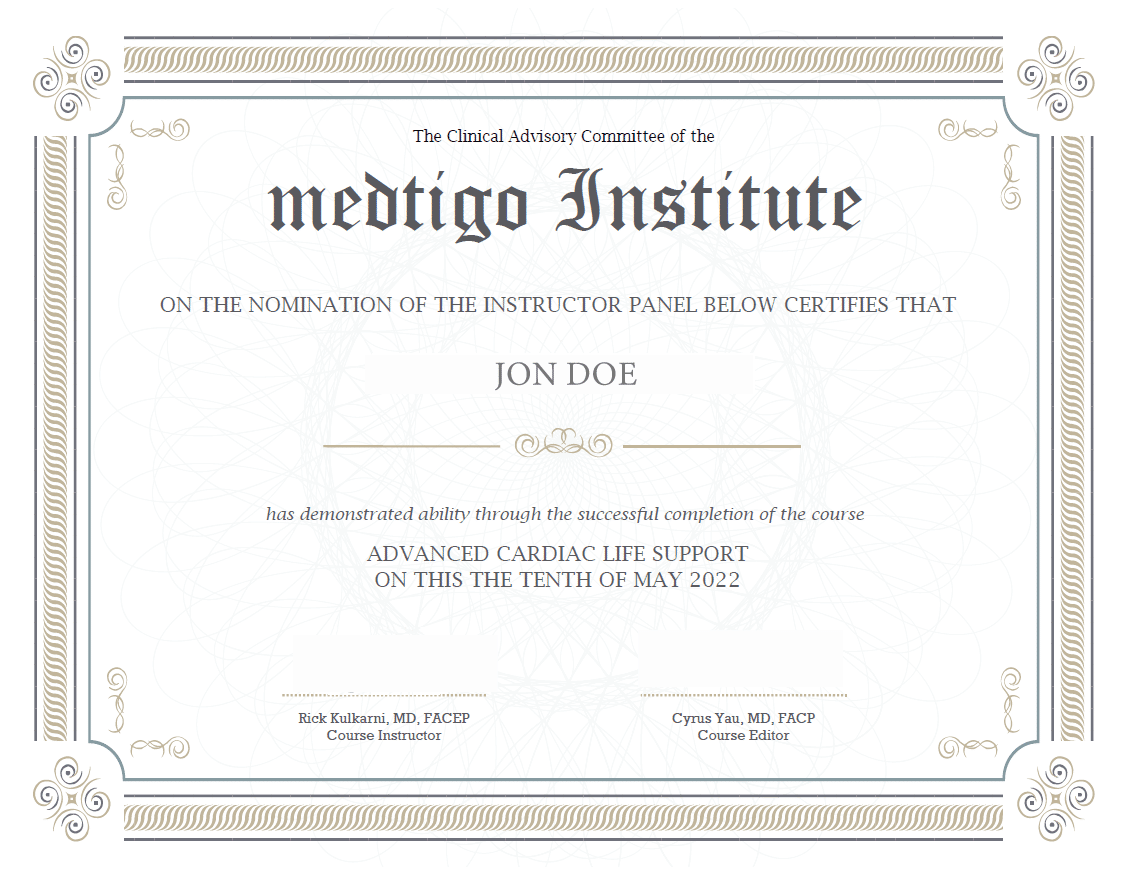
On course completion, you will receive a full-sized presentation quality digital certificate.
medtigo Simulation
A dynamic medical simulation platform designed to train healthcare professionals and students to effectively run code situations through an immersive hands-on experience in a live, interactive 3D environment.
medtigo Points
medtigo points is our unique point redemption system created to award users for interacting on our site. These points can be redeemed for special discounts on the medtigo marketplace as well as towards the membership cost itself.
Community Forum post/reply = 5 points
*Redemption of points can occur only through the medtigo marketplace, courses, or simulation system. Money will not be credited to your bank account. 10 points = $1.
All Your Certificates in One Place
When you have your licenses, certificates and CMEs in one place, it's easier to track your career growth. You can easily share these with hospitals as well, using your medtigo app.