SARS-CoV-2 is a novel coronavirus that first emerged in Wuhan, China, in late 2019 and quickly spread to become a global pandemic. Epidemiology studies the distribution and determinants of health-related events and diseases, including their patterns and causes in populations. In the case of SARS-CoV-2, epidemiology has been crucial in understanding the spread and impact of the virus on communities.
Epidemiological studies have shown that SARS-CoV-2 primarily spreads through respiratory droplets when an infected person talks, coughs, or sneezes. The virus can also be spread by touching a surface contaminated with the virus and then touching one’s face, although this is considered a less common transmission mode.
The incubation period for SARS-CoV-2 is typically 5-7 days, although it can range from 2-14 days. The virus can be transmitted by asymptomatic or pre-symptomatic individuals, making it difficult to contain the spread of the virus.
Epidemiological studies have also identified factors that increase the risk of severe disease and death from SARS-CoV-2, including older age, male sex, and underlying health conditions such as diabetes, obesity, and cardiovascular disease.
Structure and Classification
SARS-CoV-2, the virus responsible for COVID-19, is an enveloped, single-stranded RNA virus with a characteristic crown-like appearance under electron microscopy. The virus is approximately 60-140 nanometers in diameter and has a genome size of approximately 30 kilobases.
The virus consists of several structural components, including:
Spike (S) protein: The S protein is a glycoprotein that protrudes from the viral envelope and mediates viral attachment to host cells by binding to the ACE2 receptor. It is also the target of many vaccines and therapeutic antibodies.
Envelope (E) protein: The E protein is a small transmembrane protein that plays a role in virus assembly and release.
Membrane (M) protein: The M protein is a transmembrane protein responsible for maintaining the shape of the viral envelope.
Nucleocapsid (N) protein: The N protein binds to the viral RNA genome to form the nucleocapsid, which is the virus’s core.
The viral RNA genome encodes several non-structural proteins (NSPs) that play essential roles in viral replication, including RNA-dependent RNA polymerase, helicase, and proteases.
SARS-CoV-2 is a virus belonging to Coronaviridae, subfamily Orthocoronavirinae, and the genus Betacoronavirus. It is closely related to the SARS-CoV virus that caused the severe acute respiratory syndrome (SARS) outbreak in 2002-2004.
SARS-CoV-2 is classified as a positive-sense RNA virus because host cell ribosomes can directly translate its genome into proteins. The virus has a genome size of approximately 30 kilobases and encodes for several structural and non-structural proteins that are essential for viral replication and infection.
Antigenic Types
It has several antigenic types, meaning the virus can mutate and change its surface proteins, allowing it to evade the immune system and potentially cause reinfections. The major antigenic types of the SARS-CoV-2 virus identified so far are:
Alpha variant (B.1.1.7): first identified in the UK, this variant is highly transmissible and has mutations in the spike protein that make it easier to infect human cells.
Beta variant (B.1.351): first identified in South Africa, this variant has mutations in the spike protein that may reduce the effectiveness of some COVID-19 vaccines.
Gamma variant (P.1): first identified in Brazil, this variant has mutations in the spike protein that may make it more transmissible and may also reduce the effectiveness of some COVID-19 vaccines.
Delta variant (B.1.617.2): first identified in India, this variant is highly transmissible and has mutations in the spike protein that may make it more resistant to some COVID-19 treatments and vaccines.
Omicron variant (B.1.1.529): first identified in South Africa, this variant has many mutations, including in the spike protein, and is being closely monitored for its potential to evade the immune system and cause reinfections.
The pathogenesis of the virus involves several stages critical for its replication and spread in the human body. Here is a brief overview of the pathogenesis of SARS-CoV-2:
Entry: The virus enters the human body through the respiratory tract via droplets from an infected person’s cough or sneeze. The virus can also enter through contact with contaminated surfaces or objects.
Attachment: Once inside the body, the virus attaches to the angiotensin-converting enzyme 2 (ACE2) receptor on the surface of host cells, primarily in the lungs.
Invasion: The virus then invades the host cell, releasing its RNA genome into the cell.
Replication: The virus hijacks the host cell’s machinery to replicate its genome and produce new virus particles.
Immune response: The infected host cell triggers an immune response, causing inflammation and the recruitment of immune cells to the site of infection.
Tissue damage: The immune response can cause tissue damage, particularly in the lungs, leading to cough, shortness of breath, and pneumonia.
Transmission: The virus can be transmitted to other individuals through respiratory droplets or contact with contaminated surfaces or objects.
The host defense mechanisms against SARS-CoV-2 include both innate and adaptive immunity. Here are some of the host defenses that protect against SARS-CoV-2 infection:
Innate Immune Response: The innate immune system provides the first defense against SARS-CoV-2 infection. It includes physical barriers, such as the skin and mucous membranes, immune cells, natural killer cells, dendritic cells, and macrophages. These cells can recognize and eliminate the virus and produce cytokines that recruit other immune cells to the site of infection.
Adaptive Immune Response: The adaptive immune system responds more specifically to SARS-CoV-2 infection. It involves activating T and B cells, which can recognize and target specific virus components, such as the spike protein. B cells can produce antibodies that bind to the virus and prevent it from infecting cells, while T cells can directly kill infected cells and help to coordinate the immune response.
Neutralizing Antibodies: Neutralizing antibodies are a type of antibody that can bind to the virus and prevent it from infecting cells. They are produced by B cells and are a critical component of the adaptive immune response to SARS-CoV-2. Recent studies have shown that vaccination with mRNA vaccines can induce high levels of neutralizing antibodies.
Immune Memory Response: Following infection with SARS-CoV-2 or vaccination, the immune system can develop a memory response. If the person is re-infected with the virus, the immune system can mount a faster and more effective response, potentially preventing severe disease.
The virus can cause a wide range of clinical manifestations, varying from person to person and ranging from mild to severe. Some common clinical manifestations of the SARS-CoV-2 virus include:
Fever: Fever is a common symptom of COVID-19, ranging from low-grade to high-grade.
Cough: Dry cough is another common symptom of COVID-19, which can be persistent and last several weeks.
Shortness of breath: this is a severe symptom of COVID-19 and can be a sign of severe illness.
Fatigue: Many people infected with COVID-19 experience fatigue, which can be severe and can last for several weeks.
Muscle and body aches: Muscle and body aches are common symptoms of COVID-19 and can be severe in some cases.
Loss of taste or smell: Many people infected with COVID-19 experience a loss of taste or smell, lasting several weeks.
Sore throat: Sore throat is a common symptom of COVID-19, which can be mild to severe.
Headache: Headache is a common symptom of COVID-19 and can be severe in some cases.
Diarrhea: Some people infected with COVID-19 experience diarrhea, which can be mild to severe.
Diagnosis
SARS-CoV-2 causes COVID-19, which can be done through different methods. The most common diagnostic test is a polymerase chain reaction (PCR) test, which detects the virus’s genetic material (RNA) in a patient’s respiratory tract sample. The sample can be collected from the nose, throat, or lower respiratory tract.
Another type of diagnostic test is a rapid antigen test, which detects specific viral proteins in respiratory specimens. This type of test can produce results in a shorter time than PCR tests, but they may need to be more accurate, particularly in detecting asymptomatic or mild cases of COVID-19.
Serological tests can also diagnose SARS-CoV-2, but these tests are not used to diagnose active infections. Instead, they detect the presence of antibodies in a person’s blood, indicating that they have been previously infected with the virus.
Control
SARS-CoV-2 is the virus that causes COVID-19, a highly contagious respiratory illness that has caused a global pandemic. While there is no cure for COVID-19, there are several ways to control the spread of the virus:
Vaccination: Vaccines have been developed and authorized for emergency use in many countries. Vaccines effectively prevent severe illness, hospitalization, and death from COVID-19. Getting vaccinated as soon as possible is essential to protect yourself and others.
Physical distancing: Staying at least 6 feet away from others can help prevent the spread of the virus. Avoid large gatherings, especially indoors, and limit non-essential travel.
Wearing masks: Masks can help prevent the spread of the virus, incredibly when physical distancing is challenging to maintain. It is essential to wear a mask that covers your nose and mouth in public settings, on public transportation, and around others who do not live in your household.
Hand hygiene: Washing your hands frequently with soap and water for at least 20 seconds can help prevent the spread of the virus. Utilize a hand cleaner with at least 60% alcohol.
Ventilation: Good ventilation can help reduce the concentration of virus particles in the air. Open windows and doors, use fans and maintain air conditioning systems.
Testing and tracing: Testing can identify people infected with the virus, even if they do not have symptoms. Tracing can help identify people who may have been exposed to the virus and prevent further spread.
Isolation and quarantine: People infected with the virus should isolate themselves from others to prevent further spread. People exposed to the virus should quarantine themselves to prevent the spread of the virus if they become infected.
SARS-CoV-2 is a novel coronavirus that first emerged in Wuhan, China, in late 2019 and quickly spread to become a global pandemic. Epidemiology studies the distribution and determinants of health-related events and diseases, including their patterns and causes in populations. In the case of SARS-CoV-2, epidemiology has been crucial in understanding the spread and impact of the virus on communities.
Epidemiological studies have shown that SARS-CoV-2 primarily spreads through respiratory droplets when an infected person talks, coughs, or sneezes. The virus can also be spread by touching a surface contaminated with the virus and then touching one’s face, although this is considered a less common transmission mode.
The incubation period for SARS-CoV-2 is typically 5-7 days, although it can range from 2-14 days. The virus can be transmitted by asymptomatic or pre-symptomatic individuals, making it difficult to contain the spread of the virus.
Epidemiological studies have also identified factors that increase the risk of severe disease and death from SARS-CoV-2, including older age, male sex, and underlying health conditions such as diabetes, obesity, and cardiovascular disease.
Structure and Classification
SARS-CoV-2, the virus responsible for COVID-19, is an enveloped, single-stranded RNA virus with a characteristic crown-like appearance under electron microscopy. The virus is approximately 60-140 nanometers in diameter and has a genome size of approximately 30 kilobases.
The virus consists of several structural components, including:
Spike (S) protein: The S protein is a glycoprotein that protrudes from the viral envelope and mediates viral attachment to host cells by binding to the ACE2 receptor. It is also the target of many vaccines and therapeutic antibodies.
Envelope (E) protein: The E protein is a small transmembrane protein that plays a role in virus assembly and release.
Membrane (M) protein: The M protein is a transmembrane protein responsible for maintaining the shape of the viral envelope.
Nucleocapsid (N) protein: The N protein binds to the viral RNA genome to form the nucleocapsid, which is the virus’s core.
The viral RNA genome encodes several non-structural proteins (NSPs) that play essential roles in viral replication, including RNA-dependent RNA polymerase, helicase, and proteases.
SARS-CoV-2 is a virus belonging to Coronaviridae, subfamily Orthocoronavirinae, and the genus Betacoronavirus. It is closely related to the SARS-CoV virus that caused the severe acute respiratory syndrome (SARS) outbreak in 2002-2004.
SARS-CoV-2 is classified as a positive-sense RNA virus because host cell ribosomes can directly translate its genome into proteins. The virus has a genome size of approximately 30 kilobases and encodes for several structural and non-structural proteins that are essential for viral replication and infection.
Antigenic Types
It has several antigenic types, meaning the virus can mutate and change its surface proteins, allowing it to evade the immune system and potentially cause reinfections. The major antigenic types of the SARS-CoV-2 virus identified so far are:
Alpha variant (B.1.1.7): first identified in the UK, this variant is highly transmissible and has mutations in the spike protein that make it easier to infect human cells.
Beta variant (B.1.351): first identified in South Africa, this variant has mutations in the spike protein that may reduce the effectiveness of some COVID-19 vaccines.
Gamma variant (P.1): first identified in Brazil, this variant has mutations in the spike protein that may make it more transmissible and may also reduce the effectiveness of some COVID-19 vaccines.
Delta variant (B.1.617.2): first identified in India, this variant is highly transmissible and has mutations in the spike protein that may make it more resistant to some COVID-19 treatments and vaccines.
Omicron variant (B.1.1.529): first identified in South Africa, this variant has many mutations, including in the spike protein, and is being closely monitored for its potential to evade the immune system and cause reinfections.
The pathogenesis of the virus involves several stages critical for its replication and spread in the human body. Here is a brief overview of the pathogenesis of SARS-CoV-2:
Entry: The virus enters the human body through the respiratory tract via droplets from an infected person’s cough or sneeze. The virus can also enter through contact with contaminated surfaces or objects.
Attachment: Once inside the body, the virus attaches to the angiotensin-converting enzyme 2 (ACE2) receptor on the surface of host cells, primarily in the lungs.
Invasion: The virus then invades the host cell, releasing its RNA genome into the cell.
Replication: The virus hijacks the host cell’s machinery to replicate its genome and produce new virus particles.
Immune response: The infected host cell triggers an immune response, causing inflammation and the recruitment of immune cells to the site of infection.
Tissue damage: The immune response can cause tissue damage, particularly in the lungs, leading to cough, shortness of breath, and pneumonia.
Transmission: The virus can be transmitted to other individuals through respiratory droplets or contact with contaminated surfaces or objects.
The host defense mechanisms against SARS-CoV-2 include both innate and adaptive immunity. Here are some of the host defenses that protect against SARS-CoV-2 infection:
Innate Immune Response: The innate immune system provides the first defense against SARS-CoV-2 infection. It includes physical barriers, such as the skin and mucous membranes, immune cells, natural killer cells, dendritic cells, and macrophages. These cells can recognize and eliminate the virus and produce cytokines that recruit other immune cells to the site of infection.
Adaptive Immune Response: The adaptive immune system responds more specifically to SARS-CoV-2 infection. It involves activating T and B cells, which can recognize and target specific virus components, such as the spike protein. B cells can produce antibodies that bind to the virus and prevent it from infecting cells, while T cells can directly kill infected cells and help to coordinate the immune response.
Neutralizing Antibodies: Neutralizing antibodies are a type of antibody that can bind to the virus and prevent it from infecting cells. They are produced by B cells and are a critical component of the adaptive immune response to SARS-CoV-2. Recent studies have shown that vaccination with mRNA vaccines can induce high levels of neutralizing antibodies.
Immune Memory Response: Following infection with SARS-CoV-2 or vaccination, the immune system can develop a memory response. If the person is re-infected with the virus, the immune system can mount a faster and more effective response, potentially preventing severe disease.
The virus can cause a wide range of clinical manifestations, varying from person to person and ranging from mild to severe. Some common clinical manifestations of the SARS-CoV-2 virus include:
Fever: Fever is a common symptom of COVID-19, ranging from low-grade to high-grade.
Cough: Dry cough is another common symptom of COVID-19, which can be persistent and last several weeks.
Shortness of breath: this is a severe symptom of COVID-19 and can be a sign of severe illness.
Fatigue: Many people infected with COVID-19 experience fatigue, which can be severe and can last for several weeks.
Muscle and body aches: Muscle and body aches are common symptoms of COVID-19 and can be severe in some cases.
Loss of taste or smell: Many people infected with COVID-19 experience a loss of taste or smell, lasting several weeks.
Sore throat: Sore throat is a common symptom of COVID-19, which can be mild to severe.
Headache: Headache is a common symptom of COVID-19 and can be severe in some cases.
Diarrhea: Some people infected with COVID-19 experience diarrhea, which can be mild to severe.
Diagnosis
SARS-CoV-2 causes COVID-19, which can be done through different methods. The most common diagnostic test is a polymerase chain reaction (PCR) test, which detects the virus’s genetic material (RNA) in a patient’s respiratory tract sample. The sample can be collected from the nose, throat, or lower respiratory tract.
Another type of diagnostic test is a rapid antigen test, which detects specific viral proteins in respiratory specimens. This type of test can produce results in a shorter time than PCR tests, but they may need to be more accurate, particularly in detecting asymptomatic or mild cases of COVID-19.
Serological tests can also diagnose SARS-CoV-2, but these tests are not used to diagnose active infections. Instead, they detect the presence of antibodies in a person’s blood, indicating that they have been previously infected with the virus.
Control
SARS-CoV-2 is the virus that causes COVID-19, a highly contagious respiratory illness that has caused a global pandemic. While there is no cure for COVID-19, there are several ways to control the spread of the virus:
Vaccination: Vaccines have been developed and authorized for emergency use in many countries. Vaccines effectively prevent severe illness, hospitalization, and death from COVID-19. Getting vaccinated as soon as possible is essential to protect yourself and others.
Physical distancing: Staying at least 6 feet away from others can help prevent the spread of the virus. Avoid large gatherings, especially indoors, and limit non-essential travel.
Wearing masks: Masks can help prevent the spread of the virus, incredibly when physical distancing is challenging to maintain. It is essential to wear a mask that covers your nose and mouth in public settings, on public transportation, and around others who do not live in your household.
Hand hygiene: Washing your hands frequently with soap and water for at least 20 seconds can help prevent the spread of the virus. Utilize a hand cleaner with at least 60% alcohol.
Ventilation: Good ventilation can help reduce the concentration of virus particles in the air. Open windows and doors, use fans and maintain air conditioning systems.
Testing and tracing: Testing can identify people infected with the virus, even if they do not have symptoms. Tracing can help identify people who may have been exposed to the virus and prevent further spread.
Isolation and quarantine: People infected with the virus should isolate themselves from others to prevent further spread. People exposed to the virus should quarantine themselves to prevent the spread of the virus if they become infected.
SARS-CoV-2 is a novel coronavirus that first emerged in Wuhan, China, in late 2019 and quickly spread to become a global pandemic. Epidemiology studies the distribution and determinants of health-related events and diseases, including their patterns and causes in populations. In the case of SARS-CoV-2, epidemiology has been crucial in understanding the spread and impact of the virus on communities.
Epidemiological studies have shown that SARS-CoV-2 primarily spreads through respiratory droplets when an infected person talks, coughs, or sneezes. The virus can also be spread by touching a surface contaminated with the virus and then touching one’s face, although this is considered a less common transmission mode.
The incubation period for SARS-CoV-2 is typically 5-7 days, although it can range from 2-14 days. The virus can be transmitted by asymptomatic or pre-symptomatic individuals, making it difficult to contain the spread of the virus.
Epidemiological studies have also identified factors that increase the risk of severe disease and death from SARS-CoV-2, including older age, male sex, and underlying health conditions such as diabetes, obesity, and cardiovascular disease.
Structure and Classification
Structure and Classification
SARS-CoV-2, the virus responsible for COVID-19, is an enveloped, single-stranded RNA virus with a characteristic crown-like appearance under electron microscopy. The virus is approximately 60-140 nanometers in diameter and has a genome size of approximately 30 kilobases.
The virus consists of several structural components, including:
Spike (S) protein: The S protein is a glycoprotein that protrudes from the viral envelope and mediates viral attachment to host cells by binding to the ACE2 receptor. It is also the target of many vaccines and therapeutic antibodies.
Envelope (E) protein: The E protein is a small transmembrane protein that plays a role in virus assembly and release.
Membrane (M) protein: The M protein is a transmembrane protein responsible for maintaining the shape of the viral envelope.
Nucleocapsid (N) protein: The N protein binds to the viral RNA genome to form the nucleocapsid, which is the virus’s core.
The viral RNA genome encodes several non-structural proteins (NSPs) that play essential roles in viral replication, including RNA-dependent RNA polymerase, helicase, and proteases.
SARS-CoV-2 is a virus belonging to Coronaviridae, subfamily Orthocoronavirinae, and the genus Betacoronavirus. It is closely related to the SARS-CoV virus that caused the severe acute respiratory syndrome (SARS) outbreak in 2002-2004.
SARS-CoV-2 is classified as a positive-sense RNA virus because host cell ribosomes can directly translate its genome into proteins. The virus has a genome size of approximately 30 kilobases and encodes for several structural and non-structural proteins that are essential for viral replication and infection.
Antigenic Types
Antigenic Types
It has several antigenic types, meaning the virus can mutate and change its surface proteins, allowing it to evade the immune system and potentially cause reinfections. The major antigenic types of the SARS-CoV-2 virus identified so far are:
Alpha variant (B.1.1.7): first identified in the UK, this variant is highly transmissible and has mutations in the spike protein that make it easier to infect human cells.
Beta variant (B.1.351): first identified in South Africa, this variant has mutations in the spike protein that may reduce the effectiveness of some COVID-19 vaccines.
Gamma variant (P.1): first identified in Brazil, this variant has mutations in the spike protein that may make it more transmissible and may also reduce the effectiveness of some COVID-19 vaccines.
Delta variant (B.1.617.2): first identified in India, this variant is highly transmissible and has mutations in the spike protein that may make it more resistant to some COVID-19 treatments and vaccines.
Omicron variant (B.1.1.529): first identified in South Africa, this variant has many mutations, including in the spike protein, and is being closely monitored for its potential to evade the immune system and cause reinfections.
Pathogenesis
The pathogenesis of the virus involves several stages critical for its replication and spread in the human body. Here is a brief overview of the pathogenesis of SARS-CoV-2:
Entry: The virus enters the human body through the respiratory tract via droplets from an infected person’s cough or sneeze. The virus can also enter through contact with contaminated surfaces or objects.
Attachment: Once inside the body, the virus attaches to the angiotensin-converting enzyme 2 (ACE2) receptor on the surface of host cells, primarily in the lungs.
Invasion: The virus then invades the host cell, releasing its RNA genome into the cell.
Replication: The virus hijacks the host cell’s machinery to replicate its genome and produce new virus particles.
Immune response: The infected host cell triggers an immune response, causing inflammation and the recruitment of immune cells to the site of infection.
Tissue damage: The immune response can cause tissue damage, particularly in the lungs, leading to cough, shortness of breath, and pneumonia.
Transmission: The virus can be transmitted to other individuals through respiratory droplets or contact with contaminated surfaces or objects.
Host Defences
The host defense mechanisms against SARS-CoV-2 include both innate and adaptive immunity. Here are some of the host defenses that protect against SARS-CoV-2 infection:
Innate Immune Response: The innate immune system provides the first defense against SARS-CoV-2 infection. It includes physical barriers, such as the skin and mucous membranes, immune cells, natural killer cells, dendritic cells, and macrophages. These cells can recognize and eliminate the virus and produce cytokines that recruit other immune cells to the site of infection.
Adaptive Immune Response: The adaptive immune system responds more specifically to SARS-CoV-2 infection. It involves activating T and B cells, which can recognize and target specific virus components, such as the spike protein. B cells can produce antibodies that bind to the virus and prevent it from infecting cells, while T cells can directly kill infected cells and help to coordinate the immune response.
Neutralizing Antibodies: Neutralizing antibodies are a type of antibody that can bind to the virus and prevent it from infecting cells. They are produced by B cells and are a critical component of the adaptive immune response to SARS-CoV-2. Recent studies have shown that vaccination with mRNA vaccines can induce high levels of neutralizing antibodies.
Immune Memory Response: Following infection with SARS-CoV-2 or vaccination, the immune system can develop a memory response. If the person is re-infected with the virus, the immune system can mount a faster and more effective response, potentially preventing severe disease.
Clinical manifestations
The virus can cause a wide range of clinical manifestations, varying from person to person and ranging from mild to severe. Some common clinical manifestations of the SARS-CoV-2 virus include:
Fever: Fever is a common symptom of COVID-19, ranging from low-grade to high-grade.
Cough: Dry cough is another common symptom of COVID-19, which can be persistent and last several weeks.
Shortness of breath: this is a severe symptom of COVID-19 and can be a sign of severe illness.
Fatigue: Many people infected with COVID-19 experience fatigue, which can be severe and can last for several weeks.
Muscle and body aches: Muscle and body aches are common symptoms of COVID-19 and can be severe in some cases.
Loss of taste or smell: Many people infected with COVID-19 experience a loss of taste or smell, lasting several weeks.
Sore throat: Sore throat is a common symptom of COVID-19, which can be mild to severe.
Headache: Headache is a common symptom of COVID-19 and can be severe in some cases.
Diarrhea: Some people infected with COVID-19 experience diarrhea, which can be mild to severe.
Diagnosis
Diagnosis
SARS-CoV-2 causes COVID-19, which can be done through different methods. The most common diagnostic test is a polymerase chain reaction (PCR) test, which detects the virus’s genetic material (RNA) in a patient’s respiratory tract sample. The sample can be collected from the nose, throat, or lower respiratory tract.
Another type of diagnostic test is a rapid antigen test, which detects specific viral proteins in respiratory specimens. This type of test can produce results in a shorter time than PCR tests, but they may need to be more accurate, particularly in detecting asymptomatic or mild cases of COVID-19.
Serological tests can also diagnose SARS-CoV-2, but these tests are not used to diagnose active infections. Instead, they detect the presence of antibodies in a person’s blood, indicating that they have been previously infected with the virus.
Control
Control
SARS-CoV-2 is the virus that causes COVID-19, a highly contagious respiratory illness that has caused a global pandemic. While there is no cure for COVID-19, there are several ways to control the spread of the virus:
Vaccination: Vaccines have been developed and authorized for emergency use in many countries. Vaccines effectively prevent severe illness, hospitalization, and death from COVID-19. Getting vaccinated as soon as possible is essential to protect yourself and others.
Physical distancing: Staying at least 6 feet away from others can help prevent the spread of the virus. Avoid large gatherings, especially indoors, and limit non-essential travel.
Wearing masks: Masks can help prevent the spread of the virus, incredibly when physical distancing is challenging to maintain. It is essential to wear a mask that covers your nose and mouth in public settings, on public transportation, and around others who do not live in your household.
Hand hygiene: Washing your hands frequently with soap and water for at least 20 seconds can help prevent the spread of the virus. Utilize a hand cleaner with at least 60% alcohol.
Ventilation: Good ventilation can help reduce the concentration of virus particles in the air. Open windows and doors, use fans and maintain air conditioning systems.
Testing and tracing: Testing can identify people infected with the virus, even if they do not have symptoms. Tracing can help identify people who may have been exposed to the virus and prevent further spread.
Isolation and quarantine: People infected with the virus should isolate themselves from others to prevent further spread. People exposed to the virus should quarantine themselves to prevent the spread of the virus if they become infected.
Both our subscription plans include Free CME/CPD AMA PRA Category 1 credits.
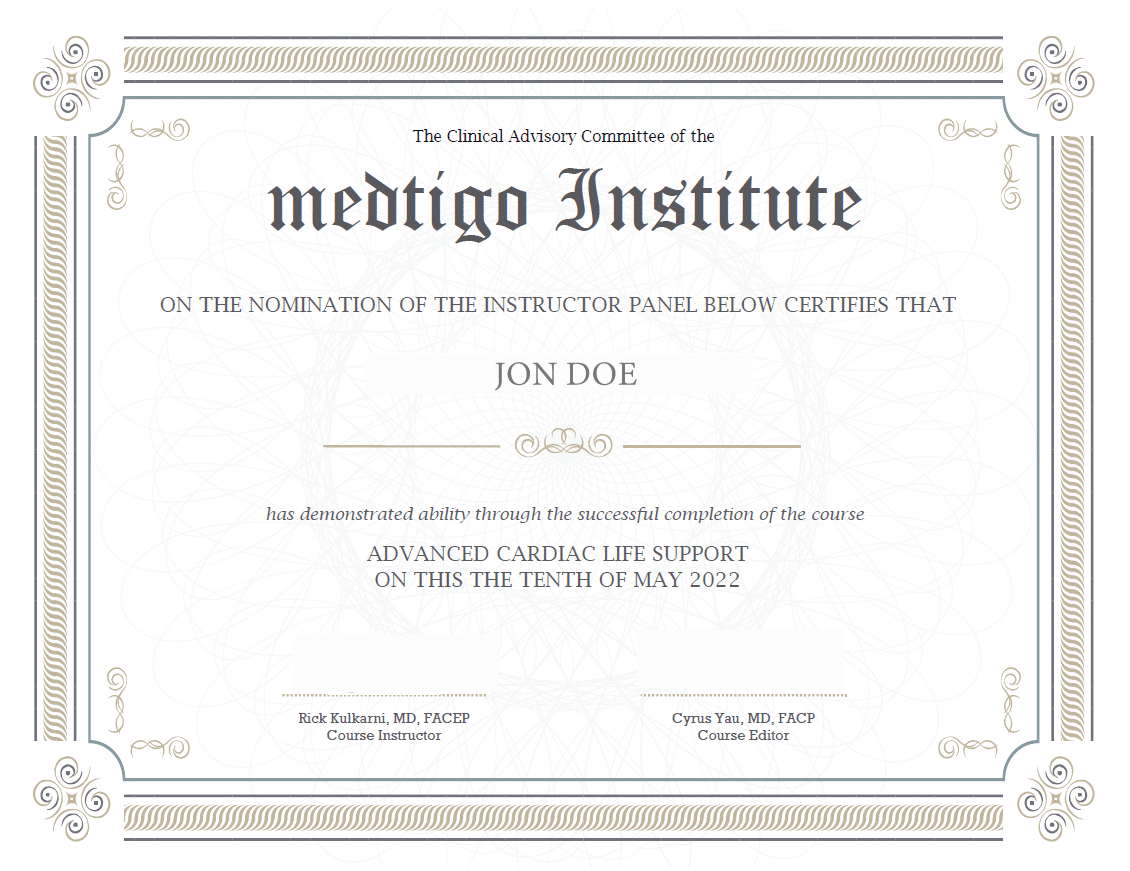
Digital Certificate PDF
On course completion, you will receive a full-sized presentation quality digital certificate.
medtigo Simulation
A dynamic medical simulation platform designed to train healthcare professionals and students to effectively run code situations through an immersive hands-on experience in a live, interactive 3D environment.
medtigo Points
medtigo points is our unique point redemption system created to award users for interacting on our site. These points can be redeemed for special discounts on the medtigo marketplace as well as towards the membership cost itself.
Community Forum post/reply = 5 points
*Redemption of points can occur only through the medtigo marketplace, courses, or simulation system. Money will not be credited to your bank account. 10 points = $1.
All Your Certificates in One Place
When you have your licenses, certificates and CMEs in one place, it's easier to track your career growth. You can easily share these with hospitals as well, using your medtigo app.