Introduction
Basic Life Support (BLS) is immediate care provided for life-threatening conditions like cardiac arrest, choking, or drowning. It includes techniques such as the use of an automated external defibrillator (AED), cardiopulmonary resuscitation (CPR), and rescue breathing. It plays a crucial role in bridging the gap between the time a medical emergency occurs and when medical personnel arrive. Proper and timely use of BLS may represent the difference between life and death in many cases.
Why BLS Matters in Emergencies
As per the American Heart Association (AHA), about 356,000 out-of-hospital cardiac arrests happen every year in the United States. The survival rate is below 10%. Most of the incidents occur at home without any witnesses. The first few minutes after the cardiac arrest are important, and every minute without CPR or defibrillation reduces the survival chances of victims by 7 to 10%. Early diagnosis, immediate CPR, and use of an AED can increase the odds of survival. When bystanders administer CPR, survival rates are doubled, highlighting the lifesaving value of early intervention in BLS.
What Is the BLS Protocol?
Basic Life Support is a standardized method used in emergencies to stabilize victims until professional help arrives. It is applicable in both inpatient and outpatient settings. It mainly focuses on cardiac and respiratory arrest conditions. BLS includes a systematic method known as the Chain of Survival, which includes:
- Immediate recognition and EMS activation
- Early CPR with an emphasis on chest compressions
- Rapid defibrillation
- Effective advanced life support
- Integrated post-cardiac arrest care
This protocol ensures a coordinated and effective response to critical medical emergencies.
What is ABCD in BLS?
A: Airway
Maintaining an open airway is the most crucial step. Use the head-tilt, chin-lift method to avoid obstruction of the airway. If spinal injury is suspected, apply a jaw-thrust without moving the head.
B: Breathing
Look, listen, and feel for the breathing signs. If the victim is not breathing normally, administer rescue breaths for at least one second and ensure the chest visibly rises and falls.
C: Circulation (Chest Compressions)
If there is no pulse, begin chest compressions immediately. Use a compression-to-ventilation ratio of 30:2. Compressions must be 2 to 2.4 inches deep at the rate of 100 to 120 per minute, which allows full chest recoil.
D: Defibrillation
Use an AED immediately; this will analyze the heart rhythm and guide you through shock delivery if needed. Early defibrillation dramatically elevates survival chances.
Common Mistakes in BLS
Even trained individuals might make mistakes during resuscitation efforts. Common mistakes include:
- Inadequate compression depth or incorrect rate
- Failing to deliver rescue breaths or defibrillation when indicated
- Delay in activation of emergency services
- Incorrect hand placement during compressions reduces effectiveness
Awareness and proper training can help to avoid these pitfalls and increase the chance of recovery for the victims.
Who Should Learn BLS?
BLS training is essential for:
- Healthcare professionals like doctors, nurses, and paramedics
- First responders like police officers and firefighters
- Non-medical personnel like teachers, coaches, and caregivers
- The general public and anyone can be a lifesaver with the right training
Because emergencies can occur anywhere, increasing the number of people with BLS knowledge ensures quicker and more effective responses to these emergencies.
Conclusion
Emergencies happen without warning. Whether you are a medical professional or a layperson, knowing what to do during a cardiac arrest or choking episode can save lives.
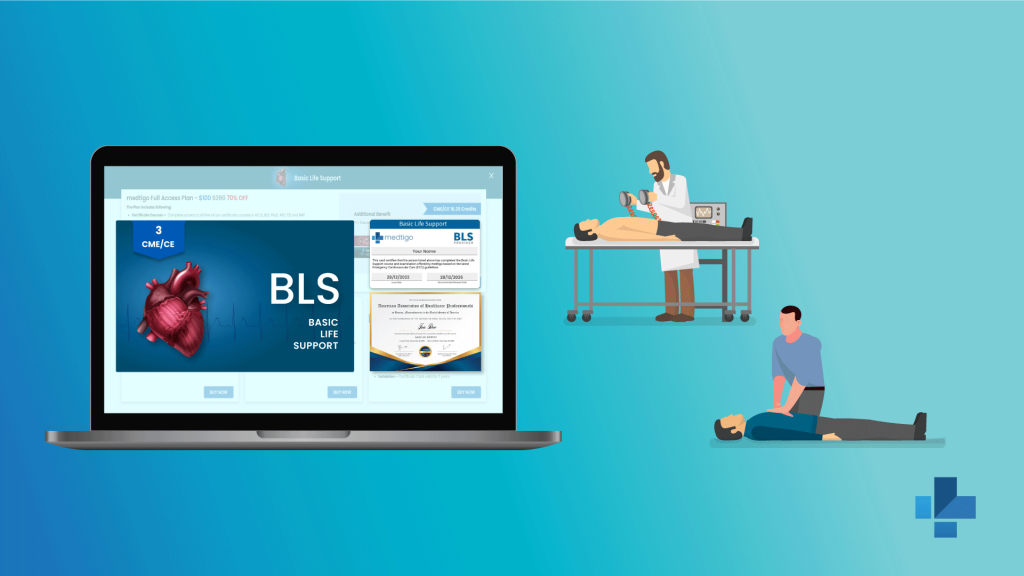
Take the first step and enroll in medtigo’s BLS certification course to acquire practical and lifesaving skills that can prepare you for real-world emergencies.