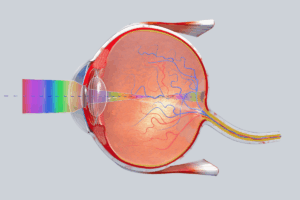
World’s First Human Implant of a 3D-Printed Cornea Restores Sight
December 15, 2025






Background
ALA dehydratase deficiency porphyria (ADP) is a rare genetic disorder that falls under the broader category of porphyrias. Porphyrias are a group of rare and inherited metabolic disorders that affect the heme biosynthesis pathway, accumulating porphyrins, and their precursors in the body.
Heme is a crucial component of hemoglobin, the protein responsible for transporting oxygen in red blood cells and is also found in other hemoproteins essential for various biological processes.
Epidemiology
ALA dehydratase deficiency porphyria (ADP) is a sporadic genetic disorder, and because of its rarity, there is limited epidemiological data available. As of my last knowledge update in September 2021, there were only a few reported cases of ADP in the medical literature. It is considered one of the rarest forms of porphyria.
Given its scarcity, it is challenging to provide precise epidemiological statistics. However, here are some general points regarding the epidemiology of ADP:
Anatomy
Pathophysiology
The pathophysiology of ALA dehydratase deficiency porphyria (ADP) is rooted in the genetic mutations that affect the function of the enzyme delta-aminolevulinic acid dehydratase (ALAD) and disrupt the heme biosynthesis pathway. Heme is an essential component of hemoglobin and various other hemoproteins that play critical roles in the body. ADP is a rare autosomal recessive genetic disorder caused by mutations in the ALAD gene. Here is an overview of the pathophysiology of ADP:
Impaired Heme Biosynthesis: The heme biosynthesis pathway is a complex series of enzymatic reactions that occur primarily in the liver and bone marrow. Heme is synthesized from simpler molecules through a series of intermediate steps. ALAD, the enzyme affected in ADP, plays a crucial role in this pathway by catalyzing the conversion of delta-aminolevulinic acid (ALA) into porphobilinogen (PBG).
ALAD Enzyme Dysfunction: In individuals with ADP, mutations in both copies of the ALAD gene result in a deficiency or dysfunction of the ALAD enzyme. As a result, the conversion of ALA to PBG is impaired, accumulating ALA and its precursor molecules in the body.
Accumulation of Porphyrin Precursors: The defective heme biosynthesis pathway leads to the accumulation of ALA and, to a lesser extent, porphobilinogen in various tissues, including the liver, bone marrow, and nervous system. These accumulated porphyrin precursors are toxic and can cause a range of symptoms.
Neurological and Skin Symptoms: The neurological symptoms observed in ADP, such as severe abdominal pain, muscle weakness, numbness, and paralysis, are thought to be related to the toxic effects of accumulated porphyrin precursors on nerve cells. The skin symptoms, including photosensitivity, blistering, and skin fragility, can be attributed to the skin’s increased sensitivity to sunlight and the damage caused by the accumulation of porphyrins.
Hematological Effects: The impaired heme biosynthesis also results in decreased production of heme and, consequently, a reduced capacity to form functional hemoglobin. This can lead to anemia, which can cause fatigue and weakness due to decreased oxygen-carrying capacity in the blood.
Urinary Excretion: One characteristic feature of porphyrias, including ADP, is the excretion of excess ALA and PBG in the urine. This can result in dark or reddish urine.
Trigger Factors: Symptoms of ADP can be triggered or exacerbated by factors such as alcohol consumption, certain medications, hormonal changes, infections, and exposure to sunlight. These triggers can lead to acute attacks of symptoms.
Etiology
The etiology of ALA dehydratase deficiency porphyria (ADP) lies in genetic mutations that affect the delta-aminolevulinic acid dehydratase (ALAD) enzyme, a critical component of the heme biosynthesis pathway. ADP is a hereditary disorder caused by specific genetic mutations. Here’s a closer look at the etiology of ADP:
Genetic Basis: ADP is a rare autosomal recessive genetic disorder. This means it is caused by mutations in both copies (alleles) of the ALAD gene. Each individual has two alleles of the ALAD gene, one inherited from each parent. In ADP, both alleles carry mutations that produce a dysfunctional or deficient ALAD enzyme.
ALAD Enzyme: The ALAD enzyme, encoded by the ALAD gene, plays a pivotal role in the heme biosynthesis pathway. Specifically, it catalyzes the conversion of delta-aminolevulinic acid (ALA) to porphobilinogen (PBG), a crucial intermediate step in heme synthesis.
Impaired Enzymatic Activity: Mutations in both copies of the ALAD gene in individuals with ADP lead to impaired enzymatic activity of the ALAD enzyme. As a result, the conversion of ALA to PBG is disrupted, causing a buildup of ALA and, to a lesser extent, PBG in various tissues.
Accumulation of Porphyrin Precursors: The accumulation of ALA and PBG, along with other porphyrin precursors, is toxic to cells and tissues. This accumulation primarily occurs in the liver, bone marrow, and nervous system. These toxic metabolites can cause a wide range of symptoms, including neurological, skin, and hematological symptoms.
Symptom Onset: The age of onset and severity of ADP symptoms can vary among individuals. Some individuals may develop symptoms in childhood, while others may not experience symptoms until later in life. Environmental factors and triggers, such as alcohol consumption, medications, and sunlight exposure, can influence the onset and severity of symptoms.
Inheritance Pattern: ADP follows an autosomal recessive inheritance pattern. This means that affected individuals inherit one mutated allele from each parent, who are typically carriers of the mutated ALAD gene. Carrier parents, with one normal and one mutated ALAD allele, do not typically exhibit symptoms of ADP.
Genetic Testing: Diagnosis of ADP typically involves genetic testing to identify the specific mutations in the ALAD gene. Identifying these mutations is crucial for confirming the diagnosis and understanding the underlying genetic cause.
Genetics
Prognostic Factors
ALA dehydratase deficiency porphyria (ADP) is a rare genetic disorder, and the prognosis can vary widely among affected individuals. Prognostic factors that can influence the course and outcome of ADP include:
Clinical History
Clinical history
The clinical history of a person with ALA dehydratase deficiency porphyria (ADP) can vary widely depending on several factors, including the specific genetic mutations involved, environmental triggers, and individual responses to the condition. However, standard clinical features and a general progression of the disease can be described. Here is a clinical history of ADP:
Early Childhood to Adolescence: ADP often becomes apparent in childhood or adolescence, although the age of onset can vary. During this period, affected individuals may experience abdominal pain and discomfort episodes. These episodes can be recurrent and severe, often mimicking acute abdominal conditions.
Neurological Symptoms: As the condition progresses, individuals with ADP may develop a range of neurological symptoms, which can include:
Photosensitivity: Many individuals with ADP develop photosensitivity, which means their skin becomes highly sensitive to sunlight. Exposure to sunlight can lead to blistering, burning sensations, and skin fragility. This photosensitivity can significantly impact a person’s daily life and activities.
Hematological Abnormalities: ADP can lead to hematological issues, primarily anemia. The impaired heme biosynthesis results in decreased heme production, which can cause anemia. Anemia can lead to fatigue, weakness, and pale skin.
Dark Urine: One characteristic feature of porphyrias, including ADP, is the excretion of excess delta-aminolevulinic acid (ALA) and porphobilinogen (PBG) in the urine. This can result in dark or reddish-colored urine during acute attacks or periods of symptom exacerbation.
Trigger Factors: Symptoms of ADP can be triggered or exacerbated by various factors, including:
Intermittent Symptoms: ADP is characterized by intermittent and acute attacks of symptoms rather than continuous symptoms. These attacks can vary in duration and severity. Some individuals may experience relatively mild attacks, while others may have more severe and prolonged episodes.
Chronic Symptoms: In addition to acute attacks, some individuals with ADP may experience chronic symptoms, such as ongoing neurological and skin issues, even between acute episodes.
Diagnosis: The diagnosis of ADP involves a combination of clinical history, biochemical testing (to detect elevated levels of ALA and PBG in urine and blood), and genetic testing (to confirm the presence of mutations in the ALAD gene).
Management: There is no cure for ADP, but management primarily involves avoiding triggers (such as alcohol and sunlight), addressing symptoms during acute attacks, and, in severe cases, using heme replacement therapy to alleviate and prevent attacks.
Physical Examination
Physical examination
A physical examination of a person suspected of having ALA dehydratase deficiency porphyria (ADP) is essential in the diagnostic process and for monitoring the progression of the condition. During the physical examination, a healthcare provider will assess various aspects of the individual’s health, looking for signs and symptoms that are characteristic of ADP. Here are some key aspects of the physical examination:
Skin Examination:
Neurological Examination:
Abdominal Examination:
Hematological Assessment:
Eye Examination:
Urinalysis:
Age group
Associated comorbidity
Associated activity
Acuity of presentation
Differential Diagnoses
Differential diagnosis
Diagnosing ALA dehydratase deficiency porphyria (ADP) can be challenging due to its rarity and the similarity of its symptoms to other porphyrias and medical conditions. To make an accurate diagnosis, healthcare professionals typically consider a differential diagnosis, which involves distinguishing ADP from other conditions that may present with similar symptoms. Here are some conditions that should be considered in the differential diagnosis of ADP:
Other Types of Porphyria: ADP is one of several types of porphyria, and the symptoms can overlap with other porphyria subtypes. These may include acute intermittent porphyria (AIP), porphyria cutanea tarda (PCT), hereditary coproporphyria (HCP), and variegate porphyria (VP). Detailed biochemical testing and genetic analysis are necessary to differentiate between these porphyrias.
Acute Intermittent Porphyria (AIP): AIP is another acute porphyria that shares some clinical features with ADP, such as abdominal pain, neuropathy, and psychiatric symptoms. Biochemical testing for elevated levels of specific porphyrin precursors can help differentiate between the two.
Erythropoietic Protoporphyria (EPP) and X-Linked Protoporphyria (XLP): EPP and XLP are porphyria that primarily affect the skin, causing photosensitivity and skin symptoms. These conditions can be distinguished from ADP by their characteristic patterns of porphyrin accumulation and genetic testing.
Lead Poisoning: Lead poisoning can cause abdominal pain, neurological symptoms, and anemia, which may be mistaken for porphyria. A blood lead level test can help rule out lead poisoning.
Neuropathy: Various medical conditions, including hereditary neuropathies, autoimmune diseases, and infections, can lead to neuropathic symptoms similar to those seen in ADP. Careful clinical evaluation and diagnostic testing are necessary to identify the underlying cause.
Lupus Erythematosus: Systemic lupus erythematosus (SLE) is an autoimmune disease that can present with skin rashes, joint pain, and neurological symptoms, which may overlap with porphyria symptoms.
Other Gastrointestinal Disorders: Conditions such as irritable bowel syndrome (IBS), inflammatory bowel disease (IBD), and gallbladder disease can cause abdominal pain, which may mimic porphyria symptoms.
Psychiatric Disorders: Some psychiatric conditions, including depression and anxiety disorders, can manifest with symptoms that resemble those seen in porphyria, such as mood changes and cognitive disturbances.
Medication or Toxin-Induced Symptoms: Certain medications and toxins can lead to symptoms similar to porphyria. For example, some drugs, including barbiturates and antiepileptic medications, can trigger acute porphyric attacks.
Infections: Certain infections, such as human immunodeficiency virus (HIV), may cause neurological symptoms that resemble porphyria.
Laboratory Studies
Imaging Studies
Procedures
Histologic Findings
Staging
Treatment Paradigm
The treatment of ALA dehydratase deficiency porphyria (ADP) focuses on managing symptoms, preventing acute attacks, and improving the patient’s quality of life. Since there is no cure for ADP, the primary goal of treatment is to reduce the accumulation of porphyrin precursors, especially delta-aminolevulinic acid (ALA), in the body. Treatment approaches for ADP may include the following:
Avoidance of Triggers:
Pain Management:
During acute attacks, management of severe abdominal pain and other symptoms may require the use of medications such as opioids, nonsteroidal anti-inflammatory drugs (NSAIDs), or other pain relievers under medical supervision.
Heme Replacement Therapy:
In severe cases of ADP, heme replacement therapy may be considered to alleviate symptoms and prevent attacks. Heme therapy involves intravenous infusion of heme (usually hematin or heme arginate) to suppress the overproduction of porphyrin precursors by feedback inhibition. Heme therapy should be administered by healthcare professionals experienced in porphyria management.
Monitoring and Symptom Management:
Regular medical monitoring is essential to detect and manage symptoms promptly. Healthcare providers may prescribe medications to manage neuropathic pain, nausea, and other symptoms associated with ADP.
Nutritional Support:
A balanced diet can help maintain overall health. In some cases, healthcare providers may recommend dietary supplements to address nutritional deficiencies related to malabsorption or anemia.
Genetic Counseling:
Genetic counseling is crucial for individuals with ADP and their families. It can provide information about the genetic basis of the condition, discuss family planning options, and help individuals make informed decisions about their health.
Psychological Support:
Living with a rare and chronic condition like ADP can be emotionally challenging. Patients may benefit from psychological support and counseling to manage stress, anxiety, and depression.
Patient Education:
Educating patients about their condition, potential triggers, and lifestyle modifications is essential. Patients should be aware of the importance of avoiding triggers, protecting themselves from sunlight, and seeking prompt medical attention during acute attacks.
Management of ADP often requires a multidisciplinary approach involving specialists in porphyria, including hematologists, gastroenterologists, dermatologists, and genetic counselors.
Treatment plans should be tailored to each patient’s specific needs and symptom severity. Regular follow-up appointments and communication with healthcare providers are essential to monitor the condition’s progression and adjust the treatment strategy as needed.
by Stage
by Modality
Chemotherapy
Radiation Therapy
Surgical Interventions
Hormone Therapy
Immunotherapy
Hyperthermia
Photodynamic Therapy
Stem Cell Transplant
Targeted Therapy
Palliative Care
Medication
Future Trends
References
https://emedicine.medscape.com/article/198248-overview
ALA dehydratase deficiency porphyria (ADP) is a rare genetic disorder that falls under the broader category of porphyrias. Porphyrias are a group of rare and inherited metabolic disorders that affect the heme biosynthesis pathway, accumulating porphyrins, and their precursors in the body.
Heme is a crucial component of hemoglobin, the protein responsible for transporting oxygen in red blood cells and is also found in other hemoproteins essential for various biological processes.
ALA dehydratase deficiency porphyria (ADP) is a sporadic genetic disorder, and because of its rarity, there is limited epidemiological data available. As of my last knowledge update in September 2021, there were only a few reported cases of ADP in the medical literature. It is considered one of the rarest forms of porphyria.
Given its scarcity, it is challenging to provide precise epidemiological statistics. However, here are some general points regarding the epidemiology of ADP:
The pathophysiology of ALA dehydratase deficiency porphyria (ADP) is rooted in the genetic mutations that affect the function of the enzyme delta-aminolevulinic acid dehydratase (ALAD) and disrupt the heme biosynthesis pathway. Heme is an essential component of hemoglobin and various other hemoproteins that play critical roles in the body. ADP is a rare autosomal recessive genetic disorder caused by mutations in the ALAD gene. Here is an overview of the pathophysiology of ADP:
Impaired Heme Biosynthesis: The heme biosynthesis pathway is a complex series of enzymatic reactions that occur primarily in the liver and bone marrow. Heme is synthesized from simpler molecules through a series of intermediate steps. ALAD, the enzyme affected in ADP, plays a crucial role in this pathway by catalyzing the conversion of delta-aminolevulinic acid (ALA) into porphobilinogen (PBG).
ALAD Enzyme Dysfunction: In individuals with ADP, mutations in both copies of the ALAD gene result in a deficiency or dysfunction of the ALAD enzyme. As a result, the conversion of ALA to PBG is impaired, accumulating ALA and its precursor molecules in the body.
Accumulation of Porphyrin Precursors: The defective heme biosynthesis pathway leads to the accumulation of ALA and, to a lesser extent, porphobilinogen in various tissues, including the liver, bone marrow, and nervous system. These accumulated porphyrin precursors are toxic and can cause a range of symptoms.
Neurological and Skin Symptoms: The neurological symptoms observed in ADP, such as severe abdominal pain, muscle weakness, numbness, and paralysis, are thought to be related to the toxic effects of accumulated porphyrin precursors on nerve cells. The skin symptoms, including photosensitivity, blistering, and skin fragility, can be attributed to the skin’s increased sensitivity to sunlight and the damage caused by the accumulation of porphyrins.
Hematological Effects: The impaired heme biosynthesis also results in decreased production of heme and, consequently, a reduced capacity to form functional hemoglobin. This can lead to anemia, which can cause fatigue and weakness due to decreased oxygen-carrying capacity in the blood.
Urinary Excretion: One characteristic feature of porphyrias, including ADP, is the excretion of excess ALA and PBG in the urine. This can result in dark or reddish urine.
Trigger Factors: Symptoms of ADP can be triggered or exacerbated by factors such as alcohol consumption, certain medications, hormonal changes, infections, and exposure to sunlight. These triggers can lead to acute attacks of symptoms.
The etiology of ALA dehydratase deficiency porphyria (ADP) lies in genetic mutations that affect the delta-aminolevulinic acid dehydratase (ALAD) enzyme, a critical component of the heme biosynthesis pathway. ADP is a hereditary disorder caused by specific genetic mutations. Here’s a closer look at the etiology of ADP:
Genetic Basis: ADP is a rare autosomal recessive genetic disorder. This means it is caused by mutations in both copies (alleles) of the ALAD gene. Each individual has two alleles of the ALAD gene, one inherited from each parent. In ADP, both alleles carry mutations that produce a dysfunctional or deficient ALAD enzyme.
ALAD Enzyme: The ALAD enzyme, encoded by the ALAD gene, plays a pivotal role in the heme biosynthesis pathway. Specifically, it catalyzes the conversion of delta-aminolevulinic acid (ALA) to porphobilinogen (PBG), a crucial intermediate step in heme synthesis.
Impaired Enzymatic Activity: Mutations in both copies of the ALAD gene in individuals with ADP lead to impaired enzymatic activity of the ALAD enzyme. As a result, the conversion of ALA to PBG is disrupted, causing a buildup of ALA and, to a lesser extent, PBG in various tissues.
Accumulation of Porphyrin Precursors: The accumulation of ALA and PBG, along with other porphyrin precursors, is toxic to cells and tissues. This accumulation primarily occurs in the liver, bone marrow, and nervous system. These toxic metabolites can cause a wide range of symptoms, including neurological, skin, and hematological symptoms.
Symptom Onset: The age of onset and severity of ADP symptoms can vary among individuals. Some individuals may develop symptoms in childhood, while others may not experience symptoms until later in life. Environmental factors and triggers, such as alcohol consumption, medications, and sunlight exposure, can influence the onset and severity of symptoms.
Inheritance Pattern: ADP follows an autosomal recessive inheritance pattern. This means that affected individuals inherit one mutated allele from each parent, who are typically carriers of the mutated ALAD gene. Carrier parents, with one normal and one mutated ALAD allele, do not typically exhibit symptoms of ADP.
Genetic Testing: Diagnosis of ADP typically involves genetic testing to identify the specific mutations in the ALAD gene. Identifying these mutations is crucial for confirming the diagnosis and understanding the underlying genetic cause.
ALA dehydratase deficiency porphyria (ADP) is a rare genetic disorder, and the prognosis can vary widely among affected individuals. Prognostic factors that can influence the course and outcome of ADP include:
Clinical history
The clinical history of a person with ALA dehydratase deficiency porphyria (ADP) can vary widely depending on several factors, including the specific genetic mutations involved, environmental triggers, and individual responses to the condition. However, standard clinical features and a general progression of the disease can be described. Here is a clinical history of ADP:
Early Childhood to Adolescence: ADP often becomes apparent in childhood or adolescence, although the age of onset can vary. During this period, affected individuals may experience abdominal pain and discomfort episodes. These episodes can be recurrent and severe, often mimicking acute abdominal conditions.
Neurological Symptoms: As the condition progresses, individuals with ADP may develop a range of neurological symptoms, which can include:
Photosensitivity: Many individuals with ADP develop photosensitivity, which means their skin becomes highly sensitive to sunlight. Exposure to sunlight can lead to blistering, burning sensations, and skin fragility. This photosensitivity can significantly impact a person’s daily life and activities.
Hematological Abnormalities: ADP can lead to hematological issues, primarily anemia. The impaired heme biosynthesis results in decreased heme production, which can cause anemia. Anemia can lead to fatigue, weakness, and pale skin.
Dark Urine: One characteristic feature of porphyrias, including ADP, is the excretion of excess delta-aminolevulinic acid (ALA) and porphobilinogen (PBG) in the urine. This can result in dark or reddish-colored urine during acute attacks or periods of symptom exacerbation.
Trigger Factors: Symptoms of ADP can be triggered or exacerbated by various factors, including:
Intermittent Symptoms: ADP is characterized by intermittent and acute attacks of symptoms rather than continuous symptoms. These attacks can vary in duration and severity. Some individuals may experience relatively mild attacks, while others may have more severe and prolonged episodes.
Chronic Symptoms: In addition to acute attacks, some individuals with ADP may experience chronic symptoms, such as ongoing neurological and skin issues, even between acute episodes.
Diagnosis: The diagnosis of ADP involves a combination of clinical history, biochemical testing (to detect elevated levels of ALA and PBG in urine and blood), and genetic testing (to confirm the presence of mutations in the ALAD gene).
Management: There is no cure for ADP, but management primarily involves avoiding triggers (such as alcohol and sunlight), addressing symptoms during acute attacks, and, in severe cases, using heme replacement therapy to alleviate and prevent attacks.
Physical examination
A physical examination of a person suspected of having ALA dehydratase deficiency porphyria (ADP) is essential in the diagnostic process and for monitoring the progression of the condition. During the physical examination, a healthcare provider will assess various aspects of the individual’s health, looking for signs and symptoms that are characteristic of ADP. Here are some key aspects of the physical examination:
Skin Examination:
Neurological Examination:
Abdominal Examination:
Hematological Assessment:
Eye Examination:
Urinalysis:
Differential diagnosis
Diagnosing ALA dehydratase deficiency porphyria (ADP) can be challenging due to its rarity and the similarity of its symptoms to other porphyrias and medical conditions. To make an accurate diagnosis, healthcare professionals typically consider a differential diagnosis, which involves distinguishing ADP from other conditions that may present with similar symptoms. Here are some conditions that should be considered in the differential diagnosis of ADP:
Other Types of Porphyria: ADP is one of several types of porphyria, and the symptoms can overlap with other porphyria subtypes. These may include acute intermittent porphyria (AIP), porphyria cutanea tarda (PCT), hereditary coproporphyria (HCP), and variegate porphyria (VP). Detailed biochemical testing and genetic analysis are necessary to differentiate between these porphyrias.
Acute Intermittent Porphyria (AIP): AIP is another acute porphyria that shares some clinical features with ADP, such as abdominal pain, neuropathy, and psychiatric symptoms. Biochemical testing for elevated levels of specific porphyrin precursors can help differentiate between the two.
Erythropoietic Protoporphyria (EPP) and X-Linked Protoporphyria (XLP): EPP and XLP are porphyria that primarily affect the skin, causing photosensitivity and skin symptoms. These conditions can be distinguished from ADP by their characteristic patterns of porphyrin accumulation and genetic testing.
Lead Poisoning: Lead poisoning can cause abdominal pain, neurological symptoms, and anemia, which may be mistaken for porphyria. A blood lead level test can help rule out lead poisoning.
Neuropathy: Various medical conditions, including hereditary neuropathies, autoimmune diseases, and infections, can lead to neuropathic symptoms similar to those seen in ADP. Careful clinical evaluation and diagnostic testing are necessary to identify the underlying cause.
Lupus Erythematosus: Systemic lupus erythematosus (SLE) is an autoimmune disease that can present with skin rashes, joint pain, and neurological symptoms, which may overlap with porphyria symptoms.
Other Gastrointestinal Disorders: Conditions such as irritable bowel syndrome (IBS), inflammatory bowel disease (IBD), and gallbladder disease can cause abdominal pain, which may mimic porphyria symptoms.
Psychiatric Disorders: Some psychiatric conditions, including depression and anxiety disorders, can manifest with symptoms that resemble those seen in porphyria, such as mood changes and cognitive disturbances.
Medication or Toxin-Induced Symptoms: Certain medications and toxins can lead to symptoms similar to porphyria. For example, some drugs, including barbiturates and antiepileptic medications, can trigger acute porphyric attacks.
Infections: Certain infections, such as human immunodeficiency virus (HIV), may cause neurological symptoms that resemble porphyria.
The treatment of ALA dehydratase deficiency porphyria (ADP) focuses on managing symptoms, preventing acute attacks, and improving the patient’s quality of life. Since there is no cure for ADP, the primary goal of treatment is to reduce the accumulation of porphyrin precursors, especially delta-aminolevulinic acid (ALA), in the body. Treatment approaches for ADP may include the following:
Avoidance of Triggers:
Pain Management:
During acute attacks, management of severe abdominal pain and other symptoms may require the use of medications such as opioids, nonsteroidal anti-inflammatory drugs (NSAIDs), or other pain relievers under medical supervision.
Heme Replacement Therapy:
In severe cases of ADP, heme replacement therapy may be considered to alleviate symptoms and prevent attacks. Heme therapy involves intravenous infusion of heme (usually hematin or heme arginate) to suppress the overproduction of porphyrin precursors by feedback inhibition. Heme therapy should be administered by healthcare professionals experienced in porphyria management.
Monitoring and Symptom Management:
Regular medical monitoring is essential to detect and manage symptoms promptly. Healthcare providers may prescribe medications to manage neuropathic pain, nausea, and other symptoms associated with ADP.
Nutritional Support:
A balanced diet can help maintain overall health. In some cases, healthcare providers may recommend dietary supplements to address nutritional deficiencies related to malabsorption or anemia.
Genetic Counseling:
Genetic counseling is crucial for individuals with ADP and their families. It can provide information about the genetic basis of the condition, discuss family planning options, and help individuals make informed decisions about their health.
Psychological Support:
Living with a rare and chronic condition like ADP can be emotionally challenging. Patients may benefit from psychological support and counseling to manage stress, anxiety, and depression.
Patient Education:
Educating patients about their condition, potential triggers, and lifestyle modifications is essential. Patients should be aware of the importance of avoiding triggers, protecting themselves from sunlight, and seeking prompt medical attention during acute attacks.
Management of ADP often requires a multidisciplinary approach involving specialists in porphyria, including hematologists, gastroenterologists, dermatologists, and genetic counselors.
Treatment plans should be tailored to each patient’s specific needs and symptom severity. Regular follow-up appointments and communication with healthcare providers are essential to monitor the condition’s progression and adjust the treatment strategy as needed.
https://emedicine.medscape.com/article/198248-overview

ALA dehydratase deficiency porphyria (ADP) is a rare genetic disorder that falls under the broader category of porphyrias. Porphyrias are a group of rare and inherited metabolic disorders that affect the heme biosynthesis pathway, accumulating porphyrins, and their precursors in the body.
Heme is a crucial component of hemoglobin, the protein responsible for transporting oxygen in red blood cells and is also found in other hemoproteins essential for various biological processes.
ALA dehydratase deficiency porphyria (ADP) is a sporadic genetic disorder, and because of its rarity, there is limited epidemiological data available. As of my last knowledge update in September 2021, there were only a few reported cases of ADP in the medical literature. It is considered one of the rarest forms of porphyria.
Given its scarcity, it is challenging to provide precise epidemiological statistics. However, here are some general points regarding the epidemiology of ADP:
The pathophysiology of ALA dehydratase deficiency porphyria (ADP) is rooted in the genetic mutations that affect the function of the enzyme delta-aminolevulinic acid dehydratase (ALAD) and disrupt the heme biosynthesis pathway. Heme is an essential component of hemoglobin and various other hemoproteins that play critical roles in the body. ADP is a rare autosomal recessive genetic disorder caused by mutations in the ALAD gene. Here is an overview of the pathophysiology of ADP:
Impaired Heme Biosynthesis: The heme biosynthesis pathway is a complex series of enzymatic reactions that occur primarily in the liver and bone marrow. Heme is synthesized from simpler molecules through a series of intermediate steps. ALAD, the enzyme affected in ADP, plays a crucial role in this pathway by catalyzing the conversion of delta-aminolevulinic acid (ALA) into porphobilinogen (PBG).
ALAD Enzyme Dysfunction: In individuals with ADP, mutations in both copies of the ALAD gene result in a deficiency or dysfunction of the ALAD enzyme. As a result, the conversion of ALA to PBG is impaired, accumulating ALA and its precursor molecules in the body.
Accumulation of Porphyrin Precursors: The defective heme biosynthesis pathway leads to the accumulation of ALA and, to a lesser extent, porphobilinogen in various tissues, including the liver, bone marrow, and nervous system. These accumulated porphyrin precursors are toxic and can cause a range of symptoms.
Neurological and Skin Symptoms: The neurological symptoms observed in ADP, such as severe abdominal pain, muscle weakness, numbness, and paralysis, are thought to be related to the toxic effects of accumulated porphyrin precursors on nerve cells. The skin symptoms, including photosensitivity, blistering, and skin fragility, can be attributed to the skin’s increased sensitivity to sunlight and the damage caused by the accumulation of porphyrins.
Hematological Effects: The impaired heme biosynthesis also results in decreased production of heme and, consequently, a reduced capacity to form functional hemoglobin. This can lead to anemia, which can cause fatigue and weakness due to decreased oxygen-carrying capacity in the blood.
Urinary Excretion: One characteristic feature of porphyrias, including ADP, is the excretion of excess ALA and PBG in the urine. This can result in dark or reddish urine.
Trigger Factors: Symptoms of ADP can be triggered or exacerbated by factors such as alcohol consumption, certain medications, hormonal changes, infections, and exposure to sunlight. These triggers can lead to acute attacks of symptoms.
The etiology of ALA dehydratase deficiency porphyria (ADP) lies in genetic mutations that affect the delta-aminolevulinic acid dehydratase (ALAD) enzyme, a critical component of the heme biosynthesis pathway. ADP is a hereditary disorder caused by specific genetic mutations. Here’s a closer look at the etiology of ADP:
Genetic Basis: ADP is a rare autosomal recessive genetic disorder. This means it is caused by mutations in both copies (alleles) of the ALAD gene. Each individual has two alleles of the ALAD gene, one inherited from each parent. In ADP, both alleles carry mutations that produce a dysfunctional or deficient ALAD enzyme.
ALAD Enzyme: The ALAD enzyme, encoded by the ALAD gene, plays a pivotal role in the heme biosynthesis pathway. Specifically, it catalyzes the conversion of delta-aminolevulinic acid (ALA) to porphobilinogen (PBG), a crucial intermediate step in heme synthesis.
Impaired Enzymatic Activity: Mutations in both copies of the ALAD gene in individuals with ADP lead to impaired enzymatic activity of the ALAD enzyme. As a result, the conversion of ALA to PBG is disrupted, causing a buildup of ALA and, to a lesser extent, PBG in various tissues.
Accumulation of Porphyrin Precursors: The accumulation of ALA and PBG, along with other porphyrin precursors, is toxic to cells and tissues. This accumulation primarily occurs in the liver, bone marrow, and nervous system. These toxic metabolites can cause a wide range of symptoms, including neurological, skin, and hematological symptoms.
Symptom Onset: The age of onset and severity of ADP symptoms can vary among individuals. Some individuals may develop symptoms in childhood, while others may not experience symptoms until later in life. Environmental factors and triggers, such as alcohol consumption, medications, and sunlight exposure, can influence the onset and severity of symptoms.
Inheritance Pattern: ADP follows an autosomal recessive inheritance pattern. This means that affected individuals inherit one mutated allele from each parent, who are typically carriers of the mutated ALAD gene. Carrier parents, with one normal and one mutated ALAD allele, do not typically exhibit symptoms of ADP.
Genetic Testing: Diagnosis of ADP typically involves genetic testing to identify the specific mutations in the ALAD gene. Identifying these mutations is crucial for confirming the diagnosis and understanding the underlying genetic cause.
ALA dehydratase deficiency porphyria (ADP) is a rare genetic disorder, and the prognosis can vary widely among affected individuals. Prognostic factors that can influence the course and outcome of ADP include:
Clinical history
The clinical history of a person with ALA dehydratase deficiency porphyria (ADP) can vary widely depending on several factors, including the specific genetic mutations involved, environmental triggers, and individual responses to the condition. However, standard clinical features and a general progression of the disease can be described. Here is a clinical history of ADP:
Early Childhood to Adolescence: ADP often becomes apparent in childhood or adolescence, although the age of onset can vary. During this period, affected individuals may experience abdominal pain and discomfort episodes. These episodes can be recurrent and severe, often mimicking acute abdominal conditions.
Neurological Symptoms: As the condition progresses, individuals with ADP may develop a range of neurological symptoms, which can include:
Photosensitivity: Many individuals with ADP develop photosensitivity, which means their skin becomes highly sensitive to sunlight. Exposure to sunlight can lead to blistering, burning sensations, and skin fragility. This photosensitivity can significantly impact a person’s daily life and activities.
Hematological Abnormalities: ADP can lead to hematological issues, primarily anemia. The impaired heme biosynthesis results in decreased heme production, which can cause anemia. Anemia can lead to fatigue, weakness, and pale skin.
Dark Urine: One characteristic feature of porphyrias, including ADP, is the excretion of excess delta-aminolevulinic acid (ALA) and porphobilinogen (PBG) in the urine. This can result in dark or reddish-colored urine during acute attacks or periods of symptom exacerbation.
Trigger Factors: Symptoms of ADP can be triggered or exacerbated by various factors, including:
Intermittent Symptoms: ADP is characterized by intermittent and acute attacks of symptoms rather than continuous symptoms. These attacks can vary in duration and severity. Some individuals may experience relatively mild attacks, while others may have more severe and prolonged episodes.
Chronic Symptoms: In addition to acute attacks, some individuals with ADP may experience chronic symptoms, such as ongoing neurological and skin issues, even between acute episodes.
Diagnosis: The diagnosis of ADP involves a combination of clinical history, biochemical testing (to detect elevated levels of ALA and PBG in urine and blood), and genetic testing (to confirm the presence of mutations in the ALAD gene).
Management: There is no cure for ADP, but management primarily involves avoiding triggers (such as alcohol and sunlight), addressing symptoms during acute attacks, and, in severe cases, using heme replacement therapy to alleviate and prevent attacks.
Physical examination
A physical examination of a person suspected of having ALA dehydratase deficiency porphyria (ADP) is essential in the diagnostic process and for monitoring the progression of the condition. During the physical examination, a healthcare provider will assess various aspects of the individual’s health, looking for signs and symptoms that are characteristic of ADP. Here are some key aspects of the physical examination:
Skin Examination:
Neurological Examination:
Abdominal Examination:
Hematological Assessment:
Eye Examination:
Urinalysis:
Differential diagnosis
Diagnosing ALA dehydratase deficiency porphyria (ADP) can be challenging due to its rarity and the similarity of its symptoms to other porphyrias and medical conditions. To make an accurate diagnosis, healthcare professionals typically consider a differential diagnosis, which involves distinguishing ADP from other conditions that may present with similar symptoms. Here are some conditions that should be considered in the differential diagnosis of ADP:
Other Types of Porphyria: ADP is one of several types of porphyria, and the symptoms can overlap with other porphyria subtypes. These may include acute intermittent porphyria (AIP), porphyria cutanea tarda (PCT), hereditary coproporphyria (HCP), and variegate porphyria (VP). Detailed biochemical testing and genetic analysis are necessary to differentiate between these porphyrias.
Acute Intermittent Porphyria (AIP): AIP is another acute porphyria that shares some clinical features with ADP, such as abdominal pain, neuropathy, and psychiatric symptoms. Biochemical testing for elevated levels of specific porphyrin precursors can help differentiate between the two.
Erythropoietic Protoporphyria (EPP) and X-Linked Protoporphyria (XLP): EPP and XLP are porphyria that primarily affect the skin, causing photosensitivity and skin symptoms. These conditions can be distinguished from ADP by their characteristic patterns of porphyrin accumulation and genetic testing.
Lead Poisoning: Lead poisoning can cause abdominal pain, neurological symptoms, and anemia, which may be mistaken for porphyria. A blood lead level test can help rule out lead poisoning.
Neuropathy: Various medical conditions, including hereditary neuropathies, autoimmune diseases, and infections, can lead to neuropathic symptoms similar to those seen in ADP. Careful clinical evaluation and diagnostic testing are necessary to identify the underlying cause.
Lupus Erythematosus: Systemic lupus erythematosus (SLE) is an autoimmune disease that can present with skin rashes, joint pain, and neurological symptoms, which may overlap with porphyria symptoms.
Other Gastrointestinal Disorders: Conditions such as irritable bowel syndrome (IBS), inflammatory bowel disease (IBD), and gallbladder disease can cause abdominal pain, which may mimic porphyria symptoms.
Psychiatric Disorders: Some psychiatric conditions, including depression and anxiety disorders, can manifest with symptoms that resemble those seen in porphyria, such as mood changes and cognitive disturbances.
Medication or Toxin-Induced Symptoms: Certain medications and toxins can lead to symptoms similar to porphyria. For example, some drugs, including barbiturates and antiepileptic medications, can trigger acute porphyric attacks.
Infections: Certain infections, such as human immunodeficiency virus (HIV), may cause neurological symptoms that resemble porphyria.
The treatment of ALA dehydratase deficiency porphyria (ADP) focuses on managing symptoms, preventing acute attacks, and improving the patient’s quality of life. Since there is no cure for ADP, the primary goal of treatment is to reduce the accumulation of porphyrin precursors, especially delta-aminolevulinic acid (ALA), in the body. Treatment approaches for ADP may include the following:
Avoidance of Triggers:
Pain Management:
During acute attacks, management of severe abdominal pain and other symptoms may require the use of medications such as opioids, nonsteroidal anti-inflammatory drugs (NSAIDs), or other pain relievers under medical supervision.
Heme Replacement Therapy:
In severe cases of ADP, heme replacement therapy may be considered to alleviate symptoms and prevent attacks. Heme therapy involves intravenous infusion of heme (usually hematin or heme arginate) to suppress the overproduction of porphyrin precursors by feedback inhibition. Heme therapy should be administered by healthcare professionals experienced in porphyria management.
Monitoring and Symptom Management:
Regular medical monitoring is essential to detect and manage symptoms promptly. Healthcare providers may prescribe medications to manage neuropathic pain, nausea, and other symptoms associated with ADP.
Nutritional Support:
A balanced diet can help maintain overall health. In some cases, healthcare providers may recommend dietary supplements to address nutritional deficiencies related to malabsorption or anemia.
Genetic Counseling:
Genetic counseling is crucial for individuals with ADP and their families. It can provide information about the genetic basis of the condition, discuss family planning options, and help individuals make informed decisions about their health.
Psychological Support:
Living with a rare and chronic condition like ADP can be emotionally challenging. Patients may benefit from psychological support and counseling to manage stress, anxiety, and depression.
Patient Education:
Educating patients about their condition, potential triggers, and lifestyle modifications is essential. Patients should be aware of the importance of avoiding triggers, protecting themselves from sunlight, and seeking prompt medical attention during acute attacks.
Management of ADP often requires a multidisciplinary approach involving specialists in porphyria, including hematologists, gastroenterologists, dermatologists, and genetic counselors.
Treatment plans should be tailored to each patient’s specific needs and symptom severity. Regular follow-up appointments and communication with healthcare providers are essential to monitor the condition’s progression and adjust the treatment strategy as needed.
https://emedicine.medscape.com/article/198248-overview

Both our subscription plans include Free CME/CPD AMA PRA Category 1 credits.

On course completion, you will receive a full-sized presentation quality digital certificate.
A dynamic medical simulation platform designed to train healthcare professionals and students to effectively run code situations through an immersive hands-on experience in a live, interactive 3D environment.

When you have your licenses, certificates and CMEs in one place, it's easier to track your career growth. You can easily share these with hospitals as well, using your medtigo app.