Clinic Visits on Replay: How Recordings Are Transforming Patient Care
April 7, 2026






Background
Disease-related changes in appetite stem from several physiological and psychological factors. Many chronic illnesses cause systemic inflammation, metabolic changes, and alterations in nutrient uptake that can dysregulate appetite. Neuropsychological factors including stress, depression and thereby a reduced quality of life, also depauperate the process of appetite in chronic disease. Non-cognitive factors like cachexia in cancer, peripheral oedema in heart failure decrease hunger because the question causes general discomfort. In addition, therapies are also known to have side effects such as nausea and change in taste which can lead to worsening of appetite loss. The management of these problems usually requires medical nutrition therapy, symptom control and psychological interventions.
Epidemiology
It is prevalent in chronic conditions: 70% in cancer patients, especially in the terminal stage or those receiving chemotherapy, 40 to 50% in stage 4 and 5 CKD patients, Modest 30-50% in COPD due to energy demand and breathing difficulties, and mild 20-30% in heart failure patients due to fluid accumulation and oedema.
The changes of appetite are experienced by all age populations though the elderly are more vulnerable. It has been established that gender differences exist, but many of these differences depend on the disease or the study conducted.
Anatomy
Pathophysiology
Etiology
Chronic diseases cause inflammation, which activates cytokines such as TNF-alpha and IL-6 that inhibit the starvation centers in the brain, leading to changes in hunger signals. Both cancer and CKD can lead to cachexia, which leads to severe weight loss and muscle wasting because the body energy use rate is high and the desire to eat is low.
Conditions like cancer, COPD, and treatments through chemo can make foods unappetizing, and diseases like CKD can aggressively impact one’s digestive system.
Abnormalities in the hormonal regulation of appetite, particularly the signals of leptin and ghrelin are likely to result in alteration of appetite.
Genetics
Prognostic Factors
Disease Severity and Stage: At more advanced stages and especially if it is a severe case, the affected person is likely to lose his/her appetite.
Inflammatory Markers: As the appetite and the disease severity worsens, the cytokine levels are likely to be high.
Metabolic Status: Cachexia and poor nutritional status used in this study affect appetite and prognosis.
Gastrointestinal Health: Conditions such as the nauseating effect or poor digestion also will contribute to reduced appetite.
Hormonal and Neurotransmitter Levels: Hormonal abnormalities and neurotransmitters for hunger contributors are also include.
Clinical History
Age Group
Appetite changes could also be due to chronic diseases such as juvenile idiopathic arthritis or cystic fibrosis in children, adults, and the elderly. In this case, children may develop anorexia and may lose weight whereas, adults may develop anorexia, early satiety and may start to lose weight unintentionally. Older adults may present with many disease-related issues affecting their appetite and uptake of foods due to multiple comorbidities and age-related physiology alterations.
Physical Examination
Age group
Associated comorbidity
Associated activity
Acuity of presentation
Differential Diagnoses
Laboratory Studies
Imaging Studies
Procedures
Histologic Findings
Staging
Treatment Paradigm
Control the Chronic Disease: Ensure these core disorders are well managed (e.g., cancer, chronic kidney disease) and then address symptoms such as pain, nausea, and depression to enhance appetite.
Nutritional Support: Modify the diet according to patient’s choice and provide small high-energy dense and high-protein meals and if needed appetite enhancers such as megestrol acetate or corticosteroids.
Psychosocial Support: Psychotherapy or counseling to address the psychological component, and mutual support through purposeful psychological support groups.
Medical Interventions: Promote appetite stimulating agents like cannabinoids and antidepressants; Consider tube feeding in very severe conditions where oral intake is compromised.
Monitoring and Follow-Up: Weight monitoring at least weekly and/or other anthropometric measures, nutritional history, and corresponding changes in the treatment plan.
by Stage
by Modality
Chemotherapy
Radiation Therapy
Surgical Interventions
Hormone Therapy
Immunotherapy
Hyperthermia
Photodynamic Therapy
Stem Cell Transplant
Targeted Therapy
Palliative Care
use-of-a-non-pharmacological-approach-for-treating-appetite-secondary-to-chronic-disease
Role of Appetite stimulants
use-of-intervention-with-a-procedure-in-treating-appetite-secondary-to-chronic-disease
use-of-phases-in-managing-appetite-secondary-to-chronic-disease
Medication
Indicated for Decreased Appetite Secondary to Chronic Disease :
2
mg
Orally
4 times a week; then 4 mg orally 4 times a week
Future Trends
Disease-related changes in appetite stem from several physiological and psychological factors. Many chronic illnesses cause systemic inflammation, metabolic changes, and alterations in nutrient uptake that can dysregulate appetite. Neuropsychological factors including stress, depression and thereby a reduced quality of life, also depauperate the process of appetite in chronic disease. Non-cognitive factors like cachexia in cancer, peripheral oedema in heart failure decrease hunger because the question causes general discomfort. In addition, therapies are also known to have side effects such as nausea and change in taste which can lead to worsening of appetite loss. The management of these problems usually requires medical nutrition therapy, symptom control and psychological interventions.
It is prevalent in chronic conditions: 70% in cancer patients, especially in the terminal stage or those receiving chemotherapy, 40 to 50% in stage 4 and 5 CKD patients, Modest 30-50% in COPD due to energy demand and breathing difficulties, and mild 20-30% in heart failure patients due to fluid accumulation and oedema.
The changes of appetite are experienced by all age populations though the elderly are more vulnerable. It has been established that gender differences exist, but many of these differences depend on the disease or the study conducted.
Chronic diseases cause inflammation, which activates cytokines such as TNF-alpha and IL-6 that inhibit the starvation centers in the brain, leading to changes in hunger signals. Both cancer and CKD can lead to cachexia, which leads to severe weight loss and muscle wasting because the body energy use rate is high and the desire to eat is low.
Conditions like cancer, COPD, and treatments through chemo can make foods unappetizing, and diseases like CKD can aggressively impact one’s digestive system.
Abnormalities in the hormonal regulation of appetite, particularly the signals of leptin and ghrelin are likely to result in alteration of appetite.
Disease Severity and Stage: At more advanced stages and especially if it is a severe case, the affected person is likely to lose his/her appetite.
Inflammatory Markers: As the appetite and the disease severity worsens, the cytokine levels are likely to be high.
Metabolic Status: Cachexia and poor nutritional status used in this study affect appetite and prognosis.
Gastrointestinal Health: Conditions such as the nauseating effect or poor digestion also will contribute to reduced appetite.
Hormonal and Neurotransmitter Levels: Hormonal abnormalities and neurotransmitters for hunger contributors are also include.
Age Group
Appetite changes could also be due to chronic diseases such as juvenile idiopathic arthritis or cystic fibrosis in children, adults, and the elderly. In this case, children may develop anorexia and may lose weight whereas, adults may develop anorexia, early satiety and may start to lose weight unintentionally. Older adults may present with many disease-related issues affecting their appetite and uptake of foods due to multiple comorbidities and age-related physiology alterations.
Control the Chronic Disease: Ensure these core disorders are well managed (e.g., cancer, chronic kidney disease) and then address symptoms such as pain, nausea, and depression to enhance appetite.
Nutritional Support: Modify the diet according to patient’s choice and provide small high-energy dense and high-protein meals and if needed appetite enhancers such as megestrol acetate or corticosteroids.
Psychosocial Support: Psychotherapy or counseling to address the psychological component, and mutual support through purposeful psychological support groups.
Medical Interventions: Promote appetite stimulating agents like cannabinoids and antidepressants; Consider tube feeding in very severe conditions where oral intake is compromised.
Monitoring and Follow-Up: Weight monitoring at least weekly and/or other anthropometric measures, nutritional history, and corresponding changes in the treatment plan.
Nutrition
Physical Medicine and Rehabilitation
Nephrology
Nutrition
Nephrology
Nutrition
Nephrology
Nutrition

Disease-related changes in appetite stem from several physiological and psychological factors. Many chronic illnesses cause systemic inflammation, metabolic changes, and alterations in nutrient uptake that can dysregulate appetite. Neuropsychological factors including stress, depression and thereby a reduced quality of life, also depauperate the process of appetite in chronic disease. Non-cognitive factors like cachexia in cancer, peripheral oedema in heart failure decrease hunger because the question causes general discomfort. In addition, therapies are also known to have side effects such as nausea and change in taste which can lead to worsening of appetite loss. The management of these problems usually requires medical nutrition therapy, symptom control and psychological interventions.
It is prevalent in chronic conditions: 70% in cancer patients, especially in the terminal stage or those receiving chemotherapy, 40 to 50% in stage 4 and 5 CKD patients, Modest 30-50% in COPD due to energy demand and breathing difficulties, and mild 20-30% in heart failure patients due to fluid accumulation and oedema.
The changes of appetite are experienced by all age populations though the elderly are more vulnerable. It has been established that gender differences exist, but many of these differences depend on the disease or the study conducted.
Chronic diseases cause inflammation, which activates cytokines such as TNF-alpha and IL-6 that inhibit the starvation centers in the brain, leading to changes in hunger signals. Both cancer and CKD can lead to cachexia, which leads to severe weight loss and muscle wasting because the body energy use rate is high and the desire to eat is low.
Conditions like cancer, COPD, and treatments through chemo can make foods unappetizing, and diseases like CKD can aggressively impact one’s digestive system.
Abnormalities in the hormonal regulation of appetite, particularly the signals of leptin and ghrelin are likely to result in alteration of appetite.
Disease Severity and Stage: At more advanced stages and especially if it is a severe case, the affected person is likely to lose his/her appetite.
Inflammatory Markers: As the appetite and the disease severity worsens, the cytokine levels are likely to be high.
Metabolic Status: Cachexia and poor nutritional status used in this study affect appetite and prognosis.
Gastrointestinal Health: Conditions such as the nauseating effect or poor digestion also will contribute to reduced appetite.
Hormonal and Neurotransmitter Levels: Hormonal abnormalities and neurotransmitters for hunger contributors are also include.
Age Group
Appetite changes could also be due to chronic diseases such as juvenile idiopathic arthritis or cystic fibrosis in children, adults, and the elderly. In this case, children may develop anorexia and may lose weight whereas, adults may develop anorexia, early satiety and may start to lose weight unintentionally. Older adults may present with many disease-related issues affecting their appetite and uptake of foods due to multiple comorbidities and age-related physiology alterations.
Control the Chronic Disease: Ensure these core disorders are well managed (e.g., cancer, chronic kidney disease) and then address symptoms such as pain, nausea, and depression to enhance appetite.
Nutritional Support: Modify the diet according to patient’s choice and provide small high-energy dense and high-protein meals and if needed appetite enhancers such as megestrol acetate or corticosteroids.
Psychosocial Support: Psychotherapy or counseling to address the psychological component, and mutual support through purposeful psychological support groups.
Medical Interventions: Promote appetite stimulating agents like cannabinoids and antidepressants; Consider tube feeding in very severe conditions where oral intake is compromised.
Monitoring and Follow-Up: Weight monitoring at least weekly and/or other anthropometric measures, nutritional history, and corresponding changes in the treatment plan.
Nutrition
Physical Medicine and Rehabilitation
Nephrology
Nutrition
Nephrology
Nutrition
Nephrology
Nutrition

Both our subscription plans include Free CME/CPD AMA PRA Category 1 credits.
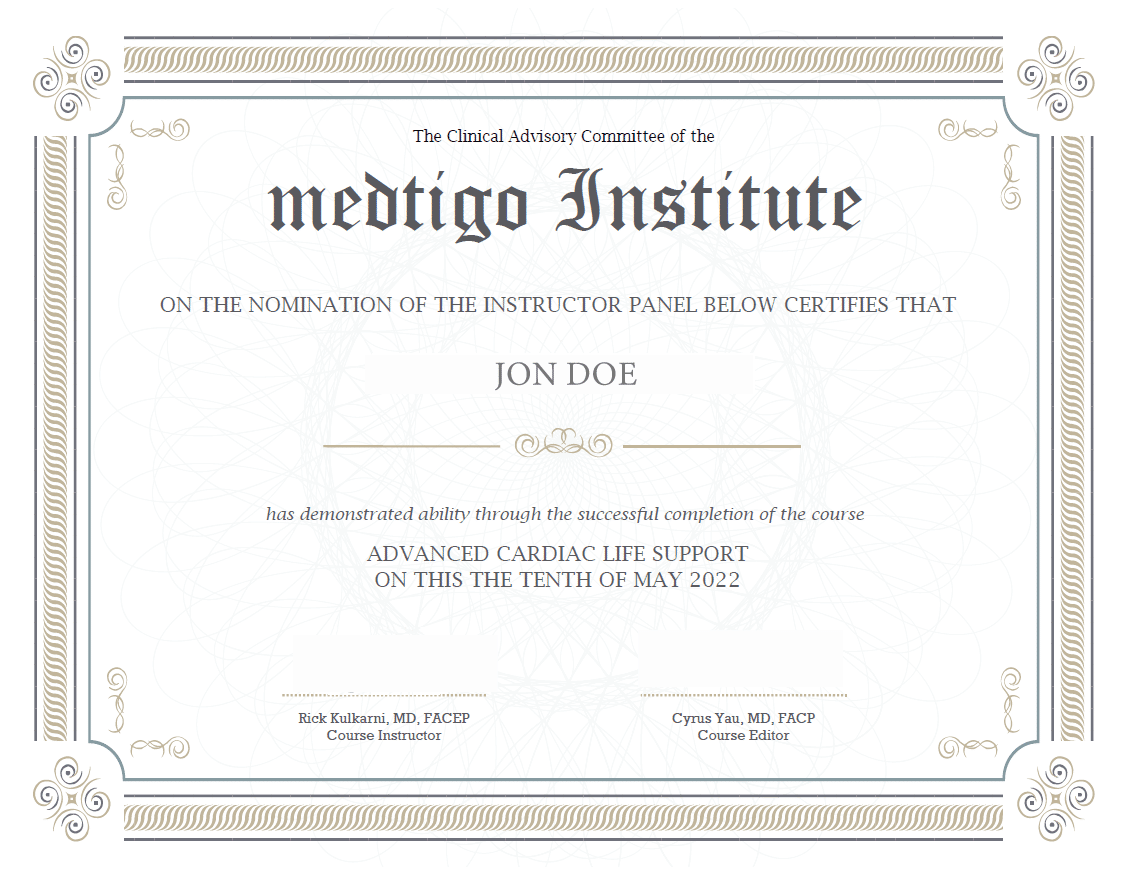
On course completion, you will receive a full-sized presentation quality digital certificate.
A dynamic medical simulation platform designed to train healthcare professionals and students to effectively run code situations through an immersive hands-on experience in a live, interactive 3D environment.

When you have your licenses, certificates and CMEs in one place, it's easier to track your career growth. You can easily share these with hospitals as well, using your medtigo app.