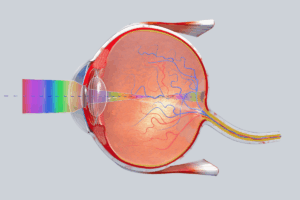
World’s First Human Implant of a 3D-Printed Cornea Restores Sight
December 15, 2025






Background
Arsine gas is a byproduct of industrial processes like semiconductor production and metal refining. This gas occurs when the metal which contains arsine reacts with the acidic solutions or heated materials. It is also produced via the decomposition of specific chemicals like metal hydrides and in the presence of moisture. After the inhalation of arsine, it enters the blood circulation and disturbs the activity of RBCs, which can lead to severe hemolytic anemia. This disease can destroy the RBCs faster than the production of RBCs in the body, which results in an insufficient oxygen supply to important tissues and organs.
The severity of the arsine poisoning is dependent on the concentration and duration of the exposure. Low level of the arsine gas can also harmful and increased concentration of arsine can also lead to life-threatening and rapid complications. Arsine poisoning is a medical emergency, and it requires an immediate medical treatment to prevent from the severe complication and fatalities.
Epidemiology
The epidemiology of arsine poisoning is difficult to identify because it is uncommon and underreported. Arsine gas does not typically occur in the ordinary situations. It occurs in occupation or industrial areas where arsine is produced or used.
Effective monitoring and reporting procedures are necessary to collect the accurate epidemiological data and analyze the effect of arsine poisoning on public health in the hazardous exposure. It is necessary to train the healthcare providers to identify and manage the cases of arsine poisoning, so they can help to understand and response to the rare condition.
Anatomy
Pathophysiology
The pathophysiology of arsine poisoning is based on the toxic effects of arsine gas (AsH3) on the body. It affects the red blood cells and oxygen transport. By inhalation, arsine gas enters the body. It diffuses into the respiratory membrane and enters into the bloodstream.
Hemolytic anemia: The primary characteristic of arsine gas poisoning is the ability to lead to severe hemolytic anemia. Arsine binds to the hemoglobin in the blood. This can disrupt the function and structure of hemoglobin, and it leads to the hemolysis. This can cause disruption of RBCs. The reticuloendothelial system eliminates the damaged RBCs from the blood, and it leads to a significant reduction in the functional RBCs, which are available to carry oxygen.
Oxygen transport impairment: When there is a reduction in the functional RBCs and impaired function of hemoglobin, the capacity of blood to carry oxygen is affected. This can lead to the insufficient delivery of oxygen to the organs and tissues and lead to hypoxia a condition of insufficient supply of oxygen and dysfunction of oxygen.
Endothelial damage: Arsine gas exposure can lead to the direct damage the endothelial cells which are line under the blood vessels. This may release of inflammatory mediators and activation of coagulation pathways. This can lead to thrombosis a condition of blood clot formation and disturb the microcirculatory.
Systematic effects: The reduction of oxygen to the important organs like heart, brain, and kidneys can lead to dysfunction of the multiorgan. Severe arsine poisoning may lead to the acute kidney injury, multiorgan failure, and cardiovascular collapse.
Metabolism and elimination: The liver can metabolize the arsine gas, and it eliminates it from the body via exhalation.
Etiology
The etiology of arsine poisoning is exposure to AsH3. It is a highly toxic and ignited gas. It is produced by a specific chemical processes which involves the metals which contain arsine or arsine containing materials. The main causes of arsine gas exposure involve industrial processes, semiconductor production, laboratory work, and metal refining.
Industrial process: Arsine gas is produced as a byproduct of industrial processes which involves arsine metals. It can produce from the metal refining when metals which contains arsine reacts with acidic solution. It is also produced from the production of semiconductor when metals which contains arsine heated.
Chemical reactions: Arsine gas can also produce via decomposition of chemicals like metal hydrides in the moist environment.
Occupational exposure: Workers in industries that deal with the metals which contains arsine or chemicals which produce arsine are at more risk of arsine exposure. Occupations like metal workers, semiconductor industry workers, electronic manufacturers, and other metal processing and refining industry workers.
Confined spaces: Arsine gas has more density than the air. It may accumulate to the increased concentration and increased the risk of exposure in the confined spaces.
Accidental exposures: Accidental exposure to arsine gas may occur when there is mishandling of equipment or chemical, specifically when necessary safety precautions are not there.
Lack of awareness: Arsine gas is colorless, odourless, and tasteless. This makes difficult to identify it without any specialize equipment. Individuals may be exposed to this gas without even knowing, and there is delay in recognizing the arsine poisoning.
Genetics
Prognostic Factors
The prognosis factors of arsine poisoning may vary based on the many factors that are related to the severity of exposure and the prompt initiation of the proper medical treatment. Prognosis factors can help the healthcare provider to detect the potential outcomes and assist in treatment options.
Duration and concentration of exposure: The duration and concentration of the arsine gas are the important factors to determine the severity of arsine poisoning. The increased concentration and prolonged exposure to the arsine gas can lead to the more severe complications and symptoms.
Immediate medical treatment: Early detection and immediate initiation of treatment are important for a better prognosis. Timely supportive treatment, blood transfusion, and eliminate the arsine gas from the body are major influences on the outcomes.
Health status of individuals: Already existed medical conditions, age, and general health status may influence the ability of body to deal with the arsine poisoning effects.
Extent of hemolysis: The destruction of RBCs or hemolysis produced by the reduced amount of oxygen in the body may lead to severe anemia and potential complications like acute kidney disease or cardiovascular collapse.
Multiorgan dysfunction: Insufficient oxygen supply to the multiorgan can have a major impact in the prognosis. In severe cases, multiorgan dysfunction has a bad prognosis.
Effectiveness of interventions: The effectiveness of treatment like blood transfusion to compensate the RBCs and eliminate the arsine gas from the body may also impact the prognosis.
Patient response to treatment: The patient response to treatment is most important prognosis factor. Stability in vital signs, improvements in symptoms, and restoration of organ function are the positive indicators.
Delayed complications: Complications can arise after days or weeks of initial exposure. The delayed complication development may affect the prognosis.
Clinical History
Non-specific symptoms and indications:
Dizziness and weakness
Vomiting and nausea
Shortness of breath
Headache
Abdominal pain
Pallor
Diarrhea
Confusion
Systemic symptoms and indications:
Shortness of breath
Hemolytic anemia
Jaundice
Dark-colored urine
Fatigue
Weakness
Chest pain
Confusion
Altered mental status
Multiorgan dysfunction
Gastrointestinal disturbance
Age Group:
Children
Adolescents
Older adults
Physical Examination
Age group
Associated comorbidity
Associated activity
Acuity of presentation
The acuity of arsine poisoning refers to the rapid onset of symptoms upon exposure. It is determined by the factors like duration, concentration, health, and age. It can be acute or subacute based on the symptoms which appeared after the exposure or delayed exposure by several hours to a few days.
Acute phase: In cases of acute arsine poisoning, symptoms may produce rapidly or quickly after an increased concentration of arsine gas exposure. The acute phase of arsine poisoning may involve severe symptoms like:
Weakness and fatigue developed quickly
Rapidly progressive hemolytic anemia, which leads to jaundice and pallor
Severe shortness of breath
Acute chest pain or discomfort because of myocardial ischemia
Impaired mental status, confusion, or seizures in severe cases
Multiorgan dysfunction like liver dysfunction or acute kidney failure
Subacute phase: In cases of subacute arsine poisoning, it occurred during the lower concentration of arsine exposure or prolonged exposure to arsine gas. The symptoms may develop after several hours or days or week. The symptoms are like:
Weakness and fatigue developed gradually
Progression of hemolytic anemia, which leads to jaundice and pallor
Shortness of breath and difficulty breathing
Subacute chest pain and discomfort
Impaired mental status or confusion over a developed time
Differential Diagnoses
Laboratory Studies
Imaging Studies
Procedures
Histologic Findings
Staging
Treatment Paradigm
The treatment paradigm for arsine poisoning includes immediate medical attention and supportive care to stabilize the state of patient, eliminate the arsine, and handle the complications like severe hemolytic anemia and multiorgan dysfunction. The aim of the treatment is to increase oxygen supply, manage hemolysis, and give organ support. The treatment may vary and it is depend on the severity of the poisoning and overall health status of patients.
by Stage
by Modality
Chemotherapy
Radiation Therapy
Surgical Interventions
Hormone Therapy
Immunotherapy
Hyperthermia
Photodynamic Therapy
Stem Cell Transplant
Targeted Therapy
Palliative Care
alteration-in-the-environment-for-the-patients
Administration of diuretics to treat the arsine poisoning
Diuresis with urinary alkalinization with sodium bicarbonate and mannitol is used in specific medical conditions to induce diuresis and elevate the urine pH.
They are often used when there is a risk of kidney toxicity or injury from toxins or drugs. The aim of these treatments is to increase the elimination of toxic compounds from the body via urine and decrease the risk of kidney damage.
Mannitol
Mannitol is a diuretic. It elevates the urine production. It is used in medical treatment to reduce the brain swelling, lower the intraocular pressure, and increase the urine output.
Administration of urinary alkalinization to manage of arsine poisoning
Urinary alkalinization is a medical treatment to elevate the pH of urine, which can be useful in some cases of overdose of drugs or particular toxic exposures.
Sodium bicarbonate
Sodium bicarbonate is a urinary alkalization agent. It elevates the pH of urine. It is used in specific medical cases to induce the elimination of drugs and toxins from the body. The use of it is not established in arsine poisoning.
intervention-of-procedure
The treatment paradigm for arsine poisoning includes immediate medical attention and supportive care to stabilize the state of the patient, eliminate the arsine, and handle the complications like severe hemolytic anemia and multiorgan dysfunction.
The treatment approach involves like:
Remove the affected individuals from the area of arsine gas exposure to prevent ongoing poisoning.
Provide supportive care to stabilize the condition of patient which involve supplemental oxygen and intravenous fluids.
Administrate the blood transfusion to address the severe hemolytic anemia which is caused by arsine gas exposure.
Monitor and manage multiorgan dysfunction and complications like acute kidney failure and cardiovascular collapse.
Coordinate with the specialists like hematologists, toxicologists, and critical care specialist.
the-phases-of-management
The management od arsine poisoning may be divided into different phases depending in the exposure duration and development of symptoms.
Acute Phase: The acute phase management starts immediately after the patient exposed to arsine gas and develops symptoms. During the acute phase, the main focus is immediate medical treatment and supportive care to stabilize the condition of the patient. This involves the administration of supplemental oxygen. Blood transfusions and intravenous fluids indicate severe hemolytic anemia, which is caused by arsine gas exposure. The aim is to prevent the ongoing deterioration and to manage the life-threatening complications which can arise because of respiratory distress or cardiovascular collapse.
Subacute Phase: The subacute phase management occurs after the exposure to the arsine gas for hours or days. During the subacute phase, healthcare providers closely examine the condition of patient and provide supportive care. The main focus is to manage the complications which may arise like acute kidney failure or multiorgan dysfunction. Treatment is provided as per the need, and it is vary depending on the severity of the poisoning and overall health status pf patient.
Recovery and Rehabilitation Phase: The rehabilitation and recovery phase of management occurs during the patients gets stabilize and improve the health status. During this phase, the main focus is to promote the recovery of patient, monito the effects of arsine poisoning, and to provide the rehabilitation as needed. Take the follow up care is important to check the progress, manage the symptoms of complication and provide the support during recovery to patient.
During these all-management phases, coordination with the specialists like hematologists, toxicologists, and critical care specialists is important to ensure the appropriate and comprehensive care to the patient.
Medication
Future Trends
References
https://www.ncbi.nlm.nih.gov/books/NBK541125/
Arsine gas is a byproduct of industrial processes like semiconductor production and metal refining. This gas occurs when the metal which contains arsine reacts with the acidic solutions or heated materials. It is also produced via the decomposition of specific chemicals like metal hydrides and in the presence of moisture. After the inhalation of arsine, it enters the blood circulation and disturbs the activity of RBCs, which can lead to severe hemolytic anemia. This disease can destroy the RBCs faster than the production of RBCs in the body, which results in an insufficient oxygen supply to important tissues and organs.
The severity of the arsine poisoning is dependent on the concentration and duration of the exposure. Low level of the arsine gas can also harmful and increased concentration of arsine can also lead to life-threatening and rapid complications. Arsine poisoning is a medical emergency, and it requires an immediate medical treatment to prevent from the severe complication and fatalities.
The epidemiology of arsine poisoning is difficult to identify because it is uncommon and underreported. Arsine gas does not typically occur in the ordinary situations. It occurs in occupation or industrial areas where arsine is produced or used.
Effective monitoring and reporting procedures are necessary to collect the accurate epidemiological data and analyze the effect of arsine poisoning on public health in the hazardous exposure. It is necessary to train the healthcare providers to identify and manage the cases of arsine poisoning, so they can help to understand and response to the rare condition.
The pathophysiology of arsine poisoning is based on the toxic effects of arsine gas (AsH3) on the body. It affects the red blood cells and oxygen transport. By inhalation, arsine gas enters the body. It diffuses into the respiratory membrane and enters into the bloodstream.
Hemolytic anemia: The primary characteristic of arsine gas poisoning is the ability to lead to severe hemolytic anemia. Arsine binds to the hemoglobin in the blood. This can disrupt the function and structure of hemoglobin, and it leads to the hemolysis. This can cause disruption of RBCs. The reticuloendothelial system eliminates the damaged RBCs from the blood, and it leads to a significant reduction in the functional RBCs, which are available to carry oxygen.
Oxygen transport impairment: When there is a reduction in the functional RBCs and impaired function of hemoglobin, the capacity of blood to carry oxygen is affected. This can lead to the insufficient delivery of oxygen to the organs and tissues and lead to hypoxia a condition of insufficient supply of oxygen and dysfunction of oxygen.
Endothelial damage: Arsine gas exposure can lead to the direct damage the endothelial cells which are line under the blood vessels. This may release of inflammatory mediators and activation of coagulation pathways. This can lead to thrombosis a condition of blood clot formation and disturb the microcirculatory.
Systematic effects: The reduction of oxygen to the important organs like heart, brain, and kidneys can lead to dysfunction of the multiorgan. Severe arsine poisoning may lead to the acute kidney injury, multiorgan failure, and cardiovascular collapse.
Metabolism and elimination: The liver can metabolize the arsine gas, and it eliminates it from the body via exhalation.
The etiology of arsine poisoning is exposure to AsH3. It is a highly toxic and ignited gas. It is produced by a specific chemical processes which involves the metals which contain arsine or arsine containing materials. The main causes of arsine gas exposure involve industrial processes, semiconductor production, laboratory work, and metal refining.
Industrial process: Arsine gas is produced as a byproduct of industrial processes which involves arsine metals. It can produce from the metal refining when metals which contains arsine reacts with acidic solution. It is also produced from the production of semiconductor when metals which contains arsine heated.
Chemical reactions: Arsine gas can also produce via decomposition of chemicals like metal hydrides in the moist environment.
Occupational exposure: Workers in industries that deal with the metals which contains arsine or chemicals which produce arsine are at more risk of arsine exposure. Occupations like metal workers, semiconductor industry workers, electronic manufacturers, and other metal processing and refining industry workers.
Confined spaces: Arsine gas has more density than the air. It may accumulate to the increased concentration and increased the risk of exposure in the confined spaces.
Accidental exposures: Accidental exposure to arsine gas may occur when there is mishandling of equipment or chemical, specifically when necessary safety precautions are not there.
Lack of awareness: Arsine gas is colorless, odourless, and tasteless. This makes difficult to identify it without any specialize equipment. Individuals may be exposed to this gas without even knowing, and there is delay in recognizing the arsine poisoning.
The prognosis factors of arsine poisoning may vary based on the many factors that are related to the severity of exposure and the prompt initiation of the proper medical treatment. Prognosis factors can help the healthcare provider to detect the potential outcomes and assist in treatment options.
Duration and concentration of exposure: The duration and concentration of the arsine gas are the important factors to determine the severity of arsine poisoning. The increased concentration and prolonged exposure to the arsine gas can lead to the more severe complications and symptoms.
Immediate medical treatment: Early detection and immediate initiation of treatment are important for a better prognosis. Timely supportive treatment, blood transfusion, and eliminate the arsine gas from the body are major influences on the outcomes.
Health status of individuals: Already existed medical conditions, age, and general health status may influence the ability of body to deal with the arsine poisoning effects.
Extent of hemolysis: The destruction of RBCs or hemolysis produced by the reduced amount of oxygen in the body may lead to severe anemia and potential complications like acute kidney disease or cardiovascular collapse.
Multiorgan dysfunction: Insufficient oxygen supply to the multiorgan can have a major impact in the prognosis. In severe cases, multiorgan dysfunction has a bad prognosis.
Effectiveness of interventions: The effectiveness of treatment like blood transfusion to compensate the RBCs and eliminate the arsine gas from the body may also impact the prognosis.
Patient response to treatment: The patient response to treatment is most important prognosis factor. Stability in vital signs, improvements in symptoms, and restoration of organ function are the positive indicators.
Delayed complications: Complications can arise after days or weeks of initial exposure. The delayed complication development may affect the prognosis.
Non-specific symptoms and indications:
Dizziness and weakness
Vomiting and nausea
Shortness of breath
Headache
Abdominal pain
Pallor
Diarrhea
Confusion
Systemic symptoms and indications:
Shortness of breath
Hemolytic anemia
Jaundice
Dark-colored urine
Fatigue
Weakness
Chest pain
Confusion
Altered mental status
Multiorgan dysfunction
Gastrointestinal disturbance
Age Group:
Children
Adolescents
Older adults
The acuity of arsine poisoning refers to the rapid onset of symptoms upon exposure. It is determined by the factors like duration, concentration, health, and age. It can be acute or subacute based on the symptoms which appeared after the exposure or delayed exposure by several hours to a few days.
Acute phase: In cases of acute arsine poisoning, symptoms may produce rapidly or quickly after an increased concentration of arsine gas exposure. The acute phase of arsine poisoning may involve severe symptoms like:
Weakness and fatigue developed quickly
Rapidly progressive hemolytic anemia, which leads to jaundice and pallor
Severe shortness of breath
Acute chest pain or discomfort because of myocardial ischemia
Impaired mental status, confusion, or seizures in severe cases
Multiorgan dysfunction like liver dysfunction or acute kidney failure
Subacute phase: In cases of subacute arsine poisoning, it occurred during the lower concentration of arsine exposure or prolonged exposure to arsine gas. The symptoms may develop after several hours or days or week. The symptoms are like:
Weakness and fatigue developed gradually
Progression of hemolytic anemia, which leads to jaundice and pallor
Shortness of breath and difficulty breathing
Subacute chest pain and discomfort
Impaired mental status or confusion over a developed time
The treatment paradigm for arsine poisoning includes immediate medical attention and supportive care to stabilize the state of patient, eliminate the arsine, and handle the complications like severe hemolytic anemia and multiorgan dysfunction. The aim of the treatment is to increase oxygen supply, manage hemolysis, and give organ support. The treatment may vary and it is depend on the severity of the poisoning and overall health status of patients.
Diuresis with urinary alkalinization with sodium bicarbonate and mannitol is used in specific medical conditions to induce diuresis and elevate the urine pH.
They are often used when there is a risk of kidney toxicity or injury from toxins or drugs. The aim of these treatments is to increase the elimination of toxic compounds from the body via urine and decrease the risk of kidney damage.
Mannitol
Mannitol is a diuretic. It elevates the urine production. It is used in medical treatment to reduce the brain swelling, lower the intraocular pressure, and increase the urine output.
Urinary alkalinization is a medical treatment to elevate the pH of urine, which can be useful in some cases of overdose of drugs or particular toxic exposures.
Sodium bicarbonate
Sodium bicarbonate is a urinary alkalization agent. It elevates the pH of urine. It is used in specific medical cases to induce the elimination of drugs and toxins from the body. The use of it is not established in arsine poisoning.
The treatment paradigm for arsine poisoning includes immediate medical attention and supportive care to stabilize the state of the patient, eliminate the arsine, and handle the complications like severe hemolytic anemia and multiorgan dysfunction.
The treatment approach involves like:
Remove the affected individuals from the area of arsine gas exposure to prevent ongoing poisoning.
Provide supportive care to stabilize the condition of patient which involve supplemental oxygen and intravenous fluids.
Administrate the blood transfusion to address the severe hemolytic anemia which is caused by arsine gas exposure.
Monitor and manage multiorgan dysfunction and complications like acute kidney failure and cardiovascular collapse.
Coordinate with the specialists like hematologists, toxicologists, and critical care specialist.
The management od arsine poisoning may be divided into different phases depending in the exposure duration and development of symptoms.
Acute Phase: The acute phase management starts immediately after the patient exposed to arsine gas and develops symptoms. During the acute phase, the main focus is immediate medical treatment and supportive care to stabilize the condition of the patient. This involves the administration of supplemental oxygen. Blood transfusions and intravenous fluids indicate severe hemolytic anemia, which is caused by arsine gas exposure. The aim is to prevent the ongoing deterioration and to manage the life-threatening complications which can arise because of respiratory distress or cardiovascular collapse.
Subacute Phase: The subacute phase management occurs after the exposure to the arsine gas for hours or days. During the subacute phase, healthcare providers closely examine the condition of patient and provide supportive care. The main focus is to manage the complications which may arise like acute kidney failure or multiorgan dysfunction. Treatment is provided as per the need, and it is vary depending on the severity of the poisoning and overall health status pf patient.
Recovery and Rehabilitation Phase: The rehabilitation and recovery phase of management occurs during the patients gets stabilize and improve the health status. During this phase, the main focus is to promote the recovery of patient, monito the effects of arsine poisoning, and to provide the rehabilitation as needed. Take the follow up care is important to check the progress, manage the symptoms of complication and provide the support during recovery to patient.
During these all-management phases, coordination with the specialists like hematologists, toxicologists, and critical care specialists is important to ensure the appropriate and comprehensive care to the patient.
https://www.ncbi.nlm.nih.gov/books/NBK541125/

Arsine gas is a byproduct of industrial processes like semiconductor production and metal refining. This gas occurs when the metal which contains arsine reacts with the acidic solutions or heated materials. It is also produced via the decomposition of specific chemicals like metal hydrides and in the presence of moisture. After the inhalation of arsine, it enters the blood circulation and disturbs the activity of RBCs, which can lead to severe hemolytic anemia. This disease can destroy the RBCs faster than the production of RBCs in the body, which results in an insufficient oxygen supply to important tissues and organs.
The severity of the arsine poisoning is dependent on the concentration and duration of the exposure. Low level of the arsine gas can also harmful and increased concentration of arsine can also lead to life-threatening and rapid complications. Arsine poisoning is a medical emergency, and it requires an immediate medical treatment to prevent from the severe complication and fatalities.
The epidemiology of arsine poisoning is difficult to identify because it is uncommon and underreported. Arsine gas does not typically occur in the ordinary situations. It occurs in occupation or industrial areas where arsine is produced or used.
Effective monitoring and reporting procedures are necessary to collect the accurate epidemiological data and analyze the effect of arsine poisoning on public health in the hazardous exposure. It is necessary to train the healthcare providers to identify and manage the cases of arsine poisoning, so they can help to understand and response to the rare condition.
The pathophysiology of arsine poisoning is based on the toxic effects of arsine gas (AsH3) on the body. It affects the red blood cells and oxygen transport. By inhalation, arsine gas enters the body. It diffuses into the respiratory membrane and enters into the bloodstream.
Hemolytic anemia: The primary characteristic of arsine gas poisoning is the ability to lead to severe hemolytic anemia. Arsine binds to the hemoglobin in the blood. This can disrupt the function and structure of hemoglobin, and it leads to the hemolysis. This can cause disruption of RBCs. The reticuloendothelial system eliminates the damaged RBCs from the blood, and it leads to a significant reduction in the functional RBCs, which are available to carry oxygen.
Oxygen transport impairment: When there is a reduction in the functional RBCs and impaired function of hemoglobin, the capacity of blood to carry oxygen is affected. This can lead to the insufficient delivery of oxygen to the organs and tissues and lead to hypoxia a condition of insufficient supply of oxygen and dysfunction of oxygen.
Endothelial damage: Arsine gas exposure can lead to the direct damage the endothelial cells which are line under the blood vessels. This may release of inflammatory mediators and activation of coagulation pathways. This can lead to thrombosis a condition of blood clot formation and disturb the microcirculatory.
Systematic effects: The reduction of oxygen to the important organs like heart, brain, and kidneys can lead to dysfunction of the multiorgan. Severe arsine poisoning may lead to the acute kidney injury, multiorgan failure, and cardiovascular collapse.
Metabolism and elimination: The liver can metabolize the arsine gas, and it eliminates it from the body via exhalation.
The etiology of arsine poisoning is exposure to AsH3. It is a highly toxic and ignited gas. It is produced by a specific chemical processes which involves the metals which contain arsine or arsine containing materials. The main causes of arsine gas exposure involve industrial processes, semiconductor production, laboratory work, and metal refining.
Industrial process: Arsine gas is produced as a byproduct of industrial processes which involves arsine metals. It can produce from the metal refining when metals which contains arsine reacts with acidic solution. It is also produced from the production of semiconductor when metals which contains arsine heated.
Chemical reactions: Arsine gas can also produce via decomposition of chemicals like metal hydrides in the moist environment.
Occupational exposure: Workers in industries that deal with the metals which contains arsine or chemicals which produce arsine are at more risk of arsine exposure. Occupations like metal workers, semiconductor industry workers, electronic manufacturers, and other metal processing and refining industry workers.
Confined spaces: Arsine gas has more density than the air. It may accumulate to the increased concentration and increased the risk of exposure in the confined spaces.
Accidental exposures: Accidental exposure to arsine gas may occur when there is mishandling of equipment or chemical, specifically when necessary safety precautions are not there.
Lack of awareness: Arsine gas is colorless, odourless, and tasteless. This makes difficult to identify it without any specialize equipment. Individuals may be exposed to this gas without even knowing, and there is delay in recognizing the arsine poisoning.
The prognosis factors of arsine poisoning may vary based on the many factors that are related to the severity of exposure and the prompt initiation of the proper medical treatment. Prognosis factors can help the healthcare provider to detect the potential outcomes and assist in treatment options.
Duration and concentration of exposure: The duration and concentration of the arsine gas are the important factors to determine the severity of arsine poisoning. The increased concentration and prolonged exposure to the arsine gas can lead to the more severe complications and symptoms.
Immediate medical treatment: Early detection and immediate initiation of treatment are important for a better prognosis. Timely supportive treatment, blood transfusion, and eliminate the arsine gas from the body are major influences on the outcomes.
Health status of individuals: Already existed medical conditions, age, and general health status may influence the ability of body to deal with the arsine poisoning effects.
Extent of hemolysis: The destruction of RBCs or hemolysis produced by the reduced amount of oxygen in the body may lead to severe anemia and potential complications like acute kidney disease or cardiovascular collapse.
Multiorgan dysfunction: Insufficient oxygen supply to the multiorgan can have a major impact in the prognosis. In severe cases, multiorgan dysfunction has a bad prognosis.
Effectiveness of interventions: The effectiveness of treatment like blood transfusion to compensate the RBCs and eliminate the arsine gas from the body may also impact the prognosis.
Patient response to treatment: The patient response to treatment is most important prognosis factor. Stability in vital signs, improvements in symptoms, and restoration of organ function are the positive indicators.
Delayed complications: Complications can arise after days or weeks of initial exposure. The delayed complication development may affect the prognosis.
Non-specific symptoms and indications:
Dizziness and weakness
Vomiting and nausea
Shortness of breath
Headache
Abdominal pain
Pallor
Diarrhea
Confusion
Systemic symptoms and indications:
Shortness of breath
Hemolytic anemia
Jaundice
Dark-colored urine
Fatigue
Weakness
Chest pain
Confusion
Altered mental status
Multiorgan dysfunction
Gastrointestinal disturbance
Age Group:
Children
Adolescents
Older adults
The acuity of arsine poisoning refers to the rapid onset of symptoms upon exposure. It is determined by the factors like duration, concentration, health, and age. It can be acute or subacute based on the symptoms which appeared after the exposure or delayed exposure by several hours to a few days.
Acute phase: In cases of acute arsine poisoning, symptoms may produce rapidly or quickly after an increased concentration of arsine gas exposure. The acute phase of arsine poisoning may involve severe symptoms like:
Weakness and fatigue developed quickly
Rapidly progressive hemolytic anemia, which leads to jaundice and pallor
Severe shortness of breath
Acute chest pain or discomfort because of myocardial ischemia
Impaired mental status, confusion, or seizures in severe cases
Multiorgan dysfunction like liver dysfunction or acute kidney failure
Subacute phase: In cases of subacute arsine poisoning, it occurred during the lower concentration of arsine exposure or prolonged exposure to arsine gas. The symptoms may develop after several hours or days or week. The symptoms are like:
Weakness and fatigue developed gradually
Progression of hemolytic anemia, which leads to jaundice and pallor
Shortness of breath and difficulty breathing
Subacute chest pain and discomfort
Impaired mental status or confusion over a developed time
The treatment paradigm for arsine poisoning includes immediate medical attention and supportive care to stabilize the state of patient, eliminate the arsine, and handle the complications like severe hemolytic anemia and multiorgan dysfunction. The aim of the treatment is to increase oxygen supply, manage hemolysis, and give organ support. The treatment may vary and it is depend on the severity of the poisoning and overall health status of patients.
Diuresis with urinary alkalinization with sodium bicarbonate and mannitol is used in specific medical conditions to induce diuresis and elevate the urine pH.
They are often used when there is a risk of kidney toxicity or injury from toxins or drugs. The aim of these treatments is to increase the elimination of toxic compounds from the body via urine and decrease the risk of kidney damage.
Mannitol
Mannitol is a diuretic. It elevates the urine production. It is used in medical treatment to reduce the brain swelling, lower the intraocular pressure, and increase the urine output.
Urinary alkalinization is a medical treatment to elevate the pH of urine, which can be useful in some cases of overdose of drugs or particular toxic exposures.
Sodium bicarbonate
Sodium bicarbonate is a urinary alkalization agent. It elevates the pH of urine. It is used in specific medical cases to induce the elimination of drugs and toxins from the body. The use of it is not established in arsine poisoning.
The treatment paradigm for arsine poisoning includes immediate medical attention and supportive care to stabilize the state of the patient, eliminate the arsine, and handle the complications like severe hemolytic anemia and multiorgan dysfunction.
The treatment approach involves like:
Remove the affected individuals from the area of arsine gas exposure to prevent ongoing poisoning.
Provide supportive care to stabilize the condition of patient which involve supplemental oxygen and intravenous fluids.
Administrate the blood transfusion to address the severe hemolytic anemia which is caused by arsine gas exposure.
Monitor and manage multiorgan dysfunction and complications like acute kidney failure and cardiovascular collapse.
Coordinate with the specialists like hematologists, toxicologists, and critical care specialist.
The management od arsine poisoning may be divided into different phases depending in the exposure duration and development of symptoms.
Acute Phase: The acute phase management starts immediately after the patient exposed to arsine gas and develops symptoms. During the acute phase, the main focus is immediate medical treatment and supportive care to stabilize the condition of the patient. This involves the administration of supplemental oxygen. Blood transfusions and intravenous fluids indicate severe hemolytic anemia, which is caused by arsine gas exposure. The aim is to prevent the ongoing deterioration and to manage the life-threatening complications which can arise because of respiratory distress or cardiovascular collapse.
Subacute Phase: The subacute phase management occurs after the exposure to the arsine gas for hours or days. During the subacute phase, healthcare providers closely examine the condition of patient and provide supportive care. The main focus is to manage the complications which may arise like acute kidney failure or multiorgan dysfunction. Treatment is provided as per the need, and it is vary depending on the severity of the poisoning and overall health status pf patient.
Recovery and Rehabilitation Phase: The rehabilitation and recovery phase of management occurs during the patients gets stabilize and improve the health status. During this phase, the main focus is to promote the recovery of patient, monito the effects of arsine poisoning, and to provide the rehabilitation as needed. Take the follow up care is important to check the progress, manage the symptoms of complication and provide the support during recovery to patient.
During these all-management phases, coordination with the specialists like hematologists, toxicologists, and critical care specialists is important to ensure the appropriate and comprehensive care to the patient.
https://www.ncbi.nlm.nih.gov/books/NBK541125/

Both our subscription plans include Free CME/CPD AMA PRA Category 1 credits.

On course completion, you will receive a full-sized presentation quality digital certificate.
A dynamic medical simulation platform designed to train healthcare professionals and students to effectively run code situations through an immersive hands-on experience in a live, interactive 3D environment.

When you have your licenses, certificates and CMEs in one place, it's easier to track your career growth. You can easily share these with hospitals as well, using your medtigo app.