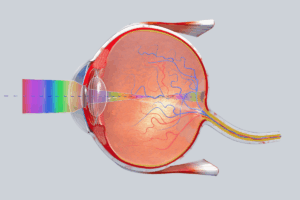
World’s First Human Implant of a 3D-Printed Cornea Restores Sight
December 15, 2025






Background
Asperger syndrome, also known as Asperger’s disorder, is a neurodevelopmental condition that is considered to be on the autism spectrum. It was named after Austrian pediatrician Hans Asperger, who first described the syndrome in the 1940s, although it was not widely recognized until many years later.
Individuals with Asperger syndrome typically exhibit significant difficulties in social interaction and communication skills. They may have limited or repetitive patterns of behavior, interests, and activities. However, unlike some other forms of autism, individuals with Asperger syndrome generally have average to above-average intelligence and do not experience significant delays in language development.
Epidemiology
Since the diagnostic criteria for Asperger syndrome have changed, and it is now classified under Autism Spectrum Disorder (ASD) in the DSM-5, specific prevalence rates for Asperger syndrome alone are no longer available. However, I can provide you with some information on the epidemiology of Autism Spectrum Disorder, which includes individuals who would have previously been diagnosed with Asperger syndrome. Autism Spectrum Disorder is a relatively common neurodevelopmental disorder worldwide. Here are some key points regarding its
epidemiology:
Anatomy
Pathophysiology
The pathophysiology of Asperger syndrome, is not yet fully understood. However, research has provided insights into certain factors that may contribute to its development. It is believed to be a complex interplay of genetic, environmental, and neurobiological factors.
Here are some key aspects related to the pathophysiology of Asperger syndrome:
Genetic factors: There is strong evidence to suggest a genetic component in the development of ASD, including Asperger syndrome. Studies have shown that certain genes and genetic variations are associated with an increased risk of developing ASD. These genetic factors are believed to influence brain development and function, impacting social interaction, communication, and other behaviors.
Neurobiological differences: Brain imaging studies have revealed structural and functional differences in the brains of individuals with ASD. These differences may involve altered connectivity and communication between different regions of the brain, particularly those involved in social cognition and communication. It is thought that these neurobiological differences contribute to the challenges individuals with Asperger syndrome experience in social interaction and communication skills.
Cognitive processing differences: Individuals with Asperger syndrome often exhibit strengths in specific cognitive domains, such as pattern recognition, attention to detail, and logical reasoning. At the same time, they may struggle with tasks requiring flexible thinking, understanding social cues, and adapting to change. These cognitive processing differences suggest that there may be atypical information processing and integration in the brains of individuals with Asperger syndrome.
Environmental factors: While genetics play a significant role, environmental factors may also contribute to the development of Asperger syndrome. Prenatal and perinatal factors, such as maternal infections during pregnancy, exposure to certain medications, or complications during birth, have been implicated as potential risk factors. However, the specific environmental factors and their interactions with genetic factors are still being investigated.
Etiology
The etiology, or underlying causes, of Asperger syndrome, which is now classified under Autism Spectrum Disorder (ASD), is a topic that has been extensively studied. While the exact etiology is still not fully understood, research suggests that a combination of genetic and environmental factors contributes to the development of ASD, including Asperger syndrome. Here are some key factors related to the etiology of Asperger syndrome:
Genetic factors: There is strong evidence for a genetic component in the etiology of Asperger syndrome. Numerous studies have identified genetic variations and mutations that are associated with an increased risk of developing ASD. These genetic factors can impact brain development, neuronal connectivity, and the functioning of neurotransmitters involved in social communication and interaction.
Family history: The presence of ASD or related traits in family members increases the likelihood of an individual developing Asperger syndrome. Siblings of individuals with ASD have a higher risk of also being diagnosed with ASD, including Asperger syndrome, compared to the general population. This suggests a genetic predisposition to the condition.
Environmental factors: Various environmental factors have been studied as potential contributors to the etiology of Asperger syndrome. These factors include prenatal and perinatal conditions such as maternal infections during pregnancy, exposure to certain toxins or medications, maternal stress, and complications during birth. However, it is important to note that the role of environmental factors is complex and not fully understood.
Brain development and connectivity: Research has shown that individuals with Asperger syndrome exhibit differences in brain structure and connectivity. These differences may arise during prenatal and early postnatal brain development. Altered brain development and connectivity can affect the neural circuits involved in social communication, leading to the characteristic difficulties seen in Asperger syndrome.
Neurochemical and neurotransmitter abnormalities: Imbalances in neurotransmitters, such as serotonin and dopamine, have been observed in individuals with ASD, including those with Asperger syndrome. These abnormalities may contribute to the atypical brain functioning and behaviors seen in the condition.
Genetics
Prognostic Factors
Asperger syndrome, is a lifelong condition, and the prognosis can vary widely among individuals. The long-term outlook and prognosis for individuals with Asperger syndrome depend on several factors, including the severity of symptoms, the presence of co-occurring conditions, the availability of support and interventions, and individual strengths and challenges. Here are some general considerations regarding the prognosis of Asperger syndrome:
Clinical History
Clinical history
The clinical history of Asperger syndrome refers to the pattern of symptoms, developmental milestones, and behavioral characteristics typically observed in individuals with the condition. Although the diagnosis of Asperger syndrome is no longer used in the Diagnostic and Statistical Manual of Mental Disorders (DSM-5), I can provide you with an overview of the clinical history that was associated with Asperger syndrome before it was subsumed under Autism Spectrum Disorder (ASD).
Here are some key aspects:
Physical Examination
Physical examination
Asperger syndrome, is primarily diagnosed based on behavioral and developmental observations rather than physical examinations. However, during a clinical evaluation, a healthcare professional may conduct a physical examination as part of a comprehensive assessment. The physical examination is primarily aimed at ruling out other medical conditions or identifying any associated features that may be present. Here are some aspects that may be considered during a physical examination:
Age group
Associated comorbidity
Associated activity
Acuity of presentation
Differential Diagnoses
Differential diagnosis
When evaluating a person for Asperger syndrome, it is important to consider other conditions that may present with similar features. The differential diagnosis involves distinguishing Asperger syndrome from other neurodevelopmental disorders, psychiatric conditions, or medical conditions that can exhibit overlapping symptoms. Here are some conditions that may be considered in the differential diagnosis:
Laboratory Studies
Imaging Studies
Procedures
Histologic Findings
Staging
Treatment Paradigm
The treatment of Asperger syndrome, involves a multidisciplinary approach tailored to the individual’s unique needs and challenges. There is no cure for ASD, but early intervention and targeted therapies can significantly improve outcomes and quality of life. Here are some common components of treatment for Asperger syndrome:
by Stage
by Modality
Chemotherapy
Radiation Therapy
Surgical Interventions
Hormone Therapy
Immunotherapy
Hyperthermia
Photodynamic Therapy
Stem Cell Transplant
Targeted Therapy
Palliative Care
Medication
Future Trends
References
https://www.ncbi.nlm.nih.gov/books/NBK557548/
Asperger syndrome, also known as Asperger’s disorder, is a neurodevelopmental condition that is considered to be on the autism spectrum. It was named after Austrian pediatrician Hans Asperger, who first described the syndrome in the 1940s, although it was not widely recognized until many years later.
Individuals with Asperger syndrome typically exhibit significant difficulties in social interaction and communication skills. They may have limited or repetitive patterns of behavior, interests, and activities. However, unlike some other forms of autism, individuals with Asperger syndrome generally have average to above-average intelligence and do not experience significant delays in language development.
Since the diagnostic criteria for Asperger syndrome have changed, and it is now classified under Autism Spectrum Disorder (ASD) in the DSM-5, specific prevalence rates for Asperger syndrome alone are no longer available. However, I can provide you with some information on the epidemiology of Autism Spectrum Disorder, which includes individuals who would have previously been diagnosed with Asperger syndrome. Autism Spectrum Disorder is a relatively common neurodevelopmental disorder worldwide. Here are some key points regarding its
epidemiology:
The pathophysiology of Asperger syndrome, is not yet fully understood. However, research has provided insights into certain factors that may contribute to its development. It is believed to be a complex interplay of genetic, environmental, and neurobiological factors.
Here are some key aspects related to the pathophysiology of Asperger syndrome:
Genetic factors: There is strong evidence to suggest a genetic component in the development of ASD, including Asperger syndrome. Studies have shown that certain genes and genetic variations are associated with an increased risk of developing ASD. These genetic factors are believed to influence brain development and function, impacting social interaction, communication, and other behaviors.
Neurobiological differences: Brain imaging studies have revealed structural and functional differences in the brains of individuals with ASD. These differences may involve altered connectivity and communication between different regions of the brain, particularly those involved in social cognition and communication. It is thought that these neurobiological differences contribute to the challenges individuals with Asperger syndrome experience in social interaction and communication skills.
Cognitive processing differences: Individuals with Asperger syndrome often exhibit strengths in specific cognitive domains, such as pattern recognition, attention to detail, and logical reasoning. At the same time, they may struggle with tasks requiring flexible thinking, understanding social cues, and adapting to change. These cognitive processing differences suggest that there may be atypical information processing and integration in the brains of individuals with Asperger syndrome.
Environmental factors: While genetics play a significant role, environmental factors may also contribute to the development of Asperger syndrome. Prenatal and perinatal factors, such as maternal infections during pregnancy, exposure to certain medications, or complications during birth, have been implicated as potential risk factors. However, the specific environmental factors and their interactions with genetic factors are still being investigated.
The etiology, or underlying causes, of Asperger syndrome, which is now classified under Autism Spectrum Disorder (ASD), is a topic that has been extensively studied. While the exact etiology is still not fully understood, research suggests that a combination of genetic and environmental factors contributes to the development of ASD, including Asperger syndrome. Here are some key factors related to the etiology of Asperger syndrome:
Genetic factors: There is strong evidence for a genetic component in the etiology of Asperger syndrome. Numerous studies have identified genetic variations and mutations that are associated with an increased risk of developing ASD. These genetic factors can impact brain development, neuronal connectivity, and the functioning of neurotransmitters involved in social communication and interaction.
Family history: The presence of ASD or related traits in family members increases the likelihood of an individual developing Asperger syndrome. Siblings of individuals with ASD have a higher risk of also being diagnosed with ASD, including Asperger syndrome, compared to the general population. This suggests a genetic predisposition to the condition.
Environmental factors: Various environmental factors have been studied as potential contributors to the etiology of Asperger syndrome. These factors include prenatal and perinatal conditions such as maternal infections during pregnancy, exposure to certain toxins or medications, maternal stress, and complications during birth. However, it is important to note that the role of environmental factors is complex and not fully understood.
Brain development and connectivity: Research has shown that individuals with Asperger syndrome exhibit differences in brain structure and connectivity. These differences may arise during prenatal and early postnatal brain development. Altered brain development and connectivity can affect the neural circuits involved in social communication, leading to the characteristic difficulties seen in Asperger syndrome.
Neurochemical and neurotransmitter abnormalities: Imbalances in neurotransmitters, such as serotonin and dopamine, have been observed in individuals with ASD, including those with Asperger syndrome. These abnormalities may contribute to the atypical brain functioning and behaviors seen in the condition.
Asperger syndrome, is a lifelong condition, and the prognosis can vary widely among individuals. The long-term outlook and prognosis for individuals with Asperger syndrome depend on several factors, including the severity of symptoms, the presence of co-occurring conditions, the availability of support and interventions, and individual strengths and challenges. Here are some general considerations regarding the prognosis of Asperger syndrome:
Clinical history
The clinical history of Asperger syndrome refers to the pattern of symptoms, developmental milestones, and behavioral characteristics typically observed in individuals with the condition. Although the diagnosis of Asperger syndrome is no longer used in the Diagnostic and Statistical Manual of Mental Disorders (DSM-5), I can provide you with an overview of the clinical history that was associated with Asperger syndrome before it was subsumed under Autism Spectrum Disorder (ASD).
Here are some key aspects:
Physical examination
Asperger syndrome, is primarily diagnosed based on behavioral and developmental observations rather than physical examinations. However, during a clinical evaluation, a healthcare professional may conduct a physical examination as part of a comprehensive assessment. The physical examination is primarily aimed at ruling out other medical conditions or identifying any associated features that may be present. Here are some aspects that may be considered during a physical examination:
Differential diagnosis
When evaluating a person for Asperger syndrome, it is important to consider other conditions that may present with similar features. The differential diagnosis involves distinguishing Asperger syndrome from other neurodevelopmental disorders, psychiatric conditions, or medical conditions that can exhibit overlapping symptoms. Here are some conditions that may be considered in the differential diagnosis:
The treatment of Asperger syndrome, involves a multidisciplinary approach tailored to the individual’s unique needs and challenges. There is no cure for ASD, but early intervention and targeted therapies can significantly improve outcomes and quality of life. Here are some common components of treatment for Asperger syndrome:
https://www.ncbi.nlm.nih.gov/books/NBK557548/

Asperger syndrome, also known as Asperger’s disorder, is a neurodevelopmental condition that is considered to be on the autism spectrum. It was named after Austrian pediatrician Hans Asperger, who first described the syndrome in the 1940s, although it was not widely recognized until many years later.
Individuals with Asperger syndrome typically exhibit significant difficulties in social interaction and communication skills. They may have limited or repetitive patterns of behavior, interests, and activities. However, unlike some other forms of autism, individuals with Asperger syndrome generally have average to above-average intelligence and do not experience significant delays in language development.
Since the diagnostic criteria for Asperger syndrome have changed, and it is now classified under Autism Spectrum Disorder (ASD) in the DSM-5, specific prevalence rates for Asperger syndrome alone are no longer available. However, I can provide you with some information on the epidemiology of Autism Spectrum Disorder, which includes individuals who would have previously been diagnosed with Asperger syndrome. Autism Spectrum Disorder is a relatively common neurodevelopmental disorder worldwide. Here are some key points regarding its
epidemiology:
The pathophysiology of Asperger syndrome, is not yet fully understood. However, research has provided insights into certain factors that may contribute to its development. It is believed to be a complex interplay of genetic, environmental, and neurobiological factors.
Here are some key aspects related to the pathophysiology of Asperger syndrome:
Genetic factors: There is strong evidence to suggest a genetic component in the development of ASD, including Asperger syndrome. Studies have shown that certain genes and genetic variations are associated with an increased risk of developing ASD. These genetic factors are believed to influence brain development and function, impacting social interaction, communication, and other behaviors.
Neurobiological differences: Brain imaging studies have revealed structural and functional differences in the brains of individuals with ASD. These differences may involve altered connectivity and communication between different regions of the brain, particularly those involved in social cognition and communication. It is thought that these neurobiological differences contribute to the challenges individuals with Asperger syndrome experience in social interaction and communication skills.
Cognitive processing differences: Individuals with Asperger syndrome often exhibit strengths in specific cognitive domains, such as pattern recognition, attention to detail, and logical reasoning. At the same time, they may struggle with tasks requiring flexible thinking, understanding social cues, and adapting to change. These cognitive processing differences suggest that there may be atypical information processing and integration in the brains of individuals with Asperger syndrome.
Environmental factors: While genetics play a significant role, environmental factors may also contribute to the development of Asperger syndrome. Prenatal and perinatal factors, such as maternal infections during pregnancy, exposure to certain medications, or complications during birth, have been implicated as potential risk factors. However, the specific environmental factors and their interactions with genetic factors are still being investigated.
The etiology, or underlying causes, of Asperger syndrome, which is now classified under Autism Spectrum Disorder (ASD), is a topic that has been extensively studied. While the exact etiology is still not fully understood, research suggests that a combination of genetic and environmental factors contributes to the development of ASD, including Asperger syndrome. Here are some key factors related to the etiology of Asperger syndrome:
Genetic factors: There is strong evidence for a genetic component in the etiology of Asperger syndrome. Numerous studies have identified genetic variations and mutations that are associated with an increased risk of developing ASD. These genetic factors can impact brain development, neuronal connectivity, and the functioning of neurotransmitters involved in social communication and interaction.
Family history: The presence of ASD or related traits in family members increases the likelihood of an individual developing Asperger syndrome. Siblings of individuals with ASD have a higher risk of also being diagnosed with ASD, including Asperger syndrome, compared to the general population. This suggests a genetic predisposition to the condition.
Environmental factors: Various environmental factors have been studied as potential contributors to the etiology of Asperger syndrome. These factors include prenatal and perinatal conditions such as maternal infections during pregnancy, exposure to certain toxins or medications, maternal stress, and complications during birth. However, it is important to note that the role of environmental factors is complex and not fully understood.
Brain development and connectivity: Research has shown that individuals with Asperger syndrome exhibit differences in brain structure and connectivity. These differences may arise during prenatal and early postnatal brain development. Altered brain development and connectivity can affect the neural circuits involved in social communication, leading to the characteristic difficulties seen in Asperger syndrome.
Neurochemical and neurotransmitter abnormalities: Imbalances in neurotransmitters, such as serotonin and dopamine, have been observed in individuals with ASD, including those with Asperger syndrome. These abnormalities may contribute to the atypical brain functioning and behaviors seen in the condition.
Asperger syndrome, is a lifelong condition, and the prognosis can vary widely among individuals. The long-term outlook and prognosis for individuals with Asperger syndrome depend on several factors, including the severity of symptoms, the presence of co-occurring conditions, the availability of support and interventions, and individual strengths and challenges. Here are some general considerations regarding the prognosis of Asperger syndrome:
Clinical history
The clinical history of Asperger syndrome refers to the pattern of symptoms, developmental milestones, and behavioral characteristics typically observed in individuals with the condition. Although the diagnosis of Asperger syndrome is no longer used in the Diagnostic and Statistical Manual of Mental Disorders (DSM-5), I can provide you with an overview of the clinical history that was associated with Asperger syndrome before it was subsumed under Autism Spectrum Disorder (ASD).
Here are some key aspects:
Physical examination
Asperger syndrome, is primarily diagnosed based on behavioral and developmental observations rather than physical examinations. However, during a clinical evaluation, a healthcare professional may conduct a physical examination as part of a comprehensive assessment. The physical examination is primarily aimed at ruling out other medical conditions or identifying any associated features that may be present. Here are some aspects that may be considered during a physical examination:
Differential diagnosis
When evaluating a person for Asperger syndrome, it is important to consider other conditions that may present with similar features. The differential diagnosis involves distinguishing Asperger syndrome from other neurodevelopmental disorders, psychiatric conditions, or medical conditions that can exhibit overlapping symptoms. Here are some conditions that may be considered in the differential diagnosis:
The treatment of Asperger syndrome, involves a multidisciplinary approach tailored to the individual’s unique needs and challenges. There is no cure for ASD, but early intervention and targeted therapies can significantly improve outcomes and quality of life. Here are some common components of treatment for Asperger syndrome:
https://www.ncbi.nlm.nih.gov/books/NBK557548/

Both our subscription plans include Free CME/CPD AMA PRA Category 1 credits.

On course completion, you will receive a full-sized presentation quality digital certificate.
A dynamic medical simulation platform designed to train healthcare professionals and students to effectively run code situations through an immersive hands-on experience in a live, interactive 3D environment.

When you have your licenses, certificates and CMEs in one place, it's easier to track your career growth. You can easily share these with hospitals as well, using your medtigo app.