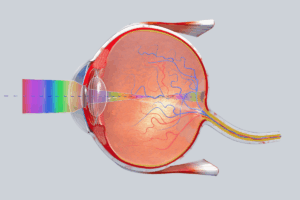
World’s First Human Implant of a 3D-Printed Cornea Restores Sight
December 15, 2025






Background
Soft tissue tumors are a diverse group of neoplasms that can arise from various tissues within the body, excluding the bones and hematopoietic system. These tumors can be broadly classified into two categories: benign and malignant.
Benign Soft-Tissue Tumors:
Benign tumors typically exhibit slow, localized growth and do not invade surrounding tissues. Cells in benign tumors closely resemble normal cells and are well-differentiated.
Many benign tumors are encapsulated, which means they are surrounded by a fibrous tissue capsule.
Malignant Soft-Tissue Tumors:
Malignant tumors exhibit invasive growth, infiltrating surrounding tissues and potentially spreading to distant sites (metastasis).
Cells in malignant tumors often show varying degrees of anaplasia (lack of normal cell differentiation). Increased cell division and mitotic activity are common in malignant tumors.
Malignant tumors arise from connective tissues such as bone, cartilage, fat, muscle, and blood vessels.
Epidemiology
Benign soft-tissue tumors are relatively common, and many individuals may develop such tumors during their lifetime. The incidence can vary depending on the type of benign tumor and the population under consideration.
Benign soft-tissue tumors can occur at any age but may show variation in prevalence across different age groups. Some benign soft-tissue tumors may have a genetic predisposition, and certain syndromes are associated with an increased risk of developing specific types of benign tumors.
Malignant soft-tissue tumors are less common than benign tumors, but they can have significant morbidity and mortality. Incidence rates can vary by tumor type, with certain subtypes being more prevalent in specific populations. Malignant soft-tissue tumors often occur in adults, but some types, such as rhabdomyosarcoma, may primarily affect children.
Anatomy
Pathophysiology
Benign tumors often arise due to somatic mutations in specific genes, leading to uncontrolled cell growth. Dysregulation of genes involved in cell cycle control, apoptosis, and differentiation may contribute to benign tumor formation. Benign tumors typically consist of well-differentiated cells that closely resemble normal tissue cells.
Malignant soft-tissue tumors result from genetic mutations and chromosomal abnormalities that lead to uncontrolled cell growth, evasion of apoptosis, and increased invasiveness. Increased mitotic activity and rapid cell division contribute to the aggressive nature of malignant tumors. Malignant tumors stimulate the formation of new blood vessels to ensure a blood supply for their rapid growth.
Etiology
Some benign soft-tissue tumors have a genetic basis and are associated with hereditary syndromes. Hormone Influence: Certain benign tumors, such as uterine leiomyomas (fibroids), may be influenced by hormonal factors, particularly estrogen.
Inflammatory processes or chronic inflammation in specific tissues may contribute to the development of certain benign soft-tissue tumors.
Genetic Mutations: Malignant soft-tissue tumors often result from genetic mutations that lead to uncontrolled cell growth. In some cases, individuals may inherit genetic mutations predisposing them to certain types of soft-tissue sarcomas.
Genetics
Prognostic Factors
The specific type of benign tumor and its location can influence prognosis. Tumors in critical anatomical locations may have a higher impact on function and may be more challenging to manage.
Larger benign tumors may have a greater impact on surrounding structures and may be associated with more symptoms. The size of the tumor is often considered when determining the need for surgical intervention.
The rate of growth of benign tumors can vary. Slow-growing tumors are generally associated with a better prognosis, while rapidly growing tumors may pose greater challenges.
In cases of soft-tissue sarcomas, lymph node involvement is an important prognostic factor. The presence of metastasis to regional lymph nodes is associated with a higher risk of recurrence.
Clinical History
Age Group:
Benign soft-tissue tumors can occur at any age, from infancy to old age. Certain types of benign soft-tissue tumors, such as lipomas and fibromas, are more commonly diagnosed in middle-aged and older individuals.
Age-related factors, such as changes in fat distribution, may contribute to the development of lipomas in older individuals. Some benign soft-tissue tumors, like infantile hemangiomas, are more common in the pediatric population.
Malignant soft-tissue tumors can occur at any age, including in children, adolescents, adults, and older individuals. Certain soft-tissue sarcomas, such as rhabdomyosarcoma and synovial sarcoma, are more commonly diagnosed in pediatric and adolescent populations.
Common types in adults include liposarcoma, leiomyosarcoma, and malignant fibrous histiocytoma. Many soft-tissue sarcomas are diagnosed in adults, with the incidence increasing with age.
Physical Examination
Diagnostic Tests Examination:
Ultrasound: Can help differentiate the nature of the mass, assess vascularity, and guide biopsy.
MRI (Magnetic Resonance Imaging): Provides detailed information about the size, location, and characteristics of the tumor.
CT (Computed Tomography): Useful for evaluating bony involvement and lung metastases.
Biopsy: It is performed to obtain tissue for histopathological examination, helping to differentiate between benign and malignant tumors.
Age group
Associated comorbidity
Obesity has been associated with an increased risk of developing certain types of benign soft-tissue tumors, including lipomas. Chronic inflammatory conditions or autoimmune disorders may be associated with the development of certain benign soft-tissue tumors.
Trauma or chronic irritation to a specific area may contribute to the development of some benign tumors, such as dermatofibromas. Previous exposure to ionizing radiation is a known risk factor for the development of certain soft-tissue sarcomas. Prolonged exposure to certain chemicals or substances in the workplace may increase the risk of developing soft-tissue sarcomas.
Associated activity
Acuity of presentation
Many benign soft-tissue tumors have an insidious onset, meaning that symptoms develop gradually over time. When symptoms are present, they are often mild and may include a painless lump or swelling. Patients may not notice symptoms until the tumor reaches a size that causes pressure on nearby structures or becomes palpable.
The presentation of malignant soft-tissue tumors can vary widely. Some tumors may present with rapid and aggressive symptoms, while others may have a more indolent course.
Pain is a common symptom in malignant soft-tissue tumors, often related to the rapid growth and invasion of surrounding structures. Malignant tumors, particularly high-grade sarcomas, can exhibit rapid growth and may become symptomatic within a relatively short period.
Differential Diagnoses
Laboratory Studies
Imaging Studies
Procedures
Histologic Findings
Staging
Treatment Paradigm
by Stage
by Modality
Chemotherapy
Radiation Therapy
Surgical Interventions
Hormone Therapy
Immunotherapy
Hyperthermia
Photodynamic Therapy
Stem Cell Transplant
Targeted Therapy
Palliative Care
use-of-non-pharmacological-approach-for-benign-and-malignant-soft-tissue-tumors
Use of chemotherapy for high grade soft tissue tumors
Ifosfamide and doxorubicin are commonly used chemotherapy agents in the treatment of soft-tissue tumors, particularly for high-grade sarcomas.
Soft-tissue sarcomas are a diverse group of cancers that arise from connective tissues, such as muscles, fat, nerves, and blood vessels.
Ifosfamide is commonly used in combination with doxorubicin for the treatment of high-grade soft-tissue sarcomas.
Doxorubicin is widely used in the treatment of various cancers, including soft-tissue sarcomas.
use-of-intervention-with-a-procedure-in-treating-benign-and-malignant-soft-tissue-tumors
use-of-phases-in-managing-benign-and-malignant-soft-tissue-tumors
Malignant tumors are often graded based on the degree of cellular abnormality and differentiation. This information influences treatment planning and predicts the tumor’s aggressiveness.
Treatment Phases:
For Benign Soft-Tissue Tumors: Asymptomatic or slow-growing benign tumors may be observed without immediate intervention.
Symptomatic or enlarging benign tumors are often managed with surgical excision.
For Malignant Soft-Tissue Tumors: Wide local excision is a primary treatment for localized malignant tumors. Limb-sparing surgery is preferred when feasible.
Radiation therapy and/or chemotherapy may be employed as adjuvant treatments to reduce the risk of local recurrence or manage systemic disease.
Medication
Future Trends
Soft tissue tumors are a diverse group of neoplasms that can arise from various tissues within the body, excluding the bones and hematopoietic system. These tumors can be broadly classified into two categories: benign and malignant.
Benign Soft-Tissue Tumors:
Benign tumors typically exhibit slow, localized growth and do not invade surrounding tissues. Cells in benign tumors closely resemble normal cells and are well-differentiated.
Many benign tumors are encapsulated, which means they are surrounded by a fibrous tissue capsule.
Malignant Soft-Tissue Tumors:
Malignant tumors exhibit invasive growth, infiltrating surrounding tissues and potentially spreading to distant sites (metastasis).
Cells in malignant tumors often show varying degrees of anaplasia (lack of normal cell differentiation). Increased cell division and mitotic activity are common in malignant tumors.
Malignant tumors arise from connective tissues such as bone, cartilage, fat, muscle, and blood vessels.
Benign soft-tissue tumors are relatively common, and many individuals may develop such tumors during their lifetime. The incidence can vary depending on the type of benign tumor and the population under consideration.
Benign soft-tissue tumors can occur at any age but may show variation in prevalence across different age groups. Some benign soft-tissue tumors may have a genetic predisposition, and certain syndromes are associated with an increased risk of developing specific types of benign tumors.
Malignant soft-tissue tumors are less common than benign tumors, but they can have significant morbidity and mortality. Incidence rates can vary by tumor type, with certain subtypes being more prevalent in specific populations. Malignant soft-tissue tumors often occur in adults, but some types, such as rhabdomyosarcoma, may primarily affect children.
Benign tumors often arise due to somatic mutations in specific genes, leading to uncontrolled cell growth. Dysregulation of genes involved in cell cycle control, apoptosis, and differentiation may contribute to benign tumor formation. Benign tumors typically consist of well-differentiated cells that closely resemble normal tissue cells.
Malignant soft-tissue tumors result from genetic mutations and chromosomal abnormalities that lead to uncontrolled cell growth, evasion of apoptosis, and increased invasiveness. Increased mitotic activity and rapid cell division contribute to the aggressive nature of malignant tumors. Malignant tumors stimulate the formation of new blood vessels to ensure a blood supply for their rapid growth.
Some benign soft-tissue tumors have a genetic basis and are associated with hereditary syndromes. Hormone Influence: Certain benign tumors, such as uterine leiomyomas (fibroids), may be influenced by hormonal factors, particularly estrogen.
Inflammatory processes or chronic inflammation in specific tissues may contribute to the development of certain benign soft-tissue tumors.
Genetic Mutations: Malignant soft-tissue tumors often result from genetic mutations that lead to uncontrolled cell growth. In some cases, individuals may inherit genetic mutations predisposing them to certain types of soft-tissue sarcomas.
The specific type of benign tumor and its location can influence prognosis. Tumors in critical anatomical locations may have a higher impact on function and may be more challenging to manage.
Larger benign tumors may have a greater impact on surrounding structures and may be associated with more symptoms. The size of the tumor is often considered when determining the need for surgical intervention.
The rate of growth of benign tumors can vary. Slow-growing tumors are generally associated with a better prognosis, while rapidly growing tumors may pose greater challenges.
In cases of soft-tissue sarcomas, lymph node involvement is an important prognostic factor. The presence of metastasis to regional lymph nodes is associated with a higher risk of recurrence.
Age Group:
Benign soft-tissue tumors can occur at any age, from infancy to old age. Certain types of benign soft-tissue tumors, such as lipomas and fibromas, are more commonly diagnosed in middle-aged and older individuals.
Age-related factors, such as changes in fat distribution, may contribute to the development of lipomas in older individuals. Some benign soft-tissue tumors, like infantile hemangiomas, are more common in the pediatric population.
Malignant soft-tissue tumors can occur at any age, including in children, adolescents, adults, and older individuals. Certain soft-tissue sarcomas, such as rhabdomyosarcoma and synovial sarcoma, are more commonly diagnosed in pediatric and adolescent populations.
Common types in adults include liposarcoma, leiomyosarcoma, and malignant fibrous histiocytoma. Many soft-tissue sarcomas are diagnosed in adults, with the incidence increasing with age.
Diagnostic Tests Examination:
Ultrasound: Can help differentiate the nature of the mass, assess vascularity, and guide biopsy.
MRI (Magnetic Resonance Imaging): Provides detailed information about the size, location, and characteristics of the tumor.
CT (Computed Tomography): Useful for evaluating bony involvement and lung metastases.
Biopsy: It is performed to obtain tissue for histopathological examination, helping to differentiate between benign and malignant tumors.
Obesity has been associated with an increased risk of developing certain types of benign soft-tissue tumors, including lipomas. Chronic inflammatory conditions or autoimmune disorders may be associated with the development of certain benign soft-tissue tumors.
Trauma or chronic irritation to a specific area may contribute to the development of some benign tumors, such as dermatofibromas. Previous exposure to ionizing radiation is a known risk factor for the development of certain soft-tissue sarcomas. Prolonged exposure to certain chemicals or substances in the workplace may increase the risk of developing soft-tissue sarcomas.
Many benign soft-tissue tumors have an insidious onset, meaning that symptoms develop gradually over time. When symptoms are present, they are often mild and may include a painless lump or swelling. Patients may not notice symptoms until the tumor reaches a size that causes pressure on nearby structures or becomes palpable.
The presentation of malignant soft-tissue tumors can vary widely. Some tumors may present with rapid and aggressive symptoms, while others may have a more indolent course.
Pain is a common symptom in malignant soft-tissue tumors, often related to the rapid growth and invasion of surrounding structures. Malignant tumors, particularly high-grade sarcomas, can exhibit rapid growth and may become symptomatic within a relatively short period.
Ifosfamide and doxorubicin are commonly used chemotherapy agents in the treatment of soft-tissue tumors, particularly for high-grade sarcomas.
Soft-tissue sarcomas are a diverse group of cancers that arise from connective tissues, such as muscles, fat, nerves, and blood vessels.
Ifosfamide is commonly used in combination with doxorubicin for the treatment of high-grade soft-tissue sarcomas.
Doxorubicin is widely used in the treatment of various cancers, including soft-tissue sarcomas.
Malignant tumors are often graded based on the degree of cellular abnormality and differentiation. This information influences treatment planning and predicts the tumor’s aggressiveness.
Treatment Phases:
For Benign Soft-Tissue Tumors: Asymptomatic or slow-growing benign tumors may be observed without immediate intervention.
Symptomatic or enlarging benign tumors are often managed with surgical excision.
For Malignant Soft-Tissue Tumors: Wide local excision is a primary treatment for localized malignant tumors. Limb-sparing surgery is preferred when feasible.
Radiation therapy and/or chemotherapy may be employed as adjuvant treatments to reduce the risk of local recurrence or manage systemic disease.

Soft tissue tumors are a diverse group of neoplasms that can arise from various tissues within the body, excluding the bones and hematopoietic system. These tumors can be broadly classified into two categories: benign and malignant.
Benign Soft-Tissue Tumors:
Benign tumors typically exhibit slow, localized growth and do not invade surrounding tissues. Cells in benign tumors closely resemble normal cells and are well-differentiated.
Many benign tumors are encapsulated, which means they are surrounded by a fibrous tissue capsule.
Malignant Soft-Tissue Tumors:
Malignant tumors exhibit invasive growth, infiltrating surrounding tissues and potentially spreading to distant sites (metastasis).
Cells in malignant tumors often show varying degrees of anaplasia (lack of normal cell differentiation). Increased cell division and mitotic activity are common in malignant tumors.
Malignant tumors arise from connective tissues such as bone, cartilage, fat, muscle, and blood vessels.
Benign soft-tissue tumors are relatively common, and many individuals may develop such tumors during their lifetime. The incidence can vary depending on the type of benign tumor and the population under consideration.
Benign soft-tissue tumors can occur at any age but may show variation in prevalence across different age groups. Some benign soft-tissue tumors may have a genetic predisposition, and certain syndromes are associated with an increased risk of developing specific types of benign tumors.
Malignant soft-tissue tumors are less common than benign tumors, but they can have significant morbidity and mortality. Incidence rates can vary by tumor type, with certain subtypes being more prevalent in specific populations. Malignant soft-tissue tumors often occur in adults, but some types, such as rhabdomyosarcoma, may primarily affect children.
Benign tumors often arise due to somatic mutations in specific genes, leading to uncontrolled cell growth. Dysregulation of genes involved in cell cycle control, apoptosis, and differentiation may contribute to benign tumor formation. Benign tumors typically consist of well-differentiated cells that closely resemble normal tissue cells.
Malignant soft-tissue tumors result from genetic mutations and chromosomal abnormalities that lead to uncontrolled cell growth, evasion of apoptosis, and increased invasiveness. Increased mitotic activity and rapid cell division contribute to the aggressive nature of malignant tumors. Malignant tumors stimulate the formation of new blood vessels to ensure a blood supply for their rapid growth.
Some benign soft-tissue tumors have a genetic basis and are associated with hereditary syndromes. Hormone Influence: Certain benign tumors, such as uterine leiomyomas (fibroids), may be influenced by hormonal factors, particularly estrogen.
Inflammatory processes or chronic inflammation in specific tissues may contribute to the development of certain benign soft-tissue tumors.
Genetic Mutations: Malignant soft-tissue tumors often result from genetic mutations that lead to uncontrolled cell growth. In some cases, individuals may inherit genetic mutations predisposing them to certain types of soft-tissue sarcomas.
The specific type of benign tumor and its location can influence prognosis. Tumors in critical anatomical locations may have a higher impact on function and may be more challenging to manage.
Larger benign tumors may have a greater impact on surrounding structures and may be associated with more symptoms. The size of the tumor is often considered when determining the need for surgical intervention.
The rate of growth of benign tumors can vary. Slow-growing tumors are generally associated with a better prognosis, while rapidly growing tumors may pose greater challenges.
In cases of soft-tissue sarcomas, lymph node involvement is an important prognostic factor. The presence of metastasis to regional lymph nodes is associated with a higher risk of recurrence.
Age Group:
Benign soft-tissue tumors can occur at any age, from infancy to old age. Certain types of benign soft-tissue tumors, such as lipomas and fibromas, are more commonly diagnosed in middle-aged and older individuals.
Age-related factors, such as changes in fat distribution, may contribute to the development of lipomas in older individuals. Some benign soft-tissue tumors, like infantile hemangiomas, are more common in the pediatric population.
Malignant soft-tissue tumors can occur at any age, including in children, adolescents, adults, and older individuals. Certain soft-tissue sarcomas, such as rhabdomyosarcoma and synovial sarcoma, are more commonly diagnosed in pediatric and adolescent populations.
Common types in adults include liposarcoma, leiomyosarcoma, and malignant fibrous histiocytoma. Many soft-tissue sarcomas are diagnosed in adults, with the incidence increasing with age.
Diagnostic Tests Examination:
Ultrasound: Can help differentiate the nature of the mass, assess vascularity, and guide biopsy.
MRI (Magnetic Resonance Imaging): Provides detailed information about the size, location, and characteristics of the tumor.
CT (Computed Tomography): Useful for evaluating bony involvement and lung metastases.
Biopsy: It is performed to obtain tissue for histopathological examination, helping to differentiate between benign and malignant tumors.
Obesity has been associated with an increased risk of developing certain types of benign soft-tissue tumors, including lipomas. Chronic inflammatory conditions or autoimmune disorders may be associated with the development of certain benign soft-tissue tumors.
Trauma or chronic irritation to a specific area may contribute to the development of some benign tumors, such as dermatofibromas. Previous exposure to ionizing radiation is a known risk factor for the development of certain soft-tissue sarcomas. Prolonged exposure to certain chemicals or substances in the workplace may increase the risk of developing soft-tissue sarcomas.
Many benign soft-tissue tumors have an insidious onset, meaning that symptoms develop gradually over time. When symptoms are present, they are often mild and may include a painless lump or swelling. Patients may not notice symptoms until the tumor reaches a size that causes pressure on nearby structures or becomes palpable.
The presentation of malignant soft-tissue tumors can vary widely. Some tumors may present with rapid and aggressive symptoms, while others may have a more indolent course.
Pain is a common symptom in malignant soft-tissue tumors, often related to the rapid growth and invasion of surrounding structures. Malignant tumors, particularly high-grade sarcomas, can exhibit rapid growth and may become symptomatic within a relatively short period.
Ifosfamide and doxorubicin are commonly used chemotherapy agents in the treatment of soft-tissue tumors, particularly for high-grade sarcomas.
Soft-tissue sarcomas are a diverse group of cancers that arise from connective tissues, such as muscles, fat, nerves, and blood vessels.
Ifosfamide is commonly used in combination with doxorubicin for the treatment of high-grade soft-tissue sarcomas.
Doxorubicin is widely used in the treatment of various cancers, including soft-tissue sarcomas.
Malignant tumors are often graded based on the degree of cellular abnormality and differentiation. This information influences treatment planning and predicts the tumor’s aggressiveness.
Treatment Phases:
For Benign Soft-Tissue Tumors: Asymptomatic or slow-growing benign tumors may be observed without immediate intervention.
Symptomatic or enlarging benign tumors are often managed with surgical excision.
For Malignant Soft-Tissue Tumors: Wide local excision is a primary treatment for localized malignant tumors. Limb-sparing surgery is preferred when feasible.
Radiation therapy and/or chemotherapy may be employed as adjuvant treatments to reduce the risk of local recurrence or manage systemic disease.

Both our subscription plans include Free CME/CPD AMA PRA Category 1 credits.

On course completion, you will receive a full-sized presentation quality digital certificate.
A dynamic medical simulation platform designed to train healthcare professionals and students to effectively run code situations through an immersive hands-on experience in a live, interactive 3D environment.

When you have your licenses, certificates and CMEs in one place, it's easier to track your career growth. You can easily share these with hospitals as well, using your medtigo app.