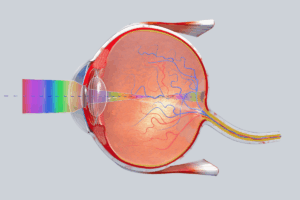
World’s First Human Implant of a 3D-Printed Cornea Restores Sight
December 15, 2025






Background
Berger’s disease, also known as IgA nephropathy, is a chronic kidney disorder characterized by the abnormal deposition of the immunoglobulin A (IgA) antibody in the glomeruli of the kidneys. It is the most common primary glomerulonephritis worldwide and can lead to kidney inflammation and damage over time.
IgA is a type of antibody that helps the body fight infections. In Berger’s disease, there is an abnormality in the production or clearance of IgA, leading to its accumulation in the glomeruli, which are the tiny blood vessels in the kidneys responsible for filtering waste products from the blood.
Epidemiology
Berger’s disease, also known as IgA nephropathy, is a relatively common form of primary glomerulonephritis worldwide. The epidemiology of Berger’s disease is influenced by various factors such as geographic location, ethnicity, and population-specific characteristics. Here are some key points regarding the epidemiology of Berger’s disease:
Anatomy
Pathophysiology
The pathophysiology of Berger’s disease, also known as IgA nephropathy, involves the abnormal deposition of the immunoglobulin A (IgA) antibody in the glomeruli of the kidneys. This deposition triggers an immune response and inflammation, leading to kidney damage. Here is a detailed explanation of the pathophysiology:
Etiology
The exact etiology of Berger’s disease, also known as IgA nephropathy, is not fully understood. However, it is believed to involve a combination of genetic predisposition, abnormal IgA production, and environmental triggers. Here are the key factors implicated in the etiology of Berger’s disease:
Genetics
Prognostic Factors
The prognosis of Berger’s disease (IgA nephropathy) can vary widely among individuals and is influenced by several factors. It is important to note that Berger’s disease is a chronic condition, and its course can be unpredictable. Here are some factors that can affect the prognosis:
Clinical History
Clinical history
When obtaining the clinical history of a patient with Berger’s disease (IgA nephropathy), healthcare providers typically inquire about various aspects related to the patient’s symptoms, medical history, and potential risk factors. Here are some key points that may be covered during the clinical history:
Physical Examination
Physical examination
During the physical examination of a patient with Berger’s disease (IgA nephropathy), healthcare providers typically assess various aspects of the patient’s overall health and look for signs that may indicate kidney involvement or complications. Here are some key points that may be covered during the physical examination:
Age group
Associated comorbidity
Associated activity
Acuity of presentation
Differential Diagnoses
Differential diagnosis
When evaluating a patient with suspected Berger’s disease (IgA nephropathy), it’s important to consider other conditions that can cause similar clinical features. The following are some differential diagnoses to consider:
Laboratory Studies
Imaging Studies
Procedures
Histologic Findings
Staging
Treatment Paradigm
The treatment of Berger’s disease (IgA nephropathy) aims to manage symptoms, slow the progression of kidney damage, and reduce the risk of complications. The specific treatment approach may vary depending on the severity of the disease, the presence of symptoms, and individual patient factors. Here are some common strategies used in the treatment of Berger’s disease:
by Stage
by Modality
Chemotherapy
Radiation Therapy
Surgical Interventions
Hormone Therapy
Immunotherapy
Hyperthermia
Photodynamic Therapy
Stem Cell Transplant
Targeted Therapy
Palliative Care
Medication
Future Trends
References
https://www.ncbi.nlm.nih.gov/books/NBK499998/
Berger’s disease, also known as IgA nephropathy, is a chronic kidney disorder characterized by the abnormal deposition of the immunoglobulin A (IgA) antibody in the glomeruli of the kidneys. It is the most common primary glomerulonephritis worldwide and can lead to kidney inflammation and damage over time.
IgA is a type of antibody that helps the body fight infections. In Berger’s disease, there is an abnormality in the production or clearance of IgA, leading to its accumulation in the glomeruli, which are the tiny blood vessels in the kidneys responsible for filtering waste products from the blood.
Berger’s disease, also known as IgA nephropathy, is a relatively common form of primary glomerulonephritis worldwide. The epidemiology of Berger’s disease is influenced by various factors such as geographic location, ethnicity, and population-specific characteristics. Here are some key points regarding the epidemiology of Berger’s disease:
The pathophysiology of Berger’s disease, also known as IgA nephropathy, involves the abnormal deposition of the immunoglobulin A (IgA) antibody in the glomeruli of the kidneys. This deposition triggers an immune response and inflammation, leading to kidney damage. Here is a detailed explanation of the pathophysiology:
The exact etiology of Berger’s disease, also known as IgA nephropathy, is not fully understood. However, it is believed to involve a combination of genetic predisposition, abnormal IgA production, and environmental triggers. Here are the key factors implicated in the etiology of Berger’s disease:
The prognosis of Berger’s disease (IgA nephropathy) can vary widely among individuals and is influenced by several factors. It is important to note that Berger’s disease is a chronic condition, and its course can be unpredictable. Here are some factors that can affect the prognosis:
Clinical history
When obtaining the clinical history of a patient with Berger’s disease (IgA nephropathy), healthcare providers typically inquire about various aspects related to the patient’s symptoms, medical history, and potential risk factors. Here are some key points that may be covered during the clinical history:
Physical examination
During the physical examination of a patient with Berger’s disease (IgA nephropathy), healthcare providers typically assess various aspects of the patient’s overall health and look for signs that may indicate kidney involvement or complications. Here are some key points that may be covered during the physical examination:
Differential diagnosis
When evaluating a patient with suspected Berger’s disease (IgA nephropathy), it’s important to consider other conditions that can cause similar clinical features. The following are some differential diagnoses to consider:
The treatment of Berger’s disease (IgA nephropathy) aims to manage symptoms, slow the progression of kidney damage, and reduce the risk of complications. The specific treatment approach may vary depending on the severity of the disease, the presence of symptoms, and individual patient factors. Here are some common strategies used in the treatment of Berger’s disease:
https://www.ncbi.nlm.nih.gov/books/NBK499998/

Berger’s disease, also known as IgA nephropathy, is a chronic kidney disorder characterized by the abnormal deposition of the immunoglobulin A (IgA) antibody in the glomeruli of the kidneys. It is the most common primary glomerulonephritis worldwide and can lead to kidney inflammation and damage over time.
IgA is a type of antibody that helps the body fight infections. In Berger’s disease, there is an abnormality in the production or clearance of IgA, leading to its accumulation in the glomeruli, which are the tiny blood vessels in the kidneys responsible for filtering waste products from the blood.
Berger’s disease, also known as IgA nephropathy, is a relatively common form of primary glomerulonephritis worldwide. The epidemiology of Berger’s disease is influenced by various factors such as geographic location, ethnicity, and population-specific characteristics. Here are some key points regarding the epidemiology of Berger’s disease:
The pathophysiology of Berger’s disease, also known as IgA nephropathy, involves the abnormal deposition of the immunoglobulin A (IgA) antibody in the glomeruli of the kidneys. This deposition triggers an immune response and inflammation, leading to kidney damage. Here is a detailed explanation of the pathophysiology:
The exact etiology of Berger’s disease, also known as IgA nephropathy, is not fully understood. However, it is believed to involve a combination of genetic predisposition, abnormal IgA production, and environmental triggers. Here are the key factors implicated in the etiology of Berger’s disease:
The prognosis of Berger’s disease (IgA nephropathy) can vary widely among individuals and is influenced by several factors. It is important to note that Berger’s disease is a chronic condition, and its course can be unpredictable. Here are some factors that can affect the prognosis:
Clinical history
When obtaining the clinical history of a patient with Berger’s disease (IgA nephropathy), healthcare providers typically inquire about various aspects related to the patient’s symptoms, medical history, and potential risk factors. Here are some key points that may be covered during the clinical history:
Physical examination
During the physical examination of a patient with Berger’s disease (IgA nephropathy), healthcare providers typically assess various aspects of the patient’s overall health and look for signs that may indicate kidney involvement or complications. Here are some key points that may be covered during the physical examination:
Differential diagnosis
When evaluating a patient with suspected Berger’s disease (IgA nephropathy), it’s important to consider other conditions that can cause similar clinical features. The following are some differential diagnoses to consider:
The treatment of Berger’s disease (IgA nephropathy) aims to manage symptoms, slow the progression of kidney damage, and reduce the risk of complications. The specific treatment approach may vary depending on the severity of the disease, the presence of symptoms, and individual patient factors. Here are some common strategies used in the treatment of Berger’s disease:
https://www.ncbi.nlm.nih.gov/books/NBK499998/

Both our subscription plans include Free CME/CPD AMA PRA Category 1 credits.

On course completion, you will receive a full-sized presentation quality digital certificate.
A dynamic medical simulation platform designed to train healthcare professionals and students to effectively run code situations through an immersive hands-on experience in a live, interactive 3D environment.

When you have your licenses, certificates and CMEs in one place, it's easier to track your career growth. You can easily share these with hospitals as well, using your medtigo app.