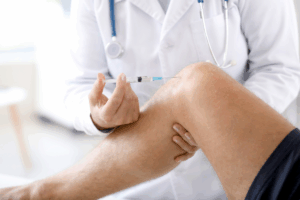
Hidden Risks of Exosome Injections in Pain Management
April 8, 2026






Background
Carnitine deficiency is a rare metabolic disorder which is caused by abnormal levels of carnitine. Carnitine is a naturally occurring compound. It is synthesized in the liver and kidney. It is also obtained from different sources like meat and dairy products. The main role is to transport the fatty acid in the mitochondria. It metabolizes to produce the energy. This process is necessary to function the different organs like heart and muscles. Deficiency in carnitine can affect energy production and overall health.
Two types of carnitine Deficiency:
Primary Carnitine Deficiency (PCD): PCD is a genetic disorder which is caused by a mutation in SLC22A5 gene. It can lead to impaired transport and absorption of carnitine in the intestine and kidney. It is diagnosed in early childhood and infancy.
Secondary Carnitine Deficiency: Secondary carnitine deficiency can be caused by different diseases and certain medications like liver disease, kidney disease, and metabolic diseases. The ability of body to synthesize or absorb the carnitine is decreased because of these health conditions.
Epidemiology
PCD is a rare genetic disease. The estimated rate is about 1 to 37000 live births in some areas. The rate can vary by different ethnic groups. This disease is seen in specific populations like Faroe Islands. Secondary carnitine deficiency occurs by different conditions and factors. The prevalence rate may vary because it is linked with different conditions. It is seen in patients who have specific medical conditions which can affect the metabolism of carnitine.
PCD is diagnosed in infancy and early childhood. The symptoms can be seen. Secondary carnitine deficiency may affect all the ages of people. The rate of PCD may vary by geographic areas and groups. This disease can affect both men and women.
Anatomy
Pathophysiology
PCD is a genetic disorder which is caused by mutation in SLC22A5 gene. This gene codes for the carnitine transporter protein. It is responsible to transport the carnitine in the cells.
Any mutation in SLC22A5 can lead to a defect in the carnitine transporter protein. So the cells can not take the carnitine from the bloodstream efficiently. Impaired uptake of carnitine can lead to decreased levels of intracellular carnitine. This can affect the ability of the cells specifically heart and muscle cells to transport the long-chain fatty acids in the mitochondria for the production of the energy.
Decreased levels of carnitine can lead to accumulation of long chain FA in cytoplasm of the cells. So it disrupts the metabolism of FA. Because of the inability of FA to produce energy, this can lead to cardiac dysfunction, muscle weakness, and other symptoms. Accumulation of toxic metabolites like acylcarnitine can happen because of the impaired metabolism of FA. This can lead to tissue damage and dysfunction.
Secondary carnitine deficiency is caused by different medical conditions. Certain conditions which can affect the ability of the body to synthesize carnitine can lead to reduces endogenous production. Carnitine deficiency may link to impaired absorption of the dietary carnitine from intestine in some cases. Conditions like kidney disease can lead to elevated urinary excretion of carnitine can lead to depletion of the body.
Some medications like valproic acid which is used to treat epilepsy can interfere with the metabolism of carnitine and lead to deficiency of it.
Etiology
Genetic Mutations:
PCD is inherited in an autosomal recessive manner. An affected individual inherits the 2 copies of mutated gene one from the each parent. These can lead to production of detective carnitine transporter protein.
Meaning that an affected individual inherits two copies of the mutated gene, one from each parent. These mutations lead to the production of a defective carnitine transporter protein.
Impaired Carnitine Uptake:
The mutations in SLC22A5 gene which is a result in dysfunctional carnitine transporter can affect the carnitine uptake in cells and can lead to reduced levels of intracellular carnitine.
Birth Defect:
PCD is present from the birth. A patient who has PCD inherit a genetic mutation which can cause the deficiency.
Secondary carnitine deficiency can be caused by different acquired conditions or factors which an affect carnitine metabolism or availability.
Chronic Kidney Disease (CKD):
CKD can lead to secondary carnitine deficiency because of the elevated urinary loss of carnitine. Kidneys play an important role in reabsorbing the carnitine from urine. Impaired function of kidney can lead to this disease.
Certain Medications:
Some medication like valproic acid can interfere with the metabolism of carnitine and lead to secondary carnitine deficiency.
Inadequate Dietary Intake:
A diet which is low in carnitine-rich foods like meat and dairy products can lead to secondary carnitine deficiency. This is rare.
Malabsorption Disorders: Conditions which can affect the absorption of dietary nutrients like carnitine in the intestines can lead to secondary carnitine deficiency like celiac disease and specific GI surgery.
Liver Disease: Liver disease can disrupt the carnitine metabolism and lead to secondary carnitine deficiency.
Hemodialysis: Patients who are going for hemodialysis for kidney failure may have carnitine loss during dialysis.
Metabolic Disorders: Certain inherited metabolic disorders like organic acidemias and fatty acid oxidation disorders can lead to secondary carnitine deficiency because of the impaired metabolic pathways.
Increased Energy Demands: Conditions which can increase energy demands like prolonged physical exertion or severe disease can lead to the depletion of carnitine and secondary carnitine deficiency.
Gastrointestinal Disorders: Some GI disorders can interfere with absorption and utilization of carnitine.
Genetics
Prognostic Factors
Primary Carnitine Deficiency (PCD):
PCD may have a good prognosis with proper diagnosis and carnitine supplementation. Early diagnosis and treatment are important to prevent the complications like cardiomyopathy and muscle weakness.
Secondary Carnitine Deficiency:
The prognosis for secondary carnitine deficiency may vary on the basis of underlying conditions. If the underlying condition is curable, the deficiency can be reversible. If the condition is severe, it can lead to this disease and other complications.
Underlying Cause:
The prognosis is dependent on the underlying conditions. Some conditions like kidney disease and medication-induced deficiency can be managed by treatment. Other metabolic conditions may have some challenges to manage.
Age of Onset:
Early diagnosis and treatment in childhood may lead to better results and specifically for PCD. Start the carnitine supplementation as early as possible. It can prevent the development of complications.
Severity of Deficiency:
The severity of carnitine deficiency may vary among individuals. Those who have more severe deficiencies are at higher risk of symptoms and complications. Proper treatment can lead manage the disease.
Timeliness of Diagnosis and Treatment:
The sooner the disease is diagnosed and treatment, the better the results. This can prevent the complication linked with the disease.
Management of Complications:
In cases where complications are already occurred like cardiomyopathy or muscle weakness, management and treatment of these complications are important to determines the prognosis. Proper management can improve the results.
Clinical History
Neonatal/Infantile:
Age Group: Carnitine deficiency may occur in neonatal time or infancy.
Clinical Presentation: In newborns and infants, symptoms are like poor feeding, lethargy, hypotonia, cardiomyopathy, and delay in development.
Associated Comorbidities: Neonates and infants may not have linked comorbidities. Genetic metabolic disorders which can lead to carnitine deficiency can occur in this age group.
Acuity of Presentation: The presentation can be acute and severe, specifically in cases of PCD. Symptoms may rapidly grow if not diagnosed and treated immediately.
Childhood:
Age Group: Children and adolescents may have carnitine deficiency.
Clinical Presentation: Symptoms like muscle weakness, fatigue, poor exercise tolerance, and cardiomyopathy. Developmental delays may be present in some of the cases.
Associated Comorbidities: Some children who have carnitine deficiency may have metabolic disorders or chronic diseases.
Acuity of Presentation: The acuity of the presentation can vary with the gradual onset of symptoms over time. Others may have more acute symptoms.
Adult:
Age Group: Carnitine deficiency can occur in adults.
Clinical Presentation: Symptoms in adults are like muscle weakness, fatigue, exercise intolerance, cardiomyopathy, and in some cases, symptoms linked to impaired liver function.
Associated Comorbidities: Adults who have carnitine deficiency may have comorbidities like diabetes, kidney disease, or other chronic diseases.
Acuity of Presentation: The acuity of presentation in adults can vary from chronic and slowly progressive symptoms to acute disease of muscle weakness or cardiac decompensation.
Physical Examination
General Appearance: Observe the general appearance of patient like signs of distress, fatigue, and lethargy.
Growth and Development in Children: Assess the growth and development in infants and children.
Cardiovascular Examination: Monitor the sound of heart and any signs of cardiomyopathy or arrhythmias. Assess the blood pressure for hypertension which is linked to with carnitine deficiency. Assess the symptoms of heart failure like increased elevated jugular venous pressure, lower extremity edema, and hepatomegaly.
Musculoskeletal Examination: Check the muscle strength and tone. Check for any symptoms of muscles weakness or hypotonia. Assess the muscle wasting specifically in severe case.
Neurological Examination: Do a neurological examination to check for the neurological symptoms like neuropathy which can lead to prolonged deficiency. Assess for any symptoms of changed mental status, confusion, or delayed in development specifically in children and infants.
Dermatological Examination: Assess the skin for any symptoms of pallor. It can lead to decreased blood oxygenation in severe cases.
Examination of Oral Cavity: Check for any gum hypertrophy or bleeding gums which can occur in metabolic disorders linked with carnitine deficiency.
Signs of Liver Disease: In liver disease-linked carnitine deficiency cases, check for the hepatomegaly, jaundice, or other symptoms of liver dysfunction.
Age group
Associated comorbidity
Neonates and infants may not have associated comorbidities. However, genetic metabolic disorders that lead to carnitine deficiency can present in this age group.
Associated activity
Acuity of presentation
The presentation can be acute and severe, particularly in cases of primary carnitine deficiency. Symptoms can rapidly progress if not diagnosed and treated promptly.
Childhood Presentation:
Adult Presentation:
Acute Presentation:
Presentation in Individuals with Comorbidities:
Differential Diagnoses
Mitochondrial Disorders: Mitochondrial myopathy or mitochondrial disorders may occur with the symptoms like carnitine deficiency, and also muscle weakness, fatigue, and exercise intolerance.
Inborn Errors of Metabolism: Several metabolic disorder like fatty acid oxidation disorders, medium-chain acyl-CoA dehydrogenase deficiency, and organic acidemias may occur with the symptoms of carnitine deficiency.
Heart Conditions: Cardiomyopathies, arrhythmias, or congenital heart defects can lead to symptoms like fatigue, chest pain, and shortness of breath.
Muscular Dystrophies: Muscular dystrophies like Duchenne and Becker muscular dystrophy can lead to progressive muscle weakness same as carnitine deficiency.
Neuromuscular Disorders: Neurological conditions like amyotrophic lateral sclerosis (ALS) or multiple sclerosis (MS) can lead to muscle weakness and fatigue.
Chronic Fatigue Syndrome (CFS): CFS is caused by persistent and unexplained fatigue, which can overlap with the fatigue observed in the carnitine deficiency.
Anemia: Specific types of anemia like hemolytic anemia or anemia linked with chronic diseases can lead to fatigue and weakness.
Primary Immune Deficiency Disorders: Immune deficiency disorders can lead to recurrent infections and fatigue.
Neurological Disorders: Conditions like peripheral neuropathy or myasthenia gravis can lead to muscle weakness and fatigue.
Endocrine Disorders: Thyroid disorders hypothyroidism or hyperthyroidism and adrenal insufficiency can lead to fatigue, weakness, and other symptoms.
Laboratory Studies
Imaging Studies
Procedures
Histologic Findings
Staging
Treatment Paradigm
Carnitine Supplementation:
Carnitine supplementation is the main treatment for the carnitine deficiency specifically for PCD. Carnitine is administered by orally and in severe cases by IV. The dosage of carnitine supplements may vary on the basis of patient age, weight, and needs.
Monitor Carnitine Levels: Regularly monitor the levels of carnitine in the blood to make sure that the supplements maintain the adequate level. Adjust the dosage if needed.
Nutritional Guidance:
Give nutritional guidance to the patient to make sure diet supports the energy needs. Encourage the patient to take balanced diet which includes carnitine-rich foods like meat and dairy products. Monitor for malnutrition, specifically in patient who are dietary restrictions or difficulties to absorb the nutrients.
Management of Symptoms and Complications:
Address and manage the symptoms and complications linked with carnitine deficiency. Treat cardiomyopathy or arrhythmias if it is present. Physical therapy and exercise may need to manage muscle weakness and improve muscle tone. Give supportive care for symptoms like fatigue and exercise intolerance.
Long-Term Follow-Up:
Take regular follow-up with a healthcare provider like a metabolic specialist or geneticist to monitor the condition and adjust the treatment as per the need. Long-term management is important to prevent complications.
Genetic Counseling:
For patient who have PCD, genetic counseling may be given to understand the genetic base of disease, assess the risk to future generations, and discuss family planning.
by Stage
by Modality
Chemotherapy
Radiation Therapy
Surgical Interventions
Hormone Therapy
Immunotherapy
Hyperthermia
Photodynamic Therapy
Stem Cell Transplant
Targeted Therapy
Palliative Care
use-of-a-non-pharmacological-approach-to-treat-carnitine-deficiency
Carnitine deficiency is managed by a balanced diet, regular meals, and supplementation with specific nutrients like coenzyme Q10 and antioxidants.
Nutritional counseling is necessary with a registered dietitian or nutritionist to provide some personalized guidance. Physical activity is encouraged, and physical and occupational therapy can manage muscle weakness and improve tone.
Proper hydration is necessary as dehydration can increase the symptoms. Psychosocial support is given by counseling or therapy, and support groups or online communities can offer emotional support.
Sleep management must be promoted and stress reduction techniques like relaxation techniques, mindfulness, meditation, or yoga can be used.
Education and self-management are essential with patient and their families to educate about carnitine deficiency and the importance of treatment plans. Self-monitoring of symptoms and response to treatment is encouraged.
Role of Carnitine Supplementation to treat carnitine deficiency
Oral L-carnitine is a dietary supplement which contains amino acid carnitine in L-form. L-carnitine plays an important role in transport of fatty acid in the mitochondria. They are used as a source of energy. It is naturally synthesized from dietary sources like meat, dairy products, and plant-based foods.
Oral L-carnitine supplements are available in different forms like capsules, tablets, liquid solutions, and powders.
Oral L-carnitine is given to patient who have either primary or secondary carnitine deficiency to correct the deficiency and decrease the symptoms.
L-carnitine supplements are safe if it used as directed. They may cause side effects in some patients like gastrointestinal discomfort, nausea, diarrhea, and a fishy odor in sweat and urine.
Use of Intravenous (IV) Carnitine Infusions to treat carnitine deficiency
IV carnitine infusions are used to treat carnitine deficiency, specifically in cases where oral supplementation is not sufficient.
Severe Carnitine Deficiency: IV carnitine infusions are typically given when a patient has severe carnitine deficiency with deficient blood carnitine levels. This is seen in a patient who has PCD.
Failure of Oral Supplements: In some cases, patient may have difficulty to absorb the oral carnitine supplements because of the GI issues, malabsorption disorders, or other factors. IV infusions bypass the digestive system and deliver the carnitine directly in the bloodstream for rapid absorption.
Hospitalized Patients: IV carnitine infusions may be administered in a hospital setting specifically for critically ill patients who need intensive care and monitoring. This is common when carnitine deficiency lead to severe metabolic decompensation.
The 1st step to hypoglycemia is to administer IV 10% dextrose (glucose) to rapidly increase the blood sugar levels. Dextrose is administered by IV line for quick absorption in the bloodstream.
use-of-intervention-with-a-procedure-to-treat-carnitine-deficiency
Carnitine Supplementation (Oral or IV): The primary treatment to treat the disease includes carnitine supplementation. It can be administered orally or by IV infusions. It depends on the severity of deficiency and the patient ability to absorb oral supplements.
Genetic Testing: Genetic testing is performed to confirm the PCD diagnosis and to identify the specific genetic mutations responsible for the condition.
Blood Tests: Regular blood tests are used to monitor carnitine levels in the blood and assess effectiveness of carnitine supplementation. Blood tests are used to monitor the metabolic parameters and detect any abnormalities.
Electrocardiogram (ECG or EKG): When carnitine deficiency is linked with cardiac symptoms or arrhythmias, an ECG is performed to assess the cardiac function and rhythm.
Echocardiogram: An echocardiogram is an ultrasound of the heart which can give the detailed information about cardiac structure and function. It is used to evaluate cardiomyopathy and other heart-related issues.
Electroencephalogram (EEG): EEG is used to assess the brain activity and detect any abnormal electrical patterns specifically if neurological symptoms are present.
use-of-phases-to-manage-carnitine-deficiency
Diagnostic Phase:
Healthcare providers diagnose the carnitine deficiency properly by genetic test, and blood test, and collect the information about the patient’s medical history, symptoms, and family history. They may perform blood tests to measure the carnitine levels and assess other metabolic parameters.
Acute Management Phase:
If a patient has acute symptoms like hypoglycemia or cardiomyopathy, immediate treatment is necessary. Hypoglycemia is treated by IV 10% dextrose. Carnitine supplementation is given to prevent the episodes and metabolic abnormalities like acid-base disturbances.
Stabilization Phase:
After the management of an acute episode, condition of the patient must be stabilized. It includes the adjustment of the carnitine supplements to maintain the blood carnitine level. Monitor the blood carnitine level and metabolic parameters is necessary for the stability. Nutritional assessment and dietary modifications can be suggested.
Maintenance Phase:
The maintenance phase includes the long-term management of carnitine deficiency. It includes continuous supplementation to prevent symptoms and complications and regular monitoring of blood carnitine levels by healthcare providers.
Complication Management Phase:
Carnitine deficiency can lead to specialized treatment like cardiac management by cardiologists and rehabilitation specialists for muscle weakness and mobility issues and psychological support for individuals and families to deal with the emotional aspects of chronic conditions.
Medication
For tablets: The recommended dosage is 990 mg, taken orally every 8 to 12 hours, with a maximum daily dose of 3 g
For oral solution: The initial oral dose is 1000 mg daily, divided as necessary. If administered intravenously
The dosage is 50 mg/kg given as a bolus followed by an additional 50 mg/kg over the next 24 hours, divided every 3 to 6 hours
The initial dosage is 50 mg/kg per day taken orally, divided into two or three doses every 8 to 12 hours
The dosage may be increased to a maximum of 100 mg/kg per day taken orally, also divided every 8 to 12 hours, but not exceeding 3 g per day
For intravenous administration, The recommended dosage is a 50 mg/kg IV bolus, which can be repeated daily if necessary, not to exceed 300 mg/kg
Future Trends
Carnitine deficiency is a rare metabolic disorder which is caused by abnormal levels of carnitine. Carnitine is a naturally occurring compound. It is synthesized in the liver and kidney. It is also obtained from different sources like meat and dairy products. The main role is to transport the fatty acid in the mitochondria. It metabolizes to produce the energy. This process is necessary to function the different organs like heart and muscles. Deficiency in carnitine can affect energy production and overall health.
Two types of carnitine Deficiency:
Primary Carnitine Deficiency (PCD): PCD is a genetic disorder which is caused by a mutation in SLC22A5 gene. It can lead to impaired transport and absorption of carnitine in the intestine and kidney. It is diagnosed in early childhood and infancy.
Secondary Carnitine Deficiency: Secondary carnitine deficiency can be caused by different diseases and certain medications like liver disease, kidney disease, and metabolic diseases. The ability of body to synthesize or absorb the carnitine is decreased because of these health conditions.
PCD is a rare genetic disease. The estimated rate is about 1 to 37000 live births in some areas. The rate can vary by different ethnic groups. This disease is seen in specific populations like Faroe Islands. Secondary carnitine deficiency occurs by different conditions and factors. The prevalence rate may vary because it is linked with different conditions. It is seen in patients who have specific medical conditions which can affect the metabolism of carnitine.
PCD is diagnosed in infancy and early childhood. The symptoms can be seen. Secondary carnitine deficiency may affect all the ages of people. The rate of PCD may vary by geographic areas and groups. This disease can affect both men and women.
PCD is a genetic disorder which is caused by mutation in SLC22A5 gene. This gene codes for the carnitine transporter protein. It is responsible to transport the carnitine in the cells.
Any mutation in SLC22A5 can lead to a defect in the carnitine transporter protein. So the cells can not take the carnitine from the bloodstream efficiently. Impaired uptake of carnitine can lead to decreased levels of intracellular carnitine. This can affect the ability of the cells specifically heart and muscle cells to transport the long-chain fatty acids in the mitochondria for the production of the energy.
Decreased levels of carnitine can lead to accumulation of long chain FA in cytoplasm of the cells. So it disrupts the metabolism of FA. Because of the inability of FA to produce energy, this can lead to cardiac dysfunction, muscle weakness, and other symptoms. Accumulation of toxic metabolites like acylcarnitine can happen because of the impaired metabolism of FA. This can lead to tissue damage and dysfunction.
Secondary carnitine deficiency is caused by different medical conditions. Certain conditions which can affect the ability of the body to synthesize carnitine can lead to reduces endogenous production. Carnitine deficiency may link to impaired absorption of the dietary carnitine from intestine in some cases. Conditions like kidney disease can lead to elevated urinary excretion of carnitine can lead to depletion of the body.
Some medications like valproic acid which is used to treat epilepsy can interfere with the metabolism of carnitine and lead to deficiency of it.
Genetic Mutations:
PCD is inherited in an autosomal recessive manner. An affected individual inherits the 2 copies of mutated gene one from the each parent. These can lead to production of detective carnitine transporter protein.
Meaning that an affected individual inherits two copies of the mutated gene, one from each parent. These mutations lead to the production of a defective carnitine transporter protein.
Impaired Carnitine Uptake:
The mutations in SLC22A5 gene which is a result in dysfunctional carnitine transporter can affect the carnitine uptake in cells and can lead to reduced levels of intracellular carnitine.
Birth Defect:
PCD is present from the birth. A patient who has PCD inherit a genetic mutation which can cause the deficiency.
Secondary carnitine deficiency can be caused by different acquired conditions or factors which an affect carnitine metabolism or availability.
Chronic Kidney Disease (CKD):
CKD can lead to secondary carnitine deficiency because of the elevated urinary loss of carnitine. Kidneys play an important role in reabsorbing the carnitine from urine. Impaired function of kidney can lead to this disease.
Certain Medications:
Some medication like valproic acid can interfere with the metabolism of carnitine and lead to secondary carnitine deficiency.
Inadequate Dietary Intake:
A diet which is low in carnitine-rich foods like meat and dairy products can lead to secondary carnitine deficiency. This is rare.
Malabsorption Disorders: Conditions which can affect the absorption of dietary nutrients like carnitine in the intestines can lead to secondary carnitine deficiency like celiac disease and specific GI surgery.
Liver Disease: Liver disease can disrupt the carnitine metabolism and lead to secondary carnitine deficiency.
Hemodialysis: Patients who are going for hemodialysis for kidney failure may have carnitine loss during dialysis.
Metabolic Disorders: Certain inherited metabolic disorders like organic acidemias and fatty acid oxidation disorders can lead to secondary carnitine deficiency because of the impaired metabolic pathways.
Increased Energy Demands: Conditions which can increase energy demands like prolonged physical exertion or severe disease can lead to the depletion of carnitine and secondary carnitine deficiency.
Gastrointestinal Disorders: Some GI disorders can interfere with absorption and utilization of carnitine.
Primary Carnitine Deficiency (PCD):
PCD may have a good prognosis with proper diagnosis and carnitine supplementation. Early diagnosis and treatment are important to prevent the complications like cardiomyopathy and muscle weakness.
Secondary Carnitine Deficiency:
The prognosis for secondary carnitine deficiency may vary on the basis of underlying conditions. If the underlying condition is curable, the deficiency can be reversible. If the condition is severe, it can lead to this disease and other complications.
Underlying Cause:
The prognosis is dependent on the underlying conditions. Some conditions like kidney disease and medication-induced deficiency can be managed by treatment. Other metabolic conditions may have some challenges to manage.
Age of Onset:
Early diagnosis and treatment in childhood may lead to better results and specifically for PCD. Start the carnitine supplementation as early as possible. It can prevent the development of complications.
Severity of Deficiency:
The severity of carnitine deficiency may vary among individuals. Those who have more severe deficiencies are at higher risk of symptoms and complications. Proper treatment can lead manage the disease.
Timeliness of Diagnosis and Treatment:
The sooner the disease is diagnosed and treatment, the better the results. This can prevent the complication linked with the disease.
Management of Complications:
In cases where complications are already occurred like cardiomyopathy or muscle weakness, management and treatment of these complications are important to determines the prognosis. Proper management can improve the results.
Neonatal/Infantile:
Age Group: Carnitine deficiency may occur in neonatal time or infancy.
Clinical Presentation: In newborns and infants, symptoms are like poor feeding, lethargy, hypotonia, cardiomyopathy, and delay in development.
Associated Comorbidities: Neonates and infants may not have linked comorbidities. Genetic metabolic disorders which can lead to carnitine deficiency can occur in this age group.
Acuity of Presentation: The presentation can be acute and severe, specifically in cases of PCD. Symptoms may rapidly grow if not diagnosed and treated immediately.
Childhood:
Age Group: Children and adolescents may have carnitine deficiency.
Clinical Presentation: Symptoms like muscle weakness, fatigue, poor exercise tolerance, and cardiomyopathy. Developmental delays may be present in some of the cases.
Associated Comorbidities: Some children who have carnitine deficiency may have metabolic disorders or chronic diseases.
Acuity of Presentation: The acuity of the presentation can vary with the gradual onset of symptoms over time. Others may have more acute symptoms.
Adult:
Age Group: Carnitine deficiency can occur in adults.
Clinical Presentation: Symptoms in adults are like muscle weakness, fatigue, exercise intolerance, cardiomyopathy, and in some cases, symptoms linked to impaired liver function.
Associated Comorbidities: Adults who have carnitine deficiency may have comorbidities like diabetes, kidney disease, or other chronic diseases.
Acuity of Presentation: The acuity of presentation in adults can vary from chronic and slowly progressive symptoms to acute disease of muscle weakness or cardiac decompensation.
General Appearance: Observe the general appearance of patient like signs of distress, fatigue, and lethargy.
Growth and Development in Children: Assess the growth and development in infants and children.
Cardiovascular Examination: Monitor the sound of heart and any signs of cardiomyopathy or arrhythmias. Assess the blood pressure for hypertension which is linked to with carnitine deficiency. Assess the symptoms of heart failure like increased elevated jugular venous pressure, lower extremity edema, and hepatomegaly.
Musculoskeletal Examination: Check the muscle strength and tone. Check for any symptoms of muscles weakness or hypotonia. Assess the muscle wasting specifically in severe case.
Neurological Examination: Do a neurological examination to check for the neurological symptoms like neuropathy which can lead to prolonged deficiency. Assess for any symptoms of changed mental status, confusion, or delayed in development specifically in children and infants.
Dermatological Examination: Assess the skin for any symptoms of pallor. It can lead to decreased blood oxygenation in severe cases.
Examination of Oral Cavity: Check for any gum hypertrophy or bleeding gums which can occur in metabolic disorders linked with carnitine deficiency.
Signs of Liver Disease: In liver disease-linked carnitine deficiency cases, check for the hepatomegaly, jaundice, or other symptoms of liver dysfunction.
Neonates and infants may not have associated comorbidities. However, genetic metabolic disorders that lead to carnitine deficiency can present in this age group.
The presentation can be acute and severe, particularly in cases of primary carnitine deficiency. Symptoms can rapidly progress if not diagnosed and treated promptly.
Childhood Presentation:
Adult Presentation:
Acute Presentation:
Presentation in Individuals with Comorbidities:
Mitochondrial Disorders: Mitochondrial myopathy or mitochondrial disorders may occur with the symptoms like carnitine deficiency, and also muscle weakness, fatigue, and exercise intolerance.
Inborn Errors of Metabolism: Several metabolic disorder like fatty acid oxidation disorders, medium-chain acyl-CoA dehydrogenase deficiency, and organic acidemias may occur with the symptoms of carnitine deficiency.
Heart Conditions: Cardiomyopathies, arrhythmias, or congenital heart defects can lead to symptoms like fatigue, chest pain, and shortness of breath.
Muscular Dystrophies: Muscular dystrophies like Duchenne and Becker muscular dystrophy can lead to progressive muscle weakness same as carnitine deficiency.
Neuromuscular Disorders: Neurological conditions like amyotrophic lateral sclerosis (ALS) or multiple sclerosis (MS) can lead to muscle weakness and fatigue.
Chronic Fatigue Syndrome (CFS): CFS is caused by persistent and unexplained fatigue, which can overlap with the fatigue observed in the carnitine deficiency.
Anemia: Specific types of anemia like hemolytic anemia or anemia linked with chronic diseases can lead to fatigue and weakness.
Primary Immune Deficiency Disorders: Immune deficiency disorders can lead to recurrent infections and fatigue.
Neurological Disorders: Conditions like peripheral neuropathy or myasthenia gravis can lead to muscle weakness and fatigue.
Endocrine Disorders: Thyroid disorders hypothyroidism or hyperthyroidism and adrenal insufficiency can lead to fatigue, weakness, and other symptoms.
Carnitine Supplementation:
Carnitine supplementation is the main treatment for the carnitine deficiency specifically for PCD. Carnitine is administered by orally and in severe cases by IV. The dosage of carnitine supplements may vary on the basis of patient age, weight, and needs.
Monitor Carnitine Levels: Regularly monitor the levels of carnitine in the blood to make sure that the supplements maintain the adequate level. Adjust the dosage if needed.
Nutritional Guidance:
Give nutritional guidance to the patient to make sure diet supports the energy needs. Encourage the patient to take balanced diet which includes carnitine-rich foods like meat and dairy products. Monitor for malnutrition, specifically in patient who are dietary restrictions or difficulties to absorb the nutrients.
Management of Symptoms and Complications:
Address and manage the symptoms and complications linked with carnitine deficiency. Treat cardiomyopathy or arrhythmias if it is present. Physical therapy and exercise may need to manage muscle weakness and improve muscle tone. Give supportive care for symptoms like fatigue and exercise intolerance.
Long-Term Follow-Up:
Take regular follow-up with a healthcare provider like a metabolic specialist or geneticist to monitor the condition and adjust the treatment as per the need. Long-term management is important to prevent complications.
Genetic Counseling:
For patient who have PCD, genetic counseling may be given to understand the genetic base of disease, assess the risk to future generations, and discuss family planning.
Neurology
Carnitine deficiency is managed by a balanced diet, regular meals, and supplementation with specific nutrients like coenzyme Q10 and antioxidants.
Nutritional counseling is necessary with a registered dietitian or nutritionist to provide some personalized guidance. Physical activity is encouraged, and physical and occupational therapy can manage muscle weakness and improve tone.
Proper hydration is necessary as dehydration can increase the symptoms. Psychosocial support is given by counseling or therapy, and support groups or online communities can offer emotional support.
Sleep management must be promoted and stress reduction techniques like relaxation techniques, mindfulness, meditation, or yoga can be used.
Education and self-management are essential with patient and their families to educate about carnitine deficiency and the importance of treatment plans. Self-monitoring of symptoms and response to treatment is encouraged.
Neurology
Oral L-carnitine is a dietary supplement which contains amino acid carnitine in L-form. L-carnitine plays an important role in transport of fatty acid in the mitochondria. They are used as a source of energy. It is naturally synthesized from dietary sources like meat, dairy products, and plant-based foods.
Oral L-carnitine supplements are available in different forms like capsules, tablets, liquid solutions, and powders.
Oral L-carnitine is given to patient who have either primary or secondary carnitine deficiency to correct the deficiency and decrease the symptoms.
L-carnitine supplements are safe if it used as directed. They may cause side effects in some patients like gastrointestinal discomfort, nausea, diarrhea, and a fishy odor in sweat and urine.
Neurology
IV carnitine infusions are used to treat carnitine deficiency, specifically in cases where oral supplementation is not sufficient.
Severe Carnitine Deficiency: IV carnitine infusions are typically given when a patient has severe carnitine deficiency with deficient blood carnitine levels. This is seen in a patient who has PCD.
Failure of Oral Supplements: In some cases, patient may have difficulty to absorb the oral carnitine supplements because of the GI issues, malabsorption disorders, or other factors. IV infusions bypass the digestive system and deliver the carnitine directly in the bloodstream for rapid absorption.
Hospitalized Patients: IV carnitine infusions may be administered in a hospital setting specifically for critically ill patients who need intensive care and monitoring. This is common when carnitine deficiency lead to severe metabolic decompensation.
The 1st step to hypoglycemia is to administer IV 10% dextrose (glucose) to rapidly increase the blood sugar levels. Dextrose is administered by IV line for quick absorption in the bloodstream.
Neurology
Carnitine Supplementation (Oral or IV): The primary treatment to treat the disease includes carnitine supplementation. It can be administered orally or by IV infusions. It depends on the severity of deficiency and the patient ability to absorb oral supplements.
Genetic Testing: Genetic testing is performed to confirm the PCD diagnosis and to identify the specific genetic mutations responsible for the condition.
Blood Tests: Regular blood tests are used to monitor carnitine levels in the blood and assess effectiveness of carnitine supplementation. Blood tests are used to monitor the metabolic parameters and detect any abnormalities.
Electrocardiogram (ECG or EKG): When carnitine deficiency is linked with cardiac symptoms or arrhythmias, an ECG is performed to assess the cardiac function and rhythm.
Echocardiogram: An echocardiogram is an ultrasound of the heart which can give the detailed information about cardiac structure and function. It is used to evaluate cardiomyopathy and other heart-related issues.
Electroencephalogram (EEG): EEG is used to assess the brain activity and detect any abnormal electrical patterns specifically if neurological symptoms are present.
Neurology
Diagnostic Phase:
Healthcare providers diagnose the carnitine deficiency properly by genetic test, and blood test, and collect the information about the patient’s medical history, symptoms, and family history. They may perform blood tests to measure the carnitine levels and assess other metabolic parameters.
Acute Management Phase:
If a patient has acute symptoms like hypoglycemia or cardiomyopathy, immediate treatment is necessary. Hypoglycemia is treated by IV 10% dextrose. Carnitine supplementation is given to prevent the episodes and metabolic abnormalities like acid-base disturbances.
Stabilization Phase:
After the management of an acute episode, condition of the patient must be stabilized. It includes the adjustment of the carnitine supplements to maintain the blood carnitine level. Monitor the blood carnitine level and metabolic parameters is necessary for the stability. Nutritional assessment and dietary modifications can be suggested.
Maintenance Phase:
The maintenance phase includes the long-term management of carnitine deficiency. It includes continuous supplementation to prevent symptoms and complications and regular monitoring of blood carnitine levels by healthcare providers.
Complication Management Phase:
Carnitine deficiency can lead to specialized treatment like cardiac management by cardiologists and rehabilitation specialists for muscle weakness and mobility issues and psychological support for individuals and families to deal with the emotional aspects of chronic conditions.

Carnitine deficiency is a rare metabolic disorder which is caused by abnormal levels of carnitine. Carnitine is a naturally occurring compound. It is synthesized in the liver and kidney. It is also obtained from different sources like meat and dairy products. The main role is to transport the fatty acid in the mitochondria. It metabolizes to produce the energy. This process is necessary to function the different organs like heart and muscles. Deficiency in carnitine can affect energy production and overall health.
Two types of carnitine Deficiency:
Primary Carnitine Deficiency (PCD): PCD is a genetic disorder which is caused by a mutation in SLC22A5 gene. It can lead to impaired transport and absorption of carnitine in the intestine and kidney. It is diagnosed in early childhood and infancy.
Secondary Carnitine Deficiency: Secondary carnitine deficiency can be caused by different diseases and certain medications like liver disease, kidney disease, and metabolic diseases. The ability of body to synthesize or absorb the carnitine is decreased because of these health conditions.
PCD is a rare genetic disease. The estimated rate is about 1 to 37000 live births in some areas. The rate can vary by different ethnic groups. This disease is seen in specific populations like Faroe Islands. Secondary carnitine deficiency occurs by different conditions and factors. The prevalence rate may vary because it is linked with different conditions. It is seen in patients who have specific medical conditions which can affect the metabolism of carnitine.
PCD is diagnosed in infancy and early childhood. The symptoms can be seen. Secondary carnitine deficiency may affect all the ages of people. The rate of PCD may vary by geographic areas and groups. This disease can affect both men and women.
PCD is a genetic disorder which is caused by mutation in SLC22A5 gene. This gene codes for the carnitine transporter protein. It is responsible to transport the carnitine in the cells.
Any mutation in SLC22A5 can lead to a defect in the carnitine transporter protein. So the cells can not take the carnitine from the bloodstream efficiently. Impaired uptake of carnitine can lead to decreased levels of intracellular carnitine. This can affect the ability of the cells specifically heart and muscle cells to transport the long-chain fatty acids in the mitochondria for the production of the energy.
Decreased levels of carnitine can lead to accumulation of long chain FA in cytoplasm of the cells. So it disrupts the metabolism of FA. Because of the inability of FA to produce energy, this can lead to cardiac dysfunction, muscle weakness, and other symptoms. Accumulation of toxic metabolites like acylcarnitine can happen because of the impaired metabolism of FA. This can lead to tissue damage and dysfunction.
Secondary carnitine deficiency is caused by different medical conditions. Certain conditions which can affect the ability of the body to synthesize carnitine can lead to reduces endogenous production. Carnitine deficiency may link to impaired absorption of the dietary carnitine from intestine in some cases. Conditions like kidney disease can lead to elevated urinary excretion of carnitine can lead to depletion of the body.
Some medications like valproic acid which is used to treat epilepsy can interfere with the metabolism of carnitine and lead to deficiency of it.
Genetic Mutations:
PCD is inherited in an autosomal recessive manner. An affected individual inherits the 2 copies of mutated gene one from the each parent. These can lead to production of detective carnitine transporter protein.
Meaning that an affected individual inherits two copies of the mutated gene, one from each parent. These mutations lead to the production of a defective carnitine transporter protein.
Impaired Carnitine Uptake:
The mutations in SLC22A5 gene which is a result in dysfunctional carnitine transporter can affect the carnitine uptake in cells and can lead to reduced levels of intracellular carnitine.
Birth Defect:
PCD is present from the birth. A patient who has PCD inherit a genetic mutation which can cause the deficiency.
Secondary carnitine deficiency can be caused by different acquired conditions or factors which an affect carnitine metabolism or availability.
Chronic Kidney Disease (CKD):
CKD can lead to secondary carnitine deficiency because of the elevated urinary loss of carnitine. Kidneys play an important role in reabsorbing the carnitine from urine. Impaired function of kidney can lead to this disease.
Certain Medications:
Some medication like valproic acid can interfere with the metabolism of carnitine and lead to secondary carnitine deficiency.
Inadequate Dietary Intake:
A diet which is low in carnitine-rich foods like meat and dairy products can lead to secondary carnitine deficiency. This is rare.
Malabsorption Disorders: Conditions which can affect the absorption of dietary nutrients like carnitine in the intestines can lead to secondary carnitine deficiency like celiac disease and specific GI surgery.
Liver Disease: Liver disease can disrupt the carnitine metabolism and lead to secondary carnitine deficiency.
Hemodialysis: Patients who are going for hemodialysis for kidney failure may have carnitine loss during dialysis.
Metabolic Disorders: Certain inherited metabolic disorders like organic acidemias and fatty acid oxidation disorders can lead to secondary carnitine deficiency because of the impaired metabolic pathways.
Increased Energy Demands: Conditions which can increase energy demands like prolonged physical exertion or severe disease can lead to the depletion of carnitine and secondary carnitine deficiency.
Gastrointestinal Disorders: Some GI disorders can interfere with absorption and utilization of carnitine.
Primary Carnitine Deficiency (PCD):
PCD may have a good prognosis with proper diagnosis and carnitine supplementation. Early diagnosis and treatment are important to prevent the complications like cardiomyopathy and muscle weakness.
Secondary Carnitine Deficiency:
The prognosis for secondary carnitine deficiency may vary on the basis of underlying conditions. If the underlying condition is curable, the deficiency can be reversible. If the condition is severe, it can lead to this disease and other complications.
Underlying Cause:
The prognosis is dependent on the underlying conditions. Some conditions like kidney disease and medication-induced deficiency can be managed by treatment. Other metabolic conditions may have some challenges to manage.
Age of Onset:
Early diagnosis and treatment in childhood may lead to better results and specifically for PCD. Start the carnitine supplementation as early as possible. It can prevent the development of complications.
Severity of Deficiency:
The severity of carnitine deficiency may vary among individuals. Those who have more severe deficiencies are at higher risk of symptoms and complications. Proper treatment can lead manage the disease.
Timeliness of Diagnosis and Treatment:
The sooner the disease is diagnosed and treatment, the better the results. This can prevent the complication linked with the disease.
Management of Complications:
In cases where complications are already occurred like cardiomyopathy or muscle weakness, management and treatment of these complications are important to determines the prognosis. Proper management can improve the results.
Neonatal/Infantile:
Age Group: Carnitine deficiency may occur in neonatal time or infancy.
Clinical Presentation: In newborns and infants, symptoms are like poor feeding, lethargy, hypotonia, cardiomyopathy, and delay in development.
Associated Comorbidities: Neonates and infants may not have linked comorbidities. Genetic metabolic disorders which can lead to carnitine deficiency can occur in this age group.
Acuity of Presentation: The presentation can be acute and severe, specifically in cases of PCD. Symptoms may rapidly grow if not diagnosed and treated immediately.
Childhood:
Age Group: Children and adolescents may have carnitine deficiency.
Clinical Presentation: Symptoms like muscle weakness, fatigue, poor exercise tolerance, and cardiomyopathy. Developmental delays may be present in some of the cases.
Associated Comorbidities: Some children who have carnitine deficiency may have metabolic disorders or chronic diseases.
Acuity of Presentation: The acuity of the presentation can vary with the gradual onset of symptoms over time. Others may have more acute symptoms.
Adult:
Age Group: Carnitine deficiency can occur in adults.
Clinical Presentation: Symptoms in adults are like muscle weakness, fatigue, exercise intolerance, cardiomyopathy, and in some cases, symptoms linked to impaired liver function.
Associated Comorbidities: Adults who have carnitine deficiency may have comorbidities like diabetes, kidney disease, or other chronic diseases.
Acuity of Presentation: The acuity of presentation in adults can vary from chronic and slowly progressive symptoms to acute disease of muscle weakness or cardiac decompensation.
General Appearance: Observe the general appearance of patient like signs of distress, fatigue, and lethargy.
Growth and Development in Children: Assess the growth and development in infants and children.
Cardiovascular Examination: Monitor the sound of heart and any signs of cardiomyopathy or arrhythmias. Assess the blood pressure for hypertension which is linked to with carnitine deficiency. Assess the symptoms of heart failure like increased elevated jugular venous pressure, lower extremity edema, and hepatomegaly.
Musculoskeletal Examination: Check the muscle strength and tone. Check for any symptoms of muscles weakness or hypotonia. Assess the muscle wasting specifically in severe case.
Neurological Examination: Do a neurological examination to check for the neurological symptoms like neuropathy which can lead to prolonged deficiency. Assess for any symptoms of changed mental status, confusion, or delayed in development specifically in children and infants.
Dermatological Examination: Assess the skin for any symptoms of pallor. It can lead to decreased blood oxygenation in severe cases.
Examination of Oral Cavity: Check for any gum hypertrophy or bleeding gums which can occur in metabolic disorders linked with carnitine deficiency.
Signs of Liver Disease: In liver disease-linked carnitine deficiency cases, check for the hepatomegaly, jaundice, or other symptoms of liver dysfunction.
Neonates and infants may not have associated comorbidities. However, genetic metabolic disorders that lead to carnitine deficiency can present in this age group.
The presentation can be acute and severe, particularly in cases of primary carnitine deficiency. Symptoms can rapidly progress if not diagnosed and treated promptly.
Childhood Presentation:
Adult Presentation:
Acute Presentation:
Presentation in Individuals with Comorbidities:
Mitochondrial Disorders: Mitochondrial myopathy or mitochondrial disorders may occur with the symptoms like carnitine deficiency, and also muscle weakness, fatigue, and exercise intolerance.
Inborn Errors of Metabolism: Several metabolic disorder like fatty acid oxidation disorders, medium-chain acyl-CoA dehydrogenase deficiency, and organic acidemias may occur with the symptoms of carnitine deficiency.
Heart Conditions: Cardiomyopathies, arrhythmias, or congenital heart defects can lead to symptoms like fatigue, chest pain, and shortness of breath.
Muscular Dystrophies: Muscular dystrophies like Duchenne and Becker muscular dystrophy can lead to progressive muscle weakness same as carnitine deficiency.
Neuromuscular Disorders: Neurological conditions like amyotrophic lateral sclerosis (ALS) or multiple sclerosis (MS) can lead to muscle weakness and fatigue.
Chronic Fatigue Syndrome (CFS): CFS is caused by persistent and unexplained fatigue, which can overlap with the fatigue observed in the carnitine deficiency.
Anemia: Specific types of anemia like hemolytic anemia or anemia linked with chronic diseases can lead to fatigue and weakness.
Primary Immune Deficiency Disorders: Immune deficiency disorders can lead to recurrent infections and fatigue.
Neurological Disorders: Conditions like peripheral neuropathy or myasthenia gravis can lead to muscle weakness and fatigue.
Endocrine Disorders: Thyroid disorders hypothyroidism or hyperthyroidism and adrenal insufficiency can lead to fatigue, weakness, and other symptoms.
Carnitine Supplementation:
Carnitine supplementation is the main treatment for the carnitine deficiency specifically for PCD. Carnitine is administered by orally and in severe cases by IV. The dosage of carnitine supplements may vary on the basis of patient age, weight, and needs.
Monitor Carnitine Levels: Regularly monitor the levels of carnitine in the blood to make sure that the supplements maintain the adequate level. Adjust the dosage if needed.
Nutritional Guidance:
Give nutritional guidance to the patient to make sure diet supports the energy needs. Encourage the patient to take balanced diet which includes carnitine-rich foods like meat and dairy products. Monitor for malnutrition, specifically in patient who are dietary restrictions or difficulties to absorb the nutrients.
Management of Symptoms and Complications:
Address and manage the symptoms and complications linked with carnitine deficiency. Treat cardiomyopathy or arrhythmias if it is present. Physical therapy and exercise may need to manage muscle weakness and improve muscle tone. Give supportive care for symptoms like fatigue and exercise intolerance.
Long-Term Follow-Up:
Take regular follow-up with a healthcare provider like a metabolic specialist or geneticist to monitor the condition and adjust the treatment as per the need. Long-term management is important to prevent complications.
Genetic Counseling:
For patient who have PCD, genetic counseling may be given to understand the genetic base of disease, assess the risk to future generations, and discuss family planning.
Neurology
Carnitine deficiency is managed by a balanced diet, regular meals, and supplementation with specific nutrients like coenzyme Q10 and antioxidants.
Nutritional counseling is necessary with a registered dietitian or nutritionist to provide some personalized guidance. Physical activity is encouraged, and physical and occupational therapy can manage muscle weakness and improve tone.
Proper hydration is necessary as dehydration can increase the symptoms. Psychosocial support is given by counseling or therapy, and support groups or online communities can offer emotional support.
Sleep management must be promoted and stress reduction techniques like relaxation techniques, mindfulness, meditation, or yoga can be used.
Education and self-management are essential with patient and their families to educate about carnitine deficiency and the importance of treatment plans. Self-monitoring of symptoms and response to treatment is encouraged.
Neurology
Oral L-carnitine is a dietary supplement which contains amino acid carnitine in L-form. L-carnitine plays an important role in transport of fatty acid in the mitochondria. They are used as a source of energy. It is naturally synthesized from dietary sources like meat, dairy products, and plant-based foods.
Oral L-carnitine supplements are available in different forms like capsules, tablets, liquid solutions, and powders.
Oral L-carnitine is given to patient who have either primary or secondary carnitine deficiency to correct the deficiency and decrease the symptoms.
L-carnitine supplements are safe if it used as directed. They may cause side effects in some patients like gastrointestinal discomfort, nausea, diarrhea, and a fishy odor in sweat and urine.
Neurology
IV carnitine infusions are used to treat carnitine deficiency, specifically in cases where oral supplementation is not sufficient.
Severe Carnitine Deficiency: IV carnitine infusions are typically given when a patient has severe carnitine deficiency with deficient blood carnitine levels. This is seen in a patient who has PCD.
Failure of Oral Supplements: In some cases, patient may have difficulty to absorb the oral carnitine supplements because of the GI issues, malabsorption disorders, or other factors. IV infusions bypass the digestive system and deliver the carnitine directly in the bloodstream for rapid absorption.
Hospitalized Patients: IV carnitine infusions may be administered in a hospital setting specifically for critically ill patients who need intensive care and monitoring. This is common when carnitine deficiency lead to severe metabolic decompensation.
The 1st step to hypoglycemia is to administer IV 10% dextrose (glucose) to rapidly increase the blood sugar levels. Dextrose is administered by IV line for quick absorption in the bloodstream.
Neurology
Carnitine Supplementation (Oral or IV): The primary treatment to treat the disease includes carnitine supplementation. It can be administered orally or by IV infusions. It depends on the severity of deficiency and the patient ability to absorb oral supplements.
Genetic Testing: Genetic testing is performed to confirm the PCD diagnosis and to identify the specific genetic mutations responsible for the condition.
Blood Tests: Regular blood tests are used to monitor carnitine levels in the blood and assess effectiveness of carnitine supplementation. Blood tests are used to monitor the metabolic parameters and detect any abnormalities.
Electrocardiogram (ECG or EKG): When carnitine deficiency is linked with cardiac symptoms or arrhythmias, an ECG is performed to assess the cardiac function and rhythm.
Echocardiogram: An echocardiogram is an ultrasound of the heart which can give the detailed information about cardiac structure and function. It is used to evaluate cardiomyopathy and other heart-related issues.
Electroencephalogram (EEG): EEG is used to assess the brain activity and detect any abnormal electrical patterns specifically if neurological symptoms are present.
Neurology
Diagnostic Phase:
Healthcare providers diagnose the carnitine deficiency properly by genetic test, and blood test, and collect the information about the patient’s medical history, symptoms, and family history. They may perform blood tests to measure the carnitine levels and assess other metabolic parameters.
Acute Management Phase:
If a patient has acute symptoms like hypoglycemia or cardiomyopathy, immediate treatment is necessary. Hypoglycemia is treated by IV 10% dextrose. Carnitine supplementation is given to prevent the episodes and metabolic abnormalities like acid-base disturbances.
Stabilization Phase:
After the management of an acute episode, condition of the patient must be stabilized. It includes the adjustment of the carnitine supplements to maintain the blood carnitine level. Monitor the blood carnitine level and metabolic parameters is necessary for the stability. Nutritional assessment and dietary modifications can be suggested.
Maintenance Phase:
The maintenance phase includes the long-term management of carnitine deficiency. It includes continuous supplementation to prevent symptoms and complications and regular monitoring of blood carnitine levels by healthcare providers.
Complication Management Phase:
Carnitine deficiency can lead to specialized treatment like cardiac management by cardiologists and rehabilitation specialists for muscle weakness and mobility issues and psychological support for individuals and families to deal with the emotional aspects of chronic conditions.
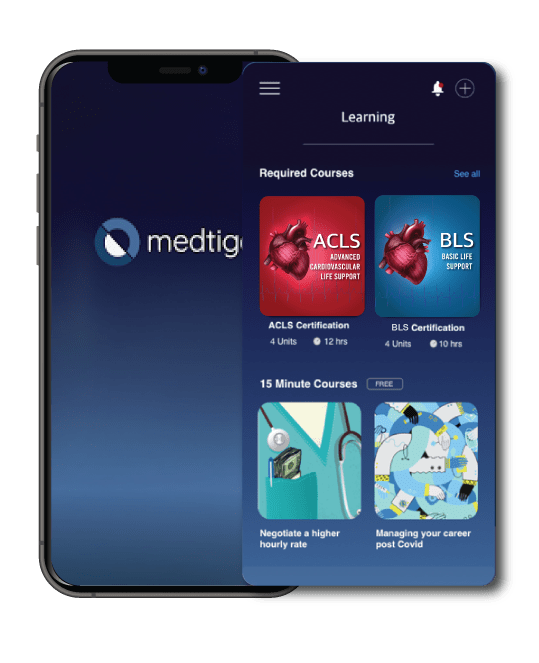
Both our subscription plans include Free CME/CPD AMA PRA Category 1 credits.
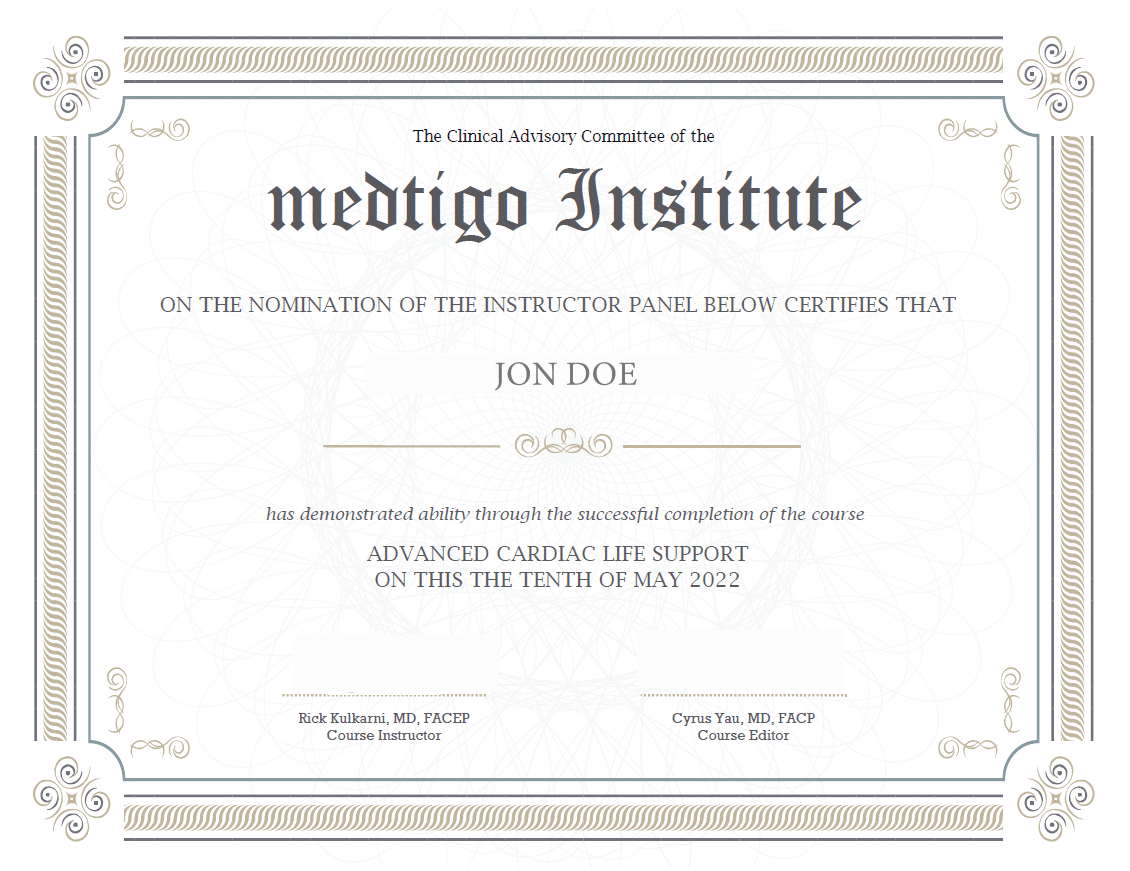
On course completion, you will receive a full-sized presentation quality digital certificate.
A dynamic medical simulation platform designed to train healthcare professionals and students to effectively run code situations through an immersive hands-on experience in a live, interactive 3D environment.
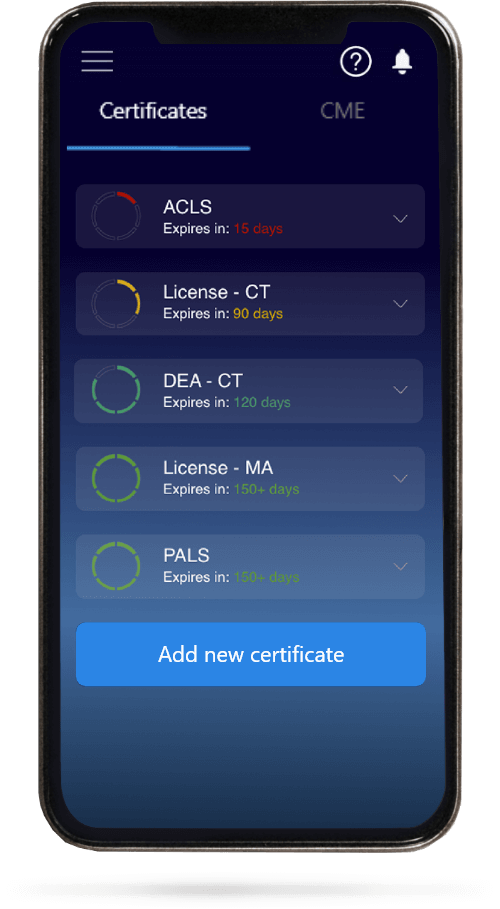
When you have your licenses, certificates and CMEs in one place, it's easier to track your career growth. You can easily share these with hospitals as well, using your medtigo app.