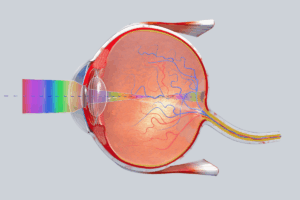
World’s First Human Implant of a 3D-Printed Cornea Restores Sight
December 15, 2025






Background
Celiac disease, also known as celiac sprue or gluten-sensitive enteropathy, is a chronic autoimmune disorder primarily affecting the small intestine. It is triggered by the consumption of gluten, a protein found in wheat, barley, and rye.
When individuals with celiac disease consume gluten, their immune system responds by attacking and damaging the lining of the small intestine. Celiac disease has a strong genetic component.
It is more common in individuals who have specific genetic markers, particularly the HLA-DQ2 and HLA-DQ8 genes. However, not everyone with these genes will develop celiac disease.
Epidemiology
Celiac disease is a relatively common autoimmune disorder, but its prevalence can vary significantly between different populations and regions. It is estimated that about 1% of the global population may have celiac disease. However, the prevalence can be higher in certain groups, such as individuals with a family history of celiac disease and those with certain genetic markers.
Celiac disease has been traditionally associated with populations of European descent, particularly those from Northern Europe. However, more recent research has shown that the disease is present in various ethnic and geographic groups worldwide. Celiac disease can develop at any age, from infancy to adulthood.
It can manifest in childhood or even appear for the first time in later adulthood. The age of diagnosis can vary based on when symptoms become apparent and are recognized. Celiac disease appears to affect males and females, but some studies have suggested a slightly higher prevalence in females.
Anatomy
Pathophysiology
Celiac disease has a strong genetic component. It is strongly associated with certain human leukocyte antigen (HLA) genes, particularly HLA-DQ2 and HLA-DQ8. About 95% of individuals with celiac disease carry either HLA-DQ2 or HLA-DQ8, and the presence of these genes is necessary but not sufficient for the development of the disease. Celiac disease is triggered by the consumption of gluten-containing foods, such as wheat, barley, and rye.
Gluten is a complex protein that consists of gliadins and glutenins. Gliadins are the main triggers of the immune response in celiac disease. In individuals with genetic susceptibility, ingested gluten triggers an abnormal immune response in the small intestine. Immune cells, particularly T lymphocytes, play a key role in this response. The immune system mistakenly recognizes gluten as a threat and mounts an immune attack against the lining of the small intestine.
The immune response leads to inflammation in the mucosal lining of the small intestine, particularly in the proximal small intestine. The inflammation results in damage to the intestinal villi, finger-like projections that line the intestinal walls and are responsible for nutrient absorption. Over time, the ongoing immune response and inflammation cause the intestinal villi to become flattened and shortened.
This condition is known as villous atrophy. As a result, the surface area available for nutrient absorption is significantly reduced. The damaged villi and decreased surface area impair the absorption of nutrients, including vitamins, minerals, and macronutrients (carbohydrates, proteins, and fats). This can lead to malabsorption and nutritional deficiencies, including anemia, osteoporosis, and various other health problems.
Etiology
Genetic Predisposition: Genetic factors play a significant role in the development of celiac disease. The strongest genetic association is with specific human leukocyte antigen (HLA) genes, particularly HLA-DQ2 and HLA-DQ8. These genes are found on chromosome 6 and are involved in presenting antigens to immune cells. Individuals who carry one or both of these genetic variants have an increased risk of developing celiac disease. However, not everyone with these genetic markers develops the condition, indicating that other factors are involved.
Immune Response: In individuals with a genetic predisposition and exposure to gluten, the immune system mounts an immune response against gliadin. This response involves the activation of T cells and the production of specific antibodies, including anti-tissue transglutaminase (anti-tTG) and anti-endomysial antibodies.
Autoimmunity: The immune response that is triggered against gliadin extends to the body’s own tissues, specifically the lining of the small intestine. This autoimmune response damages the intestinal villi, leading to inflammation, villous atrophy, and malabsorption of nutrients.
Genetics
Prognostic Factors
Clinical History
Clinical History
Celiac disease can manifest at any age, from infancy to adulthood. Some individuals may experience symptoms early in life, while others might develop symptoms later. The disease is often diagnosed after a period of time during which symptoms become noticeable and cause enough concern to seek medical attention.
Gastrointestinal Symptoms:
Malabsorption-Related Symptoms:
Non-Gastrointestinal Symptoms:
Some individuals, especially children, might have celiac disease without showing noticeable symptoms. This is known as silent or asymptomatic celiac disease. However, even in the absence of symptoms, these individuals can still experience intestinal damage and complications.
The duration of symptoms and their severity can vary widely among individuals with celiac disease. Some people might experience symptoms for a relatively short period before seeking medical attention, while others might have symptoms for years before receiving a diagnosis. Early diagnosis and treatment are crucial to prevent complications and improve quality of life.
Physical Examination
Physical Examination
Children with celiac disease might show signs of growth failure, delayed puberty, or weight loss due to malabsorption of nutrients. Dermatitis Herpetiforms can be indicative of celiac disease. The rash commonly appears on the elbows, knees, buttocks, and scalp.
Celiac disease can lead to enamel hypoplasia (incomplete development of tooth enamel) and other oral manifestations. Signs of joint pain or arthritis, especially in adults. Neurological symptoms such as peripheral neuropathy or ataxia might be observed in some individuals. Dry skin, easy bruising, Hair thinning or loss, and brittle nails are also observed.
Age group
Associated comorbidity
Associated activity
Acuity of presentation
Differential Diagnoses
Differential Diagnoses
Crohn disease
Irritable Bowel syndrome
Giardia
Viral gastroenteritis
Laboratory Studies
Imaging Studies
Procedures
Histologic Findings
Staging
Treatment Paradigm
The comprehensive approach to treating celiac disease encompasses symptom management, fostering intestinal healing, and adhering to a stringent gluten-free lifestyle. Here is a summary of the steps involved in the treatment paradigm for celiac disease:
Gluten-Free Diet:
Nutritional Support:
Medications:
Monitoring and Follow-Up:
Lifestyle Modifications:
Complication Management:
Support Groups:
Research and Development:
It’s imperative to recognize that adherence to a lifelong gluten-free diet is paramount for effective celiac disease management. Patients should collaborate closely with healthcare professionals, including dietitians and gastroenterologists, to customize the treatment plan based on their specific needs. Regular follow-ups and adjustments to the management plan are customary to ensure optimal health outcomes.
by Stage
by Modality
Chemotherapy
Radiation Therapy
Surgical Interventions
Hormone Therapy
Immunotherapy
Hyperthermia
Photodynamic Therapy
Stem Cell Transplant
Targeted Therapy
Palliative Care
lifestyle-modification-in-celiac-disease
Dietary Adjustments:
Adopt a Low-Fat Diet: Decrease the consumption of high-fat foods, as they can stimulate bile production and potentially worsen symptoms.
Opt for Small, Frequent Meals: Choose smaller, more frequent meals to facilitate the digestive process and minimize stress on the biliary system.
Hydration:
Ensure Adequate Hydration: Maintain proper fluid balance to support overall health.
Avoidance of Trigger Foods:
Identify and Steer Clear of Trigger Foods: Recognize and avoid foods that may induce symptoms or discomfort. Keeping a food diary can assist in pinpointing specific triggers.
Weight Management:
Sustain a Healthy Weight: A balanced diet and frequent exercise will help you reach and stay at a healthy weight. Being overweight might aggravate gallbladder problems.
Regular Exercise:
Engage in Consistent Physical Activity: Participate in regular exercise to promote digestive health and weight management. However, consult with healthcare providers before initiating any new exercise regimen.
Stress Management:
Practice Stress-Reduction Techniques: Incorporate stress-reducing practices such as mindfulness, meditation, or yoga, as stress can potentially impact digestive health.
Regular Follow-Up Appointments:
Adhere to Scheduled Follow-Up Appointments: Comply with scheduled appointments with healthcare providers to monitor recovery, assess for complications, and address any concerns.
Medication Adherence:
Follow Medication Recommendations: If prescribed medications for pain management or symptom relief, adhere to the recommended dosage and schedule.
Smoking Cessation:
Quit Smoking: If applicable, cease smoking, as smoking is associated with various health issues, and quitting can positively impact overall health.
Limit Alcohol Intake:
Moderate Alcohol Consumption: Exercise moderation in alcohol intake, as excessive alcohol consumption can negatively affect the liver and gallbladder.
Hygienic Practices:
Maintain Good Hygiene: Ensure proper hygiene around the fistula site to prevent infections. Adhere to healthcare provider instructions for wound care.
Use of Antidiarrheals in the treatment of celiac disease
These may be recommended to mitigate persistent diarrhea, a prevalent symptom of celiac disease.
Bismuth subsalicylate: It is a gastrointestinal agent. It is used as an agent for peptic ulcers and also used as an antacid, anti-ulcerative, or antidiarrheal agent.
This medication is used in the management of persistent diarrhea, which is a celiac disease known symptom. To prevent dehydration that will occur due to diarrhea, the patient is given plenty of clear fluids.
Loperamide: It is a gastrointestinal agent. It is used as an agent for peptic ulcers and also used as an antacid, anti-ulcerative, or antidiarrheal agent.
Use of corticosteroids/antinflammatory in the treatment of celiac disease
These may be recommended to reduce inflammation and reverse the enhanced permeability of capillaries in patients with refractory celiac disease.
Prednisolone: It is an anti-inflammatory agent. Prednisolone is a corticosteroid having antirheumatic, anti-inflammatory properties. These substances alter how the body reacts to a variety of stimuli.
This medication is used in the management of refractory celiac disease as an anti-inflammatory agent that may lessen inflammation by inhibiting PMN activity and reversing enhanced capillary permeability.
surgical-intervention-in-the-management-of-celiac-disease
phases-of-management-in-celiac-disease
The treatment of celiac disease involves several stages, each of which is essential to a thorough and efficient strategy. The key phases in the management of celiac disease are delineated as follows:
Diagnostic Evaluation:
Gluten-Free Diet Adoption:
Nutritional Support:
Medications (if necessary):
Monitoring and Follow-Up:
Lifestyle Modifications:
Complication Management:
Support Groups and Psychosocial Support:
Research and Development:
Medication
Future Trends
References
Celiac disease, also known as celiac sprue or gluten-sensitive enteropathy, is a chronic autoimmune disorder primarily affecting the small intestine. It is triggered by the consumption of gluten, a protein found in wheat, barley, and rye.
When individuals with celiac disease consume gluten, their immune system responds by attacking and damaging the lining of the small intestine. Celiac disease has a strong genetic component.
It is more common in individuals who have specific genetic markers, particularly the HLA-DQ2 and HLA-DQ8 genes. However, not everyone with these genes will develop celiac disease.
Celiac disease is a relatively common autoimmune disorder, but its prevalence can vary significantly between different populations and regions. It is estimated that about 1% of the global population may have celiac disease. However, the prevalence can be higher in certain groups, such as individuals with a family history of celiac disease and those with certain genetic markers.
Celiac disease has been traditionally associated with populations of European descent, particularly those from Northern Europe. However, more recent research has shown that the disease is present in various ethnic and geographic groups worldwide. Celiac disease can develop at any age, from infancy to adulthood.
It can manifest in childhood or even appear for the first time in later adulthood. The age of diagnosis can vary based on when symptoms become apparent and are recognized. Celiac disease appears to affect males and females, but some studies have suggested a slightly higher prevalence in females.
Celiac disease has a strong genetic component. It is strongly associated with certain human leukocyte antigen (HLA) genes, particularly HLA-DQ2 and HLA-DQ8. About 95% of individuals with celiac disease carry either HLA-DQ2 or HLA-DQ8, and the presence of these genes is necessary but not sufficient for the development of the disease. Celiac disease is triggered by the consumption of gluten-containing foods, such as wheat, barley, and rye.
Gluten is a complex protein that consists of gliadins and glutenins. Gliadins are the main triggers of the immune response in celiac disease. In individuals with genetic susceptibility, ingested gluten triggers an abnormal immune response in the small intestine. Immune cells, particularly T lymphocytes, play a key role in this response. The immune system mistakenly recognizes gluten as a threat and mounts an immune attack against the lining of the small intestine.
The immune response leads to inflammation in the mucosal lining of the small intestine, particularly in the proximal small intestine. The inflammation results in damage to the intestinal villi, finger-like projections that line the intestinal walls and are responsible for nutrient absorption. Over time, the ongoing immune response and inflammation cause the intestinal villi to become flattened and shortened.
This condition is known as villous atrophy. As a result, the surface area available for nutrient absorption is significantly reduced. The damaged villi and decreased surface area impair the absorption of nutrients, including vitamins, minerals, and macronutrients (carbohydrates, proteins, and fats). This can lead to malabsorption and nutritional deficiencies, including anemia, osteoporosis, and various other health problems.
Genetic Predisposition: Genetic factors play a significant role in the development of celiac disease. The strongest genetic association is with specific human leukocyte antigen (HLA) genes, particularly HLA-DQ2 and HLA-DQ8. These genes are found on chromosome 6 and are involved in presenting antigens to immune cells. Individuals who carry one or both of these genetic variants have an increased risk of developing celiac disease. However, not everyone with these genetic markers develops the condition, indicating that other factors are involved.
Immune Response: In individuals with a genetic predisposition and exposure to gluten, the immune system mounts an immune response against gliadin. This response involves the activation of T cells and the production of specific antibodies, including anti-tissue transglutaminase (anti-tTG) and anti-endomysial antibodies.
Autoimmunity: The immune response that is triggered against gliadin extends to the body’s own tissues, specifically the lining of the small intestine. This autoimmune response damages the intestinal villi, leading to inflammation, villous atrophy, and malabsorption of nutrients.
Clinical History
Celiac disease can manifest at any age, from infancy to adulthood. Some individuals may experience symptoms early in life, while others might develop symptoms later. The disease is often diagnosed after a period of time during which symptoms become noticeable and cause enough concern to seek medical attention.
Gastrointestinal Symptoms:
Malabsorption-Related Symptoms:
Non-Gastrointestinal Symptoms:
Some individuals, especially children, might have celiac disease without showing noticeable symptoms. This is known as silent or asymptomatic celiac disease. However, even in the absence of symptoms, these individuals can still experience intestinal damage and complications.
The duration of symptoms and their severity can vary widely among individuals with celiac disease. Some people might experience symptoms for a relatively short period before seeking medical attention, while others might have symptoms for years before receiving a diagnosis. Early diagnosis and treatment are crucial to prevent complications and improve quality of life.
Physical Examination
Children with celiac disease might show signs of growth failure, delayed puberty, or weight loss due to malabsorption of nutrients. Dermatitis Herpetiforms can be indicative of celiac disease. The rash commonly appears on the elbows, knees, buttocks, and scalp.
Celiac disease can lead to enamel hypoplasia (incomplete development of tooth enamel) and other oral manifestations. Signs of joint pain or arthritis, especially in adults. Neurological symptoms such as peripheral neuropathy or ataxia might be observed in some individuals. Dry skin, easy bruising, Hair thinning or loss, and brittle nails are also observed.
Differential Diagnoses
Crohn disease
Irritable Bowel syndrome
Giardia
Viral gastroenteritis
The comprehensive approach to treating celiac disease encompasses symptom management, fostering intestinal healing, and adhering to a stringent gluten-free lifestyle. Here is a summary of the steps involved in the treatment paradigm for celiac disease:
Gluten-Free Diet:
Nutritional Support:
Medications:
Monitoring and Follow-Up:
Lifestyle Modifications:
Complication Management:
Support Groups:
Research and Development:
It’s imperative to recognize that adherence to a lifelong gluten-free diet is paramount for effective celiac disease management. Patients should collaborate closely with healthcare professionals, including dietitians and gastroenterologists, to customize the treatment plan based on their specific needs. Regular follow-ups and adjustments to the management plan are customary to ensure optimal health outcomes.
Dietary Adjustments:
Adopt a Low-Fat Diet: Decrease the consumption of high-fat foods, as they can stimulate bile production and potentially worsen symptoms.
Opt for Small, Frequent Meals: Choose smaller, more frequent meals to facilitate the digestive process and minimize stress on the biliary system.
Hydration:
Ensure Adequate Hydration: Maintain proper fluid balance to support overall health.
Avoidance of Trigger Foods:
Identify and Steer Clear of Trigger Foods: Recognize and avoid foods that may induce symptoms or discomfort. Keeping a food diary can assist in pinpointing specific triggers.
Weight Management:
Sustain a Healthy Weight: A balanced diet and frequent exercise will help you reach and stay at a healthy weight. Being overweight might aggravate gallbladder problems.
Regular Exercise:
Engage in Consistent Physical Activity: Participate in regular exercise to promote digestive health and weight management. However, consult with healthcare providers before initiating any new exercise regimen.
Stress Management:
Practice Stress-Reduction Techniques: Incorporate stress-reducing practices such as mindfulness, meditation, or yoga, as stress can potentially impact digestive health.
Regular Follow-Up Appointments:
Adhere to Scheduled Follow-Up Appointments: Comply with scheduled appointments with healthcare providers to monitor recovery, assess for complications, and address any concerns.
Medication Adherence:
Follow Medication Recommendations: If prescribed medications for pain management or symptom relief, adhere to the recommended dosage and schedule.
Smoking Cessation:
Quit Smoking: If applicable, cease smoking, as smoking is associated with various health issues, and quitting can positively impact overall health.
Limit Alcohol Intake:
Moderate Alcohol Consumption: Exercise moderation in alcohol intake, as excessive alcohol consumption can negatively affect the liver and gallbladder.
Hygienic Practices:
Maintain Good Hygiene: Ensure proper hygiene around the fistula site to prevent infections. Adhere to healthcare provider instructions for wound care.
These may be recommended to mitigate persistent diarrhea, a prevalent symptom of celiac disease.
Bismuth subsalicylate: It is a gastrointestinal agent. It is used as an agent for peptic ulcers and also used as an antacid, anti-ulcerative, or antidiarrheal agent.
This medication is used in the management of persistent diarrhea, which is a celiac disease known symptom. To prevent dehydration that will occur due to diarrhea, the patient is given plenty of clear fluids.
Loperamide: It is a gastrointestinal agent. It is used as an agent for peptic ulcers and also used as an antacid, anti-ulcerative, or antidiarrheal agent.
These may be recommended to reduce inflammation and reverse the enhanced permeability of capillaries in patients with refractory celiac disease.
Prednisolone: It is an anti-inflammatory agent. Prednisolone is a corticosteroid having antirheumatic, anti-inflammatory properties. These substances alter how the body reacts to a variety of stimuli.
This medication is used in the management of refractory celiac disease as an anti-inflammatory agent that may lessen inflammation by inhibiting PMN activity and reversing enhanced capillary permeability.
The treatment of celiac disease involves several stages, each of which is essential to a thorough and efficient strategy. The key phases in the management of celiac disease are delineated as follows:
Diagnostic Evaluation:
Gluten-Free Diet Adoption:
Nutritional Support:
Medications (if necessary):
Monitoring and Follow-Up:
Lifestyle Modifications:
Complication Management:
Support Groups and Psychosocial Support:
Research and Development:

Celiac disease, also known as celiac sprue or gluten-sensitive enteropathy, is a chronic autoimmune disorder primarily affecting the small intestine. It is triggered by the consumption of gluten, a protein found in wheat, barley, and rye.
When individuals with celiac disease consume gluten, their immune system responds by attacking and damaging the lining of the small intestine. Celiac disease has a strong genetic component.
It is more common in individuals who have specific genetic markers, particularly the HLA-DQ2 and HLA-DQ8 genes. However, not everyone with these genes will develop celiac disease.
Celiac disease is a relatively common autoimmune disorder, but its prevalence can vary significantly between different populations and regions. It is estimated that about 1% of the global population may have celiac disease. However, the prevalence can be higher in certain groups, such as individuals with a family history of celiac disease and those with certain genetic markers.
Celiac disease has been traditionally associated with populations of European descent, particularly those from Northern Europe. However, more recent research has shown that the disease is present in various ethnic and geographic groups worldwide. Celiac disease can develop at any age, from infancy to adulthood.
It can manifest in childhood or even appear for the first time in later adulthood. The age of diagnosis can vary based on when symptoms become apparent and are recognized. Celiac disease appears to affect males and females, but some studies have suggested a slightly higher prevalence in females.
Celiac disease has a strong genetic component. It is strongly associated with certain human leukocyte antigen (HLA) genes, particularly HLA-DQ2 and HLA-DQ8. About 95% of individuals with celiac disease carry either HLA-DQ2 or HLA-DQ8, and the presence of these genes is necessary but not sufficient for the development of the disease. Celiac disease is triggered by the consumption of gluten-containing foods, such as wheat, barley, and rye.
Gluten is a complex protein that consists of gliadins and glutenins. Gliadins are the main triggers of the immune response in celiac disease. In individuals with genetic susceptibility, ingested gluten triggers an abnormal immune response in the small intestine. Immune cells, particularly T lymphocytes, play a key role in this response. The immune system mistakenly recognizes gluten as a threat and mounts an immune attack against the lining of the small intestine.
The immune response leads to inflammation in the mucosal lining of the small intestine, particularly in the proximal small intestine. The inflammation results in damage to the intestinal villi, finger-like projections that line the intestinal walls and are responsible for nutrient absorption. Over time, the ongoing immune response and inflammation cause the intestinal villi to become flattened and shortened.
This condition is known as villous atrophy. As a result, the surface area available for nutrient absorption is significantly reduced. The damaged villi and decreased surface area impair the absorption of nutrients, including vitamins, minerals, and macronutrients (carbohydrates, proteins, and fats). This can lead to malabsorption and nutritional deficiencies, including anemia, osteoporosis, and various other health problems.
Genetic Predisposition: Genetic factors play a significant role in the development of celiac disease. The strongest genetic association is with specific human leukocyte antigen (HLA) genes, particularly HLA-DQ2 and HLA-DQ8. These genes are found on chromosome 6 and are involved in presenting antigens to immune cells. Individuals who carry one or both of these genetic variants have an increased risk of developing celiac disease. However, not everyone with these genetic markers develops the condition, indicating that other factors are involved.
Immune Response: In individuals with a genetic predisposition and exposure to gluten, the immune system mounts an immune response against gliadin. This response involves the activation of T cells and the production of specific antibodies, including anti-tissue transglutaminase (anti-tTG) and anti-endomysial antibodies.
Autoimmunity: The immune response that is triggered against gliadin extends to the body’s own tissues, specifically the lining of the small intestine. This autoimmune response damages the intestinal villi, leading to inflammation, villous atrophy, and malabsorption of nutrients.
Clinical History
Celiac disease can manifest at any age, from infancy to adulthood. Some individuals may experience symptoms early in life, while others might develop symptoms later. The disease is often diagnosed after a period of time during which symptoms become noticeable and cause enough concern to seek medical attention.
Gastrointestinal Symptoms:
Malabsorption-Related Symptoms:
Non-Gastrointestinal Symptoms:
Some individuals, especially children, might have celiac disease without showing noticeable symptoms. This is known as silent or asymptomatic celiac disease. However, even in the absence of symptoms, these individuals can still experience intestinal damage and complications.
The duration of symptoms and their severity can vary widely among individuals with celiac disease. Some people might experience symptoms for a relatively short period before seeking medical attention, while others might have symptoms for years before receiving a diagnosis. Early diagnosis and treatment are crucial to prevent complications and improve quality of life.
Physical Examination
Children with celiac disease might show signs of growth failure, delayed puberty, or weight loss due to malabsorption of nutrients. Dermatitis Herpetiforms can be indicative of celiac disease. The rash commonly appears on the elbows, knees, buttocks, and scalp.
Celiac disease can lead to enamel hypoplasia (incomplete development of tooth enamel) and other oral manifestations. Signs of joint pain or arthritis, especially in adults. Neurological symptoms such as peripheral neuropathy or ataxia might be observed in some individuals. Dry skin, easy bruising, Hair thinning or loss, and brittle nails are also observed.
Differential Diagnoses
Crohn disease
Irritable Bowel syndrome
Giardia
Viral gastroenteritis
The comprehensive approach to treating celiac disease encompasses symptom management, fostering intestinal healing, and adhering to a stringent gluten-free lifestyle. Here is a summary of the steps involved in the treatment paradigm for celiac disease:
Gluten-Free Diet:
Nutritional Support:
Medications:
Monitoring and Follow-Up:
Lifestyle Modifications:
Complication Management:
Support Groups:
Research and Development:
It’s imperative to recognize that adherence to a lifelong gluten-free diet is paramount for effective celiac disease management. Patients should collaborate closely with healthcare professionals, including dietitians and gastroenterologists, to customize the treatment plan based on their specific needs. Regular follow-ups and adjustments to the management plan are customary to ensure optimal health outcomes.
Dietary Adjustments:
Adopt a Low-Fat Diet: Decrease the consumption of high-fat foods, as they can stimulate bile production and potentially worsen symptoms.
Opt for Small, Frequent Meals: Choose smaller, more frequent meals to facilitate the digestive process and minimize stress on the biliary system.
Hydration:
Ensure Adequate Hydration: Maintain proper fluid balance to support overall health.
Avoidance of Trigger Foods:
Identify and Steer Clear of Trigger Foods: Recognize and avoid foods that may induce symptoms or discomfort. Keeping a food diary can assist in pinpointing specific triggers.
Weight Management:
Sustain a Healthy Weight: A balanced diet and frequent exercise will help you reach and stay at a healthy weight. Being overweight might aggravate gallbladder problems.
Regular Exercise:
Engage in Consistent Physical Activity: Participate in regular exercise to promote digestive health and weight management. However, consult with healthcare providers before initiating any new exercise regimen.
Stress Management:
Practice Stress-Reduction Techniques: Incorporate stress-reducing practices such as mindfulness, meditation, or yoga, as stress can potentially impact digestive health.
Regular Follow-Up Appointments:
Adhere to Scheduled Follow-Up Appointments: Comply with scheduled appointments with healthcare providers to monitor recovery, assess for complications, and address any concerns.
Medication Adherence:
Follow Medication Recommendations: If prescribed medications for pain management or symptom relief, adhere to the recommended dosage and schedule.
Smoking Cessation:
Quit Smoking: If applicable, cease smoking, as smoking is associated with various health issues, and quitting can positively impact overall health.
Limit Alcohol Intake:
Moderate Alcohol Consumption: Exercise moderation in alcohol intake, as excessive alcohol consumption can negatively affect the liver and gallbladder.
Hygienic Practices:
Maintain Good Hygiene: Ensure proper hygiene around the fistula site to prevent infections. Adhere to healthcare provider instructions for wound care.
These may be recommended to mitigate persistent diarrhea, a prevalent symptom of celiac disease.
Bismuth subsalicylate: It is a gastrointestinal agent. It is used as an agent for peptic ulcers and also used as an antacid, anti-ulcerative, or antidiarrheal agent.
This medication is used in the management of persistent diarrhea, which is a celiac disease known symptom. To prevent dehydration that will occur due to diarrhea, the patient is given plenty of clear fluids.
Loperamide: It is a gastrointestinal agent. It is used as an agent for peptic ulcers and also used as an antacid, anti-ulcerative, or antidiarrheal agent.
These may be recommended to reduce inflammation and reverse the enhanced permeability of capillaries in patients with refractory celiac disease.
Prednisolone: It is an anti-inflammatory agent. Prednisolone is a corticosteroid having antirheumatic, anti-inflammatory properties. These substances alter how the body reacts to a variety of stimuli.
This medication is used in the management of refractory celiac disease as an anti-inflammatory agent that may lessen inflammation by inhibiting PMN activity and reversing enhanced capillary permeability.
The treatment of celiac disease involves several stages, each of which is essential to a thorough and efficient strategy. The key phases in the management of celiac disease are delineated as follows:
Diagnostic Evaluation:
Gluten-Free Diet Adoption:
Nutritional Support:
Medications (if necessary):
Monitoring and Follow-Up:
Lifestyle Modifications:
Complication Management:
Support Groups and Psychosocial Support:
Research and Development:

Both our subscription plans include Free CME/CPD AMA PRA Category 1 credits.

On course completion, you will receive a full-sized presentation quality digital certificate.
A dynamic medical simulation platform designed to train healthcare professionals and students to effectively run code situations through an immersive hands-on experience in a live, interactive 3D environment.

When you have your licenses, certificates and CMEs in one place, it's easier to track your career growth. You can easily share these with hospitals as well, using your medtigo app.