Elejalde syndrome (ES) was initially documented in 1977 in 3 related families in Columbia. Elejalde syndrome is also known as neuroectodermal melanolysosomal disorder.
Silvery hair and central nervous system dysfunction define this uncommon autosomal recessive disorder. The primary skin attributes of Elejalde syndrome consist of silvery hair and pronounced darkening following sun exposure looks like bronze skin tone on sun-exposed area.
Large particles of melanin are unevenly spread throughout the hair strand. Irregular melanocytes, melanosomes, and abnormal inclusion bodies may exist in fibroblasts.
Severe neurologic damage such as seizures, muscle weakness, cognitive disability either occurs at birth or develops in early life. The immune system remains unaffected. Elejalde syndrome displays a broad range of eye-related abnormalities.
Epidemiology
There is limited data available on Elejalde syndrome as it is a rare genetic disorder with 20 patients reported as of 2019 in the United States.
Anatomy
Pathophysiology
The pathophysiology of Elejalde syndrome is not completely comprehended. Some have suggested that it is the outcome of an altered gene product accountable for premature melanin production.
Atypical melanosomes generate with grayish or silverish hairs and induce impaired central nervous system activity.
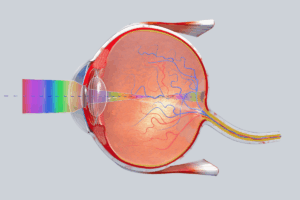
Elejalde Syndrome is caused by mutations in the phosphodiesterase (PDE6D) gene, which encodes the phosphodiesterase 6D enzyme. This enzyme plays a crucial role in the visual process and is involved in the development and function of photoreceptor cells in the retina.
Elejalde Syndrome is also associated with hypopigmentation, indicating a potential disruption in melanin metabolism.
Etiology
Elejalde Syndrome is inherited in an autosomal recessive manner, meaning that an affected individual must inherit two copies of the mutated PDE6D gene, one from each parent.
Mutations in the PDE6D gene may result in a dysfunctional enzyme, leading to impaired visual signal transduction and subsequent neurodegeneration.
While mutations in the PDE6D gene are the most common cause of Elejalde Syndrome, there is a chance of genetic heterogeneity.
Genetics
Prognostic Factors
Every case of Elejalde syndrome, apart from one, has been documented as resulting in death; thus, the outlook is less than ideal. Individuals with Elejalde syndrome experience neurological deterioration and eventually become unable to mobilize or attend to their own needs.
The extent and progression of neurological symptoms, such as intellectual disability, movement disorders, seizures, and other neurological abnormalities.
Clinical History
The onset of symptoms typically occurs during infancy or early childhood, with some reports suggesting symptoms becoming apparent as early as the first year of life.
Physical Examination
Skin pigmentation: It is associated with hypopigmented skin, which refers to lighter-than-normal skin coloration. The hypopigmentation may be generalized or patchy, affecting different areas of the body.
Ophthalmic abnormalities: Visual examination may reveal abnormalities in the retina, optic nerve, or other ocular structures. These can include retinal pigmentary changes, optic atrophy, or other visual impairments.
Age group
Associated comorbidity
Seizures: Epileptic seizures have been reported in some individuals with Elejalde Syndrome. The types and frequency of seizures may vary among affected individuals.
Intellectual disability: It ranges from mild to severe, is commonly associated with Elejalde Syndrome. Individuals with Elejalde Syndrome may experience developmental delays and cognitive impairment.
Movement disorders: Various movement disorders, including lack of coordination, involuntary muscle contractions, and stiffness and tightness of muscles have been reported.
Associated activity
Acuity of presentation
Elejalde Syndrome is characterized by a progressive course, with symptoms worsening over time. The rate of disease progression can vary among individuals, but the overall trajectory is often one of increasing severity.
The specific symptoms can vary among individuals which includes developmental delays, intellectual disabilities, movement disorders, seizures, visual impairments, and hypopigmentation.
Differential Diagnoses
Griscelli syndrome (GS): It is a rare autosomal recessive condition that leads to lightening of the skin and the hair (gray hair), the existence of big clusters of pigment in hair strands, and a buildup of melanosomes in melanocytes.
Chediak-Higashi syndrome (CHS): It is a rare genetic condition where infections occur often, there is a lack of pigmentation in the skin, hair, and eyes, a tendency to bleed easily, and a gradual decline in neurological function.
Laboratory Studies
Imaging Studies
Procedures
Histologic Findings
Staging
Treatment Paradigm
Symptom management: Various symptoms associated with ES, such as movement disorders, seizures, and spasticity, may be managed with appropriate medications.
Seizure management: If seizures are present, appropriate antiepileptic medications and seizure management strategies should be implemented under the guidance of a neurologist or epileptologist to help control and manage seizures effectively.
Rehabilitation therapies: Physical, occupational, and speech therapy may be beneficial in managing movement disorders, promoting motor development, improving coordination, and enhancing communication skills.
Safe environment: Due to the movement disorders and potential balance and coordination issues associated with ES, it is crucial to create a safe environment. This may involve removing hazards, providing adequate lighting, installing handrails and grab bars.
Communication support: Individuals with ES may have communication difficulties. Providing appropriate communication support, such as augmentative and alternative communication (AAC) devices or systems, can help facilitate effective communication and engagement.
Sensory modification: Adjustments to the environment can help create a sensory-friendly space. This may involve minimizing excessive noise or visual stimuli, using appropriate lighting to reduce sensory overload.
Use of devices and technology: Depending on the specific needs the use of assistive devices and technology can greatly enhance their independence and participation. This may include mobility aids, adaptive equipment for daily activities, and specialized devices for vision or hearing support.
2. Use of Corticosteroids and Antiepileptic drugs
There are no specific pharmaceutical drugs that have been established for the treatment of Elejalde Syndrome (ES).
The treatment options for individuals with Elejalde syndrome have involved the administration of corticosteroids, antiepileptic drugs, and fever reducers, but all patients have shown no improvement.
As a result, it remains uncertain if any medical intervention can be suggested for Elejalde syndrome patients.
Due to the rarity and limited information of Elejalde Syndrome, there are currently no known surgical or procedural interventions.
use-of-phases-in-managing-elejalde-syndrome
Initial Diagnostic phase: This phase involves the process of identifying and diagnosing Elejalde Syndrome. It includes a thorough evaluation of clinical symptoms, physical examination, genetic testing, neuroimaging studies, and consultation with medical genetics specialists.
Symptom management phase: This may involve medications to address movement disorders, seizures, and other symptoms, as well as rehabilitation therapies to improve functional abilities and quality of life.
Supportive care phase: This phase involves providing comprehensive support and interventions to address the individual’s physical, emotional, and social well-being. It may include assistive devices, adaptive equipment, sensory integration techniques, and access to educational resources.
Elejalde syndrome (ES) was initially documented in 1977 in 3 related families in Columbia. Elejalde syndrome is also known as neuroectodermal melanolysosomal disorder.
Silvery hair and central nervous system dysfunction define this uncommon autosomal recessive disorder. The primary skin attributes of Elejalde syndrome consist of silvery hair and pronounced darkening following sun exposure looks like bronze skin tone on sun-exposed area.
Large particles of melanin are unevenly spread throughout the hair strand. Irregular melanocytes, melanosomes, and abnormal inclusion bodies may exist in fibroblasts.
Severe neurologic damage such as seizures, muscle weakness, cognitive disability either occurs at birth or develops in early life. The immune system remains unaffected. Elejalde syndrome displays a broad range of eye-related abnormalities.
There is limited data available on Elejalde syndrome as it is a rare genetic disorder with 20 patients reported as of 2019 in the United States.
The pathophysiology of Elejalde syndrome is not completely comprehended. Some have suggested that it is the outcome of an altered gene product accountable for premature melanin production.
Atypical melanosomes generate with grayish or silverish hairs and induce impaired central nervous system activity.
Elejalde Syndrome is caused by mutations in the phosphodiesterase (PDE6D) gene, which encodes the phosphodiesterase 6D enzyme. This enzyme plays a crucial role in the visual process and is involved in the development and function of photoreceptor cells in the retina.
Elejalde Syndrome is also associated with hypopigmentation, indicating a potential disruption in melanin metabolism.
Elejalde Syndrome is inherited in an autosomal recessive manner, meaning that an affected individual must inherit two copies of the mutated PDE6D gene, one from each parent.
Mutations in the PDE6D gene may result in a dysfunctional enzyme, leading to impaired visual signal transduction and subsequent neurodegeneration.
While mutations in the PDE6D gene are the most common cause of Elejalde Syndrome, there is a chance of genetic heterogeneity.
Every case of Elejalde syndrome, apart from one, has been documented as resulting in death; thus, the outlook is less than ideal. Individuals with Elejalde syndrome experience neurological deterioration and eventually become unable to mobilize or attend to their own needs.
The extent and progression of neurological symptoms, such as intellectual disability, movement disorders, seizures, and other neurological abnormalities.
The onset of symptoms typically occurs during infancy or early childhood, with some reports suggesting symptoms becoming apparent as early as the first year of life.
Skin pigmentation: It is associated with hypopigmented skin, which refers to lighter-than-normal skin coloration. The hypopigmentation may be generalized or patchy, affecting different areas of the body.
Ophthalmic abnormalities: Visual examination may reveal abnormalities in the retina, optic nerve, or other ocular structures. These can include retinal pigmentary changes, optic atrophy, or other visual impairments.
Seizures: Epileptic seizures have been reported in some individuals with Elejalde Syndrome. The types and frequency of seizures may vary among affected individuals.
Intellectual disability: It ranges from mild to severe, is commonly associated with Elejalde Syndrome. Individuals with Elejalde Syndrome may experience developmental delays and cognitive impairment.
Movement disorders: Various movement disorders, including lack of coordination, involuntary muscle contractions, and stiffness and tightness of muscles have been reported.
Elejalde Syndrome is characterized by a progressive course, with symptoms worsening over time. The rate of disease progression can vary among individuals, but the overall trajectory is often one of increasing severity.
The specific symptoms can vary among individuals which includes developmental delays, intellectual disabilities, movement disorders, seizures, visual impairments, and hypopigmentation.
Griscelli syndrome (GS): It is a rare autosomal recessive condition that leads to lightening of the skin and the hair (gray hair), the existence of big clusters of pigment in hair strands, and a buildup of melanosomes in melanocytes.
Chediak-Higashi syndrome (CHS): It is a rare genetic condition where infections occur often, there is a lack of pigmentation in the skin, hair, and eyes, a tendency to bleed easily, and a gradual decline in neurological function.
Symptom management: Various symptoms associated with ES, such as movement disorders, seizures, and spasticity, may be managed with appropriate medications.
Seizure management: If seizures are present, appropriate antiepileptic medications and seizure management strategies should be implemented under the guidance of a neurologist or epileptologist to help control and manage seizures effectively.
Rehabilitation therapies: Physical, occupational, and speech therapy may be beneficial in managing movement disorders, promoting motor development, improving coordination, and enhancing communication skills.
Dermatology, General
Safe environment: Due to the movement disorders and potential balance and coordination issues associated with ES, it is crucial to create a safe environment. This may involve removing hazards, providing adequate lighting, installing handrails and grab bars.
Communication support: Individuals with ES may have communication difficulties. Providing appropriate communication support, such as augmentative and alternative communication (AAC) devices or systems, can help facilitate effective communication and engagement.
Sensory modification: Adjustments to the environment can help create a sensory-friendly space. This may involve minimizing excessive noise or visual stimuli, using appropriate lighting to reduce sensory overload.
Use of devices and technology: Depending on the specific needs the use of assistive devices and technology can greatly enhance their independence and participation. This may include mobility aids, adaptive equipment for daily activities, and specialized devices for vision or hearing support.
Dermatology, General
There are no specific pharmaceutical drugs that have been established for the treatment of Elejalde Syndrome (ES).
The treatment options for individuals with Elejalde syndrome have involved the administration of corticosteroids, antiepileptic drugs, and fever reducers, but all patients have shown no improvement.
As a result, it remains uncertain if any medical intervention can be suggested for Elejalde syndrome patients.
Dermatology, General
Due to the rarity and limited information of Elejalde Syndrome, there are currently no known surgical or procedural interventions.
Dermatology, General
Initial Diagnostic phase: This phase involves the process of identifying and diagnosing Elejalde Syndrome. It includes a thorough evaluation of clinical symptoms, physical examination, genetic testing, neuroimaging studies, and consultation with medical genetics specialists.
Symptom management phase: This may involve medications to address movement disorders, seizures, and other symptoms, as well as rehabilitation therapies to improve functional abilities and quality of life.
Supportive care phase: This phase involves providing comprehensive support and interventions to address the individual’s physical, emotional, and social well-being. It may include assistive devices, adaptive equipment, sensory integration techniques, and access to educational resources.
(PDF) Elejalde Syndrome: Report of a Case and Review of the Literature (researchgate.net)
medtigo
Elejalde Syndrome
Updated :
July 30, 2024
Elejalde syndrome (ES) was initially documented in 1977 in 3 related families in Columbia. Elejalde syndrome is also known as neuroectodermal melanolysosomal disorder.
Silvery hair and central nervous system dysfunction define this uncommon autosomal recessive disorder. The primary skin attributes of Elejalde syndrome consist of silvery hair and pronounced darkening following sun exposure looks like bronze skin tone on sun-exposed area.
Large particles of melanin are unevenly spread throughout the hair strand. Irregular melanocytes, melanosomes, and abnormal inclusion bodies may exist in fibroblasts.
Severe neurologic damage such as seizures, muscle weakness, cognitive disability either occurs at birth or develops in early life. The immune system remains unaffected. Elejalde syndrome displays a broad range of eye-related abnormalities.
There is limited data available on Elejalde syndrome as it is a rare genetic disorder with 20 patients reported as of 2019 in the United States.
The pathophysiology of Elejalde syndrome is not completely comprehended. Some have suggested that it is the outcome of an altered gene product accountable for premature melanin production.
Atypical melanosomes generate with grayish or silverish hairs and induce impaired central nervous system activity.
Elejalde Syndrome is caused by mutations in the phosphodiesterase (PDE6D) gene, which encodes the phosphodiesterase 6D enzyme. This enzyme plays a crucial role in the visual process and is involved in the development and function of photoreceptor cells in the retina.
Elejalde Syndrome is also associated with hypopigmentation, indicating a potential disruption in melanin metabolism.
Elejalde Syndrome is inherited in an autosomal recessive manner, meaning that an affected individual must inherit two copies of the mutated PDE6D gene, one from each parent.
Mutations in the PDE6D gene may result in a dysfunctional enzyme, leading to impaired visual signal transduction and subsequent neurodegeneration.
While mutations in the PDE6D gene are the most common cause of Elejalde Syndrome, there is a chance of genetic heterogeneity.
Every case of Elejalde syndrome, apart from one, has been documented as resulting in death; thus, the outlook is less than ideal. Individuals with Elejalde syndrome experience neurological deterioration and eventually become unable to mobilize or attend to their own needs.
The extent and progression of neurological symptoms, such as intellectual disability, movement disorders, seizures, and other neurological abnormalities.
The onset of symptoms typically occurs during infancy or early childhood, with some reports suggesting symptoms becoming apparent as early as the first year of life.
Skin pigmentation: It is associated with hypopigmented skin, which refers to lighter-than-normal skin coloration. The hypopigmentation may be generalized or patchy, affecting different areas of the body.
Ophthalmic abnormalities: Visual examination may reveal abnormalities in the retina, optic nerve, or other ocular structures. These can include retinal pigmentary changes, optic atrophy, or other visual impairments.
Seizures: Epileptic seizures have been reported in some individuals with Elejalde Syndrome. The types and frequency of seizures may vary among affected individuals.
Intellectual disability: It ranges from mild to severe, is commonly associated with Elejalde Syndrome. Individuals with Elejalde Syndrome may experience developmental delays and cognitive impairment.
Movement disorders: Various movement disorders, including lack of coordination, involuntary muscle contractions, and stiffness and tightness of muscles have been reported.
Elejalde Syndrome is characterized by a progressive course, with symptoms worsening over time. The rate of disease progression can vary among individuals, but the overall trajectory is often one of increasing severity.
The specific symptoms can vary among individuals which includes developmental delays, intellectual disabilities, movement disorders, seizures, visual impairments, and hypopigmentation.
Griscelli syndrome (GS): It is a rare autosomal recessive condition that leads to lightening of the skin and the hair (gray hair), the existence of big clusters of pigment in hair strands, and a buildup of melanosomes in melanocytes.
Chediak-Higashi syndrome (CHS): It is a rare genetic condition where infections occur often, there is a lack of pigmentation in the skin, hair, and eyes, a tendency to bleed easily, and a gradual decline in neurological function.
Symptom management: Various symptoms associated with ES, such as movement disorders, seizures, and spasticity, may be managed with appropriate medications.
Seizure management: If seizures are present, appropriate antiepileptic medications and seizure management strategies should be implemented under the guidance of a neurologist or epileptologist to help control and manage seizures effectively.
Rehabilitation therapies: Physical, occupational, and speech therapy may be beneficial in managing movement disorders, promoting motor development, improving coordination, and enhancing communication skills.
Dermatology, General
Safe environment: Due to the movement disorders and potential balance and coordination issues associated with ES, it is crucial to create a safe environment. This may involve removing hazards, providing adequate lighting, installing handrails and grab bars.
Communication support: Individuals with ES may have communication difficulties. Providing appropriate communication support, such as augmentative and alternative communication (AAC) devices or systems, can help facilitate effective communication and engagement.
Sensory modification: Adjustments to the environment can help create a sensory-friendly space. This may involve minimizing excessive noise or visual stimuli, using appropriate lighting to reduce sensory overload.
Use of devices and technology: Depending on the specific needs the use of assistive devices and technology can greatly enhance their independence and participation. This may include mobility aids, adaptive equipment for daily activities, and specialized devices for vision or hearing support.
Dermatology, General
There are no specific pharmaceutical drugs that have been established for the treatment of Elejalde Syndrome (ES).
The treatment options for individuals with Elejalde syndrome have involved the administration of corticosteroids, antiepileptic drugs, and fever reducers, but all patients have shown no improvement.
As a result, it remains uncertain if any medical intervention can be suggested for Elejalde syndrome patients.
Dermatology, General
Due to the rarity and limited information of Elejalde Syndrome, there are currently no known surgical or procedural interventions.
Dermatology, General
Initial Diagnostic phase: This phase involves the process of identifying and diagnosing Elejalde Syndrome. It includes a thorough evaluation of clinical symptoms, physical examination, genetic testing, neuroimaging studies, and consultation with medical genetics specialists.
Symptom management phase: This may involve medications to address movement disorders, seizures, and other symptoms, as well as rehabilitation therapies to improve functional abilities and quality of life.
Supportive care phase: This phase involves providing comprehensive support and interventions to address the individual’s physical, emotional, and social well-being. It may include assistive devices, adaptive equipment, sensory integration techniques, and access to educational resources.
(PDF) Elejalde Syndrome: Report of a Case and Review of the Literature (researchgate.net)
Loading...
Free CME credits
Both our subscription plans include Free CME/CPD AMA PRA Category 1 credits.
Digital Certificate PDF
On course completion, you will receive a full-sized presentation quality digital certificate.
medtigo Simulation
A dynamic medical simulation platform designed to train healthcare professionals and students to effectively run code situations through an immersive hands-on experience in a live, interactive 3D environment.
medtigo Points
medtigo points is our unique point redemption system created to award users for interacting on our site. These points can be redeemed for special discounts on the medtigo marketplace as well as towards the membership cost itself.
Community Forum post/reply = 5 points
*Redemption of points can occur only through the medtigo marketplace, courses, or simulation system. Money will not be credited to your bank account. 10 points = $1.
All Your Certificates in One Place
When you have your licenses, certificates and CMEs in one place, it's easier to track your career growth. You can easily share these with hospitals as well, using your medtigo app.