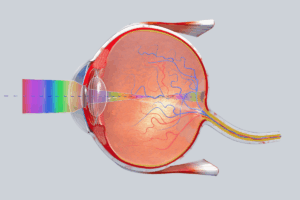
World’s First Human Implant of a 3D-Printed Cornea Restores Sight
December 15, 2025






Background
Favus, or tinea favosa, is a chronic fungal infection of the skin and hair. It is caused by the dermatophyte fungus Trichophyton schoenleinii. Favus primarily affects the scalp, although it occasionally involves other body parts. The condition is characterized by the formation of yellowish, cup-shaped crusts or scutula on the scalp, which gives the appearance of a honeycomb.
These scutula result from the buildup of the fungus and its by-products within the hair follicles. The infection is highly contagious and can spread from person to person through direct contact with the infected individual or through contaminated objects like combs, hats, and towels.
The fungus responsible for favus thrives in warm and humid environments, making crowded living conditions and inadequate personal hygiene risk factors for its transmission. In severe and long-standing cases, favus can lead to permanent hair loss and scarring of the affected areas.
Epidemiology
Anatomy
Pathophysiology
Etiology
The etiology of favus is primarily attributed to the dermatophyte fungus Trichophyton schoenleinii. This specific fungus is responsible for causing the chronic fungal infection known as favus. Trichophyton schoenleinii is a keratinophilic fungus, which means it has a strong affinity for keratin, the protein present in the skin, hair, and nails.
The infection typically begins with the penetration of the fungus into the hair follicles and the superficial layers of the scalp skin. Once inside the hair follicles, the fungus multiplies and colonizes the infected area. It thrives in warm and humid environments, making crowded living conditions and inadequate personal hygiene risk factors for its transmission.
Genetics
Prognostic Factors
Clinical History
Age Group: Favus primarily affects children and young adults. It is more commonly reported in individuals aged 5 to 20, although it can occur at any age.
Physical Examination
Age group
Associated comorbidity
Associated activity
Acuity of presentation
The acuity of favus presentation can vary depending on factors such as the duration of the infection and the individual’s immune response. In general:
Differential Diagnoses
Laboratory Studies
Imaging Studies
Procedures
Histologic Findings
Staging
Treatment Paradigm
The treatment paradigm of favus (tinea favosa) typically involves a combination of antifungal medications, proper hygiene practices, and management of complications. The main goals of treatment are to eradicate fungal infection, promote healing of the affected areas, prevent complications, and reduce the risk of transmission to others. Here is the general treatment paradigm for favus:
Antifungal Medications:
Anti seborrheic Shampoos:
Antiseborrheic shampoos can help remove the crusts or scutula from the scalp and improve the response to antifungal treatment. These shampoos may contain ingredients like salicylic acid or sulfur.
Scalp Care and Hygiene:
Good scalp hygiene is crucial for preventing the spread of the infection and promoting healing. Regular washing and cleaning of the scalp with mild, non-irritating shampoos are recommended. Combing the hair gently to remove loose scales and debris can also aid treatment.
Follow-up and Monitoring:
Regular follow-up with a healthcare professional is essential to monitor the response to treatment, detect any complications, and adjust the treatment plan as needed. In some cases, long-term antifungal therapy may be required to prevent recurrence.
by Stage
by Modality
Chemotherapy
Radiation Therapy
Surgical Interventions
Hormone Therapy
Immunotherapy
Hyperthermia
Photodynamic Therapy
Stem Cell Transplant
Targeted Therapy
Palliative Care
use-of-a-non-pharmacological-approach-for-treating-favus
Role of Topical Antifungal Medications for the Treatment of Favus
Topical antifungal medications play a significant role in the treatment of favus, especially in cases where the infection is localized to the skin and scalp.
These medications are applied directly to the affected areas and work to eliminate fungal infection locally.
Topical antifungals are often used as a first-line treatment for mild cases of favus or as a supplementary therapy in combination with systemic (oral) antifungal medications for more severe or extensive infections.
Ketoconazole: Ketoconazole is an antifungal medication in the azole class of drugs. It is used to treat a wide range of fungal infections, including some types of dermatophytes (the group of fungi that cause favus). However, it is more commonly employed in the treatment of other fungal skin infections such as ringworm (tinea corporis), athlete’s foot (tinea pedis), and fungal infections of the nails (onychomycosis).
Selenium sulfide: Selenium sulfide is an antifungal agent used primarily to treat various skin conditions, including dandruff and seborrheic dermatitis. It is commonly found in medicated shampoos, where it can help control fungal growth on the scalp and reduce symptoms like scaling and itching.
While selenium sulfide has antifungal properties and can be useful in managing certain scalp fungal infections, it is not typically used as a standalone treatment for favus. Instead, it may be employed as an adjunctive therapy to help improve scalp hygiene and control secondary bacterial infections due to fungal infection.
Role of Oral Antifungal agents for the treatment of Favus
Oral antifungal agents are crucial in treating favus, especially in moderate to severe cases or when the infection is extensive and not effectively managed with topical treatments alone. Oral antifungal medications are systemic treatments circulating through the bloodstream to target the fungal infection internally.
Griseofulvin- Griseofulvin works by inhibiting the synthesis of fungal cell walls, preventing the fungi from spreading and reproducing. The duration of griseofulvin treatment for favus can vary depending on the severity of the infection and the patient’s response to the medication.
Treatment often lasts several weeks to months to ensure complete eradication of the fungal infection. It is particularly effective against the dermatophytes, the fungi group responsible for causing favus.
use-of-intervention-with-a-procedure-in-treating-favus
The primary treatment for favus involves the use of antifungal medications, both topical and systemic, to eliminate the fungal infection.
In some cases, when there are severe complications related to favus, such as secondary bacterial infections, excessive crusting, or inflammation, additional procedures or interventions may be required to manage these complications.
These interventions aim to support the overall treatment and promote healing of the affected areas.
use-of-phases-in-managing-favus
The general phases involved in managing favus:
Medication
Future Trends
Favus, or tinea favosa, is a chronic fungal infection of the skin and hair. It is caused by the dermatophyte fungus Trichophyton schoenleinii. Favus primarily affects the scalp, although it occasionally involves other body parts. The condition is characterized by the formation of yellowish, cup-shaped crusts or scutula on the scalp, which gives the appearance of a honeycomb.
These scutula result from the buildup of the fungus and its by-products within the hair follicles. The infection is highly contagious and can spread from person to person through direct contact with the infected individual or through contaminated objects like combs, hats, and towels.
The fungus responsible for favus thrives in warm and humid environments, making crowded living conditions and inadequate personal hygiene risk factors for its transmission. In severe and long-standing cases, favus can lead to permanent hair loss and scarring of the affected areas.
The etiology of favus is primarily attributed to the dermatophyte fungus Trichophyton schoenleinii. This specific fungus is responsible for causing the chronic fungal infection known as favus. Trichophyton schoenleinii is a keratinophilic fungus, which means it has a strong affinity for keratin, the protein present in the skin, hair, and nails.
The infection typically begins with the penetration of the fungus into the hair follicles and the superficial layers of the scalp skin. Once inside the hair follicles, the fungus multiplies and colonizes the infected area. It thrives in warm and humid environments, making crowded living conditions and inadequate personal hygiene risk factors for its transmission.
Age Group: Favus primarily affects children and young adults. It is more commonly reported in individuals aged 5 to 20, although it can occur at any age.
The acuity of favus presentation can vary depending on factors such as the duration of the infection and the individual’s immune response. In general:
The treatment paradigm of favus (tinea favosa) typically involves a combination of antifungal medications, proper hygiene practices, and management of complications. The main goals of treatment are to eradicate fungal infection, promote healing of the affected areas, prevent complications, and reduce the risk of transmission to others. Here is the general treatment paradigm for favus:
Antifungal Medications:
Anti seborrheic Shampoos:
Antiseborrheic shampoos can help remove the crusts or scutula from the scalp and improve the response to antifungal treatment. These shampoos may contain ingredients like salicylic acid or sulfur.
Scalp Care and Hygiene:
Good scalp hygiene is crucial for preventing the spread of the infection and promoting healing. Regular washing and cleaning of the scalp with mild, non-irritating shampoos are recommended. Combing the hair gently to remove loose scales and debris can also aid treatment.
Follow-up and Monitoring:
Regular follow-up with a healthcare professional is essential to monitor the response to treatment, detect any complications, and adjust the treatment plan as needed. In some cases, long-term antifungal therapy may be required to prevent recurrence.
Topical antifungal medications play a significant role in the treatment of favus, especially in cases where the infection is localized to the skin and scalp.
These medications are applied directly to the affected areas and work to eliminate fungal infection locally.
Topical antifungals are often used as a first-line treatment for mild cases of favus or as a supplementary therapy in combination with systemic (oral) antifungal medications for more severe or extensive infections.
Ketoconazole: Ketoconazole is an antifungal medication in the azole class of drugs. It is used to treat a wide range of fungal infections, including some types of dermatophytes (the group of fungi that cause favus). However, it is more commonly employed in the treatment of other fungal skin infections such as ringworm (tinea corporis), athlete’s foot (tinea pedis), and fungal infections of the nails (onychomycosis).
Selenium sulfide: Selenium sulfide is an antifungal agent used primarily to treat various skin conditions, including dandruff and seborrheic dermatitis. It is commonly found in medicated shampoos, where it can help control fungal growth on the scalp and reduce symptoms like scaling and itching.
While selenium sulfide has antifungal properties and can be useful in managing certain scalp fungal infections, it is not typically used as a standalone treatment for favus. Instead, it may be employed as an adjunctive therapy to help improve scalp hygiene and control secondary bacterial infections due to fungal infection.
Oral antifungal agents are crucial in treating favus, especially in moderate to severe cases or when the infection is extensive and not effectively managed with topical treatments alone. Oral antifungal medications are systemic treatments circulating through the bloodstream to target the fungal infection internally.
Griseofulvin- Griseofulvin works by inhibiting the synthesis of fungal cell walls, preventing the fungi from spreading and reproducing. The duration of griseofulvin treatment for favus can vary depending on the severity of the infection and the patient’s response to the medication.
Treatment often lasts several weeks to months to ensure complete eradication of the fungal infection. It is particularly effective against the dermatophytes, the fungi group responsible for causing favus.
The primary treatment for favus involves the use of antifungal medications, both topical and systemic, to eliminate the fungal infection.
In some cases, when there are severe complications related to favus, such as secondary bacterial infections, excessive crusting, or inflammation, additional procedures or interventions may be required to manage these complications.
These interventions aim to support the overall treatment and promote healing of the affected areas.
The general phases involved in managing favus:

Favus, or tinea favosa, is a chronic fungal infection of the skin and hair. It is caused by the dermatophyte fungus Trichophyton schoenleinii. Favus primarily affects the scalp, although it occasionally involves other body parts. The condition is characterized by the formation of yellowish, cup-shaped crusts or scutula on the scalp, which gives the appearance of a honeycomb.
These scutula result from the buildup of the fungus and its by-products within the hair follicles. The infection is highly contagious and can spread from person to person through direct contact with the infected individual or through contaminated objects like combs, hats, and towels.
The fungus responsible for favus thrives in warm and humid environments, making crowded living conditions and inadequate personal hygiene risk factors for its transmission. In severe and long-standing cases, favus can lead to permanent hair loss and scarring of the affected areas.
The etiology of favus is primarily attributed to the dermatophyte fungus Trichophyton schoenleinii. This specific fungus is responsible for causing the chronic fungal infection known as favus. Trichophyton schoenleinii is a keratinophilic fungus, which means it has a strong affinity for keratin, the protein present in the skin, hair, and nails.
The infection typically begins with the penetration of the fungus into the hair follicles and the superficial layers of the scalp skin. Once inside the hair follicles, the fungus multiplies and colonizes the infected area. It thrives in warm and humid environments, making crowded living conditions and inadequate personal hygiene risk factors for its transmission.
Age Group: Favus primarily affects children and young adults. It is more commonly reported in individuals aged 5 to 20, although it can occur at any age.
The acuity of favus presentation can vary depending on factors such as the duration of the infection and the individual’s immune response. In general:
The treatment paradigm of favus (tinea favosa) typically involves a combination of antifungal medications, proper hygiene practices, and management of complications. The main goals of treatment are to eradicate fungal infection, promote healing of the affected areas, prevent complications, and reduce the risk of transmission to others. Here is the general treatment paradigm for favus:
Antifungal Medications:
Anti seborrheic Shampoos:
Antiseborrheic shampoos can help remove the crusts or scutula from the scalp and improve the response to antifungal treatment. These shampoos may contain ingredients like salicylic acid or sulfur.
Scalp Care and Hygiene:
Good scalp hygiene is crucial for preventing the spread of the infection and promoting healing. Regular washing and cleaning of the scalp with mild, non-irritating shampoos are recommended. Combing the hair gently to remove loose scales and debris can also aid treatment.
Follow-up and Monitoring:
Regular follow-up with a healthcare professional is essential to monitor the response to treatment, detect any complications, and adjust the treatment plan as needed. In some cases, long-term antifungal therapy may be required to prevent recurrence.
Topical antifungal medications play a significant role in the treatment of favus, especially in cases where the infection is localized to the skin and scalp.
These medications are applied directly to the affected areas and work to eliminate fungal infection locally.
Topical antifungals are often used as a first-line treatment for mild cases of favus or as a supplementary therapy in combination with systemic (oral) antifungal medications for more severe or extensive infections.
Ketoconazole: Ketoconazole is an antifungal medication in the azole class of drugs. It is used to treat a wide range of fungal infections, including some types of dermatophytes (the group of fungi that cause favus). However, it is more commonly employed in the treatment of other fungal skin infections such as ringworm (tinea corporis), athlete’s foot (tinea pedis), and fungal infections of the nails (onychomycosis).
Selenium sulfide: Selenium sulfide is an antifungal agent used primarily to treat various skin conditions, including dandruff and seborrheic dermatitis. It is commonly found in medicated shampoos, where it can help control fungal growth on the scalp and reduce symptoms like scaling and itching.
While selenium sulfide has antifungal properties and can be useful in managing certain scalp fungal infections, it is not typically used as a standalone treatment for favus. Instead, it may be employed as an adjunctive therapy to help improve scalp hygiene and control secondary bacterial infections due to fungal infection.
Oral antifungal agents are crucial in treating favus, especially in moderate to severe cases or when the infection is extensive and not effectively managed with topical treatments alone. Oral antifungal medications are systemic treatments circulating through the bloodstream to target the fungal infection internally.
Griseofulvin- Griseofulvin works by inhibiting the synthesis of fungal cell walls, preventing the fungi from spreading and reproducing. The duration of griseofulvin treatment for favus can vary depending on the severity of the infection and the patient’s response to the medication.
Treatment often lasts several weeks to months to ensure complete eradication of the fungal infection. It is particularly effective against the dermatophytes, the fungi group responsible for causing favus.
The primary treatment for favus involves the use of antifungal medications, both topical and systemic, to eliminate the fungal infection.
In some cases, when there are severe complications related to favus, such as secondary bacterial infections, excessive crusting, or inflammation, additional procedures or interventions may be required to manage these complications.
These interventions aim to support the overall treatment and promote healing of the affected areas.
The general phases involved in managing favus:

Both our subscription plans include Free CME/CPD AMA PRA Category 1 credits.

On course completion, you will receive a full-sized presentation quality digital certificate.
A dynamic medical simulation platform designed to train healthcare professionals and students to effectively run code situations through an immersive hands-on experience in a live, interactive 3D environment.

When you have your licenses, certificates and CMEs in one place, it's easier to track your career growth. You can easily share these with hospitals as well, using your medtigo app.