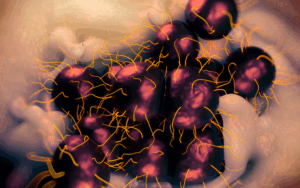
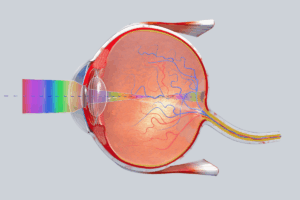
Fungal endophthalmitis is a major intraocular infectionlargely attributed to the destruction of fungal microorganisms. When molds are present in the intra-ocular structures, which are in turn the cause of inflammation or damage of tissues and of the worst case it can cause blindness—if left untreated. Endophthalmitis by fungus develops after trauma or surgery of the eyeor after the pathogen enters the organism by the bloodstream from a remote site of fungus infection.
Epidemiology
Reported data demonstrate that the presence of endophthalmitis among the candidemia patients may range between 9% and 40%. Yet on the other hand the most recently carried out studies show signs of a lower prevalence varying from 0 to 2.2 %.
Such results advocate for such preventive interventions and early treatment strategies should be implemented after retaining positive culture-blood sensitivity ocular complications of candidemia is minimized.
Anatomy
Pathophysiology
Entry of Fungal Organisms: Usually fungi can enter the eye by several different channels that includes wounds or surgical procedures or systemic spread from a remote infection site. Fungi can also occasionally come from internal sources found inside the eye.
Colonization and Adherence: Microorganisms of this fungal species penetrate the inside of the eye and then colonize the ocular tissue and the vitreous humor and the retina as their main sites. They get attached to the endothelial lining of the blood vessels and may form biofilms that sharply reduce their susceptibility to the host immune responses as well the antibiotics.
Inflammatory Response: The presence of fungal pathogens in the eye leads to an inflammatory nature from which there is no escape. This reaction exhibits the aggregation of immune cells that include neutrophils or macrophages and lymphocytes that promote pro-inflammatory cytokines and chemokines. This inflammation network then leads to tissue damage and vision deterioration. Tissue Invasion and Damage: Fungal microorganisms in some cases can infiltrate into both the optical and fundal retinal tissues such as the retina & choroid and vitreous destroying the tissues and causing cell necrosis. The secretion of fungal enzymes & toxins and colonized substances make the tissues more prone and vulnerable to inflammation and damage. Formation of Intraocular Abscesses: In its advanced stages the fungal endophthalmitis can result into the formation of abscesses or granulomas in the ocular cavities which further hinder proper eye function and surgeries may be needed for effective treatment. Systemic Spread: In the immunocompromised individuals fungal endophthalmitis may occur by the spread of fungal pathogen through the hemogeneous process which is initiated at a distance of infection like the lungs or bloodstream. Trans-membrane transport emerges as the major route by which the infection advances. This can account for the sequential involvement of both sides as well as systemic complications.
Etiology
Fungal Contamination: The most cause of contamination includesduring surgery on the cornea or cataract operations, or corneal transplant or vitrectomy is becoming very common. These spores are often airborne or by surgical instrumentsor from contaminated solutions. Trauma: Mold spores can get into the eye not only owing to the air we breathe but also through additional factorsincluding injury from any type of penetrations or irritants. Systemic Infections: Rarely a situation of fungal endophthalmitis can exert where the fungus (inducing systemic infection) come into the eyes from the blood through the bloodstream. Such phenomenon for examplecan affect people with a weak immunitye.g., HIV/AIDS patients or chemotherapy patients or those who take immune suppressive drugs among others. Contact Lens Use: With perishing use of lenses that are exposed to pathogenic agents or applying the treating methods improperly, one might develop fungal keratitis that if remaining untreatedcan develop into fungal endophthalmitis. Pre-existing Eye Conditions: People with chronic disease of eye like uveitisor diabetic retinopathy beforehand would be at higher risk of getting endophthalmitis if they have barriers to the body’s defense since its immune response has been compromised.
Genetics
Prognostic Factors
Early Detection and Treatment: The delayed diagnosis and treatment may eventually worsen the prognosis. Type of Fungus: The nature of the fungal growth involved in causing the infection can determine the outcome. Several fungi notoriously more infectiousand more treatment-resistant than other species, have been recorded. Extent of Infection: The degree to which fungal disease of eyes affects can be crucial in prognosis. Immune Status: Those who are immune-compromised – either from having an HIV/AIDS conditionor having undergone an organ transplantor on immunosuppressive treatment – could have a poor prognosis because of not being able to resist the infection due to their weak defense.
Clinical History
Age group:In general, one of the possible causes of fungal endophthalmitis can be seen in people of different ages with the additionally mentionedthough not necessary, infirmity of the immune system or trauma of the eye or the history of previous eye operationsor the existence of the common ocular disease. Age can be a factor in disease that would include the presence of certain risk factors among others. Another example would be an older person with eye surgeries that are age-related or with an immune system that is compromised due to their age; thus, making the fungal infections very likely to happen to them.
Physical Examination
Visual Acuity Testing
External Examination
Slit Lamp Examination
Intraocular Pressure Measurement
Fundoscopic Examination
Ultrasound Imaging
Culture and Sensitivity Testing
Age group
Associated comorbidity
Immunocompromised individuals
Diabetes
Ocular Surgery or Trauma
Systemic Fungal Infections
Prolonged Antibiotic Use
Associated activity
Acuity of presentation
Acute Onset: Fungal endophthalmitis commonly occurs suddenlywith things happening to the patient sharply and those being severe eye pain or rednessand decreased vision as well as photophobia. Patients may state that they are experiencing a sudden and quick degradation of their eyesight within a period of hours or days. Severe Symptoms: The issue is generally one critical to patient’s lifeultimately leading them to go to see an ophthalmologist. These can include the thoughts of having something stuck in the eye or eye pain severe intensityor analogies that it is such as a pressure formed inside the eyeball.
Differential Diagnoses
Bacterial Endophthalmitis
Non-infectious Uveitis
Toxoplasmosis
Endogenous Endophthalmitis
Postoperative Endophthalmitis
Traumatic Endophthalmitis
Laboratory Studies
Imaging Studies
Procedures
Histologic Findings
Staging
Treatment Paradigm
Antifungal Therapy Intravitreal Antifungal Agents: Injection of antifungal agents directly into the vitreous cavity will be achieved by very high concentrations at the site of effect. Surgical Intervention: Vitrectomy: Removal of the real vitreoushumor may be indicated even if the pathology of the inflammatory debris and fungal pathogens require extra removal procedure. Retinal Detachment Repair:The kind of surgery for treating fungal endophthalmitis is necessary to restore the affected person’s sight. Adjunctive Measures: Corticosteroids: In some circumstances adjunct within use of corticosteroids can be used to handle intraocular inflammation and to prevent the emergence of complications like macular edema and fibrosis.
Intravitreal Antimicrobial Combination Therapy:In the event of coexistent organisms which cause the disease and also the immunity to some antifungal and antibacterial drugsthe combination of the two drug regimens may be essential.
Promote good hand hygiene by stressing it to patients and healthcare providers. Hand sanitizers and handwashing should be done both before and after eye exams and procedures.
To stop the transmission of fungal spores, keep clean, dust-free surroundings in medical facilities particularly in areas used for eye procedures by routinely cleaning and disinfecting. Installing HEPA filters in ventilation systems can reduce airborne pollutants, including fungal spores. This is especially important in sterile areas like operating rooms. To prevent fungal development, healthcare institutions should monitor and regulate their humidity levels. Make sure the humidity maintains within prescribed ranges to prevent fungal contamination.
Effectiveness of polyene antibiotics in treating fungal endophthalmitis
Amphotericin B Amphotericin B is an antifungal drug commonly used for severe fungal infections like fungal endophthalmitis. It’s effective in the eye when given intravenouslybut systemic use may be limited due to side effects and toxicity concerns.
Use of imidazoles in treating fungal endophthalmitis
Fluconazole: Fluconazole is a triazole antifungal medication. It blocks ergosterol synthesis in fungal cell membranes. It can reach the eyes and cerebrospinal fluid when taken systemically.
Ketoconazole: Ketoconazole is also a triazole antifungal drug.
ketoconazole inhibits the synthesis of ergosterol, disrupting fungal cell membrane integrity.
Use of corticosteroids in treating fungal endophthalmitis
Dexamethasone:It reduces inflammation for a variety of inflammatory and allergy disorders by blocking polymorphonuclear leukocyte movement & reducing capillary permeability.
Role of Chemotherapeutic agents in treating fungal endophthalmitis
Flucytosine is an antifungal medication used in the treatment of systemic fungal infections. It works by inhibiting the synthesis of fungal DNA and RNA, thus preventing the growth and reproduction of fungal cells.
In some cases, a combination of antifungal medications may be used to enhance effectiveness and prevent the development of drug resistance.
Vitrectomy: In this treatment, the infected vitreous gel in the eye is partly or fully removed and replaced with a clean solution using small surgical tools.
Retinal detachment: A condition in which the retina separates from the back of the eye can be brought on by fungus infections. To reattach the retina and restore eyesight surgery could be required. Corneal transplant: In cases when a fungal infection causes significant damage to the cornea vision restoration may need a corneal transplant.
Diagnosis: A comprehensive eye exam including tests for visual acuity and imaging is necessary to provide an accurate diagnosis. The fungal cause may need to be identified by culture. Medical Therapy: Potent antifungal medications are used initially, frequently intravenously or by injection into the eye. Surgical Intervention: To remove contaminated tissuesevere instances may need to have a vitrectomy. Adjunctive Therapy:To supplement primary treatmentsextra therapies such as corticosteroids and systemic antifungal medications may be employed.
Fungal endophthalmitis is a major intraocular infectionlargely attributed to the destruction of fungal microorganisms. When molds are present in the intra-ocular structures, which are in turn the cause of inflammation or damage of tissues and of the worst case it can cause blindness—if left untreated. Endophthalmitis by fungus develops after trauma or surgery of the eyeor after the pathogen enters the organism by the bloodstream from a remote site of fungus infection.
Reported data demonstrate that the presence of endophthalmitis among the candidemia patients may range between 9% and 40%. Yet on the other hand the most recently carried out studies show signs of a lower prevalence varying from 0 to 2.2 %.
Such results advocate for such preventive interventions and early treatment strategies should be implemented after retaining positive culture-blood sensitivity ocular complications of candidemia is minimized.
Entry of Fungal Organisms: Usually fungi can enter the eye by several different channels that includes wounds or surgical procedures or systemic spread from a remote infection site. Fungi can also occasionally come from internal sources found inside the eye.
Colonization and Adherence: Microorganisms of this fungal species penetrate the inside of the eye and then colonize the ocular tissue and the vitreous humor and the retina as their main sites. They get attached to the endothelial lining of the blood vessels and may form biofilms that sharply reduce their susceptibility to the host immune responses as well the antibiotics.
Inflammatory Response: The presence of fungal pathogens in the eye leads to an inflammatory nature from which there is no escape. This reaction exhibits the aggregation of immune cells that include neutrophils or macrophages and lymphocytes that promote pro-inflammatory cytokines and chemokines. This inflammation network then leads to tissue damage and vision deterioration. Tissue Invasion and Damage: Fungal microorganisms in some cases can infiltrate into both the optical and fundal retinal tissues such as the retina & choroid and vitreous destroying the tissues and causing cell necrosis. The secretion of fungal enzymes & toxins and colonized substances make the tissues more prone and vulnerable to inflammation and damage. Formation of Intraocular Abscesses: In its advanced stages the fungal endophthalmitis can result into the formation of abscesses or granulomas in the ocular cavities which further hinder proper eye function and surgeries may be needed for effective treatment. Systemic Spread: In the immunocompromised individuals fungal endophthalmitis may occur by the spread of fungal pathogen through the hemogeneous process which is initiated at a distance of infection like the lungs or bloodstream. Trans-membrane transport emerges as the major route by which the infection advances. This can account for the sequential involvement of both sides as well as systemic complications.
Fungal Contamination: The most cause of contamination includesduring surgery on the cornea or cataract operations, or corneal transplant or vitrectomy is becoming very common. These spores are often airborne or by surgical instrumentsor from contaminated solutions. Trauma: Mold spores can get into the eye not only owing to the air we breathe but also through additional factorsincluding injury from any type of penetrations or irritants. Systemic Infections: Rarely a situation of fungal endophthalmitis can exert where the fungus (inducing systemic infection) come into the eyes from the blood through the bloodstream. Such phenomenon for examplecan affect people with a weak immunitye.g., HIV/AIDS patients or chemotherapy patients or those who take immune suppressive drugs among others. Contact Lens Use: With perishing use of lenses that are exposed to pathogenic agents or applying the treating methods improperly, one might develop fungal keratitis that if remaining untreatedcan develop into fungal endophthalmitis. Pre-existing Eye Conditions: People with chronic disease of eye like uveitisor diabetic retinopathy beforehand would be at higher risk of getting endophthalmitis if they have barriers to the body’s defense since its immune response has been compromised.
Early Detection and Treatment: The delayed diagnosis and treatment may eventually worsen the prognosis. Type of Fungus: The nature of the fungal growth involved in causing the infection can determine the outcome. Several fungi notoriously more infectiousand more treatment-resistant than other species, have been recorded. Extent of Infection: The degree to which fungal disease of eyes affects can be crucial in prognosis. Immune Status: Those who are immune-compromised – either from having an HIV/AIDS conditionor having undergone an organ transplantor on immunosuppressive treatment – could have a poor prognosis because of not being able to resist the infection due to their weak defense.
Age group:In general, one of the possible causes of fungal endophthalmitis can be seen in people of different ages with the additionally mentionedthough not necessary, infirmity of the immune system or trauma of the eye or the history of previous eye operationsor the existence of the common ocular disease. Age can be a factor in disease that would include the presence of certain risk factors among others. Another example would be an older person with eye surgeries that are age-related or with an immune system that is compromised due to their age; thus, making the fungal infections very likely to happen to them.
Visual Acuity Testing
External Examination
Slit Lamp Examination
Intraocular Pressure Measurement
Fundoscopic Examination
Ultrasound Imaging
Culture and Sensitivity Testing
Immunocompromised individuals
Diabetes
Ocular Surgery or Trauma
Systemic Fungal Infections
Prolonged Antibiotic Use
Acute Onset: Fungal endophthalmitis commonly occurs suddenlywith things happening to the patient sharply and those being severe eye pain or rednessand decreased vision as well as photophobia. Patients may state that they are experiencing a sudden and quick degradation of their eyesight within a period of hours or days. Severe Symptoms: The issue is generally one critical to patient’s lifeultimately leading them to go to see an ophthalmologist. These can include the thoughts of having something stuck in the eye or eye pain severe intensityor analogies that it is such as a pressure formed inside the eyeball.
Bacterial Endophthalmitis
Non-infectious Uveitis
Toxoplasmosis
Endogenous Endophthalmitis
Postoperative Endophthalmitis
Traumatic Endophthalmitis
Antifungal Therapy Intravitreal Antifungal Agents: Injection of antifungal agents directly into the vitreous cavity will be achieved by very high concentrations at the site of effect. Surgical Intervention: Vitrectomy: Removal of the real vitreoushumor may be indicated even if the pathology of the inflammatory debris and fungal pathogens require extra removal procedure. Retinal Detachment Repair:The kind of surgery for treating fungal endophthalmitis is necessary to restore the affected person’s sight. Adjunctive Measures: Corticosteroids: In some circumstances adjunct within use of corticosteroids can be used to handle intraocular inflammation and to prevent the emergence of complications like macular edema and fibrosis.
Intravitreal Antimicrobial Combination Therapy:In the event of coexistent organisms which cause the disease and also the immunity to some antifungal and antibacterial drugsthe combination of the two drug regimens may be essential.
Ophthalmology
Promote good hand hygiene by stressing it to patients and healthcare providers. Hand sanitizers and handwashing should be done both before and after eye exams and procedures.
To stop the transmission of fungal spores, keep clean, dust-free surroundings in medical facilities particularly in areas used for eye procedures by routinely cleaning and disinfecting. Installing HEPA filters in ventilation systems can reduce airborne pollutants, including fungal spores. This is especially important in sterile areas like operating rooms. To prevent fungal development, healthcare institutions should monitor and regulate their humidity levels. Make sure the humidity maintains within prescribed ranges to prevent fungal contamination.
Ophthalmology
Amphotericin B Amphotericin B is an antifungal drug commonly used for severe fungal infections like fungal endophthalmitis. It’s effective in the eye when given intravenouslybut systemic use may be limited due to side effects and toxicity concerns.
Ophthalmology
Fluconazole: Fluconazole is a triazole antifungal medication. It blocks ergosterol synthesis in fungal cell membranes. It can reach the eyes and cerebrospinal fluid when taken systemically.
Ketoconazole: Ketoconazole is also a triazole antifungal drug.
ketoconazole inhibits the synthesis of ergosterol, disrupting fungal cell membrane integrity.
Ophthalmology
Dexamethasone:It reduces inflammation for a variety of inflammatory and allergy disorders by blocking polymorphonuclear leukocyte movement & reducing capillary permeability.
Flucytosine is an antifungal medication used in the treatment of systemic fungal infections. It works by inhibiting the synthesis of fungal DNA and RNA, thus preventing the growth and reproduction of fungal cells.
In some cases, a combination of antifungal medications may be used to enhance effectiveness and prevent the development of drug resistance.
Ophthalmology
Vitrectomy: In this treatment, the infected vitreous gel in the eye is partly or fully removed and replaced with a clean solution using small surgical tools.
Retinal detachment: A condition in which the retina separates from the back of the eye can be brought on by fungus infections. To reattach the retina and restore eyesight surgery could be required. Corneal transplant: In cases when a fungal infection causes significant damage to the cornea vision restoration may need a corneal transplant.
Ophthalmology
Diagnosis: A comprehensive eye exam including tests for visual acuity and imaging is necessary to provide an accurate diagnosis. The fungal cause may need to be identified by culture. Medical Therapy: Potent antifungal medications are used initially, frequently intravenously or by injection into the eye. Surgical Intervention: To remove contaminated tissuesevere instances may need to have a vitrectomy. Adjunctive Therapy:To supplement primary treatmentsextra therapies such as corticosteroids and systemic antifungal medications may be employed.
Fungal endophthalmitis is a major intraocular infectionlargely attributed to the destruction of fungal microorganisms. When molds are present in the intra-ocular structures, which are in turn the cause of inflammation or damage of tissues and of the worst case it can cause blindness—if left untreated. Endophthalmitis by fungus develops after trauma or surgery of the eyeor after the pathogen enters the organism by the bloodstream from a remote site of fungus infection.
Reported data demonstrate that the presence of endophthalmitis among the candidemia patients may range between 9% and 40%. Yet on the other hand the most recently carried out studies show signs of a lower prevalence varying from 0 to 2.2 %.
Such results advocate for such preventive interventions and early treatment strategies should be implemented after retaining positive culture-blood sensitivity ocular complications of candidemia is minimized.
Entry of Fungal Organisms: Usually fungi can enter the eye by several different channels that includes wounds or surgical procedures or systemic spread from a remote infection site. Fungi can also occasionally come from internal sources found inside the eye.
Colonization and Adherence: Microorganisms of this fungal species penetrate the inside of the eye and then colonize the ocular tissue and the vitreous humor and the retina as their main sites. They get attached to the endothelial lining of the blood vessels and may form biofilms that sharply reduce their susceptibility to the host immune responses as well the antibiotics.
Inflammatory Response: The presence of fungal pathogens in the eye leads to an inflammatory nature from which there is no escape. This reaction exhibits the aggregation of immune cells that include neutrophils or macrophages and lymphocytes that promote pro-inflammatory cytokines and chemokines. This inflammation network then leads to tissue damage and vision deterioration. Tissue Invasion and Damage: Fungal microorganisms in some cases can infiltrate into both the optical and fundal retinal tissues such as the retina & choroid and vitreous destroying the tissues and causing cell necrosis. The secretion of fungal enzymes & toxins and colonized substances make the tissues more prone and vulnerable to inflammation and damage. Formation of Intraocular Abscesses: In its advanced stages the fungal endophthalmitis can result into the formation of abscesses or granulomas in the ocular cavities which further hinder proper eye function and surgeries may be needed for effective treatment. Systemic Spread: In the immunocompromised individuals fungal endophthalmitis may occur by the spread of fungal pathogen through the hemogeneous process which is initiated at a distance of infection like the lungs or bloodstream. Trans-membrane transport emerges as the major route by which the infection advances. This can account for the sequential involvement of both sides as well as systemic complications.
Fungal Contamination: The most cause of contamination includesduring surgery on the cornea or cataract operations, or corneal transplant or vitrectomy is becoming very common. These spores are often airborne or by surgical instrumentsor from contaminated solutions. Trauma: Mold spores can get into the eye not only owing to the air we breathe but also through additional factorsincluding injury from any type of penetrations or irritants. Systemic Infections: Rarely a situation of fungal endophthalmitis can exert where the fungus (inducing systemic infection) come into the eyes from the blood through the bloodstream. Such phenomenon for examplecan affect people with a weak immunitye.g., HIV/AIDS patients or chemotherapy patients or those who take immune suppressive drugs among others. Contact Lens Use: With perishing use of lenses that are exposed to pathogenic agents or applying the treating methods improperly, one might develop fungal keratitis that if remaining untreatedcan develop into fungal endophthalmitis. Pre-existing Eye Conditions: People with chronic disease of eye like uveitisor diabetic retinopathy beforehand would be at higher risk of getting endophthalmitis if they have barriers to the body’s defense since its immune response has been compromised.
Early Detection and Treatment: The delayed diagnosis and treatment may eventually worsen the prognosis. Type of Fungus: The nature of the fungal growth involved in causing the infection can determine the outcome. Several fungi notoriously more infectiousand more treatment-resistant than other species, have been recorded. Extent of Infection: The degree to which fungal disease of eyes affects can be crucial in prognosis. Immune Status: Those who are immune-compromised – either from having an HIV/AIDS conditionor having undergone an organ transplantor on immunosuppressive treatment – could have a poor prognosis because of not being able to resist the infection due to their weak defense.
Age group:In general, one of the possible causes of fungal endophthalmitis can be seen in people of different ages with the additionally mentionedthough not necessary, infirmity of the immune system or trauma of the eye or the history of previous eye operationsor the existence of the common ocular disease. Age can be a factor in disease that would include the presence of certain risk factors among others. Another example would be an older person with eye surgeries that are age-related or with an immune system that is compromised due to their age; thus, making the fungal infections very likely to happen to them.
Visual Acuity Testing
External Examination
Slit Lamp Examination
Intraocular Pressure Measurement
Fundoscopic Examination
Ultrasound Imaging
Culture and Sensitivity Testing
Immunocompromised individuals
Diabetes
Ocular Surgery or Trauma
Systemic Fungal Infections
Prolonged Antibiotic Use
Acute Onset: Fungal endophthalmitis commonly occurs suddenlywith things happening to the patient sharply and those being severe eye pain or rednessand decreased vision as well as photophobia. Patients may state that they are experiencing a sudden and quick degradation of their eyesight within a period of hours or days. Severe Symptoms: The issue is generally one critical to patient’s lifeultimately leading them to go to see an ophthalmologist. These can include the thoughts of having something stuck in the eye or eye pain severe intensityor analogies that it is such as a pressure formed inside the eyeball.
Bacterial Endophthalmitis
Non-infectious Uveitis
Toxoplasmosis
Endogenous Endophthalmitis
Postoperative Endophthalmitis
Traumatic Endophthalmitis
Antifungal Therapy Intravitreal Antifungal Agents: Injection of antifungal agents directly into the vitreous cavity will be achieved by very high concentrations at the site of effect. Surgical Intervention: Vitrectomy: Removal of the real vitreoushumor may be indicated even if the pathology of the inflammatory debris and fungal pathogens require extra removal procedure. Retinal Detachment Repair:The kind of surgery for treating fungal endophthalmitis is necessary to restore the affected person’s sight. Adjunctive Measures: Corticosteroids: In some circumstances adjunct within use of corticosteroids can be used to handle intraocular inflammation and to prevent the emergence of complications like macular edema and fibrosis.
Intravitreal Antimicrobial Combination Therapy:In the event of coexistent organisms which cause the disease and also the immunity to some antifungal and antibacterial drugsthe combination of the two drug regimens may be essential.
Ophthalmology
Promote good hand hygiene by stressing it to patients and healthcare providers. Hand sanitizers and handwashing should be done both before and after eye exams and procedures.
To stop the transmission of fungal spores, keep clean, dust-free surroundings in medical facilities particularly in areas used for eye procedures by routinely cleaning and disinfecting. Installing HEPA filters in ventilation systems can reduce airborne pollutants, including fungal spores. This is especially important in sterile areas like operating rooms. To prevent fungal development, healthcare institutions should monitor and regulate their humidity levels. Make sure the humidity maintains within prescribed ranges to prevent fungal contamination.
Ophthalmology
Amphotericin B Amphotericin B is an antifungal drug commonly used for severe fungal infections like fungal endophthalmitis. It’s effective in the eye when given intravenouslybut systemic use may be limited due to side effects and toxicity concerns.
Ophthalmology
Fluconazole: Fluconazole is a triazole antifungal medication. It blocks ergosterol synthesis in fungal cell membranes. It can reach the eyes and cerebrospinal fluid when taken systemically.
Ketoconazole: Ketoconazole is also a triazole antifungal drug.
ketoconazole inhibits the synthesis of ergosterol, disrupting fungal cell membrane integrity.
Ophthalmology
Dexamethasone:It reduces inflammation for a variety of inflammatory and allergy disorders by blocking polymorphonuclear leukocyte movement & reducing capillary permeability.
Flucytosine is an antifungal medication used in the treatment of systemic fungal infections. It works by inhibiting the synthesis of fungal DNA and RNA, thus preventing the growth and reproduction of fungal cells.
In some cases, a combination of antifungal medications may be used to enhance effectiveness and prevent the development of drug resistance.
Ophthalmology
Vitrectomy: In this treatment, the infected vitreous gel in the eye is partly or fully removed and replaced with a clean solution using small surgical tools.
Retinal detachment: A condition in which the retina separates from the back of the eye can be brought on by fungus infections. To reattach the retina and restore eyesight surgery could be required. Corneal transplant: In cases when a fungal infection causes significant damage to the cornea vision restoration may need a corneal transplant.
Ophthalmology
Diagnosis: A comprehensive eye exam including tests for visual acuity and imaging is necessary to provide an accurate diagnosis. The fungal cause may need to be identified by culture. Medical Therapy: Potent antifungal medications are used initially, frequently intravenously or by injection into the eye. Surgical Intervention: To remove contaminated tissuesevere instances may need to have a vitrectomy. Adjunctive Therapy:To supplement primary treatmentsextra therapies such as corticosteroids and systemic antifungal medications may be employed.
Both our subscription plans include Free CME/CPD AMA PRA Category 1 credits.
Digital Certificate PDF
On course completion, you will receive a full-sized presentation quality digital certificate.
medtigo Simulation
A dynamic medical simulation platform designed to train healthcare professionals and students to effectively run code situations through an immersive hands-on experience in a live, interactive 3D environment.
medtigo Points
medtigo points is our unique point redemption system created to award users for interacting on our site. These points can be redeemed for special discounts on the medtigo marketplace as well as towards the membership cost itself.
Community Forum post/reply = 5 points
*Redemption of points can occur only through the medtigo marketplace, courses, or simulation system. Money will not be credited to your bank account. 10 points = $1.
All Your Certificates in One Place
When you have your licenses, certificates and CMEs in one place, it's easier to track your career growth. You can easily share these with hospitals as well, using your medtigo app.