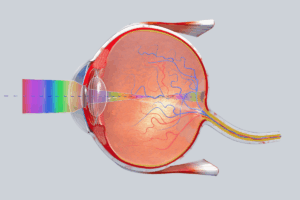
Fungal keratitis is preceded by repetitive attacks of fungal pathogens lodged in the eyeball. This condition occurs when some fungi invade the cornea and the transparent outer layer covering the eye which brings about inflammation and unpleasant sensations and vision loss. It is mainly the result of harm done to an eye or the use of contact lenses, and it is a sign that the immune system does not work well. The crucial components of an effective management plan are prompt diagnosis and subsequent therapeutic antifungal regimen that prevents eye damage and vision loss.
Epidemiology
Global Distribution: Fungal keratitis is a global condition; however, its prevalence is not the same across regions. Incidence in tropical and subtropical areas is more likely due to humans being nurtured favorably by warm and humid weather for fungal development.
Risk Factors: This involves any sort of eye injury, wearing of contact lenses with bad hygiene and extended time periods, different ocular surface diseases, using topical anabolic steroids and immunosuppression.
Microbial Profile:Fungi causing keratitis are complex and the varieties differ by area. Fungal organisms injurious to humans like the Fusarium, Aspergillus, Candida, and molds are the paramount cause of mycoses. A given region may exhibit different pathogens such as specific strains.
Contact Lens-Related Cases:Typically, fungal keratitis among contact lens users is attributed to the occurrence of lens handling mistakes like poor hygiene practices and extensive wear of lenses and use of dirty lens solutions or the using of lenses while swimming or taking a bath.
Anatomy
Pathophysiology
Entry: Fungi can be transferred into the cornea directly through the traumatic injuries that is causing by using contaminated objects and direct contact with lens wearing. Fungal conidia occupying environmental surroundings may cause infections as well.
Adherence and Invasion: The fungal spores will be deposited on the corneal surface. From then on, the spores will start to multiply. They may take path only which looks for entry into corneal epithelium followed by the formation of hyphae which penetrate the corneal stroma.
Inflammatory Response: As the fungi penetrate the cornea cause inflammatory reaction, they can proliferate and spread deeper into cornea. The host immune reaction that happens in response to a bacterial pathogen consists of releasing cytokines and drawing of immune cells to the area.
Tissue Damage: Plasma membrane of fungi fills into the space between collagen fibers of a cornea resulting in the corneal tissue damage and ulceration and necrosis. This will not only lead to the reduce of corneal transparency but impaired eyesight as well.
Immune Evasion: Sometimes the fungi avoid the host immunity defense because they escape from the body’s integrity and get complications from the infection. Another way they might engage in the process is by producing enzymes that decrease the efficiency of immune components or cause toxicity, which will prevent these cells from working.
Etiology
Fungal Diversity: Aspergillus, Fusarium, and Candida and other fungal species can all be directly responsible for the incidence of fungal keratitis. Several species of pathogenic fungi cause it.
Risk Factors: Some preventable risk factors such as eye injuries & trauma or contamination can lead to fungi keratitis.
Environmental Exposure: A fungus keratitis most often originate form the external environment such as soil and decomposed plant material and water.
Contamination Sources:A fungal spores infection can be transferred by many ways: Touching the contact lens solutions & eye drops and surgical instruments. Various infections can be transmitted to the patients.
Immune Status: Persons with HIV/AIDS or preparation for immunosuppressive therapy can be at higher risk of fungal keratitis because of their immunocompromised state.
Genetics
Prognostic Factors
Time of Diagnosis: At an early stage of the disease and with the immediate treatment the prognosis becomes better. Late diagnosis is an inconvenience since it promotes serious consequences. Type of Fungus: Owing to different fungi causing mycosis and their different susceptibility to chemotherapy the treatment results vary. Depth of Corneal Involvement:Deeper infections are harder to cure and may lead to further visual impairment or loss of sight for individuals. Size and Location of the Infection: Size or position of the corneal ulcer also matter. However, when the ulcer affects the main corneal part it usually carries a worse prognosis as it commonly affects vision.
Clinical History
Age group:
Candida albicans and Aspergillus are examples of types of fungi that cause fungal keratitis, a fungal infection of the cornea that affects people of all age groups. The eyes of contact lenses users are vulnerable to a more severe pathology such as fungal keratitis. Such a group usually consists of younger people. Moreover, elderly people may be susceptible to fungal infections because their immune system is compromised with increasing age or suffer from other medical condition.
Physical Examination
Visual Acuity Test
Slit Lamp Examination
Corneal Staining
Intraocular Pressure Measurement
Anterior Chamber Evaluation
Culture and Sensitivity Testing
Culture and Sensitivity Testing
Pachymetry
Age group
Associated comorbidity
Contact Lens Users
Corneal Trauma
Immunocompromised individuals
Agricultural workers
Previous eye surgery
Associated activity
Acuity of presentation
Symptoms: The first symptoms are redness of the eyes and eye pain and blurred vision and light sensitivity (photophobia) and sometimes an intense burning feeling and difficulty closing the eyes. The latter may be progressive or acute. Visual Acuity: The patients may present with different visual acuity at the time of consultationdepending on the extent of the infectionwhich may eventually result in opacitization of the corneawhich is the clear dome-shaped surface that is covering the front part of the eye. In the mild typesvisual acuity may undergo very little change but in complicated case there may be huge problems with vision.
Differential Diagnoses
Bacterial Keratitis
Viral Keratitis
Acanthamoeba Keratitis
Corneal Abrasion or Ulcer
Corneal Foreign Body
Iritis
Corneal Dystrophies
Laboratory Studies
Imaging Studies
Procedures
Histologic Findings
Staging
Treatment Paradigm
Topical Antifungal Medications: Topical antifungal drugs like natamycin and voriconazole which contain an antifungal medicine and are administered directly to the affected eye or are injected or applied. Systemic Antifungal Therapy:In complicated cases the deep insertion of the fungus than the use of oral antifungal drugs is also recommended in addition to topical therapy. Corneal Debridement: If the cornea is severely affected then surgical excision of infected corneal tissue may be contemplated to overcome the low efficiency of antifungal treatment. Adjunctive Therapies: Other treatments may also be utilized; in addition to the amniotic membrane transplant and topical contact lenses may be applied to reduce corneal scarring.
Hygiene:Follow proper hygiene measures especially avoiding touch sensitive areas of eye or using contact lenses and eye equipment.
Proper Contact Lens Care: In case you wear contact lenses strictly follow the recommended care and cleaning directions of the manufacturer. Do not sleep in contact lenses unless your optician has told you that it is ok. Sterilization:Check that everything exposing the eyes (contact lens cases or eyedrops or solutions etc.) are accurately sterilized and kept in a sanitized environment. Avoiding Contaminated Water: Fungi are the predominant ones in damp regions and do not let water in your eyes to avoid inadvertently touching contaminated moisture. Avoiding Eye Trauma: Always be cautious to prevent any injuries to the eyes as this can serve as a fungal infection. During the activities that involve the risk of eye injury, you should wear the safety glasses.
Regular Eye Exams: Frequent check-ups are useful for revealing changes in the eyes and fungal keratitis eyes or other conditions which allows for immediate treatment.
Fungal-Resistant Materials: Hospital care units or areas where Aspergillus infections are more common can provide fungal-proof materials and gear as an alternative to improve the risk of partial or whole organ transplantation.
Effectiveness of anti-fungal drugs in treating fungal keratitis
Natamycin: This medication is often used to treat filamentous fungal infections including Fusarium, Aspergillus, and fungal keratitis.
Amphotericin B: It is also possible to use topically this polyene antifungal drug particularly when natamycin is not effective.
Voriconazole: This imidazole antifungal agent features a wide spectrum of activity against many fungal species and is useful in preventing and treating the two main types of fungi: yeasts and filamentous fungi. It is beneficial in fungal keratitis as well as its use as an alternative therapy for disease.
Ketoconazole: Ketoconazole belongs to the group of medications called azole antifungals, which have a wide-spectrum activity and prove effective against various fungus infections.
Corneal Scraping or Debridement: To eliminate the fungal infection and any surrounding damaged tissue a surgeon may in some circumstances scrape or debride the diseased portion of the cornea. This may aid in healing and lowering the fungus burden.
Corneal Transplant: In severe corneal disease, i.e. nonresponse to medical therapy and surgery treatment plans such as corneal debridement and therapeutic keratoplasty or penetrating keratoplasty might be the options of last resort.
role-of-management-in-treating-fungal-keratitis
Diagnosis: Having the clinical examination for symptom identification and fungal scrape of the cornea for microscopy and culture laboratory diagnosis.
Medical Therapy: It is most common that topical antifungals, which can contain voriconazole, natamycin or amphotericin B are usually prescribed. Oral antifungal may be preferred in severe cases and to solve the problem when the infection goes beyond the superficial.
Surgical Intervention: In the cases of corneal disease severe enough i.e. nonresponse to medical therapy then the surgery treatment plans as corneal debridement and therapeutic keratoplasty or penetrating keratoplasty might be the options of the last resort.
Adjunctive Therapy: In addition to antifungal therapy supporting measures such as topical corticosteroids for inflammation management and lubricating eye drops for corneal moisture maintenance may be employed.
For Ophthalmic
Put one drop in each conjunctival sac every couple of hours
Reduce the dose to 1 drop every 3-4 hours each day after 3-4 days
The standard treatment duration typically spans from two-three weeks, or until the active fungal keratitis is fully resolved
To ensure the complete elimination of the organism, it may be beneficial to gradually decrease the dosage at intervals of four-seven days
Fungal keratitis is preceded by repetitive attacks of fungal pathogens lodged in the eyeball. This condition occurs when some fungi invade the cornea and the transparent outer layer covering the eye which brings about inflammation and unpleasant sensations and vision loss. It is mainly the result of harm done to an eye or the use of contact lenses, and it is a sign that the immune system does not work well. The crucial components of an effective management plan are prompt diagnosis and subsequent therapeutic antifungal regimen that prevents eye damage and vision loss.
Global Distribution: Fungal keratitis is a global condition; however, its prevalence is not the same across regions. Incidence in tropical and subtropical areas is more likely due to humans being nurtured favorably by warm and humid weather for fungal development.
Risk Factors: This involves any sort of eye injury, wearing of contact lenses with bad hygiene and extended time periods, different ocular surface diseases, using topical anabolic steroids and immunosuppression.
Microbial Profile:Fungi causing keratitis are complex and the varieties differ by area. Fungal organisms injurious to humans like the Fusarium, Aspergillus, Candida, and molds are the paramount cause of mycoses. A given region may exhibit different pathogens such as specific strains.
Contact Lens-Related Cases:Typically, fungal keratitis among contact lens users is attributed to the occurrence of lens handling mistakes like poor hygiene practices and extensive wear of lenses and use of dirty lens solutions or the using of lenses while swimming or taking a bath.
Entry: Fungi can be transferred into the cornea directly through the traumatic injuries that is causing by using contaminated objects and direct contact with lens wearing. Fungal conidia occupying environmental surroundings may cause infections as well.
Adherence and Invasion: The fungal spores will be deposited on the corneal surface. From then on, the spores will start to multiply. They may take path only which looks for entry into corneal epithelium followed by the formation of hyphae which penetrate the corneal stroma.
Inflammatory Response: As the fungi penetrate the cornea cause inflammatory reaction, they can proliferate and spread deeper into cornea. The host immune reaction that happens in response to a bacterial pathogen consists of releasing cytokines and drawing of immune cells to the area.
Tissue Damage: Plasma membrane of fungi fills into the space between collagen fibers of a cornea resulting in the corneal tissue damage and ulceration and necrosis. This will not only lead to the reduce of corneal transparency but impaired eyesight as well.
Immune Evasion: Sometimes the fungi avoid the host immunity defense because they escape from the body’s integrity and get complications from the infection. Another way they might engage in the process is by producing enzymes that decrease the efficiency of immune components or cause toxicity, which will prevent these cells from working.
Fungal Diversity: Aspergillus, Fusarium, and Candida and other fungal species can all be directly responsible for the incidence of fungal keratitis. Several species of pathogenic fungi cause it.
Risk Factors: Some preventable risk factors such as eye injuries & trauma or contamination can lead to fungi keratitis.
Environmental Exposure: A fungus keratitis most often originate form the external environment such as soil and decomposed plant material and water.
Contamination Sources:A fungal spores infection can be transferred by many ways: Touching the contact lens solutions & eye drops and surgical instruments. Various infections can be transmitted to the patients.
Immune Status: Persons with HIV/AIDS or preparation for immunosuppressive therapy can be at higher risk of fungal keratitis because of their immunocompromised state.
Time of Diagnosis: At an early stage of the disease and with the immediate treatment the prognosis becomes better. Late diagnosis is an inconvenience since it promotes serious consequences. Type of Fungus: Owing to different fungi causing mycosis and their different susceptibility to chemotherapy the treatment results vary. Depth of Corneal Involvement:Deeper infections are harder to cure and may lead to further visual impairment or loss of sight for individuals. Size and Location of the Infection: Size or position of the corneal ulcer also matter. However, when the ulcer affects the main corneal part it usually carries a worse prognosis as it commonly affects vision.
Age group:
Candida albicans and Aspergillus are examples of types of fungi that cause fungal keratitis, a fungal infection of the cornea that affects people of all age groups. The eyes of contact lenses users are vulnerable to a more severe pathology such as fungal keratitis. Such a group usually consists of younger people. Moreover, elderly people may be susceptible to fungal infections because their immune system is compromised with increasing age or suffer from other medical condition.
Visual Acuity Test
Slit Lamp Examination
Corneal Staining
Intraocular Pressure Measurement
Anterior Chamber Evaluation
Culture and Sensitivity Testing
Culture and Sensitivity Testing
Pachymetry
Contact Lens Users
Corneal Trauma
Immunocompromised individuals
Agricultural workers
Previous eye surgery
Symptoms: The first symptoms are redness of the eyes and eye pain and blurred vision and light sensitivity (photophobia) and sometimes an intense burning feeling and difficulty closing the eyes. The latter may be progressive or acute. Visual Acuity: The patients may present with different visual acuity at the time of consultationdepending on the extent of the infectionwhich may eventually result in opacitization of the corneawhich is the clear dome-shaped surface that is covering the front part of the eye. In the mild typesvisual acuity may undergo very little change but in complicated case there may be huge problems with vision.
Bacterial Keratitis
Viral Keratitis
Acanthamoeba Keratitis
Corneal Abrasion or Ulcer
Corneal Foreign Body
Iritis
Corneal Dystrophies
Topical Antifungal Medications: Topical antifungal drugs like natamycin and voriconazole which contain an antifungal medicine and are administered directly to the affected eye or are injected or applied. Systemic Antifungal Therapy:In complicated cases the deep insertion of the fungus than the use of oral antifungal drugs is also recommended in addition to topical therapy. Corneal Debridement: If the cornea is severely affected then surgical excision of infected corneal tissue may be contemplated to overcome the low efficiency of antifungal treatment. Adjunctive Therapies: Other treatments may also be utilized; in addition to the amniotic membrane transplant and topical contact lenses may be applied to reduce corneal scarring.
Ophthalmology
Hygiene:Follow proper hygiene measures especially avoiding touch sensitive areas of eye or using contact lenses and eye equipment.
Proper Contact Lens Care: In case you wear contact lenses strictly follow the recommended care and cleaning directions of the manufacturer. Do not sleep in contact lenses unless your optician has told you that it is ok. Sterilization:Check that everything exposing the eyes (contact lens cases or eyedrops or solutions etc.) are accurately sterilized and kept in a sanitized environment. Avoiding Contaminated Water: Fungi are the predominant ones in damp regions and do not let water in your eyes to avoid inadvertently touching contaminated moisture. Avoiding Eye Trauma: Always be cautious to prevent any injuries to the eyes as this can serve as a fungal infection. During the activities that involve the risk of eye injury, you should wear the safety glasses.
Regular Eye Exams: Frequent check-ups are useful for revealing changes in the eyes and fungal keratitis eyes or other conditions which allows for immediate treatment.
Fungal-Resistant Materials: Hospital care units or areas where Aspergillus infections are more common can provide fungal-proof materials and gear as an alternative to improve the risk of partial or whole organ transplantation.
Ophthalmology
Natamycin: This medication is often used to treat filamentous fungal infections including Fusarium, Aspergillus, and fungal keratitis.
Amphotericin B: It is also possible to use topically this polyene antifungal drug particularly when natamycin is not effective.
Voriconazole: This imidazole antifungal agent features a wide spectrum of activity against many fungal species and is useful in preventing and treating the two main types of fungi: yeasts and filamentous fungi. It is beneficial in fungal keratitis as well as its use as an alternative therapy for disease.
Ketoconazole: Ketoconazole belongs to the group of medications called azole antifungals, which have a wide-spectrum activity and prove effective against various fungus infections.
Ophthalmology
Corneal Scraping or Debridement: To eliminate the fungal infection and any surrounding damaged tissue a surgeon may in some circumstances scrape or debride the diseased portion of the cornea. This may aid in healing and lowering the fungus burden.
Corneal Transplant: In severe corneal disease, i.e. nonresponse to medical therapy and surgery treatment plans such as corneal debridement and therapeutic keratoplasty or penetrating keratoplasty might be the options of last resort.
Ophthalmology
Diagnosis: Having the clinical examination for symptom identification and fungal scrape of the cornea for microscopy and culture laboratory diagnosis.
Medical Therapy: It is most common that topical antifungals, which can contain voriconazole, natamycin or amphotericin B are usually prescribed. Oral antifungal may be preferred in severe cases and to solve the problem when the infection goes beyond the superficial.
Surgical Intervention: In the cases of corneal disease severe enough i.e. nonresponse to medical therapy then the surgery treatment plans as corneal debridement and therapeutic keratoplasty or penetrating keratoplasty might be the options of the last resort.
Adjunctive Therapy: In addition to antifungal therapy supporting measures such as topical corticosteroids for inflammation management and lubricating eye drops for corneal moisture maintenance may be employed.
Fungal keratitis is preceded by repetitive attacks of fungal pathogens lodged in the eyeball. This condition occurs when some fungi invade the cornea and the transparent outer layer covering the eye which brings about inflammation and unpleasant sensations and vision loss. It is mainly the result of harm done to an eye or the use of contact lenses, and it is a sign that the immune system does not work well. The crucial components of an effective management plan are prompt diagnosis and subsequent therapeutic antifungal regimen that prevents eye damage and vision loss.
Global Distribution: Fungal keratitis is a global condition; however, its prevalence is not the same across regions. Incidence in tropical and subtropical areas is more likely due to humans being nurtured favorably by warm and humid weather for fungal development.
Risk Factors: This involves any sort of eye injury, wearing of contact lenses with bad hygiene and extended time periods, different ocular surface diseases, using topical anabolic steroids and immunosuppression.
Microbial Profile:Fungi causing keratitis are complex and the varieties differ by area. Fungal organisms injurious to humans like the Fusarium, Aspergillus, Candida, and molds are the paramount cause of mycoses. A given region may exhibit different pathogens such as specific strains.
Contact Lens-Related Cases:Typically, fungal keratitis among contact lens users is attributed to the occurrence of lens handling mistakes like poor hygiene practices and extensive wear of lenses and use of dirty lens solutions or the using of lenses while swimming or taking a bath.
Entry: Fungi can be transferred into the cornea directly through the traumatic injuries that is causing by using contaminated objects and direct contact with lens wearing. Fungal conidia occupying environmental surroundings may cause infections as well.
Adherence and Invasion: The fungal spores will be deposited on the corneal surface. From then on, the spores will start to multiply. They may take path only which looks for entry into corneal epithelium followed by the formation of hyphae which penetrate the corneal stroma.
Inflammatory Response: As the fungi penetrate the cornea cause inflammatory reaction, they can proliferate and spread deeper into cornea. The host immune reaction that happens in response to a bacterial pathogen consists of releasing cytokines and drawing of immune cells to the area.
Tissue Damage: Plasma membrane of fungi fills into the space between collagen fibers of a cornea resulting in the corneal tissue damage and ulceration and necrosis. This will not only lead to the reduce of corneal transparency but impaired eyesight as well.
Immune Evasion: Sometimes the fungi avoid the host immunity defense because they escape from the body’s integrity and get complications from the infection. Another way they might engage in the process is by producing enzymes that decrease the efficiency of immune components or cause toxicity, which will prevent these cells from working.
Fungal Diversity: Aspergillus, Fusarium, and Candida and other fungal species can all be directly responsible for the incidence of fungal keratitis. Several species of pathogenic fungi cause it.
Risk Factors: Some preventable risk factors such as eye injuries & trauma or contamination can lead to fungi keratitis.
Environmental Exposure: A fungus keratitis most often originate form the external environment such as soil and decomposed plant material and water.
Contamination Sources:A fungal spores infection can be transferred by many ways: Touching the contact lens solutions & eye drops and surgical instruments. Various infections can be transmitted to the patients.
Immune Status: Persons with HIV/AIDS or preparation for immunosuppressive therapy can be at higher risk of fungal keratitis because of their immunocompromised state.
Time of Diagnosis: At an early stage of the disease and with the immediate treatment the prognosis becomes better. Late diagnosis is an inconvenience since it promotes serious consequences. Type of Fungus: Owing to different fungi causing mycosis and their different susceptibility to chemotherapy the treatment results vary. Depth of Corneal Involvement:Deeper infections are harder to cure and may lead to further visual impairment or loss of sight for individuals. Size and Location of the Infection: Size or position of the corneal ulcer also matter. However, when the ulcer affects the main corneal part it usually carries a worse prognosis as it commonly affects vision.
Age group:
Candida albicans and Aspergillus are examples of types of fungi that cause fungal keratitis, a fungal infection of the cornea that affects people of all age groups. The eyes of contact lenses users are vulnerable to a more severe pathology such as fungal keratitis. Such a group usually consists of younger people. Moreover, elderly people may be susceptible to fungal infections because their immune system is compromised with increasing age or suffer from other medical condition.
Visual Acuity Test
Slit Lamp Examination
Corneal Staining
Intraocular Pressure Measurement
Anterior Chamber Evaluation
Culture and Sensitivity Testing
Culture and Sensitivity Testing
Pachymetry
Contact Lens Users
Corneal Trauma
Immunocompromised individuals
Agricultural workers
Previous eye surgery
Symptoms: The first symptoms are redness of the eyes and eye pain and blurred vision and light sensitivity (photophobia) and sometimes an intense burning feeling and difficulty closing the eyes. The latter may be progressive or acute. Visual Acuity: The patients may present with different visual acuity at the time of consultationdepending on the extent of the infectionwhich may eventually result in opacitization of the corneawhich is the clear dome-shaped surface that is covering the front part of the eye. In the mild typesvisual acuity may undergo very little change but in complicated case there may be huge problems with vision.
Bacterial Keratitis
Viral Keratitis
Acanthamoeba Keratitis
Corneal Abrasion or Ulcer
Corneal Foreign Body
Iritis
Corneal Dystrophies
Topical Antifungal Medications: Topical antifungal drugs like natamycin and voriconazole which contain an antifungal medicine and are administered directly to the affected eye or are injected or applied. Systemic Antifungal Therapy:In complicated cases the deep insertion of the fungus than the use of oral antifungal drugs is also recommended in addition to topical therapy. Corneal Debridement: If the cornea is severely affected then surgical excision of infected corneal tissue may be contemplated to overcome the low efficiency of antifungal treatment. Adjunctive Therapies: Other treatments may also be utilized; in addition to the amniotic membrane transplant and topical contact lenses may be applied to reduce corneal scarring.
Ophthalmology
Hygiene:Follow proper hygiene measures especially avoiding touch sensitive areas of eye or using contact lenses and eye equipment.
Proper Contact Lens Care: In case you wear contact lenses strictly follow the recommended care and cleaning directions of the manufacturer. Do not sleep in contact lenses unless your optician has told you that it is ok. Sterilization:Check that everything exposing the eyes (contact lens cases or eyedrops or solutions etc.) are accurately sterilized and kept in a sanitized environment. Avoiding Contaminated Water: Fungi are the predominant ones in damp regions and do not let water in your eyes to avoid inadvertently touching contaminated moisture. Avoiding Eye Trauma: Always be cautious to prevent any injuries to the eyes as this can serve as a fungal infection. During the activities that involve the risk of eye injury, you should wear the safety glasses.
Regular Eye Exams: Frequent check-ups are useful for revealing changes in the eyes and fungal keratitis eyes or other conditions which allows for immediate treatment.
Fungal-Resistant Materials: Hospital care units or areas where Aspergillus infections are more common can provide fungal-proof materials and gear as an alternative to improve the risk of partial or whole organ transplantation.
Ophthalmology
Natamycin: This medication is often used to treat filamentous fungal infections including Fusarium, Aspergillus, and fungal keratitis.
Amphotericin B: It is also possible to use topically this polyene antifungal drug particularly when natamycin is not effective.
Voriconazole: This imidazole antifungal agent features a wide spectrum of activity against many fungal species and is useful in preventing and treating the two main types of fungi: yeasts and filamentous fungi. It is beneficial in fungal keratitis as well as its use as an alternative therapy for disease.
Ketoconazole: Ketoconazole belongs to the group of medications called azole antifungals, which have a wide-spectrum activity and prove effective against various fungus infections.
Ophthalmology
Corneal Scraping or Debridement: To eliminate the fungal infection and any surrounding damaged tissue a surgeon may in some circumstances scrape or debride the diseased portion of the cornea. This may aid in healing and lowering the fungus burden.
Corneal Transplant: In severe corneal disease, i.e. nonresponse to medical therapy and surgery treatment plans such as corneal debridement and therapeutic keratoplasty or penetrating keratoplasty might be the options of last resort.
Ophthalmology
Diagnosis: Having the clinical examination for symptom identification and fungal scrape of the cornea for microscopy and culture laboratory diagnosis.
Medical Therapy: It is most common that topical antifungals, which can contain voriconazole, natamycin or amphotericin B are usually prescribed. Oral antifungal may be preferred in severe cases and to solve the problem when the infection goes beyond the superficial.
Surgical Intervention: In the cases of corneal disease severe enough i.e. nonresponse to medical therapy then the surgery treatment plans as corneal debridement and therapeutic keratoplasty or penetrating keratoplasty might be the options of the last resort.
Adjunctive Therapy: In addition to antifungal therapy supporting measures such as topical corticosteroids for inflammation management and lubricating eye drops for corneal moisture maintenance may be employed.
Both our subscription plans include Free CME/CPD AMA PRA Category 1 credits.
Digital Certificate PDF
On course completion, you will receive a full-sized presentation quality digital certificate.
medtigo Simulation
A dynamic medical simulation platform designed to train healthcare professionals and students to effectively run code situations through an immersive hands-on experience in a live, interactive 3D environment.
medtigo Points
medtigo points is our unique point redemption system created to award users for interacting on our site. These points can be redeemed for special discounts on the medtigo marketplace as well as towards the membership cost itself.
Community Forum post/reply = 5 points
*Redemption of points can occur only through the medtigo marketplace, courses, or simulation system. Money will not be credited to your bank account. 10 points = $1.
All Your Certificates in One Place
When you have your licenses, certificates and CMEs in one place, it's easier to track your career growth. You can easily share these with hospitals as well, using your medtigo app.