World’s First Human Implant of a 3D-Printed Cornea Restores Sight
December 15, 2025






Background
Geographic atrophy represents a complex and elusive condition that profoundly impacts the lives of those affected. This condition is marked by the gradual and subtle deterioration of the retinal pigment epithelium and photoreceptor cells, resulting in a gradual decline in central vision.
GA is a form AMD, a group of eye diseases characterized by macula degeneration, which is essential for tasks such as reading, driving, recognizing faces, and other fine-detail activities.
Epidemiology
Prevalence:
The worldwide occurrence of geographic atrophy exceeds 5 million instances, with the United States accounting for almost 1 million cases by itself.
Risk Factors:
Age: The primary risk factor for GA is advancing age. The prevalence of GA increases substantially in individuals over the age of 75.
Genetics: A substantial risk factor for developing age-related macular degeneration (AMD) is having a family history of the condition. Specific genetic variations, notably those found within the complement factor H (CFH) and ARMS2 genes, have been linked to a heightened susceptibility to geographic atrophy (GA).
Diet: A diet abundant in antioxidants and omega-3 fatty acids may lower the likelihood of developing AMD, including the condition known as GA.
Sunlight Exposure: Prolonged exposure to ultraviolet (UV) light may contribute to the development and progression of GA.
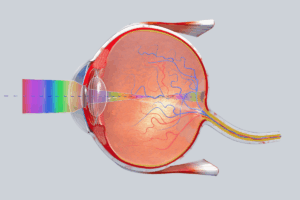
Anatomy
Pathophysiology
Drusen Formation: Drusen are small deposits of cellular waste products and lipids that accumulate between the RPE layer and Bruch’s membrane, a thin, elastic layer beneath the retina. These drusen can trigger an inflammatory response and impair nutrient exchange between the choroid (a vascular layer supplying the outer retina) and the RPE.
RPE Dysfunction: The retinal pigment epithelium (RPE) is essential for preserving the well-being and operation of photoreceptor cells. When the RPE malfunctions, it has the potential to impede both the process of phagocytosis involving photoreceptor outer segments and the regeneration of visual pigments. Consequently, this malfunction can result in the buildup of harmful substances like lipofuscin and A2E within RPE cells.
Oxidative Stress: The accumulation of lipofuscin and A2E in RPE cells can result in increased oxidative stress and damage to cellular components, including DNA, proteins, and lipids. This oxidative stress can further exacerbate RPE dysfunction.
Inflammatory Response: Chronic inflammation is a common feature of GA. In response to drusen and RPE cell damage, immune cells, such as microglia and macrophages, may become activated and release pro-inflammatory molecules. This inflammatory cascade can contribute to further tissue damage.
Photoreceptor Death: As the RPE cells die off and lose their ability to support photoreceptors, photoreceptor cells also degenerate and die. This process leads to a gradual loss of central vision, which is critical for activities like reading and recognizing faces.
Etiology
Genetic Predisposition: Certain genetic variations, particularly in genes associated with the complement system, have been linked to an enhanced risk GA.
Aging: The primary risk factor for AMD and GA is advancing age. As individuals get older, their risk of developing these conditions increases. This suggests that cumulative damage and changes in the eye over time may contribute to the development of GA.
Inflammation: Chronic inflammation in the retina is a crucial factor in the development and progression of geographic atrophy. Inflammation can damage the retinal pigment epithelium (RPE) and the photoreceptor cells in the macula.
Environmental Factors: Environmental factors like smoking, prolonged exposure to ultraviolet (UV) radiation, and unhealthy dietary choices can elevate the likelihood of AMD and GA development. Smoking is a well-established risk factor for AMD.
Drusen Formation: Drusen are small deposits that accumulate between the RPE and the underlying Bruch’s membrane in the retina. The occurrence of substantial or numerous drusen is linked to an enhanced susceptibility to AMD and GA.
Photoreceptor Death: As the RPE cells die off and lose their ability to support photoreceptors, photoreceptor cells also degenerate and die. This process leads to a gradual loss of central vision, which is critical for activities like reading and recognizing faces.
Genetics
Prognostic Factors
Genetic Factors: Genetic elements are implicated in the emergence and advancement of AMD and GA. Particular genetic mutations have contributed to heightened susceptibility to GA.
Age: As with AMD in general, age is a significant factor. GA is more common in older individuals, and the risk of progression increases with age.
Clinical History
Physical Examination
Visual Acuity Assessment:
Begin the examination by assessing the patient’s best-corrected visual acuity using a Snellen chart or other appropriate visual acuity charts. Patients with GA will often have reduced central vision.
Fundus Examination:
Dilate the patient’s pupils using mydriatic eye drops to obtain a clear view of the fundus.
Perform a detailed examination of the retina, particularly the macula. The key findings to look for include the presence of well-defined areas of atrophy.
Optical Coherence Tomography (OCT):
OCT is a crucial imaging modality for evaluating the extent and characteristics of GA.
OCT can reveal thinning of the retinal layers, loss of the outer retinal layers, and disruptions in the ellipsoid zone, which is a marker of photoreceptor health.
OCT can help differentiate GA from other retinal diseases and provide a quantitative assessment of the extent of atrophy.
Fundus Autofluorescence (FAF):
FAF imaging is valuable for assessing GA. It can highlight areas of abnormal RPE function and atrophy by showing areas of hypo autofluorescence (dark areas) corresponding to the atrophic lesions.
Age group
Associated comorbidity
Age-Related Macular Degeneration (AMD): GA is a subtype of AMD. It often occurs in individuals who have already been diagnosed with AMD, specifically the “dry” or atrophic form of AMD.
Genetics: There is a genetic component to AMD and GA. Individuals who have a familial background of AMD face an increased susceptibility to the development of both AMD and GA.
Smoking: Smoking is a widely recognized contributor to the onset and advancement of AMD, which encompasses conditions such as GA.
Hypertension (High Blood Pressure): High blood pressure is another potential risk factor for AMD, and it may be associated with a higher risk of GA.
Obesity: Obesity and an elevated body mass index have been linked to an increased risk of developing AMD, including geographic atrophy.
Sunlight Exposure: Prolonged exposure to UV rays from sunlight is another potential risk factor. Wearing sunglasses and protecting the eyes from UV radiation may help reduce the risk of GA.
Comorbidities: Some systemic conditions, like cardiovascular disorders and diabetes, have been linked to a heightened susceptibility to AMD, potentially encompassing the development of GA.
Medications: Some medications, such as certain anticoagulants and corticosteroids, have been investigated for potential associations with AMD and GA.
Associated activity
Acuity of presentation
Symptoms: GA may be asymptomatic in the early stages, with no noticeable vision problems. As the condition advances, individuals might encounter central vision blurriness or distortion, challenges with reading, and a decline in their ability to perceive colours.
Visual Acuity: Visual acuity is a key measure of the acuity of GA presentation. It is typically assessed using an eye chart with progressively smaller letters or other visual tests. In GA, visual acuity often declines gradually over time.
Size and Shape of Atrophic Lesions: The acuity of GA presentation can vary depending on the size and shape of the atrophic lesions. Some individuals may have small, well-defined patches of atrophy, while others may have larger, irregularly shaped areas of degeneration.
Differential Diagnoses
Dry Age-Related Macular Degeneration (AMD): Geographic atrophy is a subtype of dry AMD. AMD is present with drusen, pigmentary changes, and, in advanced cases, geographic atrophy. To diagnose GA, it’s essential to differentiate it from other stages of AMD.
Choroidal Neovascularization (CNV): CNV is a complication of AMD, and it can present with symptoms like geographic atrophy, such as central vision loss. Fluorescein angiography and OCT can be helpful in identifying the presence of abnormal blood vessel growth.
Retinitis Pigmentosa (RP): In some advanced cases of RP, there can be significant retinal atrophy, which may appear like geographic atrophy. A detailed patient history and electroretinography (ERG) can help differentiate RP from GA.
Laboratory Studies
Imaging Studies
Procedures
Histologic Findings
Staging
Treatment Paradigm
Lifestyle Modifications:
Smoking Cessation: Smoking is an established risk factor for the development of GA. Quitting smoking can help slow disease progression.
Diet and Nutrition: Consuming a diet rich in antioxidants, vitamins (especially vitamin C, E, and zinc), and omega-3 fatty acids may be beneficial. Some studies suggest that a diet high in leafy greens, fish, and nuts may help reduce the risk of AMD progression.
Nutritional Supplements:
Some studies have shown that specific nutritional supplements, like (AREDS2) formula, can help slow the progression of GA. These supplements typically contain antioxidants, vitamins, and minerals.
Low Vision Rehabilitation:
Low vision specialists can help individuals with GA maximize their remaining vision using low vision aids, including magnifiers, electronic devices, and adaptive strategies.
Anti-VEGF Therapy (Research Stage):
Some clinical trials have investigated the use of anti-VEGF drugs to potentially slow the progression of GA, but results have been mixed.
Investigational Therapies:
Various experimental therapies and clinical trials are ongoing to explore potential treatments for GA. These include drugs targeting different pathways involved in AMD, such as complement inhibitors and visual cycle modulators.
Patient Monitoring:
Regular eye examinations and monitoring of the progression of GA are essential for early detection of any treatable complications and to adjust treatment strategies as needed.
by Stage
by Modality
Chemotherapy
Radiation Therapy
Surgical Interventions
Hormone Therapy
Immunotherapy
Hyperthermia
Photodynamic Therapy
Stem Cell Transplant
Targeted Therapy
Palliative Care
lifestyle-modifications-in-treating-geographic-atrophy
Dietary Changes: Some studies suggest that a diet rich in antioxidants, omega-3 fatty acids, and certain vitamins and minerals (e.g., vitamins C and E, zinc, and lutein) may be beneficial for AMD patients.
Smoking Cessation: Smoking has been established as a recognized risk factor for GA and can potentially hasten its advancement. Ceasing smoking can play a significant role in mitigating this risk.
UV Protection: Safeguard your vision from the dangers of UV rays by wearing sunglasses equipped with full UV shielding and broad-brimmed hats whenever you’re outside.
Low Vision Aids: Consider using low vision aids such as magnifiers, specialized reading glasses, or screen magnification software to help with daily tasks like reading and using electronic devices.
Regular Eye Exams: Continue to see your eye specialist regularly for monitoring and potential interventions.
Identifying potential issues at an early stage and promptly addressing them can significantly enhance the management of the situation.
Vision Rehabilitation: Vision rehabilitation services can teach you strategies and techniques to maximize your remaining vision and maintain your independence in daily life.
Stress Management: Stress has the potential to worsen eye conditions. The mitigation of this effect can be achieved through the utilization of stress management techniques like meditation, yoga, or deep breathing exercises.
Stay Active: Engaging in regular physical exercise has the potential to enhance one’s general well-being, consult with your healthcare provider about suitable exercise options.
Medication and Clinical Trials: Some medications and clinical trials are exploring potential treatments for AMD and GA. Consult your healthcare professional to explore these choices and ascertain your eligibility for participation.
Support Groups: Joining a support group for individuals with AMD or GA can provide emotional support, information, and tips on coping with the condition.
Low Vision Rehabilitation Services: Consider enrolling in low vision rehabilitation programs or seeking.
Effectiveness of Miscellaneous <a class="wpil_keyword_link" href="https://medtigo.com/drug/purified-water-ophthalmic" title="ophthalmic" data-wpil-keyword-link="linked">ophthalmic</a> agents in treating geographic atrophy
pegcetacoplan (Intraocular)
pegcetacoplan injection is employed for the management of geographic atrophy arising from age-related macular degeneration (AMD). AMD is a condition affecting the eye’s retina, resulting in impaired vision or even total loss of vision. The mechanism of action of pegcetacoplan involves modulating the ocular blood flow.
syfovre
Syfovre (pegcetacoplan) injection serves as an effective remedy for geographic atrophy, the advanced dry variant of age-related macular degeneration (AMD). Functioning as a complement inhibitor, syfovre effectively retards the progression of GA lesions, thereby aiding in the preservation of vision by mitigating substantial vision impairment and the onset of blindness.
Notably, syfovre stands as the pioneering and sole FDA-approved solution designed for addressing geographic atrophy arising as a secondary complication of age-related macular degeneration.
Effectiveness of EENT Drugs, Miscellaneous in treating geographic atrophy
avacincaptad Pegol (Izervay)
avacincaptad pegol sodium is a compound consisting of a ribonucleic acid (RNA) aptamer chemically bonded to a polyethylene glycol (PEG) compound. This medication serves as a suppressor of complement C5 activity.
avacincaptad pegol in its intravitreal formulation is prescribed for the management of geographic atrophy that occurs because of age-related macular degeneration (AMD).
Retinal Implants: Retinal implants or prosthetic devices were being explored to restore some vision in people with advanced GA. These devices are implanted into the eye and can help bypass damaged retinal cells to stimulate remaining healthy cells.
Diagnosis and Assessment:
A thorough eye examination and imaging tests, such as fundus autofluorescence (FAF) and optical coherence tomography (OCT), are performed to confirm the diagnosis and assess the extent of GA.
The size and location of the atrophic areas are determined to help plan treatment and monitor disease progression.
Lifestyle Modifications:
Encourage lifestyle changes to reduce risk factors for AMD, such as smoking cessation and promoting a well-balanced dietary regimen abundant in antioxidants, vitamins, and minerals.
Provide advice on UV protection and wearing sunglasses to reduce sun exposure.
Nutritional Supplements:
Several studies indicate that specific dietary supplements, including high-dose antioxidant vitamins and minerals, have been studied in relation to their potential benefits. (e.g., the AREDS 2 formula), may help slow the progression of GA and reduce the risk of vision loss. These supplements should be discussed with an eye care professional.
Low Vision Rehabilitation:
Refer patients to low vision rehabilitation specialists who can help them make the most of their remaining vision. This may include training in using low vision aids and devices, such as magnifiers, to assist with daily activities.
Monitoring and Follow-up:
Regular monitoring is crucial to track disease progression and adjust the management plan accordingly.
Frequent eye examinations and imaging tests help assess changes in the atrophic areas and evaluate the effectiveness of treatment interventions.
Clinical Trials and Emerging Therapies:
Patients might be motivated to engage in clinical trials aimed at exploring potential therapies for GA.
Research is ongoing, and new treatments are being developed to target the underlying mechanisms of GA.
Symptomatic Management:
Address specific symptoms and concerns, such as dry eyes, by recommending lubricating eye drops or other symptom-relief measures.
Provide emotional support and counselling to help patients cope with vision loss and its impact on daily life.
Patient Education:
Educate patients about the nature of GA, its prognosis, and the importance of adhering to their treatment plan and follow-up appointments.
Encourage patients to seek prompt medical attention if they notice any changes in their vision.
Medication
Administer a dose of 15 mg (equivalent to 0.1 mL of a 150 mg/mL solution) via intravitreal injection to every affected eye one time each for 25-60 days
avacincaptad pegol intravitreal
Indicated for Geographic Atrophy
Pending FDA approval for the treatment of GA (geographic atrophy) secondary to AMD (age-related macular degeneration)
Future Trends
Geographic atrophy represents a complex and elusive condition that profoundly impacts the lives of those affected. This condition is marked by the gradual and subtle deterioration of the retinal pigment epithelium and photoreceptor cells, resulting in a gradual decline in central vision.
GA is a form AMD, a group of eye diseases characterized by macula degeneration, which is essential for tasks such as reading, driving, recognizing faces, and other fine-detail activities.
Prevalence:
The worldwide occurrence of geographic atrophy exceeds 5 million instances, with the United States accounting for almost 1 million cases by itself.
Risk Factors:
Age: The primary risk factor for GA is advancing age. The prevalence of GA increases substantially in individuals over the age of 75.
Genetics: A substantial risk factor for developing age-related macular degeneration (AMD) is having a family history of the condition. Specific genetic variations, notably those found within the complement factor H (CFH) and ARMS2 genes, have been linked to a heightened susceptibility to geographic atrophy (GA).
Diet: A diet abundant in antioxidants and omega-3 fatty acids may lower the likelihood of developing AMD, including the condition known as GA.
Sunlight Exposure: Prolonged exposure to ultraviolet (UV) light may contribute to the development and progression of GA.
Drusen Formation: Drusen are small deposits of cellular waste products and lipids that accumulate between the RPE layer and Bruch’s membrane, a thin, elastic layer beneath the retina. These drusen can trigger an inflammatory response and impair nutrient exchange between the choroid (a vascular layer supplying the outer retina) and the RPE.
RPE Dysfunction: The retinal pigment epithelium (RPE) is essential for preserving the well-being and operation of photoreceptor cells. When the RPE malfunctions, it has the potential to impede both the process of phagocytosis involving photoreceptor outer segments and the regeneration of visual pigments. Consequently, this malfunction can result in the buildup of harmful substances like lipofuscin and A2E within RPE cells.
Oxidative Stress: The accumulation of lipofuscin and A2E in RPE cells can result in increased oxidative stress and damage to cellular components, including DNA, proteins, and lipids. This oxidative stress can further exacerbate RPE dysfunction.
Inflammatory Response: Chronic inflammation is a common feature of GA. In response to drusen and RPE cell damage, immune cells, such as microglia and macrophages, may become activated and release pro-inflammatory molecules. This inflammatory cascade can contribute to further tissue damage.
Photoreceptor Death: As the RPE cells die off and lose their ability to support photoreceptors, photoreceptor cells also degenerate and die. This process leads to a gradual loss of central vision, which is critical for activities like reading and recognizing faces.
Genetic Predisposition: Certain genetic variations, particularly in genes associated with the complement system, have been linked to an enhanced risk GA.
Aging: The primary risk factor for AMD and GA is advancing age. As individuals get older, their risk of developing these conditions increases. This suggests that cumulative damage and changes in the eye over time may contribute to the development of GA.
Inflammation: Chronic inflammation in the retina is a crucial factor in the development and progression of geographic atrophy. Inflammation can damage the retinal pigment epithelium (RPE) and the photoreceptor cells in the macula.
Environmental Factors: Environmental factors like smoking, prolonged exposure to ultraviolet (UV) radiation, and unhealthy dietary choices can elevate the likelihood of AMD and GA development. Smoking is a well-established risk factor for AMD.
Drusen Formation: Drusen are small deposits that accumulate between the RPE and the underlying Bruch’s membrane in the retina. The occurrence of substantial or numerous drusen is linked to an enhanced susceptibility to AMD and GA.
Photoreceptor Death: As the RPE cells die off and lose their ability to support photoreceptors, photoreceptor cells also degenerate and die. This process leads to a gradual loss of central vision, which is critical for activities like reading and recognizing faces.
Genetic Factors: Genetic elements are implicated in the emergence and advancement of AMD and GA. Particular genetic mutations have contributed to heightened susceptibility to GA.
Age: As with AMD in general, age is a significant factor. GA is more common in older individuals, and the risk of progression increases with age.
Visual Acuity Assessment:
Begin the examination by assessing the patient’s best-corrected visual acuity using a Snellen chart or other appropriate visual acuity charts. Patients with GA will often have reduced central vision.
Fundus Examination:
Dilate the patient’s pupils using mydriatic eye drops to obtain a clear view of the fundus.
Perform a detailed examination of the retina, particularly the macula. The key findings to look for include the presence of well-defined areas of atrophy.
Optical Coherence Tomography (OCT):
OCT is a crucial imaging modality for evaluating the extent and characteristics of GA.
OCT can reveal thinning of the retinal layers, loss of the outer retinal layers, and disruptions in the ellipsoid zone, which is a marker of photoreceptor health.
OCT can help differentiate GA from other retinal diseases and provide a quantitative assessment of the extent of atrophy.
Fundus Autofluorescence (FAF):
FAF imaging is valuable for assessing GA. It can highlight areas of abnormal RPE function and atrophy by showing areas of hypo autofluorescence (dark areas) corresponding to the atrophic lesions.
Age-Related Macular Degeneration (AMD): GA is a subtype of AMD. It often occurs in individuals who have already been diagnosed with AMD, specifically the “dry” or atrophic form of AMD.
Genetics: There is a genetic component to AMD and GA. Individuals who have a familial background of AMD face an increased susceptibility to the development of both AMD and GA.
Smoking: Smoking is a widely recognized contributor to the onset and advancement of AMD, which encompasses conditions such as GA.
Hypertension (High Blood Pressure): High blood pressure is another potential risk factor for AMD, and it may be associated with a higher risk of GA.
Obesity: Obesity and an elevated body mass index have been linked to an increased risk of developing AMD, including geographic atrophy.
Sunlight Exposure: Prolonged exposure to UV rays from sunlight is another potential risk factor. Wearing sunglasses and protecting the eyes from UV radiation may help reduce the risk of GA.
Comorbidities: Some systemic conditions, like cardiovascular disorders and diabetes, have been linked to a heightened susceptibility to AMD, potentially encompassing the development of GA.
Medications: Some medications, such as certain anticoagulants and corticosteroids, have been investigated for potential associations with AMD and GA.
Symptoms: GA may be asymptomatic in the early stages, with no noticeable vision problems. As the condition advances, individuals might encounter central vision blurriness or distortion, challenges with reading, and a decline in their ability to perceive colours.
Visual Acuity: Visual acuity is a key measure of the acuity of GA presentation. It is typically assessed using an eye chart with progressively smaller letters or other visual tests. In GA, visual acuity often declines gradually over time.
Size and Shape of Atrophic Lesions: The acuity of GA presentation can vary depending on the size and shape of the atrophic lesions. Some individuals may have small, well-defined patches of atrophy, while others may have larger, irregularly shaped areas of degeneration.
Dry Age-Related Macular Degeneration (AMD): Geographic atrophy is a subtype of dry AMD. AMD is present with drusen, pigmentary changes, and, in advanced cases, geographic atrophy. To diagnose GA, it’s essential to differentiate it from other stages of AMD.
Choroidal Neovascularization (CNV): CNV is a complication of AMD, and it can present with symptoms like geographic atrophy, such as central vision loss. Fluorescein angiography and OCT can be helpful in identifying the presence of abnormal blood vessel growth.
Retinitis Pigmentosa (RP): In some advanced cases of RP, there can be significant retinal atrophy, which may appear like geographic atrophy. A detailed patient history and electroretinography (ERG) can help differentiate RP from GA.
Lifestyle Modifications:
Smoking Cessation: Smoking is an established risk factor for the development of GA. Quitting smoking can help slow disease progression.
Diet and Nutrition: Consuming a diet rich in antioxidants, vitamins (especially vitamin C, E, and zinc), and omega-3 fatty acids may be beneficial. Some studies suggest that a diet high in leafy greens, fish, and nuts may help reduce the risk of AMD progression.
Nutritional Supplements:
Some studies have shown that specific nutritional supplements, like (AREDS2) formula, can help slow the progression of GA. These supplements typically contain antioxidants, vitamins, and minerals.
Low Vision Rehabilitation:
Low vision specialists can help individuals with GA maximize their remaining vision using low vision aids, including magnifiers, electronic devices, and adaptive strategies.
Anti-VEGF Therapy (Research Stage):
Some clinical trials have investigated the use of anti-VEGF drugs to potentially slow the progression of GA, but results have been mixed.
Investigational Therapies:
Various experimental therapies and clinical trials are ongoing to explore potential treatments for GA. These include drugs targeting different pathways involved in AMD, such as complement inhibitors and visual cycle modulators.
Patient Monitoring:
Regular eye examinations and monitoring of the progression of GA are essential for early detection of any treatable complications and to adjust treatment strategies as needed.
Dietary Changes: Some studies suggest that a diet rich in antioxidants, omega-3 fatty acids, and certain vitamins and minerals (e.g., vitamins C and E, zinc, and lutein) may be beneficial for AMD patients.
Smoking Cessation: Smoking has been established as a recognized risk factor for GA and can potentially hasten its advancement. Ceasing smoking can play a significant role in mitigating this risk.
UV Protection: Safeguard your vision from the dangers of UV rays by wearing sunglasses equipped with full UV shielding and broad-brimmed hats whenever you’re outside.
Low Vision Aids: Consider using low vision aids such as magnifiers, specialized reading glasses, or screen magnification software to help with daily tasks like reading and using electronic devices.
Regular Eye Exams: Continue to see your eye specialist regularly for monitoring and potential interventions.
Identifying potential issues at an early stage and promptly addressing them can significantly enhance the management of the situation.
Vision Rehabilitation: Vision rehabilitation services can teach you strategies and techniques to maximize your remaining vision and maintain your independence in daily life.
Stress Management: Stress has the potential to worsen eye conditions. The mitigation of this effect can be achieved through the utilization of stress management techniques like meditation, yoga, or deep breathing exercises.
Stay Active: Engaging in regular physical exercise has the potential to enhance one’s general well-being, consult with your healthcare provider about suitable exercise options.
Medication and Clinical Trials: Some medications and clinical trials are exploring potential treatments for AMD and GA. Consult your healthcare professional to explore these choices and ascertain your eligibility for participation.
Support Groups: Joining a support group for individuals with AMD or GA can provide emotional support, information, and tips on coping with the condition.
Low Vision Rehabilitation Services: Consider enrolling in low vision rehabilitation programs or seeking.
pegcetacoplan (Intraocular)
pegcetacoplan injection is employed for the management of geographic atrophy arising from age-related macular degeneration (AMD). AMD is a condition affecting the eye’s retina, resulting in impaired vision or even total loss of vision. The mechanism of action of pegcetacoplan involves modulating the ocular blood flow.
syfovre
Syfovre (pegcetacoplan) injection serves as an effective remedy for geographic atrophy, the advanced dry variant of age-related macular degeneration (AMD). Functioning as a complement inhibitor, syfovre effectively retards the progression of GA lesions, thereby aiding in the preservation of vision by mitigating substantial vision impairment and the onset of blindness.
Notably, syfovre stands as the pioneering and sole FDA-approved solution designed for addressing geographic atrophy arising as a secondary complication of age-related macular degeneration.
avacincaptad Pegol (Izervay)
avacincaptad pegol sodium is a compound consisting of a ribonucleic acid (RNA) aptamer chemically bonded to a polyethylene glycol (PEG) compound. This medication serves as a suppressor of complement C5 activity.
avacincaptad pegol in its intravitreal formulation is prescribed for the management of geographic atrophy that occurs because of age-related macular degeneration (AMD).

Geographic atrophy represents a complex and elusive condition that profoundly impacts the lives of those affected. This condition is marked by the gradual and subtle deterioration of the retinal pigment epithelium and photoreceptor cells, resulting in a gradual decline in central vision.
GA is a form AMD, a group of eye diseases characterized by macula degeneration, which is essential for tasks such as reading, driving, recognizing faces, and other fine-detail activities.
Prevalence:
The worldwide occurrence of geographic atrophy exceeds 5 million instances, with the United States accounting for almost 1 million cases by itself.
Risk Factors:
Age: The primary risk factor for GA is advancing age. The prevalence of GA increases substantially in individuals over the age of 75.
Genetics: A substantial risk factor for developing age-related macular degeneration (AMD) is having a family history of the condition. Specific genetic variations, notably those found within the complement factor H (CFH) and ARMS2 genes, have been linked to a heightened susceptibility to geographic atrophy (GA).
Diet: A diet abundant in antioxidants and omega-3 fatty acids may lower the likelihood of developing AMD, including the condition known as GA.
Sunlight Exposure: Prolonged exposure to ultraviolet (UV) light may contribute to the development and progression of GA.
Drusen Formation: Drusen are small deposits of cellular waste products and lipids that accumulate between the RPE layer and Bruch’s membrane, a thin, elastic layer beneath the retina. These drusen can trigger an inflammatory response and impair nutrient exchange between the choroid (a vascular layer supplying the outer retina) and the RPE.
RPE Dysfunction: The retinal pigment epithelium (RPE) is essential for preserving the well-being and operation of photoreceptor cells. When the RPE malfunctions, it has the potential to impede both the process of phagocytosis involving photoreceptor outer segments and the regeneration of visual pigments. Consequently, this malfunction can result in the buildup of harmful substances like lipofuscin and A2E within RPE cells.
Oxidative Stress: The accumulation of lipofuscin and A2E in RPE cells can result in increased oxidative stress and damage to cellular components, including DNA, proteins, and lipids. This oxidative stress can further exacerbate RPE dysfunction.
Inflammatory Response: Chronic inflammation is a common feature of GA. In response to drusen and RPE cell damage, immune cells, such as microglia and macrophages, may become activated and release pro-inflammatory molecules. This inflammatory cascade can contribute to further tissue damage.
Photoreceptor Death: As the RPE cells die off and lose their ability to support photoreceptors, photoreceptor cells also degenerate and die. This process leads to a gradual loss of central vision, which is critical for activities like reading and recognizing faces.
Genetic Predisposition: Certain genetic variations, particularly in genes associated with the complement system, have been linked to an enhanced risk GA.
Aging: The primary risk factor for AMD and GA is advancing age. As individuals get older, their risk of developing these conditions increases. This suggests that cumulative damage and changes in the eye over time may contribute to the development of GA.
Inflammation: Chronic inflammation in the retina is a crucial factor in the development and progression of geographic atrophy. Inflammation can damage the retinal pigment epithelium (RPE) and the photoreceptor cells in the macula.
Environmental Factors: Environmental factors like smoking, prolonged exposure to ultraviolet (UV) radiation, and unhealthy dietary choices can elevate the likelihood of AMD and GA development. Smoking is a well-established risk factor for AMD.
Drusen Formation: Drusen are small deposits that accumulate between the RPE and the underlying Bruch’s membrane in the retina. The occurrence of substantial or numerous drusen is linked to an enhanced susceptibility to AMD and GA.
Photoreceptor Death: As the RPE cells die off and lose their ability to support photoreceptors, photoreceptor cells also degenerate and die. This process leads to a gradual loss of central vision, which is critical for activities like reading and recognizing faces.
Genetic Factors: Genetic elements are implicated in the emergence and advancement of AMD and GA. Particular genetic mutations have contributed to heightened susceptibility to GA.
Age: As with AMD in general, age is a significant factor. GA is more common in older individuals, and the risk of progression increases with age.
Visual Acuity Assessment:
Begin the examination by assessing the patient’s best-corrected visual acuity using a Snellen chart or other appropriate visual acuity charts. Patients with GA will often have reduced central vision.
Fundus Examination:
Dilate the patient’s pupils using mydriatic eye drops to obtain a clear view of the fundus.
Perform a detailed examination of the retina, particularly the macula. The key findings to look for include the presence of well-defined areas of atrophy.
Optical Coherence Tomography (OCT):
OCT is a crucial imaging modality for evaluating the extent and characteristics of GA.
OCT can reveal thinning of the retinal layers, loss of the outer retinal layers, and disruptions in the ellipsoid zone, which is a marker of photoreceptor health.
OCT can help differentiate GA from other retinal diseases and provide a quantitative assessment of the extent of atrophy.
Fundus Autofluorescence (FAF):
FAF imaging is valuable for assessing GA. It can highlight areas of abnormal RPE function and atrophy by showing areas of hypo autofluorescence (dark areas) corresponding to the atrophic lesions.
Age-Related Macular Degeneration (AMD): GA is a subtype of AMD. It often occurs in individuals who have already been diagnosed with AMD, specifically the “dry” or atrophic form of AMD.
Genetics: There is a genetic component to AMD and GA. Individuals who have a familial background of AMD face an increased susceptibility to the development of both AMD and GA.
Smoking: Smoking is a widely recognized contributor to the onset and advancement of AMD, which encompasses conditions such as GA.
Hypertension (High Blood Pressure): High blood pressure is another potential risk factor for AMD, and it may be associated with a higher risk of GA.
Obesity: Obesity and an elevated body mass index have been linked to an increased risk of developing AMD, including geographic atrophy.
Sunlight Exposure: Prolonged exposure to UV rays from sunlight is another potential risk factor. Wearing sunglasses and protecting the eyes from UV radiation may help reduce the risk of GA.
Comorbidities: Some systemic conditions, like cardiovascular disorders and diabetes, have been linked to a heightened susceptibility to AMD, potentially encompassing the development of GA.
Medications: Some medications, such as certain anticoagulants and corticosteroids, have been investigated for potential associations with AMD and GA.
Symptoms: GA may be asymptomatic in the early stages, with no noticeable vision problems. As the condition advances, individuals might encounter central vision blurriness or distortion, challenges with reading, and a decline in their ability to perceive colours.
Visual Acuity: Visual acuity is a key measure of the acuity of GA presentation. It is typically assessed using an eye chart with progressively smaller letters or other visual tests. In GA, visual acuity often declines gradually over time.
Size and Shape of Atrophic Lesions: The acuity of GA presentation can vary depending on the size and shape of the atrophic lesions. Some individuals may have small, well-defined patches of atrophy, while others may have larger, irregularly shaped areas of degeneration.
Dry Age-Related Macular Degeneration (AMD): Geographic atrophy is a subtype of dry AMD. AMD is present with drusen, pigmentary changes, and, in advanced cases, geographic atrophy. To diagnose GA, it’s essential to differentiate it from other stages of AMD.
Choroidal Neovascularization (CNV): CNV is a complication of AMD, and it can present with symptoms like geographic atrophy, such as central vision loss. Fluorescein angiography and OCT can be helpful in identifying the presence of abnormal blood vessel growth.
Retinitis Pigmentosa (RP): In some advanced cases of RP, there can be significant retinal atrophy, which may appear like geographic atrophy. A detailed patient history and electroretinography (ERG) can help differentiate RP from GA.
Lifestyle Modifications:
Smoking Cessation: Smoking is an established risk factor for the development of GA. Quitting smoking can help slow disease progression.
Diet and Nutrition: Consuming a diet rich in antioxidants, vitamins (especially vitamin C, E, and zinc), and omega-3 fatty acids may be beneficial. Some studies suggest that a diet high in leafy greens, fish, and nuts may help reduce the risk of AMD progression.
Nutritional Supplements:
Some studies have shown that specific nutritional supplements, like (AREDS2) formula, can help slow the progression of GA. These supplements typically contain antioxidants, vitamins, and minerals.
Low Vision Rehabilitation:
Low vision specialists can help individuals with GA maximize their remaining vision using low vision aids, including magnifiers, electronic devices, and adaptive strategies.
Anti-VEGF Therapy (Research Stage):
Some clinical trials have investigated the use of anti-VEGF drugs to potentially slow the progression of GA, but results have been mixed.
Investigational Therapies:
Various experimental therapies and clinical trials are ongoing to explore potential treatments for GA. These include drugs targeting different pathways involved in AMD, such as complement inhibitors and visual cycle modulators.
Patient Monitoring:
Regular eye examinations and monitoring of the progression of GA are essential for early detection of any treatable complications and to adjust treatment strategies as needed.
Dietary Changes: Some studies suggest that a diet rich in antioxidants, omega-3 fatty acids, and certain vitamins and minerals (e.g., vitamins C and E, zinc, and lutein) may be beneficial for AMD patients.
Smoking Cessation: Smoking has been established as a recognized risk factor for GA and can potentially hasten its advancement. Ceasing smoking can play a significant role in mitigating this risk.
UV Protection: Safeguard your vision from the dangers of UV rays by wearing sunglasses equipped with full UV shielding and broad-brimmed hats whenever you’re outside.
Low Vision Aids: Consider using low vision aids such as magnifiers, specialized reading glasses, or screen magnification software to help with daily tasks like reading and using electronic devices.
Regular Eye Exams: Continue to see your eye specialist regularly for monitoring and potential interventions.
Identifying potential issues at an early stage and promptly addressing them can significantly enhance the management of the situation.
Vision Rehabilitation: Vision rehabilitation services can teach you strategies and techniques to maximize your remaining vision and maintain your independence in daily life.
Stress Management: Stress has the potential to worsen eye conditions. The mitigation of this effect can be achieved through the utilization of stress management techniques like meditation, yoga, or deep breathing exercises.
Stay Active: Engaging in regular physical exercise has the potential to enhance one’s general well-being, consult with your healthcare provider about suitable exercise options.
Medication and Clinical Trials: Some medications and clinical trials are exploring potential treatments for AMD and GA. Consult your healthcare professional to explore these choices and ascertain your eligibility for participation.
Support Groups: Joining a support group for individuals with AMD or GA can provide emotional support, information, and tips on coping with the condition.
Low Vision Rehabilitation Services: Consider enrolling in low vision rehabilitation programs or seeking.
pegcetacoplan (Intraocular)
pegcetacoplan injection is employed for the management of geographic atrophy arising from age-related macular degeneration (AMD). AMD is a condition affecting the eye’s retina, resulting in impaired vision or even total loss of vision. The mechanism of action of pegcetacoplan involves modulating the ocular blood flow.
syfovre
Syfovre (pegcetacoplan) injection serves as an effective remedy for geographic atrophy, the advanced dry variant of age-related macular degeneration (AMD). Functioning as a complement inhibitor, syfovre effectively retards the progression of GA lesions, thereby aiding in the preservation of vision by mitigating substantial vision impairment and the onset of blindness.
Notably, syfovre stands as the pioneering and sole FDA-approved solution designed for addressing geographic atrophy arising as a secondary complication of age-related macular degeneration.
avacincaptad Pegol (Izervay)
avacincaptad pegol sodium is a compound consisting of a ribonucleic acid (RNA) aptamer chemically bonded to a polyethylene glycol (PEG) compound. This medication serves as a suppressor of complement C5 activity.
avacincaptad pegol in its intravitreal formulation is prescribed for the management of geographic atrophy that occurs because of age-related macular degeneration (AMD).
Retinal Implants: Retinal implants or prosthetic devices were being explored to restore some vision in people with advanced GA. These devices are implanted into the eye and can help bypass damaged retinal cells to stimulate remaining healthy cells.
Diagnosis and Assessment:
A thorough eye examination and imaging tests, such as fundus autofluorescence (FAF) and optical coherence tomography (OCT), are performed to confirm the diagnosis and assess the extent of GA.
The size and location of the atrophic areas are determined to help plan treatment and monitor disease progression.
Lifestyle Modifications:
Encourage lifestyle changes to reduce risk factors for AMD, such as smoking cessation and promoting a well-balanced dietary regimen abundant in antioxidants, vitamins, and minerals.
Provide advice on UV protection and wearing sunglasses to reduce sun exposure.
Nutritional Supplements:
Several studies indicate that specific dietary supplements, including high-dose antioxidant vitamins and minerals, have been studied in relation to their potential benefits. (e.g., the AREDS 2 formula), may help slow the progression of GA and reduce the risk of vision loss. These supplements should be discussed with an eye care professional.
Low Vision Rehabilitation:
Refer patients to low vision rehabilitation specialists who can help them make the most of their remaining vision. This may include training in using low vision aids and devices, such as magnifiers, to assist with daily activities.
Monitoring and Follow-up:
Regular monitoring is crucial to track disease progression and adjust the management plan accordingly.
Frequent eye examinations and imaging tests help assess changes in the atrophic areas and evaluate the effectiveness of treatment interventions.
Clinical Trials and Emerging Therapies:
Patients might be motivated to engage in clinical trials aimed at exploring potential therapies for GA.
Research is ongoing, and new treatments are being developed to target the underlying mechanisms of GA.
Symptomatic Management:
Address specific symptoms and concerns, such as dry eyes, by recommending lubricating eye drops or other symptom-relief measures.
Provide emotional support and counselling to help patients cope with vision loss and its impact on daily life.
Patient Education:
Educate patients about the nature of GA, its prognosis, and the importance of adhering to their treatment plan and follow-up appointments.
Encourage patients to seek prompt medical attention if they notice any changes in their vision.

Both our subscription plans include Free CME/CPD AMA PRA Category 1 credits.

On course completion, you will receive a full-sized presentation quality digital certificate.
A dynamic medical simulation platform designed to train healthcare professionals and students to effectively run code situations through an immersive hands-on experience in a live, interactive 3D environment.

When you have your licenses, certificates and CMEs in one place, it's easier to track your career growth. You can easily share these with hospitals as well, using your medtigo app.