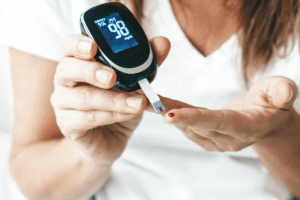
Glucose intolerance is a condition in which the body cannot control the blood sugar levels and this led to the high level of blood glucose concentration. This condition is linked to diabetes and other factors. Pancreas produces insulin. It plays an important role in regulating the blood glucose levels. Individuals with glucose intolerance ae not produce enough amount of the insulin or cells do not respond to the insulin sensitivity. This caused the increased level of blood sugar.
Epidemiology
Diabetes increases worldwide. The reasons behind are like people are getting older, moderate lifestyles and obesity. In the Middle East, North America and Asia, glucose intolerance is linked to type 2 diabetes.
Urban development and lifestyle changes increase the risk. Some studies ae gender specific but male and female both affect by this disease. Ethnic groups like African, Hispanic, Native American and Asian have high rate of glucose intolerance and diabetes.
Anatomy
Pathophysiology
People with glucose intolerance decreases the beta cell activity. This may occur when pancreatic beta cells are not produces insulin to control the high level of blood glucose. This can lead to insulin resistance in peripheral tissue like muscle and adipose tissue. This prevents the glucose uptake and increases the blood sugar level. Adipose tissue releases the free fatty acids in the abdominal region. This also causes glucose intolerance. Chronic low-grade inflammation, genetic factors like sedentary lifestyle, obesity and aging can also cause glucose intolerance. Impairs insulin signaling leads to hyperglycemia and type 2 diabetes. The condition represents a complex interplay of genetic predisposition and environmental factors. It is necessary to understand the mechanism to prevent and manage the disease.
Etiology
Insulin Resistance: When pancreatic beta cells are not produces enough insulin to control the high level of blood glucose. This can lead to insulin resistance in peripheral tissue. This prevents the glucose uptake and increases the blood sugar level.
Genetics: Genetic factors play an important role in the glucose intolerance. People are at high risk who has family history of diabetes or related diseases.
Obesity: Excess body weight mainly abdominal or visceral fat is associated with the glucose intolerance. It can lead to insulin resistance and develop type 2 diabetes.
Physical Inactivity: Lack of regular physical activity can lead to insulin resistance and obesity. This can cause glucose intolerance.
Poor Diet: Diets rich in carbohydrates, sugar and saturated fat can lead to insulin resistance and obesity. This can cause glucose intolerance.
Age: Aging is associated with reduction in insulin sensitivity. As people get older, they may at the risk of glucose intolerance and diabetes.
Hormonal Changes: Conditions like polycystic ovary syndrome (PCOS) in women and hormonal imbalances can lead to insulin resistance and glucose intolerance.
Gestational Diabetes: Women who has gestational diabetes during pregnancy are at an increased risk of glucose intolerance later in life.
Certain Medical Conditions: Conditions like hypertension and cardiovascular disease are associated with glucose intolerance.
Chronic Inflammation: Chronic kidney disease or autoimmune diseases is caused by inflammations. This can affect the insulin signaling and lead to glucose intolerance.
Medications: Medications like antipsychotics and glucocorticoid can affect the glucose metabolism and lead to insulin resistance and glucose intolerance.
Genetics
Prognostic Factors
The positive prognosis factors are include lifestyle changes and medical treatments. Necessary steps have to be taken to manage the disease.
Clinical History
People with family history of diabetes or glucose intolerance, conditions like obesity, PCOS, cardiovascular disease or gestational diabetes during pregnancy are at the high risk. This disease develops gradually. It appears less or no symptoms at first. As the time increases, it progresses to diabetes. Lifestyle factors, genetics, and early treatment may vary the time.
Signs and Symptoms:
Frequent Urination (Polyuria): The kidney produces more urine as they eliminate the excess glucose.
Excessive Thirst (Polydipsia): Increased urination leads to dehydration. This results in excessive thirst.
Increased Hunger (Polyphagia): because of the low glucose use, body need more nutrient even after eating.
Fatigue: The body is unable to use glucose efficiently. This results in fatigue.
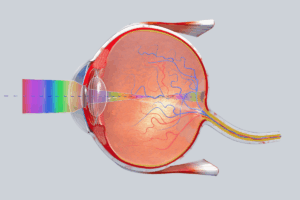
Blurred Vision: Fluid levels may change and that affect the shape of the lens in the eye. This leads to the blurred vision.
Physical Examination
General Examination
Obesity: Excessive body weight mainly abdominal obesity is associated to glucose intolerance and type 2 diabetes.
Hypertension: Elevated blood pressure is associated with metabolic syndrome. This can lead to insulin resistance and glucose intolerance.
Skin Changes
Acanthosis Nigricans: Dark, velvety patches of skin on the neck, armpits or groin indicate insulin resistance.
Neurologic Examination
Peripheral Neuropathy: Numbness, tingling or pain in the extremities is associated with long-term uncontrolled level of glucose.
Periodontal Disease: Gum disease and oral infections are more common in with diabetes disease.
Age group
Associated comorbidity
Associated activity
Acuity of presentation
Differential Diagnoses
Type 1 Diabetes Mellitus
Type 2 Diabetes Mellitus
Gestational Diabetes
Polycystic Ovary Syndrome
Acromegaly
Laboratory Studies
Imaging Studies
Procedures
Histologic Findings
Staging
Treatment Paradigm
Glucose tolerance treatment involves the lifestyle changes and medication. A healthy diet with balanced carbohydrates, fiber and lean proteins is necessary. Physical exercise is necessary as it improve the insulin sensitivity and glucose metabolism. Medications like metformin is used to regulate the blood glucose level. Close monitoring, regular follow up and self-management is important in order to improve the result and treatment.
Lifestyle Modifications
Lifestyle changes is necessary to manage the glucose intolerance. It reduces the risk of the type 2 diabetes. The main goal it to reduce the body weight by 7%. Moderately intense exercise like brisk walking is necessary. Reduce the calory intake. Consume food with quality like monounsaturated fats and nuts, berries, yogurt, high-fiber foods and tea. It reduces the risk of diabetes. Red meats and sugar-sweetened beverages increases the risk. Mediterranean diet and the Dietary Approaches to Stop Hypertension (DASH) diet is sued to manage the glucose intolerance.
by Stage
by Modality
Chemotherapy
Radiation Therapy
Surgical Interventions
Hormone Therapy
Immunotherapy
Hyperthermia
Photodynamic Therapy
Stem Cell Transplant
Targeted Therapy
Palliative Care
Role of Metformin
Metformin is classified as a biguanide. It inhibits the hepatic production of glucose and increases the sensitivity of insulin. It benefits for patients whose age are under 60, obesity and females with gestational diabetes mellitus. Patients with impaired fasting glucose (IFG) and impaired glucose tolerance (IGT) also get the positive result. Medical organizations have different opinion on whether alternative pharmacotherapies can be used to manage the glucose intolerance. Metformin is often used because it target the hepatic production of glucose and the sensitivity of insulin.
Glucose intolerance is a condition in which the body cannot control the blood sugar levels and this led to the high level of blood glucose concentration. This condition is linked to diabetes and other factors. Pancreas produces insulin. It plays an important role in regulating the blood glucose levels. Individuals with glucose intolerance ae not produce enough amount of the insulin or cells do not respond to the insulin sensitivity. This caused the increased level of blood sugar.
Diabetes increases worldwide. The reasons behind are like people are getting older, moderate lifestyles and obesity. In the Middle East, North America and Asia, glucose intolerance is linked to type 2 diabetes.
Urban development and lifestyle changes increase the risk. Some studies ae gender specific but male and female both affect by this disease. Ethnic groups like African, Hispanic, Native American and Asian have high rate of glucose intolerance and diabetes.
People with glucose intolerance decreases the beta cell activity. This may occur when pancreatic beta cells are not produces insulin to control the high level of blood glucose. This can lead to insulin resistance in peripheral tissue like muscle and adipose tissue. This prevents the glucose uptake and increases the blood sugar level. Adipose tissue releases the free fatty acids in the abdominal region. This also causes glucose intolerance. Chronic low-grade inflammation, genetic factors like sedentary lifestyle, obesity and aging can also cause glucose intolerance. Impairs insulin signaling leads to hyperglycemia and type 2 diabetes. The condition represents a complex interplay of genetic predisposition and environmental factors. It is necessary to understand the mechanism to prevent and manage the disease.
Insulin Resistance: When pancreatic beta cells are not produces enough insulin to control the high level of blood glucose. This can lead to insulin resistance in peripheral tissue. This prevents the glucose uptake and increases the blood sugar level.
Genetics: Genetic factors play an important role in the glucose intolerance. People are at high risk who has family history of diabetes or related diseases.
Obesity: Excess body weight mainly abdominal or visceral fat is associated with the glucose intolerance. It can lead to insulin resistance and develop type 2 diabetes.
Physical Inactivity: Lack of regular physical activity can lead to insulin resistance and obesity. This can cause glucose intolerance.
Poor Diet: Diets rich in carbohydrates, sugar and saturated fat can lead to insulin resistance and obesity. This can cause glucose intolerance.
Age: Aging is associated with reduction in insulin sensitivity. As people get older, they may at the risk of glucose intolerance and diabetes.
Hormonal Changes: Conditions like polycystic ovary syndrome (PCOS) in women and hormonal imbalances can lead to insulin resistance and glucose intolerance.
Gestational Diabetes: Women who has gestational diabetes during pregnancy are at an increased risk of glucose intolerance later in life.
Certain Medical Conditions: Conditions like hypertension and cardiovascular disease are associated with glucose intolerance.
Chronic Inflammation: Chronic kidney disease or autoimmune diseases is caused by inflammations. This can affect the insulin signaling and lead to glucose intolerance.
Medications: Medications like antipsychotics and glucocorticoid can affect the glucose metabolism and lead to insulin resistance and glucose intolerance.
The positive prognosis factors are include lifestyle changes and medical treatments. Necessary steps have to be taken to manage the disease.
People with family history of diabetes or glucose intolerance, conditions like obesity, PCOS, cardiovascular disease or gestational diabetes during pregnancy are at the high risk. This disease develops gradually. It appears less or no symptoms at first. As the time increases, it progresses to diabetes. Lifestyle factors, genetics, and early treatment may vary the time.
Signs and Symptoms:
Frequent Urination (Polyuria): The kidney produces more urine as they eliminate the excess glucose.
Excessive Thirst (Polydipsia): Increased urination leads to dehydration. This results in excessive thirst.
Increased Hunger (Polyphagia): because of the low glucose use, body need more nutrient even after eating.
Fatigue: The body is unable to use glucose efficiently. This results in fatigue.
Blurred Vision: Fluid levels may change and that affect the shape of the lens in the eye. This leads to the blurred vision.
General Examination
Obesity: Excessive body weight mainly abdominal obesity is associated to glucose intolerance and type 2 diabetes.
Hypertension: Elevated blood pressure is associated with metabolic syndrome. This can lead to insulin resistance and glucose intolerance.
Skin Changes
Acanthosis Nigricans: Dark, velvety patches of skin on the neck, armpits or groin indicate insulin resistance.
Neurologic Examination
Peripheral Neuropathy: Numbness, tingling or pain in the extremities is associated with long-term uncontrolled level of glucose.
Periodontal Disease: Gum disease and oral infections are more common in with diabetes disease.
Type 1 Diabetes Mellitus
Type 2 Diabetes Mellitus
Gestational Diabetes
Polycystic Ovary Syndrome
Acromegaly
Glucose tolerance treatment involves the lifestyle changes and medication. A healthy diet with balanced carbohydrates, fiber and lean proteins is necessary. Physical exercise is necessary as it improve the insulin sensitivity and glucose metabolism. Medications like metformin is used to regulate the blood glucose level. Close monitoring, regular follow up and self-management is important in order to improve the result and treatment.
Lifestyle Modifications
Lifestyle changes is necessary to manage the glucose intolerance. It reduces the risk of the type 2 diabetes. The main goal it to reduce the body weight by 7%. Moderately intense exercise like brisk walking is necessary. Reduce the calory intake. Consume food with quality like monounsaturated fats and nuts, berries, yogurt, high-fiber foods and tea. It reduces the risk of diabetes. Red meats and sugar-sweetened beverages increases the risk. Mediterranean diet and the Dietary Approaches to Stop Hypertension (DASH) diet is sued to manage the glucose intolerance.
Metformin is classified as a biguanide. It inhibits the hepatic production of glucose and increases the sensitivity of insulin. It benefits for patients whose age are under 60, obesity and females with gestational diabetes mellitus. Patients with impaired fasting glucose (IFG) and impaired glucose tolerance (IGT) also get the positive result. Medical organizations have different opinion on whether alternative pharmacotherapies can be used to manage the glucose intolerance. Metformin is often used because it target the hepatic production of glucose and the sensitivity of insulin.
Glucose intolerance is a condition in which the body cannot control the blood sugar levels and this led to the high level of blood glucose concentration. This condition is linked to diabetes and other factors. Pancreas produces insulin. It plays an important role in regulating the blood glucose levels. Individuals with glucose intolerance ae not produce enough amount of the insulin or cells do not respond to the insulin sensitivity. This caused the increased level of blood sugar.
Diabetes increases worldwide. The reasons behind are like people are getting older, moderate lifestyles and obesity. In the Middle East, North America and Asia, glucose intolerance is linked to type 2 diabetes.
Urban development and lifestyle changes increase the risk. Some studies ae gender specific but male and female both affect by this disease. Ethnic groups like African, Hispanic, Native American and Asian have high rate of glucose intolerance and diabetes.
People with glucose intolerance decreases the beta cell activity. This may occur when pancreatic beta cells are not produces insulin to control the high level of blood glucose. This can lead to insulin resistance in peripheral tissue like muscle and adipose tissue. This prevents the glucose uptake and increases the blood sugar level. Adipose tissue releases the free fatty acids in the abdominal region. This also causes glucose intolerance. Chronic low-grade inflammation, genetic factors like sedentary lifestyle, obesity and aging can also cause glucose intolerance. Impairs insulin signaling leads to hyperglycemia and type 2 diabetes. The condition represents a complex interplay of genetic predisposition and environmental factors. It is necessary to understand the mechanism to prevent and manage the disease.
Insulin Resistance: When pancreatic beta cells are not produces enough insulin to control the high level of blood glucose. This can lead to insulin resistance in peripheral tissue. This prevents the glucose uptake and increases the blood sugar level.
Genetics: Genetic factors play an important role in the glucose intolerance. People are at high risk who has family history of diabetes or related diseases.
Obesity: Excess body weight mainly abdominal or visceral fat is associated with the glucose intolerance. It can lead to insulin resistance and develop type 2 diabetes.
Physical Inactivity: Lack of regular physical activity can lead to insulin resistance and obesity. This can cause glucose intolerance.
Poor Diet: Diets rich in carbohydrates, sugar and saturated fat can lead to insulin resistance and obesity. This can cause glucose intolerance.
Age: Aging is associated with reduction in insulin sensitivity. As people get older, they may at the risk of glucose intolerance and diabetes.
Hormonal Changes: Conditions like polycystic ovary syndrome (PCOS) in women and hormonal imbalances can lead to insulin resistance and glucose intolerance.
Gestational Diabetes: Women who has gestational diabetes during pregnancy are at an increased risk of glucose intolerance later in life.
Certain Medical Conditions: Conditions like hypertension and cardiovascular disease are associated with glucose intolerance.
Chronic Inflammation: Chronic kidney disease or autoimmune diseases is caused by inflammations. This can affect the insulin signaling and lead to glucose intolerance.
Medications: Medications like antipsychotics and glucocorticoid can affect the glucose metabolism and lead to insulin resistance and glucose intolerance.
The positive prognosis factors are include lifestyle changes and medical treatments. Necessary steps have to be taken to manage the disease.
People with family history of diabetes or glucose intolerance, conditions like obesity, PCOS, cardiovascular disease or gestational diabetes during pregnancy are at the high risk. This disease develops gradually. It appears less or no symptoms at first. As the time increases, it progresses to diabetes. Lifestyle factors, genetics, and early treatment may vary the time.
Signs and Symptoms:
Frequent Urination (Polyuria): The kidney produces more urine as they eliminate the excess glucose.
Excessive Thirst (Polydipsia): Increased urination leads to dehydration. This results in excessive thirst.
Increased Hunger (Polyphagia): because of the low glucose use, body need more nutrient even after eating.
Fatigue: The body is unable to use glucose efficiently. This results in fatigue.
Blurred Vision: Fluid levels may change and that affect the shape of the lens in the eye. This leads to the blurred vision.
General Examination
Obesity: Excessive body weight mainly abdominal obesity is associated to glucose intolerance and type 2 diabetes.
Hypertension: Elevated blood pressure is associated with metabolic syndrome. This can lead to insulin resistance and glucose intolerance.
Skin Changes
Acanthosis Nigricans: Dark, velvety patches of skin on the neck, armpits or groin indicate insulin resistance.
Neurologic Examination
Peripheral Neuropathy: Numbness, tingling or pain in the extremities is associated with long-term uncontrolled level of glucose.
Periodontal Disease: Gum disease and oral infections are more common in with diabetes disease.
Type 1 Diabetes Mellitus
Type 2 Diabetes Mellitus
Gestational Diabetes
Polycystic Ovary Syndrome
Acromegaly
Glucose tolerance treatment involves the lifestyle changes and medication. A healthy diet with balanced carbohydrates, fiber and lean proteins is necessary. Physical exercise is necessary as it improve the insulin sensitivity and glucose metabolism. Medications like metformin is used to regulate the blood glucose level. Close monitoring, regular follow up and self-management is important in order to improve the result and treatment.
Lifestyle Modifications
Lifestyle changes is necessary to manage the glucose intolerance. It reduces the risk of the type 2 diabetes. The main goal it to reduce the body weight by 7%. Moderately intense exercise like brisk walking is necessary. Reduce the calory intake. Consume food with quality like monounsaturated fats and nuts, berries, yogurt, high-fiber foods and tea. It reduces the risk of diabetes. Red meats and sugar-sweetened beverages increases the risk. Mediterranean diet and the Dietary Approaches to Stop Hypertension (DASH) diet is sued to manage the glucose intolerance.
Metformin is classified as a biguanide. It inhibits the hepatic production of glucose and increases the sensitivity of insulin. It benefits for patients whose age are under 60, obesity and females with gestational diabetes mellitus. Patients with impaired fasting glucose (IFG) and impaired glucose tolerance (IGT) also get the positive result. Medical organizations have different opinion on whether alternative pharmacotherapies can be used to manage the glucose intolerance. Metformin is often used because it target the hepatic production of glucose and the sensitivity of insulin.
Both our subscription plans include Free CME/CPD AMA PRA Category 1 credits.
Digital Certificate PDF
On course completion, you will receive a full-sized presentation quality digital certificate.
medtigo Simulation
A dynamic medical simulation platform designed to train healthcare professionals and students to effectively run code situations through an immersive hands-on experience in a live, interactive 3D environment.
medtigo Points
medtigo points is our unique point redemption system created to award users for interacting on our site. These points can be redeemed for special discounts on the medtigo marketplace as well as towards the membership cost itself.
Community Forum post/reply = 5 points
*Redemption of points can occur only through the medtigo marketplace, courses, or simulation system. Money will not be credited to your bank account. 10 points = $1.
All Your Certificates in One Place
When you have your licenses, certificates and CMEs in one place, it's easier to track your career growth. You can easily share these with hospitals as well, using your medtigo app.