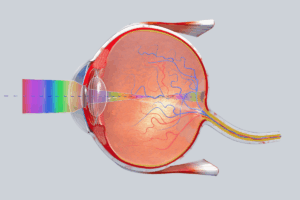
World’s First Human Implant of a 3D-Printed Cornea Restores Sight
December 15, 2025






Background
Epidemiology
Anatomy
Pathophysiology
The pathophysiology of intertrigo involves a combination of factors that contribute to the development of this skin condition. Intertrigo is primarily caused by the interaction of moisture, friction, and microorganisms in the skin folds, leading to inflammation and irritation.
Etiology
The etiology of intertrigo involves multiple factors contributing to developing this skin condition.
Intrinsic factors:
Extrinsic factors:
Predisposing conditions:
Genetics
Prognostic Factors
The prognosis of intertrigo, which refers to the likely course and outcome of the condition, depends on various factors that can influence its severity, recurrence, and response to treatment.
Clinical History
Age group:
Intertrigo can occur at any age, but certain age groups may be more susceptible due to specific factors.
Physical Examination
During a physical examination of intertrigo, a healthcare professional will assess the affected areas to identify the characteristic signs and symptoms of this skin condition.
Visual Inspection:
The healthcare provider will inspect the skin folds and areas prone to intertrigo.
Redness: Intertrigo typically presents as red, inflamed skin in the affected areas due to irritation and inflammation.
Moisture and Maceration: Moisture, especially in skin folds, is a common feature of intertrigo. The skin may appear wet or macerated due to prolonged exposure to sweat or other bodily fluids.
Rash: The affected skin may have a rash-like appearance characterized by diffuse redness or smaller red patches.
Erosions or Cracks: In more severe cases, intertrigo can lead to erosions or cracks in the skin folds, causing pain and discomfort.
Satellite Lesions: Secondary satellite lesions or smaller patches of inflammation may be observed around the main affected area, indicating possible secondary infection.
Palpation:
The healthcare provider may gently palpate (feel) the affected areas to assess for tenderness, warmth, and signs of secondary infection.
Patient History: The healthcare professional will also take a detailed patient history to understand relevant factors such as medical conditions, medications, recent changes in activity levels, hygiene practices, and any previous episodes of intertrigo.
Rule Out Secondary Infections: In some cases, secondary bacterial or fungal infections may complicate intertrigo. The healthcare professional will check for signs of infection, such as pustules, increased warmth, tenderness, or discharge. If suspected, they may consider taking swabs for culture to identify the specific microorganisms causing the infection.
Age group
Associated comorbidity
Associated activity
Certain medical conditions and activities can increase the risk of intertrigo or exacerbate its presentation. Some examples include:
Acuity of presentation
The acuity of intertrigo refers to how quickly the symptoms appear and how severe they are at the time of presentation. The clinical presentation can range from acute to chronic:
Acute: Acute intertrigo may develop rapidly and be associated with intense redness, swelling, pain, and tenderness in the affected skin folds. This can be triggered by excessive sweating, friction, or exposure to moisture.
Chronic: Chronic intertrigo refers to cases that persist or recur over an extended period. In chronic cases, the affected skin may become thickened, discolored, or have areas of fissuring due to long-term irritation and inflammation.
Differential Diagnoses
The clinical presentation of intertrigo can share similarities with other skin conditions, making it essential to consider various differential diagnoses during the evaluation.
Laboratory Studies
Imaging Studies
Procedures
Histologic Findings
Staging
Treatment Paradigm
The treatment paradigm of intertrigo involves a combination of self-care measures, lifestyle modifications, and medical interventions. The primary goal is to reduce moisture, friction, and microbial growth in skin folds while alleviating inflammation and promoting healing. The specific treatment approach may vary based on the severity of the condition and individual patient factors.
Self-Care and Hygiene:
Topical Agents:
Management of Secondary Infections:
Preventive Measures:
After resolving intertrigo, continue practicing good hygiene and preventive measures to reduce the risk of recurrence.
by Stage
by Modality
Chemotherapy
Radiation Therapy
Surgical Interventions
Hormone Therapy
Immunotherapy
Hyperthermia
Photodynamic Therapy
Stem Cell Transplant
Targeted Therapy
Palliative Care
use-of-the-non-pharmacological-therapy-for-modifying-the-environment
Modifying the environment of intertrigo is a crucial aspect of managing and preventing this skin condition.
Use of topical azole antifungal in treating Intertrigo
Topical azole antifungal creams are commonly used to treat fungal infections, including those associated with intertrigo.
Azole antifungal creams work by inhibiting the growth and spread of fungi, such as Candida and dermatophytes. They are available over-the-counter and by prescription, depending on the strength and specific medication. Common azole antifungal creams include clotrimazole, miconazole, ketoconazole, and econazole.
When using a topical azole antifungal cream for treating intertrigo, follow these general guidelines:
Use of Oral antifungal therapy in treating Intertrigo
Oral antifungal therapy can be an effective treatment option for intertrigo, a common skin condition caused by the inflammation of skin folds. Intertrigo often occurs in areas where skin rubs against skin, creating a warm, moist environment that is conducive to fungal growth.
Oral antifungal medications are systemic treatments that work throughout the body to combat fungal infections, including those affecting the skin. They can be beneficial in cases of severe or widespread intertrigo or when topical treatments alone are not sufficient.
Use of topical corticosteroid therapy in treating Intertrigo
Hydrocortisone is a topical corticosteroid commonly used in treating various skin conditions, including intertrigo. Intertrigo is a type of inflammatory skin rash that occurs in areas where the skin folds and rubs against itself, such as the armpits, groin, and between the toes.
Hydrocortisone works by reducing inflammation, itching, and redness in the affected area. It does so by suppressing the immune response and decreasing the production of inflammatory substances in the skin.
use-of-intervention-with-a-procedure-in-treating-intertrigo
In severe or chronic intertrigo cases that do not respond to conservative management, a medical intervention called “Intertrigo Surgery” or “Intertrigo Excision” may be considered. This procedure aims to remove the affected skin folds to eliminate the source of friction and irritation, allowing the area to heal and preventing recurrence. It is typically performed by a dermatologist or a surgeon with expertise in skin surgery.
se-of-phases-in-managing-intertrigo
The management of intertrigo typically involves several phases aimed at providing relief from symptoms, promoting healing, and preventing recurrence. These phases can be broadly categorized as acute management and long-term preventive measures:
Medication
Future Trends
References
Intertrigo – PubMed (nih.gov)
Prevalence and associated factors of intertrigo in aged nursing home residents: a multi-center cross-sectional prevalence study – PMC (nih.gov)
Infectious Diseases Society of America 2023 Guidance on the Treatment of Antimicrobial Resistant Gram-Negative Infections | Clinical Infectious Diseases | Oxford Academic (oup.com)
Prevalence of intertrigo and associated factors: A secondary data analysis of four annual multicentre prevalence studies in the Netherlands – PubMed (nih.gov)
Recurrent candidal intertrigo: challenges and solutions – PMC (nih.gov)
The pathophysiology of intertrigo involves a combination of factors that contribute to the development of this skin condition. Intertrigo is primarily caused by the interaction of moisture, friction, and microorganisms in the skin folds, leading to inflammation and irritation.
The etiology of intertrigo involves multiple factors contributing to developing this skin condition.
Intrinsic factors:
Extrinsic factors:
Predisposing conditions:
The prognosis of intertrigo, which refers to the likely course and outcome of the condition, depends on various factors that can influence its severity, recurrence, and response to treatment.
Age group:
Intertrigo can occur at any age, but certain age groups may be more susceptible due to specific factors.
During a physical examination of intertrigo, a healthcare professional will assess the affected areas to identify the characteristic signs and symptoms of this skin condition.
Visual Inspection:
The healthcare provider will inspect the skin folds and areas prone to intertrigo.
Redness: Intertrigo typically presents as red, inflamed skin in the affected areas due to irritation and inflammation.
Moisture and Maceration: Moisture, especially in skin folds, is a common feature of intertrigo. The skin may appear wet or macerated due to prolonged exposure to sweat or other bodily fluids.
Rash: The affected skin may have a rash-like appearance characterized by diffuse redness or smaller red patches.
Erosions or Cracks: In more severe cases, intertrigo can lead to erosions or cracks in the skin folds, causing pain and discomfort.
Satellite Lesions: Secondary satellite lesions or smaller patches of inflammation may be observed around the main affected area, indicating possible secondary infection.
Palpation:
The healthcare provider may gently palpate (feel) the affected areas to assess for tenderness, warmth, and signs of secondary infection.
Patient History: The healthcare professional will also take a detailed patient history to understand relevant factors such as medical conditions, medications, recent changes in activity levels, hygiene practices, and any previous episodes of intertrigo.
Rule Out Secondary Infections: In some cases, secondary bacterial or fungal infections may complicate intertrigo. The healthcare professional will check for signs of infection, such as pustules, increased warmth, tenderness, or discharge. If suspected, they may consider taking swabs for culture to identify the specific microorganisms causing the infection.
The acuity of intertrigo refers to how quickly the symptoms appear and how severe they are at the time of presentation. The clinical presentation can range from acute to chronic:
Acute: Acute intertrigo may develop rapidly and be associated with intense redness, swelling, pain, and tenderness in the affected skin folds. This can be triggered by excessive sweating, friction, or exposure to moisture.
Chronic: Chronic intertrigo refers to cases that persist or recur over an extended period. In chronic cases, the affected skin may become thickened, discolored, or have areas of fissuring due to long-term irritation and inflammation.
Certain medical conditions and activities can increase the risk of intertrigo or exacerbate its presentation. Some examples include:
The clinical presentation of intertrigo can share similarities with other skin conditions, making it essential to consider various differential diagnoses during the evaluation.
The treatment paradigm of intertrigo involves a combination of self-care measures, lifestyle modifications, and medical interventions. The primary goal is to reduce moisture, friction, and microbial growth in skin folds while alleviating inflammation and promoting healing. The specific treatment approach may vary based on the severity of the condition and individual patient factors.
Self-Care and Hygiene:
Topical Agents:
Management of Secondary Infections:
Preventive Measures:
After resolving intertrigo, continue practicing good hygiene and preventive measures to reduce the risk of recurrence.
Dermatology, General
Modifying the environment of intertrigo is a crucial aspect of managing and preventing this skin condition.
Dermatology, General
Topical azole antifungal creams are commonly used to treat fungal infections, including those associated with intertrigo.
Azole antifungal creams work by inhibiting the growth and spread of fungi, such as Candida and dermatophytes. They are available over-the-counter and by prescription, depending on the strength and specific medication. Common azole antifungal creams include clotrimazole, miconazole, ketoconazole, and econazole.
When using a topical azole antifungal cream for treating intertrigo, follow these general guidelines:
Dermatology, General
Oral antifungal therapy can be an effective treatment option for intertrigo, a common skin condition caused by the inflammation of skin folds. Intertrigo often occurs in areas where skin rubs against skin, creating a warm, moist environment that is conducive to fungal growth.
Oral antifungal medications are systemic treatments that work throughout the body to combat fungal infections, including those affecting the skin. They can be beneficial in cases of severe or widespread intertrigo or when topical treatments alone are not sufficient.
Dermatology, General
Hydrocortisone is a topical corticosteroid commonly used in treating various skin conditions, including intertrigo. Intertrigo is a type of inflammatory skin rash that occurs in areas where the skin folds and rubs against itself, such as the armpits, groin, and between the toes.
Hydrocortisone works by reducing inflammation, itching, and redness in the affected area. It does so by suppressing the immune response and decreasing the production of inflammatory substances in the skin.
Dermatology, General
In severe or chronic intertrigo cases that do not respond to conservative management, a medical intervention called “Intertrigo Surgery” or “Intertrigo Excision” may be considered. This procedure aims to remove the affected skin folds to eliminate the source of friction and irritation, allowing the area to heal and preventing recurrence. It is typically performed by a dermatologist or a surgeon with expertise in skin surgery.
Dermatology, General
The management of intertrigo typically involves several phases aimed at providing relief from symptoms, promoting healing, and preventing recurrence. These phases can be broadly categorized as acute management and long-term preventive measures:
Intertrigo – PubMed (nih.gov)
Prevalence and associated factors of intertrigo in aged nursing home residents: a multi-center cross-sectional prevalence study – PMC (nih.gov)
Infectious Diseases Society of America 2023 Guidance on the Treatment of Antimicrobial Resistant Gram-Negative Infections | Clinical Infectious Diseases | Oxford Academic (oup.com)
Prevalence of intertrigo and associated factors: A secondary data analysis of four annual multicentre prevalence studies in the Netherlands – PubMed (nih.gov)
Recurrent candidal intertrigo: challenges and solutions – PMC (nih.gov)

The pathophysiology of intertrigo involves a combination of factors that contribute to the development of this skin condition. Intertrigo is primarily caused by the interaction of moisture, friction, and microorganisms in the skin folds, leading to inflammation and irritation.
The etiology of intertrigo involves multiple factors contributing to developing this skin condition.
Intrinsic factors:
Extrinsic factors:
Predisposing conditions:
The prognosis of intertrigo, which refers to the likely course and outcome of the condition, depends on various factors that can influence its severity, recurrence, and response to treatment.
Age group:
Intertrigo can occur at any age, but certain age groups may be more susceptible due to specific factors.
During a physical examination of intertrigo, a healthcare professional will assess the affected areas to identify the characteristic signs and symptoms of this skin condition.
Visual Inspection:
The healthcare provider will inspect the skin folds and areas prone to intertrigo.
Redness: Intertrigo typically presents as red, inflamed skin in the affected areas due to irritation and inflammation.
Moisture and Maceration: Moisture, especially in skin folds, is a common feature of intertrigo. The skin may appear wet or macerated due to prolonged exposure to sweat or other bodily fluids.
Rash: The affected skin may have a rash-like appearance characterized by diffuse redness or smaller red patches.
Erosions or Cracks: In more severe cases, intertrigo can lead to erosions or cracks in the skin folds, causing pain and discomfort.
Satellite Lesions: Secondary satellite lesions or smaller patches of inflammation may be observed around the main affected area, indicating possible secondary infection.
Palpation:
The healthcare provider may gently palpate (feel) the affected areas to assess for tenderness, warmth, and signs of secondary infection.
Patient History: The healthcare professional will also take a detailed patient history to understand relevant factors such as medical conditions, medications, recent changes in activity levels, hygiene practices, and any previous episodes of intertrigo.
Rule Out Secondary Infections: In some cases, secondary bacterial or fungal infections may complicate intertrigo. The healthcare professional will check for signs of infection, such as pustules, increased warmth, tenderness, or discharge. If suspected, they may consider taking swabs for culture to identify the specific microorganisms causing the infection.
The acuity of intertrigo refers to how quickly the symptoms appear and how severe they are at the time of presentation. The clinical presentation can range from acute to chronic:
Acute: Acute intertrigo may develop rapidly and be associated with intense redness, swelling, pain, and tenderness in the affected skin folds. This can be triggered by excessive sweating, friction, or exposure to moisture.
Chronic: Chronic intertrigo refers to cases that persist or recur over an extended period. In chronic cases, the affected skin may become thickened, discolored, or have areas of fissuring due to long-term irritation and inflammation.
Certain medical conditions and activities can increase the risk of intertrigo or exacerbate its presentation. Some examples include:
The clinical presentation of intertrigo can share similarities with other skin conditions, making it essential to consider various differential diagnoses during the evaluation.
The treatment paradigm of intertrigo involves a combination of self-care measures, lifestyle modifications, and medical interventions. The primary goal is to reduce moisture, friction, and microbial growth in skin folds while alleviating inflammation and promoting healing. The specific treatment approach may vary based on the severity of the condition and individual patient factors.
Self-Care and Hygiene:
Topical Agents:
Management of Secondary Infections:
Preventive Measures:
After resolving intertrigo, continue practicing good hygiene and preventive measures to reduce the risk of recurrence.
Dermatology, General
Modifying the environment of intertrigo is a crucial aspect of managing and preventing this skin condition.
Dermatology, General
Topical azole antifungal creams are commonly used to treat fungal infections, including those associated with intertrigo.
Azole antifungal creams work by inhibiting the growth and spread of fungi, such as Candida and dermatophytes. They are available over-the-counter and by prescription, depending on the strength and specific medication. Common azole antifungal creams include clotrimazole, miconazole, ketoconazole, and econazole.
When using a topical azole antifungal cream for treating intertrigo, follow these general guidelines:
Dermatology, General
Oral antifungal therapy can be an effective treatment option for intertrigo, a common skin condition caused by the inflammation of skin folds. Intertrigo often occurs in areas where skin rubs against skin, creating a warm, moist environment that is conducive to fungal growth.
Oral antifungal medications are systemic treatments that work throughout the body to combat fungal infections, including those affecting the skin. They can be beneficial in cases of severe or widespread intertrigo or when topical treatments alone are not sufficient.
Dermatology, General
Hydrocortisone is a topical corticosteroid commonly used in treating various skin conditions, including intertrigo. Intertrigo is a type of inflammatory skin rash that occurs in areas where the skin folds and rubs against itself, such as the armpits, groin, and between the toes.
Hydrocortisone works by reducing inflammation, itching, and redness in the affected area. It does so by suppressing the immune response and decreasing the production of inflammatory substances in the skin.
Dermatology, General
In severe or chronic intertrigo cases that do not respond to conservative management, a medical intervention called “Intertrigo Surgery” or “Intertrigo Excision” may be considered. This procedure aims to remove the affected skin folds to eliminate the source of friction and irritation, allowing the area to heal and preventing recurrence. It is typically performed by a dermatologist or a surgeon with expertise in skin surgery.
Dermatology, General
The management of intertrigo typically involves several phases aimed at providing relief from symptoms, promoting healing, and preventing recurrence. These phases can be broadly categorized as acute management and long-term preventive measures:
Intertrigo – PubMed (nih.gov)
Prevalence and associated factors of intertrigo in aged nursing home residents: a multi-center cross-sectional prevalence study – PMC (nih.gov)
Infectious Diseases Society of America 2023 Guidance on the Treatment of Antimicrobial Resistant Gram-Negative Infections | Clinical Infectious Diseases | Oxford Academic (oup.com)
Prevalence of intertrigo and associated factors: A secondary data analysis of four annual multicentre prevalence studies in the Netherlands – PubMed (nih.gov)
Recurrent candidal intertrigo: challenges and solutions – PMC (nih.gov)

Both our subscription plans include Free CME/CPD AMA PRA Category 1 credits.

On course completion, you will receive a full-sized presentation quality digital certificate.
A dynamic medical simulation platform designed to train healthcare professionals and students to effectively run code situations through an immersive hands-on experience in a live, interactive 3D environment.

When you have your licenses, certificates and CMEs in one place, it's easier to track your career growth. You can easily share these with hospitals as well, using your medtigo app.