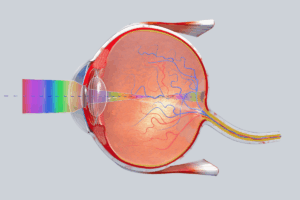
World’s First Human Implant of a 3D-Printed Cornea Restores Sight
December 15, 2025






Background
Epidemiology
The epidemiology of juvenile childhood epilepsy provides insights into the condition’s prevalence, incidence, and demographic characteristics. The key points regarding the epidemiology of juvenile childhood epilepsy:
Anatomy
Pathophysiology
Etiology
The etiology of juvenile childhood epilepsy, including syndromes such as childhood absence epilepsy and juvenile myoclonic epilepsy, is multifactorial, involving genetic and environmental factors. The critical aspects of the etiology of juvenile childhood epilepsy:
• Genetic Factors: Genetic predisposition plays a significant role in developing epilepsy, including juvenile childhood epilepsy. Several genes have been implicated in various epilepsy syndromes. For example, mutations or variations in genes encoding ion channels, such as CACNA1H in childhood absence epilepsy, can affect neuronal excitability and contribute to seizure susceptibility. Additionally, there may be a family history of epilepsy, indicating a genetic component.
• Developmental Brain Abnormalities: In some cases, structural or developmental abnormalities in the brain can lead to epilepsy. These abnormalities may arise due to genetic factors, prenatal insults, perinatal complications, or early-life brain injuries. Such abnormalities can disrupt the normal functioning of neuronal circuits and increase the risk of seizures.
• Neurotransmitter Imbalance: Disturbances in the brain’s balance of neurotransmitters and chemical messengers can contribute to epilepsy. For example, imbalances in the levels of gamma-aminobutyric acid (GABA), an inhibitory neurotransmitter, or glutamate, an excitatory neurotransmitter, can affect the excitability of neurons and increase the likelihood of seizures.
• Inflammatory and Autoimmune Processes: Sometimes, immune system dysfunction or inflammatory processes in the brain may contribute to developing epilepsy. Autoimmune disorders, such as autoimmune encephalitis, can result in inflammation and neuronal hyperexcitability, leading to seizures.
• Environmental Factors: Environmental factors can also play a role in the etiology of juvenile childhood epilepsy. Prenatal exposure to teratogens, maternal infections, perinatal complications, traumatic brain injuries, infections of the central nervous system, and certain medications can increase the risk of epilepsy.
Genetics
Prognostic Factors
Clinical History
Non-specific signs & symptoms
• Mood swings
• Changes in energy levels
• Sleep disturbances
• Difficulty in focus
• Making decisions
• Occupational impairment
• Loss of interest
• Changes in appetite
Systemic signs & symptoms
• Fatigue
• Weight disturbances
Physical Examination
During a physical examination for juvenile absence epilepsy (JAE), the healthcare professional will primarily focus on assessing the individual’s general health and looking for any physical findings that may provide clues about the underlying cause of the seizures. While the physical examination alone cannot confirm or diagnose JAE, it can help rule out other conditions or identify potential factors contributing to the seizures. Here are some aspects that may be evaluated during a physical examination for JAE:
• General Observation: The healthcare professional will observe the individual for any abnormal physical appearance, developmental delays, or other notable features that could suggest an underlying condition related to the seizures.
• Neurological Examination: A comprehensive neurological examination will assess the individual’s cognitive function, motor skills, reflexes, coordination, and sensory responses. This examination helps evaluate the overall functioning of the central nervous system and identify any abnormalities or signs of neurological dysfunction.
• Growth and Development Assessment: In children with JAE, the healthcare professional may monitor growth parameters, such as height and weight, to assess overall growth and development. This evaluation can help identify potential issues or delays associated with the condition.
• Other Relevant Examinations: Additional examinations may be performed to evaluate specific areas of concern depending on the individual’s specific symptoms and medical history. For example, an ophthalmological examination may be conducted if there are concerns about visual disturbances or eye abnormalities.
Age group
• Children • Adults • Young adultsAssociated comorbidity
• Attention deficit hyperactivity disorder
• Mood disorders
• Cerebral palsy
• Intellectual disability
Associated activity
Acuity of presentation
Differential Diagnoses
• Benign epilepsy of childhood with occipital paroxysms or centrotemporal spikes
• Benign idiopathy neonatal convulsions
• Benign familial neonatal convulsions
• Childhood absence of epilepsy
• Benign partial epilepsy of childhood with
• Benign epilepsy with affective symptoms
Laboratory Studies
Imaging Studies
Procedures
Histologic Findings
Staging
Treatment Paradigm
First line therapy
The first-line therapy for juvenile absence epilepsy (JAE) typically involves using antiepileptic medications to help manage and control seizures. The specific choice of medication may vary depending on individual factors, including the severity of seizures, the presence of any comorbidities, and the patient’s overall health.
• ethosuximide: ethosuximide is considered the first-line medication for JAE. It is specifically effective in treating absence seizures and is generally well-tolerated. ethosuximide reduces abnormal electrical activity in the brain, helping prevent or minimize absence seizures.
• valproic acid: valproic acid is another medication commonly used as a first-line treatment for JAE. It is effective in managing various seizure types, including absence seizures. valproic acid works by increasing levels of a neurotransmitter called gamma-aminobutyric acid (GABA), which helps to stabilize brain activity and reduce seizures.
• lamotrigine: lamotrigine is a broad-spectrum antiepileptic medication that can effectively treat various seizure types, including absence seizures. It works by reducing abnormal electrical activity in the brain. lamotrigine is often well-tolerated and may be particularly suitable for individuals with JAE who experience mixed seizure types.
• Patients who do not tolerate first-line therapy
In some cases, patients with juvenile absence epilepsy (JAE) may not adequately respond to or tolerate first-line therapy, which includes medications like ethosuximide, valproic acid, or lamotrigine. When patients fail or do not tolerate first-line therapy, alternative treatment options may be considered.
• lamotrigine:
lamotrigine works by stabilizing neuronal activity and inhibiting the release of certain neurotransmitters in the brain, which helps to prevent seizures. It is generally well-tolerated but can have side effects like any medication. Common side effects of lamotrigine include dizziness, headache, drowsiness, and rash. Healthcare providers must monitor patients closely during titration and treatment to ensure proper dosing and minimize the risk of adverse effects.
by Stage
by Modality
Chemotherapy
Radiation Therapy
Surgical Interventions
Hormone Therapy
Immunotherapy
Hyperthermia
Photodynamic Therapy
Stem Cell Transplant
Targeted Therapy
Palliative Care
Modifying the environment can help manage and reduce the impact of juvenile absence epilepsy (JAE) on an individual’s daily life. While it may not directly treat the underlying condition, creating a supportive and safe environment can improve seizure control and overall well-being. Here are some ways in which the environment can be modified for individuals with JAE:
• Seizure Safety Precautions: Ensuring a safe environment is essential to minimize the risk of injury during seizures. This may involve removing sharp objects or furniture with hard edges, padding potentially hazardous surfaces, securing heavy furniture, and installing safety gates or barriers to prevent falls. It’s also important to educate family members, friends, and caregivers about seizure safety measures and appropriate responses during a seizure.
• Sleep Hygiene: Adequate sleep is crucial for individuals with JAE, as sleep deprivation can trigger seizures. Creating a conducive sleep environment by maintaining a regular sleep schedule, having a comfortable and quiet bedroom, and minimizing disruptions can help promote healthy sleep patterns and reduce the risk of seizures.
• Stress Management: Stress and anxiety can contribute to seizure frequency and severity in individuals with JAE. Stress management techniques, such as relaxation exercises, mindfulness practices, and engaging in activities that promote relaxation, can help reduce stress levels and potentially decrease seizure frequency.
• Consistent Routine: Establishing a consistent daily routine can provide a sense of structure and stability, which may benefit individuals with JAE. Maintaining regular mealtimes, medication schedules, and activities can help regulate brain activity and potentially reduce the occurrence of seizures.
• Supportive Educational Environment: For children with JAE, it is essential to create a supportive educational environment. This may involve working with teachers, school staff, and administrators to ensure that the child’s needs are accommodated, such as providing seizure action plans, educating school staff about seizure recognition and first aid, and implementing strategies to minimize stress and promote academic success.
• Open Communication: Creating an open and supportive environment is essential for individuals with JAE and their families. Encouraging open dialogue about the condition, treatment, and any concerns or challenges can help provide the necessary support and understanding.
Medication
Future Trends
References
Juvenile Absence Epilepsy
• https://www.ncbi.nlm.nih.gov/books/NBK559055/
• https://www.ncbi.nlm.nih.gov/pmc/articles/PMC6394437/
The epidemiology of juvenile childhood epilepsy provides insights into the condition’s prevalence, incidence, and demographic characteristics. The key points regarding the epidemiology of juvenile childhood epilepsy:
The etiology of juvenile childhood epilepsy, including syndromes such as childhood absence epilepsy and juvenile myoclonic epilepsy, is multifactorial, involving genetic and environmental factors. The critical aspects of the etiology of juvenile childhood epilepsy:
• Genetic Factors: Genetic predisposition plays a significant role in developing epilepsy, including juvenile childhood epilepsy. Several genes have been implicated in various epilepsy syndromes. For example, mutations or variations in genes encoding ion channels, such as CACNA1H in childhood absence epilepsy, can affect neuronal excitability and contribute to seizure susceptibility. Additionally, there may be a family history of epilepsy, indicating a genetic component.
• Developmental Brain Abnormalities: In some cases, structural or developmental abnormalities in the brain can lead to epilepsy. These abnormalities may arise due to genetic factors, prenatal insults, perinatal complications, or early-life brain injuries. Such abnormalities can disrupt the normal functioning of neuronal circuits and increase the risk of seizures.
• Neurotransmitter Imbalance: Disturbances in the brain’s balance of neurotransmitters and chemical messengers can contribute to epilepsy. For example, imbalances in the levels of gamma-aminobutyric acid (GABA), an inhibitory neurotransmitter, or glutamate, an excitatory neurotransmitter, can affect the excitability of neurons and increase the likelihood of seizures.
• Inflammatory and Autoimmune Processes: Sometimes, immune system dysfunction or inflammatory processes in the brain may contribute to developing epilepsy. Autoimmune disorders, such as autoimmune encephalitis, can result in inflammation and neuronal hyperexcitability, leading to seizures.
• Environmental Factors: Environmental factors can also play a role in the etiology of juvenile childhood epilepsy. Prenatal exposure to teratogens, maternal infections, perinatal complications, traumatic brain injuries, infections of the central nervous system, and certain medications can increase the risk of epilepsy.
Non-specific signs & symptoms
• Mood swings
• Changes in energy levels
• Sleep disturbances
• Difficulty in focus
• Making decisions
• Occupational impairment
• Loss of interest
• Changes in appetite
Systemic signs & symptoms
• Fatigue
• Weight disturbances
During a physical examination for juvenile absence epilepsy (JAE), the healthcare professional will primarily focus on assessing the individual’s general health and looking for any physical findings that may provide clues about the underlying cause of the seizures. While the physical examination alone cannot confirm or diagnose JAE, it can help rule out other conditions or identify potential factors contributing to the seizures. Here are some aspects that may be evaluated during a physical examination for JAE:
• General Observation: The healthcare professional will observe the individual for any abnormal physical appearance, developmental delays, or other notable features that could suggest an underlying condition related to the seizures.
• Neurological Examination: A comprehensive neurological examination will assess the individual’s cognitive function, motor skills, reflexes, coordination, and sensory responses. This examination helps evaluate the overall functioning of the central nervous system and identify any abnormalities or signs of neurological dysfunction.
• Growth and Development Assessment: In children with JAE, the healthcare professional may monitor growth parameters, such as height and weight, to assess overall growth and development. This evaluation can help identify potential issues or delays associated with the condition.
• Other Relevant Examinations: Additional examinations may be performed to evaluate specific areas of concern depending on the individual’s specific symptoms and medical history. For example, an ophthalmological examination may be conducted if there are concerns about visual disturbances or eye abnormalities.
• Attention deficit hyperactivity disorder
• Mood disorders
• Cerebral palsy
• Intellectual disability
• Benign epilepsy of childhood with occipital paroxysms or centrotemporal spikes
• Benign idiopathy neonatal convulsions
• Benign familial neonatal convulsions
• Childhood absence of epilepsy
• Benign partial epilepsy of childhood with
• Benign epilepsy with affective symptoms
First line therapy
The first-line therapy for juvenile absence epilepsy (JAE) typically involves using antiepileptic medications to help manage and control seizures. The specific choice of medication may vary depending on individual factors, including the severity of seizures, the presence of any comorbidities, and the patient’s overall health.
• ethosuximide: ethosuximide is considered the first-line medication for JAE. It is specifically effective in treating absence seizures and is generally well-tolerated. ethosuximide reduces abnormal electrical activity in the brain, helping prevent or minimize absence seizures.
• valproic acid: valproic acid is another medication commonly used as a first-line treatment for JAE. It is effective in managing various seizure types, including absence seizures. valproic acid works by increasing levels of a neurotransmitter called gamma-aminobutyric acid (GABA), which helps to stabilize brain activity and reduce seizures.
• lamotrigine: lamotrigine is a broad-spectrum antiepileptic medication that can effectively treat various seizure types, including absence seizures. It works by reducing abnormal electrical activity in the brain. lamotrigine is often well-tolerated and may be particularly suitable for individuals with JAE who experience mixed seizure types.
• Patients who do not tolerate first-line therapy
In some cases, patients with juvenile absence epilepsy (JAE) may not adequately respond to or tolerate first-line therapy, which includes medications like ethosuximide, valproic acid, or lamotrigine. When patients fail or do not tolerate first-line therapy, alternative treatment options may be considered.
• lamotrigine:
lamotrigine works by stabilizing neuronal activity and inhibiting the release of certain neurotransmitters in the brain, which helps to prevent seizures. It is generally well-tolerated but can have side effects like any medication. Common side effects of lamotrigine include dizziness, headache, drowsiness, and rash. Healthcare providers must monitor patients closely during titration and treatment to ensure proper dosing and minimize the risk of adverse effects.
Juvenile Absence Epilepsy
• https://www.ncbi.nlm.nih.gov/books/NBK559055/
• https://www.ncbi.nlm.nih.gov/pmc/articles/PMC6394437/

The epidemiology of juvenile childhood epilepsy provides insights into the condition’s prevalence, incidence, and demographic characteristics. The key points regarding the epidemiology of juvenile childhood epilepsy:
The etiology of juvenile childhood epilepsy, including syndromes such as childhood absence epilepsy and juvenile myoclonic epilepsy, is multifactorial, involving genetic and environmental factors. The critical aspects of the etiology of juvenile childhood epilepsy:
• Genetic Factors: Genetic predisposition plays a significant role in developing epilepsy, including juvenile childhood epilepsy. Several genes have been implicated in various epilepsy syndromes. For example, mutations or variations in genes encoding ion channels, such as CACNA1H in childhood absence epilepsy, can affect neuronal excitability and contribute to seizure susceptibility. Additionally, there may be a family history of epilepsy, indicating a genetic component.
• Developmental Brain Abnormalities: In some cases, structural or developmental abnormalities in the brain can lead to epilepsy. These abnormalities may arise due to genetic factors, prenatal insults, perinatal complications, or early-life brain injuries. Such abnormalities can disrupt the normal functioning of neuronal circuits and increase the risk of seizures.
• Neurotransmitter Imbalance: Disturbances in the brain’s balance of neurotransmitters and chemical messengers can contribute to epilepsy. For example, imbalances in the levels of gamma-aminobutyric acid (GABA), an inhibitory neurotransmitter, or glutamate, an excitatory neurotransmitter, can affect the excitability of neurons and increase the likelihood of seizures.
• Inflammatory and Autoimmune Processes: Sometimes, immune system dysfunction or inflammatory processes in the brain may contribute to developing epilepsy. Autoimmune disorders, such as autoimmune encephalitis, can result in inflammation and neuronal hyperexcitability, leading to seizures.
• Environmental Factors: Environmental factors can also play a role in the etiology of juvenile childhood epilepsy. Prenatal exposure to teratogens, maternal infections, perinatal complications, traumatic brain injuries, infections of the central nervous system, and certain medications can increase the risk of epilepsy.
Non-specific signs & symptoms
• Mood swings
• Changes in energy levels
• Sleep disturbances
• Difficulty in focus
• Making decisions
• Occupational impairment
• Loss of interest
• Changes in appetite
Systemic signs & symptoms
• Fatigue
• Weight disturbances
During a physical examination for juvenile absence epilepsy (JAE), the healthcare professional will primarily focus on assessing the individual’s general health and looking for any physical findings that may provide clues about the underlying cause of the seizures. While the physical examination alone cannot confirm or diagnose JAE, it can help rule out other conditions or identify potential factors contributing to the seizures. Here are some aspects that may be evaluated during a physical examination for JAE:
• General Observation: The healthcare professional will observe the individual for any abnormal physical appearance, developmental delays, or other notable features that could suggest an underlying condition related to the seizures.
• Neurological Examination: A comprehensive neurological examination will assess the individual’s cognitive function, motor skills, reflexes, coordination, and sensory responses. This examination helps evaluate the overall functioning of the central nervous system and identify any abnormalities or signs of neurological dysfunction.
• Growth and Development Assessment: In children with JAE, the healthcare professional may monitor growth parameters, such as height and weight, to assess overall growth and development. This evaluation can help identify potential issues or delays associated with the condition.
• Other Relevant Examinations: Additional examinations may be performed to evaluate specific areas of concern depending on the individual’s specific symptoms and medical history. For example, an ophthalmological examination may be conducted if there are concerns about visual disturbances or eye abnormalities.
• Attention deficit hyperactivity disorder
• Mood disorders
• Cerebral palsy
• Intellectual disability
• Benign epilepsy of childhood with occipital paroxysms or centrotemporal spikes
• Benign idiopathy neonatal convulsions
• Benign familial neonatal convulsions
• Childhood absence of epilepsy
• Benign partial epilepsy of childhood with
• Benign epilepsy with affective symptoms
First line therapy
The first-line therapy for juvenile absence epilepsy (JAE) typically involves using antiepileptic medications to help manage and control seizures. The specific choice of medication may vary depending on individual factors, including the severity of seizures, the presence of any comorbidities, and the patient’s overall health.
• ethosuximide: ethosuximide is considered the first-line medication for JAE. It is specifically effective in treating absence seizures and is generally well-tolerated. ethosuximide reduces abnormal electrical activity in the brain, helping prevent or minimize absence seizures.
• valproic acid: valproic acid is another medication commonly used as a first-line treatment for JAE. It is effective in managing various seizure types, including absence seizures. valproic acid works by increasing levels of a neurotransmitter called gamma-aminobutyric acid (GABA), which helps to stabilize brain activity and reduce seizures.
• lamotrigine: lamotrigine is a broad-spectrum antiepileptic medication that can effectively treat various seizure types, including absence seizures. It works by reducing abnormal electrical activity in the brain. lamotrigine is often well-tolerated and may be particularly suitable for individuals with JAE who experience mixed seizure types.
• Patients who do not tolerate first-line therapy
In some cases, patients with juvenile absence epilepsy (JAE) may not adequately respond to or tolerate first-line therapy, which includes medications like ethosuximide, valproic acid, or lamotrigine. When patients fail or do not tolerate first-line therapy, alternative treatment options may be considered.
• lamotrigine:
lamotrigine works by stabilizing neuronal activity and inhibiting the release of certain neurotransmitters in the brain, which helps to prevent seizures. It is generally well-tolerated but can have side effects like any medication. Common side effects of lamotrigine include dizziness, headache, drowsiness, and rash. Healthcare providers must monitor patients closely during titration and treatment to ensure proper dosing and minimize the risk of adverse effects.
Neurology
Modifying the environment can help manage and reduce the impact of juvenile absence epilepsy (JAE) on an individual’s daily life. While it may not directly treat the underlying condition, creating a supportive and safe environment can improve seizure control and overall well-being. Here are some ways in which the environment can be modified for individuals with JAE:
• Seizure Safety Precautions: Ensuring a safe environment is essential to minimize the risk of injury during seizures. This may involve removing sharp objects or furniture with hard edges, padding potentially hazardous surfaces, securing heavy furniture, and installing safety gates or barriers to prevent falls. It’s also important to educate family members, friends, and caregivers about seizure safety measures and appropriate responses during a seizure.
• Sleep Hygiene: Adequate sleep is crucial for individuals with JAE, as sleep deprivation can trigger seizures. Creating a conducive sleep environment by maintaining a regular sleep schedule, having a comfortable and quiet bedroom, and minimizing disruptions can help promote healthy sleep patterns and reduce the risk of seizures.
• Stress Management: Stress and anxiety can contribute to seizure frequency and severity in individuals with JAE. Stress management techniques, such as relaxation exercises, mindfulness practices, and engaging in activities that promote relaxation, can help reduce stress levels and potentially decrease seizure frequency.
• Consistent Routine: Establishing a consistent daily routine can provide a sense of structure and stability, which may benefit individuals with JAE. Maintaining regular mealtimes, medication schedules, and activities can help regulate brain activity and potentially reduce the occurrence of seizures.
• Supportive Educational Environment: For children with JAE, it is essential to create a supportive educational environment. This may involve working with teachers, school staff, and administrators to ensure that the child’s needs are accommodated, such as providing seizure action plans, educating school staff about seizure recognition and first aid, and implementing strategies to minimize stress and promote academic success.
• Open Communication: Creating an open and supportive environment is essential for individuals with JAE and their families. Encouraging open dialogue about the condition, treatment, and any concerns or challenges can help provide the necessary support and understanding.
Juvenile Absence Epilepsy
• https://www.ncbi.nlm.nih.gov/books/NBK559055/
• https://www.ncbi.nlm.nih.gov/pmc/articles/PMC6394437/

Both our subscription plans include Free CME/CPD AMA PRA Category 1 credits.

On course completion, you will receive a full-sized presentation quality digital certificate.
A dynamic medical simulation platform designed to train healthcare professionals and students to effectively run code situations through an immersive hands-on experience in a live, interactive 3D environment.

When you have your licenses, certificates and CMEs in one place, it's easier to track your career growth. You can easily share these with hospitals as well, using your medtigo app.