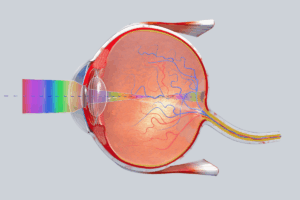
World’s First Human Implant of a 3D-Printed Cornea Restores Sight
December 15, 2025






Background
Myocarditis is a condition where the heart muscle becomes inflamed, potentially weakening the heart and disrupting its function. The condition produces several harmful outcomes that include heart failure alongside irregular heartbeats and sudden cardiac death. The primary causes of myocarditis result from infections (including viral, bacterial, fungal and parasitic) along with medications and autoimmune diseases and allergic responses. The disease presents symptoms which overlap with those of heart issues and flu-like infections therefore medical diagnosis becomes difficult.
Epidemiology
Incidence: The usual estimate of incidence is one to ten instances per 100,000 people.
Age and sex:
Myocarditis can occur at any age, but it is most common in young adults between the ages of 18 and 35.
Geographic variations:
The prevalence of myocarditis can vary depending on the geographic region. This is likely due to differences in the prevalence of infectious agents, environmental factors, and access to healthcare.
Risk factors:
Certain factors may increase the risk of developing myocarditis, including:
Having a weakened immune system
Having a history of heart disease
Participating in strenuous physical activity
Anatomy
Pathophysiology
Infectious Agents: Viruses like coxsackievirus, adenovirus, enterovirus, Influenza, HIV, and bacteria like borrelia burgdorferi causing Lyme disease, fungi, and parasites can directly infect the myocardium, triggering an immune response. These microorganisms can either damage the heart tissue directly or trigger an immune response leading to inflammation.
Autoimmune Response: Sometimes, the body’s immune system mistakenly attacks the myocardium, leading to inflammation. Various factors, including previous infections or systemic autoimmune diseases.
Immune Response: In reaction to an injury or infection, the immune system releases cytokines and inflammatory mediators, which recruit immune cells to the myocardium. This inflammatory response contributes to tissue damage and dysfunction.
Oxidative Stress: Enhanced levels of ROS and oxidative stress can harm myocardial cells, resulting in inflammation and compromised heart performance.
Cellular Damage and Dysfunction: The inflammatory process leads to the destruction of myocardial cells, disruption of normal cardiac function, and the development of scar tissue. This can result in impaired contractility, electrical conduction abnormalities, arrhythmias, and heart failure.
Etiology
Viral Infections: Common causes like Coxsackievirus, adenovirus, and parvovirus B19.
Bacterial Infections: Streptococcal, staphylococcal, and other bacterial infections.
Parasitic Infections: Trypanosoma cruzi and other parasites.
Autoimmune Disorders: Conditions like lupus or rheumatoid arthritis can lead to inflammation of the heart.
Medications: Certain drugs can cause myocarditis as a side effect.
Toxins: Exposure to substances like alcohol or drugs may contribute to heart inflammation.
Genetics
Prognostic Factors
Age: Older age is linked to a worse prognosis, with younger individuals generally having a better recovery outlook.
Underlying Health Conditions: Conditions like immune dysfunction or pre-existing heart disease can worsen the prognosis.
Viral Cause: The type of virus, such as Coxsackie B, can impact the severity of myocarditis.
Clinical History
Age group
Myocarditis is more common in adolescents and young adults, often caused by viral infections or other factors that lead to heart muscle inflammation. It can also affect middle-aged adults, though less frequently, typically due to viral infections, autoimmune disorders, or underlying health conditions
Physical Examination
Cardiovascular Examination:
Inspection
Palpation
Auscultation
Age group
Associated comorbidity
Viral Infections
Autoimmune Diseases
Bacterial and Parasitic Infections
Medications and Toxins
Prior History of Myocarditis
Intense Physical Activity
Associated activity
Acuity of presentation
Mild Cases:
Often asymptomatic or present with mild flu-like symptoms.
Moderate Cases:
The pain or pressure in the chest could possibly indicate an angina heart attack.
Shortness of breath, especially with exertion.
Palpitations or irregular heartbeats.
Severe Cases:
Severe chest pain or tightness.
Rapid or irregular heartbeat.
Fainting or near-fainting episodes.
Differential Diagnoses
Ischemic heart disease
Other cardiomyopathies
Laboratory Studies
Imaging Studies
Procedures
Histologic Findings
Staging
Treatment Paradigm
Treatment paradigm
Diagnosis and Initial Assessment: Myocarditis is diagnosed through a combination of symptoms, medical history, physical exams, blood tests, electrocardiogram, echocardiogram, cardiac MRI, and sometimes endomyocardial biopsy. The initial assessment focuses on symptom severity, heart function, and identifying the cause.
Supportive Care: Bed rest and activity restriction are recommended during the acute phase. Symptomatic treatment may include pain relievers, oxygen, and diuretics.
Management of Heart Failure and Complications: If heart failure occurs, medications like ACE inhibitors, beta-blockers, or inotropes may be prescribed. Severe arrhythmias may require antiarrhythmic medications or cardioversion.
Treatment of Underlying Cause:
Viral Myocarditis: Supportive care is essential, with possible immunomodulatory treatments for severe cases.
Bacterial/Fungal Myocarditis: Antibiotics or antifungals may be prescribed.
Autoimmune Myocarditis: Immunosuppressive medications like corticosteroids or immunomodulators may be used.
Monitoring and Follow-up: Regular cardiac function monitoring and follow-up visits are necessary to assess recovery, manage medications, and adjust the treatment plan.
by Stage
by Modality
Chemotherapy
Radiation Therapy
Surgical Interventions
Hormone Therapy
Immunotherapy
Hyperthermia
Photodynamic Therapy
Stem Cell Transplant
Targeted Therapy
Palliative Care
lifestyle-modifications-in-treating-myocarditis
Modification of Environment:
Rest: Limiting physical activity helps prevent extra strain on the heart.
Medication Compliance: Strict adherence to prescribed medications, including anti-inflammatory drugs and those for managing symptoms, is essential.
Dietary Changes: A healthy heart diet, low in sodium and saturated fats, rich in fruits and vegetables, helps manage inflammation and underlying conditions.
Fluid Intake: Monitoring fluid intake is important, especially in cases of heart failure or fluid retention.
Avoiding Triggers: Recognizing and avoiding triggers, such as viral illnesses, stress, and activities that strain the heart, is crucial.
Regular Follow-ups: Regular appointments with healthcare providers are essential to monitor progress and adjust treatment.
Physical Activity Guidelines: Following healthcare provider guidance on physical activity, including potential cardiac rehabilitation, is important for heart health.
Stress Management: Techniques like mindfulness or counselling can help manage stress and protect heart health.
Avoiding Toxins: Minimizing exposure to pollutants and second-hand smoke helps reduce the risk of worsening myocarditis.
Role of vasodilators in treating myocarditis
Nitroglycerin (Minitran, Nitro-Bid, Nitro-Dur, Nitrostat):
Nitroglycerin is a vasodilator. Nitroglycerin relaxes the blood vessels and allows widening of blood vessels which then reduces heart strain while improving blood circulation.
Sodium nitroprusside (Nitropress):
In cases of hypertensive emergencies and acute heart failure, sodium nitroprusside is a powerful vasodilator used to relax both arteries and veins. This leads to reduced heart strain and improves cardiac output.
Effectiveness of ACE inhibitors in treating myocarditis
Enalapril (Vasotec)
Enalapril, an ACE inhibitor, helps to relax blood vessels and improves the heart’s ability to pump blood effectively, leading to lower blood pressure. It is a useful treatment for controlling blood pressure and managing heart failure resulting from heart muscle inflammation.
Lisinopril (Zestril):
This medication inhibits the transformation of Angiotensin I into Angiotensin II, a potent vasoconstrictor. As a result, plasma renin levels increase while aldosterone production decreases.
Captopril:
Like Lisinopril, Captopril prevents the conversion of Angiotensin I into Angiotensin II, leading to higher plasma renin levels and reduced aldosterone output. It can be gradually increased from a low initial dose based on patient tolerance and need.
Use of diuretics in treating myocarditis
Furosemide (Lasix)
Furosemide, a loop diuretic, promotes increased urine production and reduces fluid retention by inhibiting the kidneys’ reabsorption of sodium and chloride ions. While it is commonly administered to patients with cardiogenic pulmonary edema (CPE), it is particularly beneficial for those experiencing overall fluid overload.
Bumetanide
By promoting the removal of surplus fluids and salts from the body, bumetanide helps decrease fluid buildup in conditions of the heart.
Effectiveness of angiotensin II receptor blockers in treating myocarditis
Candesartan (Atacand):
Candesartan works by blocking the effects of angiotensin II, a hormone that narrows blood vessels and raises blood pressure. In myocarditis, it may help manage cardiovascular effects by reducing blood pressure. Additionally, angiotensin II receptor blockers like candesartan help preserve kidney function and delay the progression of end-stage kidney disease by reducing proteinuria and blood pressure.
Losartan (Cozaar):
Losartan inhibits angiotensin II, which helps to relax blood vessels and lower blood pressure. In cases of myocarditis, it may aid in controlling cardiovascular issues related to inflammation of the heart muscle.
Use of inotropic agents in treating myocarditis
Milrinone
It works by reducing preload, enhances inotropy, and selectively inhibits phosphodiesterase type III-PDE III in smooth vascular muscle & cardiac muscles.
Dobutamine
It promotes an inotropic state and causes vasodilation. High doses have the potential to worsen myocardial ischemia by raising the heart rate.
role-of-surgery-in-treating-myocarditis
Heart Transplant: Heart transplant can be considered in extreme situations if the heart is severely damaged and does not react to other treatments.
Patients need cautious selection before undergoing heart transplantation because this surgical procedure contains multiple complexities.
role-of-management-in-treating-myocarditis-specialty
Clinical Evaluation: A thorough medical history, physical examination, and assessment of symptoms are conducted.
Diagnostic Tests: These may include blood tests, electrocardiogram, echocardiogram, cardiac MRI, cardiac biopsy, and sometimes a coronary angiogram.
Treatment:
Supportive Care: Rest, hydration, and avoiding physical exertion might be recommended initially.
Medication: Treatment often involves medications to manage symptoms and address the underlying cause, like:
Anti-inflammatory drugs like nonsteroidal anti-inflammatory drugs or corticosteroids to reduce inflammation.
Diuretics to reduce fluid retention.
Medications to manage heart function like beta-blockers, ACE inhibitors.
Antiviral or immune-suppressing medications.
Treatment of Complications: In severe cases, complications like arrhythmias or heart failure may require specific interventions, such as implantable devices or surgery.
Monitoring and Follow-Up:
Patients require regular follow-up appointments to monitor heart function and symptoms together with treatment effectiveness.
Rehabilitation and Recovery:
Cardiac Rehabilitation: For some individuals, a structured cardiac rehabilitation program might be advised to help regain strength and improve cardiovascular fitness under medical supervision.
Gradual Return to Activities: After recovery, a gradual return to regular activities and exercise is typically recommended, often with guidance from healthcare professionals.
Preventive Measures:
Vaccinations: Some cases of myocarditis are linked to viral infections, so maintaining up-to-date vaccinations can help prevent some infections associated with myocarditis.
Avoiding Triggers: Minimizing exposure to potential triggers that can lead to myocarditis might be advisable.
Medication
Future Trends
Myocarditis is a condition where the heart muscle becomes inflamed, potentially weakening the heart and disrupting its function. The condition produces several harmful outcomes that include heart failure alongside irregular heartbeats and sudden cardiac death. The primary causes of myocarditis result from infections (including viral, bacterial, fungal and parasitic) along with medications and autoimmune diseases and allergic responses. The disease presents symptoms which overlap with those of heart issues and flu-like infections therefore medical diagnosis becomes difficult.
Incidence: The usual estimate of incidence is one to ten instances per 100,000 people.
Age and sex:
Myocarditis can occur at any age, but it is most common in young adults between the ages of 18 and 35.
Geographic variations:
The prevalence of myocarditis can vary depending on the geographic region. This is likely due to differences in the prevalence of infectious agents, environmental factors, and access to healthcare.
Risk factors:
Certain factors may increase the risk of developing myocarditis, including:
Having a weakened immune system
Having a history of heart disease
Participating in strenuous physical activity
Infectious Agents: Viruses like coxsackievirus, adenovirus, enterovirus, Influenza, HIV, and bacteria like borrelia burgdorferi causing Lyme disease, fungi, and parasites can directly infect the myocardium, triggering an immune response. These microorganisms can either damage the heart tissue directly or trigger an immune response leading to inflammation.
Autoimmune Response: Sometimes, the body’s immune system mistakenly attacks the myocardium, leading to inflammation. Various factors, including previous infections or systemic autoimmune diseases.
Immune Response: In reaction to an injury or infection, the immune system releases cytokines and inflammatory mediators, which recruit immune cells to the myocardium. This inflammatory response contributes to tissue damage and dysfunction.
Oxidative Stress: Enhanced levels of ROS and oxidative stress can harm myocardial cells, resulting in inflammation and compromised heart performance.
Cellular Damage and Dysfunction: The inflammatory process leads to the destruction of myocardial cells, disruption of normal cardiac function, and the development of scar tissue. This can result in impaired contractility, electrical conduction abnormalities, arrhythmias, and heart failure.
Viral Infections: Common causes like Coxsackievirus, adenovirus, and parvovirus B19.
Bacterial Infections: Streptococcal, staphylococcal, and other bacterial infections.
Parasitic Infections: Trypanosoma cruzi and other parasites.
Autoimmune Disorders: Conditions like lupus or rheumatoid arthritis can lead to inflammation of the heart.
Medications: Certain drugs can cause myocarditis as a side effect.
Toxins: Exposure to substances like alcohol or drugs may contribute to heart inflammation.
Age: Older age is linked to a worse prognosis, with younger individuals generally having a better recovery outlook.
Underlying Health Conditions: Conditions like immune dysfunction or pre-existing heart disease can worsen the prognosis.
Viral Cause: The type of virus, such as Coxsackie B, can impact the severity of myocarditis.
Age group
Myocarditis is more common in adolescents and young adults, often caused by viral infections or other factors that lead to heart muscle inflammation. It can also affect middle-aged adults, though less frequently, typically due to viral infections, autoimmune disorders, or underlying health conditions
Cardiovascular Examination:
Inspection
Palpation
Auscultation
Viral Infections
Autoimmune Diseases
Bacterial and Parasitic Infections
Medications and Toxins
Prior History of Myocarditis
Intense Physical Activity
Mild Cases:
Often asymptomatic or present with mild flu-like symptoms.
Moderate Cases:
The pain or pressure in the chest could possibly indicate an angina heart attack.
Shortness of breath, especially with exertion.
Palpitations or irregular heartbeats.
Severe Cases:
Severe chest pain or tightness.
Rapid or irregular heartbeat.
Fainting or near-fainting episodes.
Ischemic heart disease
Other cardiomyopathies
Treatment paradigm
Diagnosis and Initial Assessment: Myocarditis is diagnosed through a combination of symptoms, medical history, physical exams, blood tests, electrocardiogram, echocardiogram, cardiac MRI, and sometimes endomyocardial biopsy. The initial assessment focuses on symptom severity, heart function, and identifying the cause.
Supportive Care: Bed rest and activity restriction are recommended during the acute phase. Symptomatic treatment may include pain relievers, oxygen, and diuretics.
Management of Heart Failure and Complications: If heart failure occurs, medications like ACE inhibitors, beta-blockers, or inotropes may be prescribed. Severe arrhythmias may require antiarrhythmic medications or cardioversion.
Treatment of Underlying Cause:
Viral Myocarditis: Supportive care is essential, with possible immunomodulatory treatments for severe cases.
Bacterial/Fungal Myocarditis: Antibiotics or antifungals may be prescribed.
Autoimmune Myocarditis: Immunosuppressive medications like corticosteroids or immunomodulators may be used.
Monitoring and Follow-up: Regular cardiac function monitoring and follow-up visits are necessary to assess recovery, manage medications, and adjust the treatment plan.
Cardiology, General
Modification of Environment:
Rest: Limiting physical activity helps prevent extra strain on the heart.
Medication Compliance: Strict adherence to prescribed medications, including anti-inflammatory drugs and those for managing symptoms, is essential.
Dietary Changes: A healthy heart diet, low in sodium and saturated fats, rich in fruits and vegetables, helps manage inflammation and underlying conditions.
Fluid Intake: Monitoring fluid intake is important, especially in cases of heart failure or fluid retention.
Avoiding Triggers: Recognizing and avoiding triggers, such as viral illnesses, stress, and activities that strain the heart, is crucial.
Regular Follow-ups: Regular appointments with healthcare providers are essential to monitor progress and adjust treatment.
Physical Activity Guidelines: Following healthcare provider guidance on physical activity, including potential cardiac rehabilitation, is important for heart health.
Stress Management: Techniques like mindfulness or counselling can help manage stress and protect heart health.
Avoiding Toxins: Minimizing exposure to pollutants and second-hand smoke helps reduce the risk of worsening myocarditis.
Cardiology, General
Nitroglycerin (Minitran, Nitro-Bid, Nitro-Dur, Nitrostat):
Nitroglycerin is a vasodilator. Nitroglycerin relaxes the blood vessels and allows widening of blood vessels which then reduces heart strain while improving blood circulation.
Sodium nitroprusside (Nitropress):
In cases of hypertensive emergencies and acute heart failure, sodium nitroprusside is a powerful vasodilator used to relax both arteries and veins. This leads to reduced heart strain and improves cardiac output.
Cardiology, General
Enalapril (Vasotec)
Enalapril, an ACE inhibitor, helps to relax blood vessels and improves the heart’s ability to pump blood effectively, leading to lower blood pressure. It is a useful treatment for controlling blood pressure and managing heart failure resulting from heart muscle inflammation.
Lisinopril (Zestril):
This medication inhibits the transformation of Angiotensin I into Angiotensin II, a potent vasoconstrictor. As a result, plasma renin levels increase while aldosterone production decreases.
Captopril:
Like Lisinopril, Captopril prevents the conversion of Angiotensin I into Angiotensin II, leading to higher plasma renin levels and reduced aldosterone output. It can be gradually increased from a low initial dose based on patient tolerance and need.
Cardiology, General
Furosemide (Lasix)
Furosemide, a loop diuretic, promotes increased urine production and reduces fluid retention by inhibiting the kidneys’ reabsorption of sodium and chloride ions. While it is commonly administered to patients with cardiogenic pulmonary edema (CPE), it is particularly beneficial for those experiencing overall fluid overload.
Bumetanide
By promoting the removal of surplus fluids and salts from the body, bumetanide helps decrease fluid buildup in conditions of the heart.
Cardiology, General
Candesartan (Atacand):
Candesartan works by blocking the effects of angiotensin II, a hormone that narrows blood vessels and raises blood pressure. In myocarditis, it may help manage cardiovascular effects by reducing blood pressure. Additionally, angiotensin II receptor blockers like candesartan help preserve kidney function and delay the progression of end-stage kidney disease by reducing proteinuria and blood pressure.
Losartan (Cozaar):
Losartan inhibits angiotensin II, which helps to relax blood vessels and lower blood pressure. In cases of myocarditis, it may aid in controlling cardiovascular issues related to inflammation of the heart muscle.
Cardiology, General
Milrinone
It works by reducing preload, enhances inotropy, and selectively inhibits phosphodiesterase type III-PDE III in smooth vascular muscle & cardiac muscles.
Dobutamine
It promotes an inotropic state and causes vasodilation. High doses have the potential to worsen myocardial ischemia by raising the heart rate.
Cardiology, General
Heart Transplant: Heart transplant can be considered in extreme situations if the heart is severely damaged and does not react to other treatments.
Patients need cautious selection before undergoing heart transplantation because this surgical procedure contains multiple complexities.
Cardiology, General
Clinical Evaluation: A thorough medical history, physical examination, and assessment of symptoms are conducted.
Diagnostic Tests: These may include blood tests, electrocardiogram, echocardiogram, cardiac MRI, cardiac biopsy, and sometimes a coronary angiogram.
Treatment:
Supportive Care: Rest, hydration, and avoiding physical exertion might be recommended initially.
Medication: Treatment often involves medications to manage symptoms and address the underlying cause, like:
Anti-inflammatory drugs like nonsteroidal anti-inflammatory drugs or corticosteroids to reduce inflammation.
Diuretics to reduce fluid retention.
Medications to manage heart function like beta-blockers, ACE inhibitors.
Antiviral or immune-suppressing medications.
Treatment of Complications: In severe cases, complications like arrhythmias or heart failure may require specific interventions, such as implantable devices or surgery.
Monitoring and Follow-Up:
Patients require regular follow-up appointments to monitor heart function and symptoms together with treatment effectiveness.
Rehabilitation and Recovery:
Cardiac Rehabilitation: For some individuals, a structured cardiac rehabilitation program might be advised to help regain strength and improve cardiovascular fitness under medical supervision.
Gradual Return to Activities: After recovery, a gradual return to regular activities and exercise is typically recommended, often with guidance from healthcare professionals.
Preventive Measures:
Vaccinations: Some cases of myocarditis are linked to viral infections, so maintaining up-to-date vaccinations can help prevent some infections associated with myocarditis.
Avoiding Triggers: Minimizing exposure to potential triggers that can lead to myocarditis might be advisable.

Myocarditis is a condition where the heart muscle becomes inflamed, potentially weakening the heart and disrupting its function. The condition produces several harmful outcomes that include heart failure alongside irregular heartbeats and sudden cardiac death. The primary causes of myocarditis result from infections (including viral, bacterial, fungal and parasitic) along with medications and autoimmune diseases and allergic responses. The disease presents symptoms which overlap with those of heart issues and flu-like infections therefore medical diagnosis becomes difficult.
Incidence: The usual estimate of incidence is one to ten instances per 100,000 people.
Age and sex:
Myocarditis can occur at any age, but it is most common in young adults between the ages of 18 and 35.
Geographic variations:
The prevalence of myocarditis can vary depending on the geographic region. This is likely due to differences in the prevalence of infectious agents, environmental factors, and access to healthcare.
Risk factors:
Certain factors may increase the risk of developing myocarditis, including:
Having a weakened immune system
Having a history of heart disease
Participating in strenuous physical activity
Infectious Agents: Viruses like coxsackievirus, adenovirus, enterovirus, Influenza, HIV, and bacteria like borrelia burgdorferi causing Lyme disease, fungi, and parasites can directly infect the myocardium, triggering an immune response. These microorganisms can either damage the heart tissue directly or trigger an immune response leading to inflammation.
Autoimmune Response: Sometimes, the body’s immune system mistakenly attacks the myocardium, leading to inflammation. Various factors, including previous infections or systemic autoimmune diseases.
Immune Response: In reaction to an injury or infection, the immune system releases cytokines and inflammatory mediators, which recruit immune cells to the myocardium. This inflammatory response contributes to tissue damage and dysfunction.
Oxidative Stress: Enhanced levels of ROS and oxidative stress can harm myocardial cells, resulting in inflammation and compromised heart performance.
Cellular Damage and Dysfunction: The inflammatory process leads to the destruction of myocardial cells, disruption of normal cardiac function, and the development of scar tissue. This can result in impaired contractility, electrical conduction abnormalities, arrhythmias, and heart failure.
Viral Infections: Common causes like Coxsackievirus, adenovirus, and parvovirus B19.
Bacterial Infections: Streptococcal, staphylococcal, and other bacterial infections.
Parasitic Infections: Trypanosoma cruzi and other parasites.
Autoimmune Disorders: Conditions like lupus or rheumatoid arthritis can lead to inflammation of the heart.
Medications: Certain drugs can cause myocarditis as a side effect.
Toxins: Exposure to substances like alcohol or drugs may contribute to heart inflammation.
Age: Older age is linked to a worse prognosis, with younger individuals generally having a better recovery outlook.
Underlying Health Conditions: Conditions like immune dysfunction or pre-existing heart disease can worsen the prognosis.
Viral Cause: The type of virus, such as Coxsackie B, can impact the severity of myocarditis.
Age group
Myocarditis is more common in adolescents and young adults, often caused by viral infections or other factors that lead to heart muscle inflammation. It can also affect middle-aged adults, though less frequently, typically due to viral infections, autoimmune disorders, or underlying health conditions
Cardiovascular Examination:
Inspection
Palpation
Auscultation
Viral Infections
Autoimmune Diseases
Bacterial and Parasitic Infections
Medications and Toxins
Prior History of Myocarditis
Intense Physical Activity
Mild Cases:
Often asymptomatic or present with mild flu-like symptoms.
Moderate Cases:
The pain or pressure in the chest could possibly indicate an angina heart attack.
Shortness of breath, especially with exertion.
Palpitations or irregular heartbeats.
Severe Cases:
Severe chest pain or tightness.
Rapid or irregular heartbeat.
Fainting or near-fainting episodes.
Ischemic heart disease
Other cardiomyopathies
Treatment paradigm
Diagnosis and Initial Assessment: Myocarditis is diagnosed through a combination of symptoms, medical history, physical exams, blood tests, electrocardiogram, echocardiogram, cardiac MRI, and sometimes endomyocardial biopsy. The initial assessment focuses on symptom severity, heart function, and identifying the cause.
Supportive Care: Bed rest and activity restriction are recommended during the acute phase. Symptomatic treatment may include pain relievers, oxygen, and diuretics.
Management of Heart Failure and Complications: If heart failure occurs, medications like ACE inhibitors, beta-blockers, or inotropes may be prescribed. Severe arrhythmias may require antiarrhythmic medications or cardioversion.
Treatment of Underlying Cause:
Viral Myocarditis: Supportive care is essential, with possible immunomodulatory treatments for severe cases.
Bacterial/Fungal Myocarditis: Antibiotics or antifungals may be prescribed.
Autoimmune Myocarditis: Immunosuppressive medications like corticosteroids or immunomodulators may be used.
Monitoring and Follow-up: Regular cardiac function monitoring and follow-up visits are necessary to assess recovery, manage medications, and adjust the treatment plan.
Cardiology, General
Modification of Environment:
Rest: Limiting physical activity helps prevent extra strain on the heart.
Medication Compliance: Strict adherence to prescribed medications, including anti-inflammatory drugs and those for managing symptoms, is essential.
Dietary Changes: A healthy heart diet, low in sodium and saturated fats, rich in fruits and vegetables, helps manage inflammation and underlying conditions.
Fluid Intake: Monitoring fluid intake is important, especially in cases of heart failure or fluid retention.
Avoiding Triggers: Recognizing and avoiding triggers, such as viral illnesses, stress, and activities that strain the heart, is crucial.
Regular Follow-ups: Regular appointments with healthcare providers are essential to monitor progress and adjust treatment.
Physical Activity Guidelines: Following healthcare provider guidance on physical activity, including potential cardiac rehabilitation, is important for heart health.
Stress Management: Techniques like mindfulness or counselling can help manage stress and protect heart health.
Avoiding Toxins: Minimizing exposure to pollutants and second-hand smoke helps reduce the risk of worsening myocarditis.
Cardiology, General
Nitroglycerin (Minitran, Nitro-Bid, Nitro-Dur, Nitrostat):
Nitroglycerin is a vasodilator. Nitroglycerin relaxes the blood vessels and allows widening of blood vessels which then reduces heart strain while improving blood circulation.
Sodium nitroprusside (Nitropress):
In cases of hypertensive emergencies and acute heart failure, sodium nitroprusside is a powerful vasodilator used to relax both arteries and veins. This leads to reduced heart strain and improves cardiac output.
Cardiology, General
Enalapril (Vasotec)
Enalapril, an ACE inhibitor, helps to relax blood vessels and improves the heart’s ability to pump blood effectively, leading to lower blood pressure. It is a useful treatment for controlling blood pressure and managing heart failure resulting from heart muscle inflammation.
Lisinopril (Zestril):
This medication inhibits the transformation of Angiotensin I into Angiotensin II, a potent vasoconstrictor. As a result, plasma renin levels increase while aldosterone production decreases.
Captopril:
Like Lisinopril, Captopril prevents the conversion of Angiotensin I into Angiotensin II, leading to higher plasma renin levels and reduced aldosterone output. It can be gradually increased from a low initial dose based on patient tolerance and need.
Cardiology, General
Furosemide (Lasix)
Furosemide, a loop diuretic, promotes increased urine production and reduces fluid retention by inhibiting the kidneys’ reabsorption of sodium and chloride ions. While it is commonly administered to patients with cardiogenic pulmonary edema (CPE), it is particularly beneficial for those experiencing overall fluid overload.
Bumetanide
By promoting the removal of surplus fluids and salts from the body, bumetanide helps decrease fluid buildup in conditions of the heart.
Cardiology, General
Candesartan (Atacand):
Candesartan works by blocking the effects of angiotensin II, a hormone that narrows blood vessels and raises blood pressure. In myocarditis, it may help manage cardiovascular effects by reducing blood pressure. Additionally, angiotensin II receptor blockers like candesartan help preserve kidney function and delay the progression of end-stage kidney disease by reducing proteinuria and blood pressure.
Losartan (Cozaar):
Losartan inhibits angiotensin II, which helps to relax blood vessels and lower blood pressure. In cases of myocarditis, it may aid in controlling cardiovascular issues related to inflammation of the heart muscle.
Cardiology, General
Milrinone
It works by reducing preload, enhances inotropy, and selectively inhibits phosphodiesterase type III-PDE III in smooth vascular muscle & cardiac muscles.
Dobutamine
It promotes an inotropic state and causes vasodilation. High doses have the potential to worsen myocardial ischemia by raising the heart rate.
Cardiology, General
Heart Transplant: Heart transplant can be considered in extreme situations if the heart is severely damaged and does not react to other treatments.
Patients need cautious selection before undergoing heart transplantation because this surgical procedure contains multiple complexities.
Cardiology, General
Clinical Evaluation: A thorough medical history, physical examination, and assessment of symptoms are conducted.
Diagnostic Tests: These may include blood tests, electrocardiogram, echocardiogram, cardiac MRI, cardiac biopsy, and sometimes a coronary angiogram.
Treatment:
Supportive Care: Rest, hydration, and avoiding physical exertion might be recommended initially.
Medication: Treatment often involves medications to manage symptoms and address the underlying cause, like:
Anti-inflammatory drugs like nonsteroidal anti-inflammatory drugs or corticosteroids to reduce inflammation.
Diuretics to reduce fluid retention.
Medications to manage heart function like beta-blockers, ACE inhibitors.
Antiviral or immune-suppressing medications.
Treatment of Complications: In severe cases, complications like arrhythmias or heart failure may require specific interventions, such as implantable devices or surgery.
Monitoring and Follow-Up:
Patients require regular follow-up appointments to monitor heart function and symptoms together with treatment effectiveness.
Rehabilitation and Recovery:
Cardiac Rehabilitation: For some individuals, a structured cardiac rehabilitation program might be advised to help regain strength and improve cardiovascular fitness under medical supervision.
Gradual Return to Activities: After recovery, a gradual return to regular activities and exercise is typically recommended, often with guidance from healthcare professionals.
Preventive Measures:
Vaccinations: Some cases of myocarditis are linked to viral infections, so maintaining up-to-date vaccinations can help prevent some infections associated with myocarditis.
Avoiding Triggers: Minimizing exposure to potential triggers that can lead to myocarditis might be advisable.

Both our subscription plans include Free CME/CPD AMA PRA Category 1 credits.

On course completion, you will receive a full-sized presentation quality digital certificate.
A dynamic medical simulation platform designed to train healthcare professionals and students to effectively run code situations through an immersive hands-on experience in a live, interactive 3D environment.

When you have your licenses, certificates and CMEs in one place, it's easier to track your career growth. You can easily share these with hospitals as well, using your medtigo app.