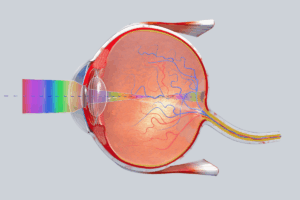
Ocular lymphoma is one among the rare non-Hodgkins lymphoma that dominantly affects the eyes. It is the type of non-Hodgkin’s lymphoma that starts through the eyes. It is a niche of extranodal lymphoma which are different from internal types of lymphomas that arise within the lymph nodes. This type of eye lymphoma may be of B or T-cell origin and may affect different eye structures, such as the retina vitreous, choroid or the optic nerve. Most frequent lymphoma subtype is the one called primary vitreoretinal lymphoma is affecting a large part of vitreous humor and a retina. There is no known causes of ocular lymphoma. Then may be the risks and connections are unknown. Ittends to affect more of those people with immunocompromised situations or weakened immune systems than other groups of the population for example people living with HIV or in the cases of organ transplant recipients.
Epidemiology
Ocular lymphoma occurs less frequently in younger persons but is more common in those over 50. It’s frequency varies depending on the geographical regions. Eye lymphoma occur either as a primary ocular lymphoma or as a secondary association with a systemic lymphoma in its course. Risk manifestations and expression may be particular for certain ethnic groupssuch as primary vitreoretinal lymphoma seen more frequently in a Caucasian regions.
Anatomy
Pathophysiology
Infiltration Theory: The subtype venous adult ocular lymphoma arises when lymphoma cells from the blood-forming tissues or invade the lymphatic vessels. Immune Dysfunction: Recognize who are having immune system problems especially those related to surveillance and regulation that is often associated with ocular lymphoma adults or children living with immunosuppression conditions such as HIV/AIDS or those who are undergoing an organ transplant. Genetic Alterations: Ocular lymphoma is characterized by repeated gene mutation and alteration of chromosome which ultimately cause imbalance in cell growth and too many damaged cells. Such as BCL6 and MYC that influence the gene changes. Microenvironment Factors: Fibers in the eye region which are surrounding lymphoma for example: inflammation and tumor cell interactions support the tumor’s progression and survival.
Etiology
Immune Dysfunction: Immune system problems are causes of eye lymphoma. The body keeps the immune system in balance: immune deficiency or immunosuppressive therapies or HIV/AIDS increase risk because immune function gets impaired and lymphocytes grow in the eye. Infectious Agents: Some viruses such as EBV may basically lead to ocular lymphoma formation by chronic inflammation or by functioning improperly with lymphocytes. Genetic Factors: Genetic changes such as the MYC and/or BCL6 gene mutation lead to uncontrolled growth of the lymphocytes in the eye that accounts for the established ocular lymphoma cases. Chronic Antigen Stimulation: The continued contact of lymphocytes to the eye antigens is high in prolonged uveitis where they might be activated and fostered to develop into lymphoma. Environmental Factors: The possible carcinogenic effect of chemical agents such as pesticides solvents and many others in the development of this cancer is not fully understood but there is a strong link between environmental exposure and ocular lymphoma.
Genetics
Prognostic Factors
Disease type influences prognosis, with primary vitreoretinal lymphoma generally having a better prognosis than primary intraocular lymphoma.
Bilateral involvement indicates a worse prognosis than unilateral disease, often suggesting a more advanced stage and systemic involvement.
The extent of systemic spread in secondary ocular lymphoma influences prognosis.
Treatment response including chemotherapy and immunotherapy affects prognosis with complete remission indicating a better prognosis.
Clinical History
Age Group: Ocular lymphoma can affect individuals of any age but it is more commonly diagnosed in older adults particularly those over 50.
Physical Examination
Visual Acuity Testing
External Eye Examination
Slit-Lamp Examination
Fundus Examination
Intraocular Pressure Measurement
Pupil Examination
Visual Field Testing
Age group
Associated comorbidity
Immunocompromised individuals
HIV/AIDS
Elderly individuals
Associated activity
Acuity of presentation
Ocular lymphoma can manifest with varying degrees of acuity. Sometimes it starts slowly, with mild symptoms that get worse over time. Visual disturbances such floaters hazy vision or poor visual acuity may affect patients.
Differential Diagnoses
The differential diagnosis of ocular lymphoma are:
Uveitis
Retinal Detachment
Retinal Vasculitis
Choroidal Melanoma
Ocular Metastasis
Ocular Toxoplasmosis
Ocular Sarcoidosis
Laboratory Studies
Imaging Studies
Procedures
Histologic Findings
Staging
Treatment Paradigm
The different phases and components of the management of ocular lymphoma:
Diagnosis and Staging:
A thorough evaluation, including a detailed medical history, physical examination, and specialized eye tests, is performed to establish the diagnosis of ocular lymphoma and determine the stage of the disease.
Staging may involve imaging studies, such as magnetic resonance imaging (MRI), computed tomography (CT), or positron emission tomography (PET) scans, to assess the extent of involvement within the eye and potential spread to other parts of the body.
Localized Treatment:
For localized ocular lymphoma, treatment may involve radiation therapy or localized chemotherapy.
Radiation therapy employs X-rays or other forms of high-energy radiation to eradicate cancer cells.
Localized chemotherapy involves directly delivering chemotherapy drugs to the affected area, often using injections or intraocular implants.
Systemic Treatment:
For cases with more advanced or systemic involvement, systemic chemotherapy, immunotherapy, or targeted therapy may be administered.
Systemic chemotherapy involves using drugs circulating throughout the body to target and eliminate cancer cells.
Immunotherapy stimulates the body’s immune system to recognize and destroy cancer cells.
Targeted therapy uses medications that specifically target and inhibit molecular pathways involved in cancer growth.
Ocular Surface Management:
Dryness and pain caused by ocular lymphoma or its treatment may be alleviated with the use of lubricating drops for the eyes or ointments.In some cases, punctual plugs (small devices inserted into the tear ducts) may help retain tears and improve lubrication.
Ongoing Monitoring and Follow-up:
Regular follow-up visits with an ophthalmologist or ocular oncologist are essential to monitor the response to treatment, assess disease progression, and manage any side effects or complications.
Imaging studies, such as MRI or CT scans, may be performed periodically to evaluate the effectiveness of treatment and detect any recurrence or spread of lymphoma.
Lighting and Glare Reduction: A source of light can cause discomfort to those who have ocular lymphoma as it is more reactive to light. Implementing lighting installation into the premise of their place by using subtle reflexive lighting or adjustable blinds among others can either help or aggravate the discomfort. Eye Protection: Sunglasses or other protective eyewear may be prescribed to protect eyes from bright sunlight for folks with delicate eyes. People who have light sensitivity may find this particularly helpful. Temperature Control: The central areas of the greenhouse such as living and treatment places should have a warm and stable temperature as it is a major consideration. Extremely hot or cold weathers can negatively affect peoples’ comfort levels and in fact; worsen symptoms. Noise Reduction: An important invoice of creating serene and peaceful surrounding is to allow people during treatment. This noise reduction will lead to the atmosphere of peacefulness which is more suitable to those suffering often from headache or unpleasant sensations. Workspace Modification: If the individual would wish to work during a recovery then it is recommended to change his organisational space.
Use of Chemotherapy drugs
Methotrexate: This drug belongs to the class of chemotherapy agents used frequently to treat ocular lymphoma. It functions in a way that prevents cancer cells from overgrowing.
Use of Monoclonal Antibodies
Rituximab: Rituximab is a monoclonal antibody that selectively binds to CD20 antigen on B cells, which also contain neoplastic cells in 90% of lymphoma patients. It is also recommended for solving the cases that are either alone or along with the chemotherapy.
Vitrectomy: Vitrectomy is a surgical procedure which involves removal of the vitreous gel as it exists inside it. Use of the biopsy technique is done as a part of the diagnostic process or due to PIOL. Radiotherapy: Radiation is the therapy of choice which may be used to directly target the lymphoma cells in the eye and the neighbouring structures. Ocular Surface Surgery: Lymphoma may affect conjunctiva and other ocular surface, for these problems ocular surface surgeries are performed.
use-of-phases-in-managing-ocular-lymphoma
Diagnosis Phase: The optical examination and the medical history are carried out by an ophthalmologist to objective the symptoms. The potential risk factors are considered as well. Staging Phase: If ocular lymphoma is confirmed the staging diagnostic methods are carried out that support the determination of the disease. The processes utilized could be in the form of spinal tap, neuro imaging together with bone marrow biopsy. Chemotherapy: Complete body chemotherapy which is rich of drugs such as high-dose methotrexate and rituximab may be carried out. Intraocular Chemotherapy: For primary intra-ocular lymphoma the font of intravitreal drug delivery can be injected.
Ocular lymphoma is one among the rare non-Hodgkins lymphoma that dominantly affects the eyes. It is the type of non-Hodgkin’s lymphoma that starts through the eyes. It is a niche of extranodal lymphoma which are different from internal types of lymphomas that arise within the lymph nodes. This type of eye lymphoma may be of B or T-cell origin and may affect different eye structures, such as the retina vitreous, choroid or the optic nerve. Most frequent lymphoma subtype is the one called primary vitreoretinal lymphoma is affecting a large part of vitreous humor and a retina. There is no known causes of ocular lymphoma. Then may be the risks and connections are unknown. Ittends to affect more of those people with immunocompromised situations or weakened immune systems than other groups of the population for example people living with HIV or in the cases of organ transplant recipients.
Ocular lymphoma occurs less frequently in younger persons but is more common in those over 50. It’s frequency varies depending on the geographical regions. Eye lymphoma occur either as a primary ocular lymphoma or as a secondary association with a systemic lymphoma in its course. Risk manifestations and expression may be particular for certain ethnic groupssuch as primary vitreoretinal lymphoma seen more frequently in a Caucasian regions.
Infiltration Theory: The subtype venous adult ocular lymphoma arises when lymphoma cells from the blood-forming tissues or invade the lymphatic vessels. Immune Dysfunction: Recognize who are having immune system problems especially those related to surveillance and regulation that is often associated with ocular lymphoma adults or children living with immunosuppression conditions such as HIV/AIDS or those who are undergoing an organ transplant. Genetic Alterations: Ocular lymphoma is characterized by repeated gene mutation and alteration of chromosome which ultimately cause imbalance in cell growth and too many damaged cells. Such as BCL6 and MYC that influence the gene changes. Microenvironment Factors: Fibers in the eye region which are surrounding lymphoma for example: inflammation and tumor cell interactions support the tumor’s progression and survival.
Immune Dysfunction: Immune system problems are causes of eye lymphoma. The body keeps the immune system in balance: immune deficiency or immunosuppressive therapies or HIV/AIDS increase risk because immune function gets impaired and lymphocytes grow in the eye. Infectious Agents: Some viruses such as EBV may basically lead to ocular lymphoma formation by chronic inflammation or by functioning improperly with lymphocytes. Genetic Factors: Genetic changes such as the MYC and/or BCL6 gene mutation lead to uncontrolled growth of the lymphocytes in the eye that accounts for the established ocular lymphoma cases. Chronic Antigen Stimulation: The continued contact of lymphocytes to the eye antigens is high in prolonged uveitis where they might be activated and fostered to develop into lymphoma. Environmental Factors: The possible carcinogenic effect of chemical agents such as pesticides solvents and many others in the development of this cancer is not fully understood but there is a strong link between environmental exposure and ocular lymphoma.
Disease type influences prognosis, with primary vitreoretinal lymphoma generally having a better prognosis than primary intraocular lymphoma.
Bilateral involvement indicates a worse prognosis than unilateral disease, often suggesting a more advanced stage and systemic involvement.
The extent of systemic spread in secondary ocular lymphoma influences prognosis.
Treatment response including chemotherapy and immunotherapy affects prognosis with complete remission indicating a better prognosis.
Age Group: Ocular lymphoma can affect individuals of any age but it is more commonly diagnosed in older adults particularly those over 50.
Visual Acuity Testing
External Eye Examination
Slit-Lamp Examination
Fundus Examination
Intraocular Pressure Measurement
Pupil Examination
Visual Field Testing
Immunocompromised individuals
HIV/AIDS
Elderly individuals
Ocular lymphoma can manifest with varying degrees of acuity. Sometimes it starts slowly, with mild symptoms that get worse over time. Visual disturbances such floaters hazy vision or poor visual acuity may affect patients.
The differential diagnosis of ocular lymphoma are:
Uveitis
Retinal Detachment
Retinal Vasculitis
Choroidal Melanoma
Ocular Metastasis
Ocular Toxoplasmosis
Ocular Sarcoidosis
The different phases and components of the management of ocular lymphoma:
Diagnosis and Staging:
A thorough evaluation, including a detailed medical history, physical examination, and specialized eye tests, is performed to establish the diagnosis of ocular lymphoma and determine the stage of the disease.
Staging may involve imaging studies, such as magnetic resonance imaging (MRI), computed tomography (CT), or positron emission tomography (PET) scans, to assess the extent of involvement within the eye and potential spread to other parts of the body.
Localized Treatment:
For localized ocular lymphoma, treatment may involve radiation therapy or localized chemotherapy.
Radiation therapy employs X-rays or other forms of high-energy radiation to eradicate cancer cells.
Localized chemotherapy involves directly delivering chemotherapy drugs to the affected area, often using injections or intraocular implants.
Systemic Treatment:
For cases with more advanced or systemic involvement, systemic chemotherapy, immunotherapy, or targeted therapy may be administered.
Systemic chemotherapy involves using drugs circulating throughout the body to target and eliminate cancer cells.
Immunotherapy stimulates the body’s immune system to recognize and destroy cancer cells.
Targeted therapy uses medications that specifically target and inhibit molecular pathways involved in cancer growth.
Ocular Surface Management:
Dryness and pain caused by ocular lymphoma or its treatment may be alleviated with the use of lubricating drops for the eyes or ointments.In some cases, punctual plugs (small devices inserted into the tear ducts) may help retain tears and improve lubrication.
Ongoing Monitoring and Follow-up:
Regular follow-up visits with an ophthalmologist or ocular oncologist are essential to monitor the response to treatment, assess disease progression, and manage any side effects or complications.
Imaging studies, such as MRI or CT scans, may be performed periodically to evaluate the effectiveness of treatment and detect any recurrence or spread of lymphoma.
Hematology
Ophthalmology
Lighting and Glare Reduction: A source of light can cause discomfort to those who have ocular lymphoma as it is more reactive to light. Implementing lighting installation into the premise of their place by using subtle reflexive lighting or adjustable blinds among others can either help or aggravate the discomfort. Eye Protection: Sunglasses or other protective eyewear may be prescribed to protect eyes from bright sunlight for folks with delicate eyes. People who have light sensitivity may find this particularly helpful. Temperature Control: The central areas of the greenhouse such as living and treatment places should have a warm and stable temperature as it is a major consideration. Extremely hot or cold weathers can negatively affect peoples’ comfort levels and in fact; worsen symptoms. Noise Reduction: An important invoice of creating serene and peaceful surrounding is to allow people during treatment. This noise reduction will lead to the atmosphere of peacefulness which is more suitable to those suffering often from headache or unpleasant sensations. Workspace Modification: If the individual would wish to work during a recovery then it is recommended to change his organisational space.
Oncology, Other
Ophthalmology
Methotrexate: This drug belongs to the class of chemotherapy agents used frequently to treat ocular lymphoma. It functions in a way that prevents cancer cells from overgrowing.
Oncology, Other
Ophthalmology
Rituximab: Rituximab is a monoclonal antibody that selectively binds to CD20 antigen on B cells, which also contain neoplastic cells in 90% of lymphoma patients. It is also recommended for solving the cases that are either alone or along with the chemotherapy.
Oncology, Radiation
Ophthalmology
Vitrectomy: Vitrectomy is a surgical procedure which involves removal of the vitreous gel as it exists inside it. Use of the biopsy technique is done as a part of the diagnostic process or due to PIOL. Radiotherapy: Radiation is the therapy of choice which may be used to directly target the lymphoma cells in the eye and the neighbouring structures. Ocular Surface Surgery: Lymphoma may affect conjunctiva and other ocular surface, for these problems ocular surface surgeries are performed.
Ophthalmology
Physical Medicine and Rehabilitation
Diagnosis Phase: The optical examination and the medical history are carried out by an ophthalmologist to objective the symptoms. The potential risk factors are considered as well. Staging Phase: If ocular lymphoma is confirmed the staging diagnostic methods are carried out that support the determination of the disease. The processes utilized could be in the form of spinal tap, neuro imaging together with bone marrow biopsy. Chemotherapy: Complete body chemotherapy which is rich of drugs such as high-dose methotrexate and rituximab may be carried out. Intraocular Chemotherapy: For primary intra-ocular lymphoma the font of intravitreal drug delivery can be injected.
Ocular lymphoma is one among the rare non-Hodgkins lymphoma that dominantly affects the eyes. It is the type of non-Hodgkin’s lymphoma that starts through the eyes. It is a niche of extranodal lymphoma which are different from internal types of lymphomas that arise within the lymph nodes. This type of eye lymphoma may be of B or T-cell origin and may affect different eye structures, such as the retina vitreous, choroid or the optic nerve. Most frequent lymphoma subtype is the one called primary vitreoretinal lymphoma is affecting a large part of vitreous humor and a retina. There is no known causes of ocular lymphoma. Then may be the risks and connections are unknown. Ittends to affect more of those people with immunocompromised situations or weakened immune systems than other groups of the population for example people living with HIV or in the cases of organ transplant recipients.
Ocular lymphoma occurs less frequently in younger persons but is more common in those over 50. It’s frequency varies depending on the geographical regions. Eye lymphoma occur either as a primary ocular lymphoma or as a secondary association with a systemic lymphoma in its course. Risk manifestations and expression may be particular for certain ethnic groupssuch as primary vitreoretinal lymphoma seen more frequently in a Caucasian regions.
Infiltration Theory: The subtype venous adult ocular lymphoma arises when lymphoma cells from the blood-forming tissues or invade the lymphatic vessels. Immune Dysfunction: Recognize who are having immune system problems especially those related to surveillance and regulation that is often associated with ocular lymphoma adults or children living with immunosuppression conditions such as HIV/AIDS or those who are undergoing an organ transplant. Genetic Alterations: Ocular lymphoma is characterized by repeated gene mutation and alteration of chromosome which ultimately cause imbalance in cell growth and too many damaged cells. Such as BCL6 and MYC that influence the gene changes. Microenvironment Factors: Fibers in the eye region which are surrounding lymphoma for example: inflammation and tumor cell interactions support the tumor’s progression and survival.
Immune Dysfunction: Immune system problems are causes of eye lymphoma. The body keeps the immune system in balance: immune deficiency or immunosuppressive therapies or HIV/AIDS increase risk because immune function gets impaired and lymphocytes grow in the eye. Infectious Agents: Some viruses such as EBV may basically lead to ocular lymphoma formation by chronic inflammation or by functioning improperly with lymphocytes. Genetic Factors: Genetic changes such as the MYC and/or BCL6 gene mutation lead to uncontrolled growth of the lymphocytes in the eye that accounts for the established ocular lymphoma cases. Chronic Antigen Stimulation: The continued contact of lymphocytes to the eye antigens is high in prolonged uveitis where they might be activated and fostered to develop into lymphoma. Environmental Factors: The possible carcinogenic effect of chemical agents such as pesticides solvents and many others in the development of this cancer is not fully understood but there is a strong link between environmental exposure and ocular lymphoma.
Disease type influences prognosis, with primary vitreoretinal lymphoma generally having a better prognosis than primary intraocular lymphoma.
Bilateral involvement indicates a worse prognosis than unilateral disease, often suggesting a more advanced stage and systemic involvement.
The extent of systemic spread in secondary ocular lymphoma influences prognosis.
Treatment response including chemotherapy and immunotherapy affects prognosis with complete remission indicating a better prognosis.
Age Group: Ocular lymphoma can affect individuals of any age but it is more commonly diagnosed in older adults particularly those over 50.
Visual Acuity Testing
External Eye Examination
Slit-Lamp Examination
Fundus Examination
Intraocular Pressure Measurement
Pupil Examination
Visual Field Testing
Immunocompromised individuals
HIV/AIDS
Elderly individuals
Ocular lymphoma can manifest with varying degrees of acuity. Sometimes it starts slowly, with mild symptoms that get worse over time. Visual disturbances such floaters hazy vision or poor visual acuity may affect patients.
The differential diagnosis of ocular lymphoma are:
Uveitis
Retinal Detachment
Retinal Vasculitis
Choroidal Melanoma
Ocular Metastasis
Ocular Toxoplasmosis
Ocular Sarcoidosis
The different phases and components of the management of ocular lymphoma:
Diagnosis and Staging:
A thorough evaluation, including a detailed medical history, physical examination, and specialized eye tests, is performed to establish the diagnosis of ocular lymphoma and determine the stage of the disease.
Staging may involve imaging studies, such as magnetic resonance imaging (MRI), computed tomography (CT), or positron emission tomography (PET) scans, to assess the extent of involvement within the eye and potential spread to other parts of the body.
Localized Treatment:
For localized ocular lymphoma, treatment may involve radiation therapy or localized chemotherapy.
Radiation therapy employs X-rays or other forms of high-energy radiation to eradicate cancer cells.
Localized chemotherapy involves directly delivering chemotherapy drugs to the affected area, often using injections or intraocular implants.
Systemic Treatment:
For cases with more advanced or systemic involvement, systemic chemotherapy, immunotherapy, or targeted therapy may be administered.
Systemic chemotherapy involves using drugs circulating throughout the body to target and eliminate cancer cells.
Immunotherapy stimulates the body’s immune system to recognize and destroy cancer cells.
Targeted therapy uses medications that specifically target and inhibit molecular pathways involved in cancer growth.
Ocular Surface Management:
Dryness and pain caused by ocular lymphoma or its treatment may be alleviated with the use of lubricating drops for the eyes or ointments.In some cases, punctual plugs (small devices inserted into the tear ducts) may help retain tears and improve lubrication.
Ongoing Monitoring and Follow-up:
Regular follow-up visits with an ophthalmologist or ocular oncologist are essential to monitor the response to treatment, assess disease progression, and manage any side effects or complications.
Imaging studies, such as MRI or CT scans, may be performed periodically to evaluate the effectiveness of treatment and detect any recurrence or spread of lymphoma.
Hematology
Ophthalmology
Lighting and Glare Reduction: A source of light can cause discomfort to those who have ocular lymphoma as it is more reactive to light. Implementing lighting installation into the premise of their place by using subtle reflexive lighting or adjustable blinds among others can either help or aggravate the discomfort. Eye Protection: Sunglasses or other protective eyewear may be prescribed to protect eyes from bright sunlight for folks with delicate eyes. People who have light sensitivity may find this particularly helpful. Temperature Control: The central areas of the greenhouse such as living and treatment places should have a warm and stable temperature as it is a major consideration. Extremely hot or cold weathers can negatively affect peoples’ comfort levels and in fact; worsen symptoms. Noise Reduction: An important invoice of creating serene and peaceful surrounding is to allow people during treatment. This noise reduction will lead to the atmosphere of peacefulness which is more suitable to those suffering often from headache or unpleasant sensations. Workspace Modification: If the individual would wish to work during a recovery then it is recommended to change his organisational space.
Oncology, Other
Ophthalmology
Methotrexate: This drug belongs to the class of chemotherapy agents used frequently to treat ocular lymphoma. It functions in a way that prevents cancer cells from overgrowing.
Oncology, Other
Ophthalmology
Rituximab: Rituximab is a monoclonal antibody that selectively binds to CD20 antigen on B cells, which also contain neoplastic cells in 90% of lymphoma patients. It is also recommended for solving the cases that are either alone or along with the chemotherapy.
Oncology, Radiation
Ophthalmology
Vitrectomy: Vitrectomy is a surgical procedure which involves removal of the vitreous gel as it exists inside it. Use of the biopsy technique is done as a part of the diagnostic process or due to PIOL. Radiotherapy: Radiation is the therapy of choice which may be used to directly target the lymphoma cells in the eye and the neighbouring structures. Ocular Surface Surgery: Lymphoma may affect conjunctiva and other ocular surface, for these problems ocular surface surgeries are performed.
Ophthalmology
Physical Medicine and Rehabilitation
Diagnosis Phase: The optical examination and the medical history are carried out by an ophthalmologist to objective the symptoms. The potential risk factors are considered as well. Staging Phase: If ocular lymphoma is confirmed the staging diagnostic methods are carried out that support the determination of the disease. The processes utilized could be in the form of spinal tap, neuro imaging together with bone marrow biopsy. Chemotherapy: Complete body chemotherapy which is rich of drugs such as high-dose methotrexate and rituximab may be carried out. Intraocular Chemotherapy: For primary intra-ocular lymphoma the font of intravitreal drug delivery can be injected.
Both our subscription plans include Free CME/CPD AMA PRA Category 1 credits.
Digital Certificate PDF
On course completion, you will receive a full-sized presentation quality digital certificate.
medtigo Simulation
A dynamic medical simulation platform designed to train healthcare professionals and students to effectively run code situations through an immersive hands-on experience in a live, interactive 3D environment.
medtigo Points
medtigo points is our unique point redemption system created to award users for interacting on our site. These points can be redeemed for special discounts on the medtigo marketplace as well as towards the membership cost itself.
Community Forum post/reply = 5 points
*Redemption of points can occur only through the medtigo marketplace, courses, or simulation system. Money will not be credited to your bank account. 10 points = $1.
All Your Certificates in One Place
When you have your licenses, certificates and CMEs in one place, it's easier to track your career growth. You can easily share these with hospitals as well, using your medtigo app.