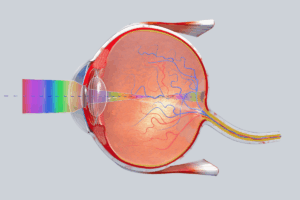
World’s First Human Implant of a 3D-Printed Cornea Restores Sight
December 15, 2025






Background
Congenital encephalocele is a type of birth defect. It happens when brain tissue sticks out through an opening in the skull. This problem develops early in pregnancy when the neural tube doesn’t close right. The neural tube is the start of the brain and spinal cord. We don’t fully know why encephaloceles form. But genetics and environment likely play a role. Gene mutations and chromosome issues are linked to some cases. Poor nutrition, toxins, and infections during pregnancy may also cause them. Encephaloceles can appear in different skull areas – occipital, frontal, sincipital, or parietal. How severe the symptoms are depends on the size and location of the brain tissue poking out.
Epidemiology
Primary encephalocele is a rare birth defect. It happens when part of the brain or membranes stick out through an opening in the skull. Worldwide, about 1 to 4 babies in 10,000 are born with this condition. However, rates can differ a lot between countries and groups. Studies show higher rates in Native American, Hispanic, and Asian populations compared to others. Both boys and girls can get encephalocele, but some research suggests it’s a bit more common in males. Where on the head the defect occurs also varies. Most cases involve the back of the head (occipital encephalocele). Frontal, sincipital, and parietal types are less frequent.
Anatomy
Pathophysiology
Primary encephalocele is a neural tube defect. Neural tube defects happen when the embryo’s neural tube doesn’t close properly. The neural tube forms the brain and spinal cord. With encephalocele, part of the brain sticks out of the skull. Genes play a role in encephalocele. Certain gene mutations and chromosome issues make neural tube defects more likely. They disrupt how the neural tube closes. Environmental factors like teratogens (substances that cause birth defects) and nutritional deficiencies also contribute. Problems with skull bone development can cause encephalocele too. Plus, the brain protrusion affects pressure inside the skull. It may block cerebrospinal fluid flow, leading to hydrocephalus (fluid buildup in the brain). Altered intracranial pressure impacts brain growth and function further.
Etiology
Encephalocele forms when genes are mutated or chromosomes aren’t right. These issues mess up how the neural tube and face develop. Environmental stuff like medicines, alcohol, smoking, certain infections during pregnancy could also raise chances. Not getting enough folic acid (a vitamin) is linked to neural tube problems, including encephalocele. Poorly managed diabetes when moms are pregnant might cause neural tube defects too. Being overweight could play a role since related things like inflammation may be involved.
Genetics
Prognostic Factors
The size and where the encephalocele is located are super important for understanding how things will turn out. Big ones or ones affecting major brain parts often mean more neurological issues and worse outcomes. Also, brain abnormalities like malformations or hydrocephalus can make the prognosis trickier by causing extra neurological problems. How the baby’s muscle tone and seizures are at birth is telling too – normal tone and no seizures usually equals a better prognosis. Other congenital conditions or genetic syndromes can impact how things go by affecting overall health and development. Early diagnosis and treatment are key for better outcomes, since prompt surgery and tackling issues like hydrocephalus can minimize complications. How successful the surgery itself is, like the surgical team’s expertise, when it’s done, and completely closing it without infection, majorly influences the prognosis.
Clinical History
An encephalocele is a rare birth defect involving protrusion of brain tissue and membranes through an opening in the skull. Often detected during ultrasound scans before birth, or right after delivery. The malformation can arise anywhere on the head – occipital (back), frontal (forehead), parietal (sides), even nasal regions. Some are tiny defects, others are sizable bulges, containing parts of the actual brain matter herniating outside.
Physical Examination
When looking at a patient, pay close notice to the head and face areas. Look out for sac-like bulges, these are encephaloceles – brain tissue sticking out. Note their size, where they are, and how far they go. Check the cranial nerves too, as encephaloceles can mess with those. Test vision sharpness, pupil reactions, eye movements, facial feeling and motion, hearing ability, and swallowing skills. These checks show if any cranial nerves aren’t working right. Do a full nervous system exam as well. Check muscle control, reflexes, muscle stiffness, and coordination. Encephaloceles can delay development or cause nerve issues depending on size and location. Finally, look for other problems like water on the brain, spine issues, or face deformities. These often happen alongside encephaloceles. Examine thoroughly for any related conditions.
Age group
Associated comorbidity
Major issues linked to primary encephaloceles depend upon spot and intensity. In many cases, hydrocephalus occurs (brain fluid buildup). Also often present: thinking or growth disabilities, seizures, and motor, vision, or facial/cranial problems. But sometimes, few restrictions exist if the defect is minor and located in certain areas.
Associated activity
Acuity of presentation
Encephaloceles sometimes appear when a baby’s born. You’ll see a sac bulging on their face or head. Other times, they’re tiny. The doctors might discover them during a prenatal ultrasound scan. So encephaloceles can be obvious. Or they can be subtle and require medical imaging to detect.
Differential Diagnoses
Meningocele is a birth defect. The membranes covering the brain and spinal cord protrude through an opening in the skull. However, brain tissue does not protrude. Doctors must distinguish meningocele from encephalocele for proper treatment and prognosis. Another condition, dermal sinus tract, presents as a tube-like connection between the skin and spinal canal. Often, a midline skin opening or dimple marks this condition. Doctors need brain imaging to differentiate it from encephalocele. Dermoid and epidermoid cysts are benign tumors in the midline of the skull or face. Accurate diagnosis requires neuroimaging to tell them apart from encephalocele. Craniosynostosis and congenital brain tumors like teratomas may also mimic encephalocele. Detailed imaging and clinical evaluation help differentiate them from encephalocele.
Laboratory Studies
Imaging Studies
Procedures
Histologic Findings
Staging
Treatment Paradigm
by Stage
by Modality
Chemotherapy
Radiation Therapy
Surgical Interventions
Hormone Therapy
Immunotherapy
Hyperthermia
Photodynamic Therapy
Stem Cell Transplant
Targeted Therapy
Palliative Care
use-of-non-pharmacological-approach-for-treating-primary-congenital-encephalocele
Non-pharmacological therapy for Primary (congenital) encephalocele primarily involves surgical intervention and supportive care. The mainstay of treatment is a surgical repair to correct the skull and dural defects and reposition or remove any herniated brain tissue.
Supportive care may include the following:
Role of hydrocephalus management
The administration of pharmaceutical agents in treating primary (congenital) encephalocele primarily focuses on managing associated symptoms and complications rather than directly addressing the encephalocele itself.
In primary (congenital) encephalocele, a skull defect often coincides with associated conditions such as hydrocephalus. Hydrocephalus is characterized by cerebrospinal fluid (CSF) accumulation within the brain, resulting in increased intracranial pressure.
The management of hydrocephalus plays a crucial role in the overall treatment of primary encephalocele. Here are the critical aspects of hydrocephalus management in primary encephalocele:
acetazolamide (Diamox):
It is a carbonic anhydrase inhibitor that reduces the production of CSF, thereby helping to lower ICP. It is often used in combination with other treatments for hydrocephalus.
furosemide (Lasix):
It is a loop diuretic that promotes sodium and water excretion from the body. It can be used to reduce fluid volume and manage associated symptoms of hydrocephalus.
Role of surgical intervention based on the location and structure of encephalocele
Patients with hydrocephalus typically undergo ventriculoperitoneal (VP) shunt placement before encephalocele repair to prevent postoperative CSF leaks.
For sincipital encephaloceles, complete surgical repair includes:
Resection of the herniated mass.
Repair of the dural and cranial defect and
Correction of associated craniofacial abnormalities such as hypertelorism.
Basal encephaloceles require prompt surgical repair due to the high prevalence of meningitis. Reconstruction of the skull and dural defect is crucial to prevent meningitis. The surgical approach for basal encephaloceles may be transcranial, transpalatal, endonasal, or a combination of these approaches.
In cases of occipital encephaloceles, surgical management depends on the type of neural tissue involved. Gliotic tissue is typically transected flush with the skull while attempts are made to preserve normal brain tissue.
Techniques such as expansion cranioplasty or ventricular volume reduction may be employed to accommodate herniated neural tissues and promote repositioning of the brain.
Parietal encephaloceles without viable neural structures can be amputated at the minor cranial defect. The sinus should not be disrupted in cases with a fenestrated sagittal sinus. Large parietal encephaloceles may require cranial expansion for repair if there is a substantial normal brain within the encephalocele.
However, in giant encephaloceles with associated microcephaly and limited cerebral function, amputation of the herniated brain may be necessary for nursing purposes.
use-of-intervention-with-a-procedure-in-treating-primary-congenital-encephalocele
Primary (congenital) encephalocele treatment often involves a surgical intervention to repair the cranial defect and address any associated complications. The specific procedure may vary depending on the location and severity of the encephalocele. Here are some commonly used surgical interventions:
use-of-phases-in-managing-primary-congenital-encephalocele
Managing primary (congenital) encephalocele typically involves different phases of treatment aimed at providing comprehensive care. Here is an overview of the treatment phases involved in the management of primary encephalocele:
Medication
Future Trends
References
Encephalocele–a single institution African experience: pubmed.ncbi.nlm.nih
Describing the Prevalence of Neural Tube Defects .ncbi.nlm.nih
A randomized trial of prenatal versus .ncbi.nlm.nih
Development of the vertebrate central nervous system:pubmed.ncbi.nlm.nih
Congenital craniofacial anomalies of ophthalmic: pubmed.ncbi.nlm.nih
Congenital encephalocele is a type of birth defect. It happens when brain tissue sticks out through an opening in the skull. This problem develops early in pregnancy when the neural tube doesn’t close right. The neural tube is the start of the brain and spinal cord. We don’t fully know why encephaloceles form. But genetics and environment likely play a role. Gene mutations and chromosome issues are linked to some cases. Poor nutrition, toxins, and infections during pregnancy may also cause them. Encephaloceles can appear in different skull areas – occipital, frontal, sincipital, or parietal. How severe the symptoms are depends on the size and location of the brain tissue poking out.
Primary encephalocele is a rare birth defect. It happens when part of the brain or membranes stick out through an opening in the skull. Worldwide, about 1 to 4 babies in 10,000 are born with this condition. However, rates can differ a lot between countries and groups. Studies show higher rates in Native American, Hispanic, and Asian populations compared to others. Both boys and girls can get encephalocele, but some research suggests it’s a bit more common in males. Where on the head the defect occurs also varies. Most cases involve the back of the head (occipital encephalocele). Frontal, sincipital, and parietal types are less frequent.
Primary encephalocele is a neural tube defect. Neural tube defects happen when the embryo’s neural tube doesn’t close properly. The neural tube forms the brain and spinal cord. With encephalocele, part of the brain sticks out of the skull. Genes play a role in encephalocele. Certain gene mutations and chromosome issues make neural tube defects more likely. They disrupt how the neural tube closes. Environmental factors like teratogens (substances that cause birth defects) and nutritional deficiencies also contribute. Problems with skull bone development can cause encephalocele too. Plus, the brain protrusion affects pressure inside the skull. It may block cerebrospinal fluid flow, leading to hydrocephalus (fluid buildup in the brain). Altered intracranial pressure impacts brain growth and function further.
Encephalocele forms when genes are mutated or chromosomes aren’t right. These issues mess up how the neural tube and face develop. Environmental stuff like medicines, alcohol, smoking, certain infections during pregnancy could also raise chances. Not getting enough folic acid (a vitamin) is linked to neural tube problems, including encephalocele. Poorly managed diabetes when moms are pregnant might cause neural tube defects too. Being overweight could play a role since related things like inflammation may be involved.
The size and where the encephalocele is located are super important for understanding how things will turn out. Big ones or ones affecting major brain parts often mean more neurological issues and worse outcomes. Also, brain abnormalities like malformations or hydrocephalus can make the prognosis trickier by causing extra neurological problems. How the baby’s muscle tone and seizures are at birth is telling too – normal tone and no seizures usually equals a better prognosis. Other congenital conditions or genetic syndromes can impact how things go by affecting overall health and development. Early diagnosis and treatment are key for better outcomes, since prompt surgery and tackling issues like hydrocephalus can minimize complications. How successful the surgery itself is, like the surgical team’s expertise, when it’s done, and completely closing it without infection, majorly influences the prognosis.
An encephalocele is a rare birth defect involving protrusion of brain tissue and membranes through an opening in the skull. Often detected during ultrasound scans before birth, or right after delivery. The malformation can arise anywhere on the head – occipital (back), frontal (forehead), parietal (sides), even nasal regions. Some are tiny defects, others are sizable bulges, containing parts of the actual brain matter herniating outside.
When looking at a patient, pay close notice to the head and face areas. Look out for sac-like bulges, these are encephaloceles – brain tissue sticking out. Note their size, where they are, and how far they go. Check the cranial nerves too, as encephaloceles can mess with those. Test vision sharpness, pupil reactions, eye movements, facial feeling and motion, hearing ability, and swallowing skills. These checks show if any cranial nerves aren’t working right. Do a full nervous system exam as well. Check muscle control, reflexes, muscle stiffness, and coordination. Encephaloceles can delay development or cause nerve issues depending on size and location. Finally, look for other problems like water on the brain, spine issues, or face deformities. These often happen alongside encephaloceles. Examine thoroughly for any related conditions.
Major issues linked to primary encephaloceles depend upon spot and intensity. In many cases, hydrocephalus occurs (brain fluid buildup). Also often present: thinking or growth disabilities, seizures, and motor, vision, or facial/cranial problems. But sometimes, few restrictions exist if the defect is minor and located in certain areas.
Encephaloceles sometimes appear when a baby’s born. You’ll see a sac bulging on their face or head. Other times, they’re tiny. The doctors might discover them during a prenatal ultrasound scan. So encephaloceles can be obvious. Or they can be subtle and require medical imaging to detect.
Meningocele is a birth defect. The membranes covering the brain and spinal cord protrude through an opening in the skull. However, brain tissue does not protrude. Doctors must distinguish meningocele from encephalocele for proper treatment and prognosis. Another condition, dermal sinus tract, presents as a tube-like connection between the skin and spinal canal. Often, a midline skin opening or dimple marks this condition. Doctors need brain imaging to differentiate it from encephalocele. Dermoid and epidermoid cysts are benign tumors in the midline of the skull or face. Accurate diagnosis requires neuroimaging to tell them apart from encephalocele. Craniosynostosis and congenital brain tumors like teratomas may also mimic encephalocele. Detailed imaging and clinical evaluation help differentiate them from encephalocele.
Non-pharmacological therapy for Primary (congenital) encephalocele primarily involves surgical intervention and supportive care. The mainstay of treatment is a surgical repair to correct the skull and dural defects and reposition or remove any herniated brain tissue.
Supportive care may include the following:
The administration of pharmaceutical agents in treating primary (congenital) encephalocele primarily focuses on managing associated symptoms and complications rather than directly addressing the encephalocele itself.
In primary (congenital) encephalocele, a skull defect often coincides with associated conditions such as hydrocephalus. Hydrocephalus is characterized by cerebrospinal fluid (CSF) accumulation within the brain, resulting in increased intracranial pressure.
The management of hydrocephalus plays a crucial role in the overall treatment of primary encephalocele. Here are the critical aspects of hydrocephalus management in primary encephalocele:
acetazolamide (Diamox):
It is a carbonic anhydrase inhibitor that reduces the production of CSF, thereby helping to lower ICP. It is often used in combination with other treatments for hydrocephalus.
furosemide (Lasix):
It is a loop diuretic that promotes sodium and water excretion from the body. It can be used to reduce fluid volume and manage associated symptoms of hydrocephalus.
Patients with hydrocephalus typically undergo ventriculoperitoneal (VP) shunt placement before encephalocele repair to prevent postoperative CSF leaks.
For sincipital encephaloceles, complete surgical repair includes:
Resection of the herniated mass.
Repair of the dural and cranial defect and
Correction of associated craniofacial abnormalities such as hypertelorism.
Basal encephaloceles require prompt surgical repair due to the high prevalence of meningitis. Reconstruction of the skull and dural defect is crucial to prevent meningitis. The surgical approach for basal encephaloceles may be transcranial, transpalatal, endonasal, or a combination of these approaches.
In cases of occipital encephaloceles, surgical management depends on the type of neural tissue involved. Gliotic tissue is typically transected flush with the skull while attempts are made to preserve normal brain tissue.
Techniques such as expansion cranioplasty or ventricular volume reduction may be employed to accommodate herniated neural tissues and promote repositioning of the brain.
Parietal encephaloceles without viable neural structures can be amputated at the minor cranial defect. The sinus should not be disrupted in cases with a fenestrated sagittal sinus. Large parietal encephaloceles may require cranial expansion for repair if there is a substantial normal brain within the encephalocele.
However, in giant encephaloceles with associated microcephaly and limited cerebral function, amputation of the herniated brain may be necessary for nursing purposes.
Primary (congenital) encephalocele treatment often involves a surgical intervention to repair the cranial defect and address any associated complications. The specific procedure may vary depending on the location and severity of the encephalocele. Here are some commonly used surgical interventions:
Managing primary (congenital) encephalocele typically involves different phases of treatment aimed at providing comprehensive care. Here is an overview of the treatment phases involved in the management of primary encephalocele:
Encephalocele–a single institution African experience: pubmed.ncbi.nlm.nih
Describing the Prevalence of Neural Tube Defects .ncbi.nlm.nih
A randomized trial of prenatal versus .ncbi.nlm.nih
Development of the vertebrate central nervous system:pubmed.ncbi.nlm.nih
Congenital craniofacial anomalies of ophthalmic: pubmed.ncbi.nlm.nih

Congenital encephalocele is a type of birth defect. It happens when brain tissue sticks out through an opening in the skull. This problem develops early in pregnancy when the neural tube doesn’t close right. The neural tube is the start of the brain and spinal cord. We don’t fully know why encephaloceles form. But genetics and environment likely play a role. Gene mutations and chromosome issues are linked to some cases. Poor nutrition, toxins, and infections during pregnancy may also cause them. Encephaloceles can appear in different skull areas – occipital, frontal, sincipital, or parietal. How severe the symptoms are depends on the size and location of the brain tissue poking out.
Primary encephalocele is a rare birth defect. It happens when part of the brain or membranes stick out through an opening in the skull. Worldwide, about 1 to 4 babies in 10,000 are born with this condition. However, rates can differ a lot between countries and groups. Studies show higher rates in Native American, Hispanic, and Asian populations compared to others. Both boys and girls can get encephalocele, but some research suggests it’s a bit more common in males. Where on the head the defect occurs also varies. Most cases involve the back of the head (occipital encephalocele). Frontal, sincipital, and parietal types are less frequent.
Primary encephalocele is a neural tube defect. Neural tube defects happen when the embryo’s neural tube doesn’t close properly. The neural tube forms the brain and spinal cord. With encephalocele, part of the brain sticks out of the skull. Genes play a role in encephalocele. Certain gene mutations and chromosome issues make neural tube defects more likely. They disrupt how the neural tube closes. Environmental factors like teratogens (substances that cause birth defects) and nutritional deficiencies also contribute. Problems with skull bone development can cause encephalocele too. Plus, the brain protrusion affects pressure inside the skull. It may block cerebrospinal fluid flow, leading to hydrocephalus (fluid buildup in the brain). Altered intracranial pressure impacts brain growth and function further.
Encephalocele forms when genes are mutated or chromosomes aren’t right. These issues mess up how the neural tube and face develop. Environmental stuff like medicines, alcohol, smoking, certain infections during pregnancy could also raise chances. Not getting enough folic acid (a vitamin) is linked to neural tube problems, including encephalocele. Poorly managed diabetes when moms are pregnant might cause neural tube defects too. Being overweight could play a role since related things like inflammation may be involved.
The size and where the encephalocele is located are super important for understanding how things will turn out. Big ones or ones affecting major brain parts often mean more neurological issues and worse outcomes. Also, brain abnormalities like malformations or hydrocephalus can make the prognosis trickier by causing extra neurological problems. How the baby’s muscle tone and seizures are at birth is telling too – normal tone and no seizures usually equals a better prognosis. Other congenital conditions or genetic syndromes can impact how things go by affecting overall health and development. Early diagnosis and treatment are key for better outcomes, since prompt surgery and tackling issues like hydrocephalus can minimize complications. How successful the surgery itself is, like the surgical team’s expertise, when it’s done, and completely closing it without infection, majorly influences the prognosis.
An encephalocele is a rare birth defect involving protrusion of brain tissue and membranes through an opening in the skull. Often detected during ultrasound scans before birth, or right after delivery. The malformation can arise anywhere on the head – occipital (back), frontal (forehead), parietal (sides), even nasal regions. Some are tiny defects, others are sizable bulges, containing parts of the actual brain matter herniating outside.
When looking at a patient, pay close notice to the head and face areas. Look out for sac-like bulges, these are encephaloceles – brain tissue sticking out. Note their size, where they are, and how far they go. Check the cranial nerves too, as encephaloceles can mess with those. Test vision sharpness, pupil reactions, eye movements, facial feeling and motion, hearing ability, and swallowing skills. These checks show if any cranial nerves aren’t working right. Do a full nervous system exam as well. Check muscle control, reflexes, muscle stiffness, and coordination. Encephaloceles can delay development or cause nerve issues depending on size and location. Finally, look for other problems like water on the brain, spine issues, or face deformities. These often happen alongside encephaloceles. Examine thoroughly for any related conditions.
Major issues linked to primary encephaloceles depend upon spot and intensity. In many cases, hydrocephalus occurs (brain fluid buildup). Also often present: thinking or growth disabilities, seizures, and motor, vision, or facial/cranial problems. But sometimes, few restrictions exist if the defect is minor and located in certain areas.
Encephaloceles sometimes appear when a baby’s born. You’ll see a sac bulging on their face or head. Other times, they’re tiny. The doctors might discover them during a prenatal ultrasound scan. So encephaloceles can be obvious. Or they can be subtle and require medical imaging to detect.
Meningocele is a birth defect. The membranes covering the brain and spinal cord protrude through an opening in the skull. However, brain tissue does not protrude. Doctors must distinguish meningocele from encephalocele for proper treatment and prognosis. Another condition, dermal sinus tract, presents as a tube-like connection between the skin and spinal canal. Often, a midline skin opening or dimple marks this condition. Doctors need brain imaging to differentiate it from encephalocele. Dermoid and epidermoid cysts are benign tumors in the midline of the skull or face. Accurate diagnosis requires neuroimaging to tell them apart from encephalocele. Craniosynostosis and congenital brain tumors like teratomas may also mimic encephalocele. Detailed imaging and clinical evaluation help differentiate them from encephalocele.
Non-pharmacological therapy for Primary (congenital) encephalocele primarily involves surgical intervention and supportive care. The mainstay of treatment is a surgical repair to correct the skull and dural defects and reposition or remove any herniated brain tissue.
Supportive care may include the following:
The administration of pharmaceutical agents in treating primary (congenital) encephalocele primarily focuses on managing associated symptoms and complications rather than directly addressing the encephalocele itself.
In primary (congenital) encephalocele, a skull defect often coincides with associated conditions such as hydrocephalus. Hydrocephalus is characterized by cerebrospinal fluid (CSF) accumulation within the brain, resulting in increased intracranial pressure.
The management of hydrocephalus plays a crucial role in the overall treatment of primary encephalocele. Here are the critical aspects of hydrocephalus management in primary encephalocele:
acetazolamide (Diamox):
It is a carbonic anhydrase inhibitor that reduces the production of CSF, thereby helping to lower ICP. It is often used in combination with other treatments for hydrocephalus.
furosemide (Lasix):
It is a loop diuretic that promotes sodium and water excretion from the body. It can be used to reduce fluid volume and manage associated symptoms of hydrocephalus.
Patients with hydrocephalus typically undergo ventriculoperitoneal (VP) shunt placement before encephalocele repair to prevent postoperative CSF leaks.
For sincipital encephaloceles, complete surgical repair includes:
Resection of the herniated mass.
Repair of the dural and cranial defect and
Correction of associated craniofacial abnormalities such as hypertelorism.
Basal encephaloceles require prompt surgical repair due to the high prevalence of meningitis. Reconstruction of the skull and dural defect is crucial to prevent meningitis. The surgical approach for basal encephaloceles may be transcranial, transpalatal, endonasal, or a combination of these approaches.
In cases of occipital encephaloceles, surgical management depends on the type of neural tissue involved. Gliotic tissue is typically transected flush with the skull while attempts are made to preserve normal brain tissue.
Techniques such as expansion cranioplasty or ventricular volume reduction may be employed to accommodate herniated neural tissues and promote repositioning of the brain.
Parietal encephaloceles without viable neural structures can be amputated at the minor cranial defect. The sinus should not be disrupted in cases with a fenestrated sagittal sinus. Large parietal encephaloceles may require cranial expansion for repair if there is a substantial normal brain within the encephalocele.
However, in giant encephaloceles with associated microcephaly and limited cerebral function, amputation of the herniated brain may be necessary for nursing purposes.
Primary (congenital) encephalocele treatment often involves a surgical intervention to repair the cranial defect and address any associated complications. The specific procedure may vary depending on the location and severity of the encephalocele. Here are some commonly used surgical interventions:
Managing primary (congenital) encephalocele typically involves different phases of treatment aimed at providing comprehensive care. Here is an overview of the treatment phases involved in the management of primary encephalocele:
Encephalocele–a single institution African experience: pubmed.ncbi.nlm.nih
Describing the Prevalence of Neural Tube Defects .ncbi.nlm.nih
A randomized trial of prenatal versus .ncbi.nlm.nih
Development of the vertebrate central nervous system:pubmed.ncbi.nlm.nih
Congenital craniofacial anomalies of ophthalmic: pubmed.ncbi.nlm.nih

Both our subscription plans include Free CME/CPD AMA PRA Category 1 credits.

On course completion, you will receive a full-sized presentation quality digital certificate.
A dynamic medical simulation platform designed to train healthcare professionals and students to effectively run code situations through an immersive hands-on experience in a live, interactive 3D environment.

When you have your licenses, certificates and CMEs in one place, it's easier to track your career growth. You can easily share these with hospitals as well, using your medtigo app.