Proctitis is a case where there is swelling in the rectum lining, the part connecting your colon to anus. It brings pain and other issues. The swelling may happen due to germs like bacteria or viruses causing infections. Or, it may be from fungi or parasites entering your body. You could also get it from sexual diseases that spread easily, including syphilis and gonorrhea; these impact the rectal area greatly.
Epidemiology
Infectious proctitis rates impact certain areas. Its prevalence links to sexually transmitted infections, intimate acts, treatment access. Ulcerative colitis, inflammatory bowel disease type, presents milder rectum inflammation.
Anatomy
Pathophysiology
Radiation therapy aims at treating pelvic cancers but it can harm rectal cells, damaging their DNA. This leads to tissue damage and cell death. Inserting objects or engaging in anal sex can also cause mechanical trauma disrupting tissues. It impacts blood vessels and triggers the release of inflammatory substances. When radiation impacts the body, it directly damages cells. Plus, it produces reactive oxygen species and activates pathways promoting inflammation.
Etiology
When we have pelvic radiation treatment for cancers like colon or cervix, radiation can hit the rectum by mistake. This damages the rectum tissues. Our immune system thinks the rectum tissues are harmful and attacks them. This leads to ongoing inflammation and proctitis.
Genetics
Prognostic Factors
Proctitis impacts prognosis greatly. It can lead to fistulas, abscesses, ulcerations. These complications demand intensive treatment due to persisting symptoms, impairment. Proactive strategies are crucial to tackle these challenges effectively, enhancing patient outcomes.
Clinical History
Age Group:
Sexually active young adults have a high rate of proctitis. This condition often stems from infections, notably those transmitted sexually. Moreover, proctitis caused by physical trauma during anal intimacy or other injuries occurs frequently in this population group.
Physical Examination
Looking at the stomach area is key. This means feeling parts of the belly to find signs of trouble. Things like tenderness, swelling, or lumps could mean gut issues. These could be from inflammatory bowel disease or cancer. Next is the rectal exam. This involves putting a lubricated, gloved finger in the rectum. The goal is to check for tenderness, lumps, rectum tone, and stool. People with proctitis often feel discomfort. An anoscopic exam lets doctors see the rectal lining up close. They can then spot lesions, sores, or areas of inflammation.
Age group
Associated comorbidity
Proctitis can happen with other digestive issues. For example, diverticular disease, GERD, and irritable bowel syndrome. It hurts life quality when it returns or won’t go away. Depression, anxiety, and stress go up. Also, people with radiation proctitis or ulcerative colitis for long time may get colon cancer more likely.
Associated activity
Acuity of presentation
Proctitis is an inflammation of the rectum. Acute cases, triggered by STDs like chlamydia or gonorrhea, bring sudden rectal pain, discharge, and bleeding. On the other hand, chronic proctitis linked to ulcerative colitis has milder symptoms: rectal bleeding and diarrhea. The diverse symptom range highlights proctitis’ varied forms.
Differential Diagnoses
Radiation-induced Proctitis
Autoimmune Disorders
Ischemic Proctitis
Traumatic Proctitis
Ischemic Proctitis
Laboratory Studies
Imaging Studies
Procedures
Histologic Findings
Staging
Treatment Paradigm
Looking into proctitis starts by finding its cause through tests on stool, a look inside the colon and rectum, or scans. Infections, IBD, radiation harm, autoimmune issues, or injuries could be why. Easing symptoms like pain or upset stomach might mean cutting spicy stuff, caffeine, alcohol, and other irritants from your diet.
by Stage
by Modality
Chemotherapy
Radiation Therapy
Surgical Interventions
Hormone Therapy
Immunotherapy
Hyperthermia
Photodynamic Therapy
Stem Cell Transplant
Targeted Therapy
Palliative Care
use-of-non-pharmacological-approach-for-proctitis
Proctitis can make some foods tough. Avoid spicy, caffeinated, alcoholic, dairy, and high-fiberitems. But high-fiber foods help regular bowel moves. Stay hydrated with lots of water to soften stool. After bowel moves, clean gently with unscented wipes or water to prevent irritation. Know your stress triggers like work or personal issues. Find healthy ways to cope. Stay active with exercise for better overall health, bowel function, and less stress. Don’t sit too long on hard surfaces. That can worsen symptoms.
Use of Corticosteroids
Prednisone:Prednisone has powerful properties that reduce inflammation. It acts like a dampener on the body’s response to irritation. In proctitis cases, where rectum lining gets inflamed, this drug helps. It reduces swelling, pain and other symptoms caused by inflammation.
Use of Antibiotics
Ciprofloxacin: Proctitis from infections is cured using antibiotics. Bacteria or parasites may cause it. Ciprofloxacin, an antibiotic medication, kills bacteria from sexually transmitted diseases inflaming the rectum.
Use of Antivirals agents
Acyclovir: Antiviral drugs manage viral proctitis from viruses like herpes simplex (HSV). These medicines stop viruses from multiplying, reduce symptom severity, and shorten symptom duration. One such drug is Acyclovir; it blocks HSV from replicating, lowering viral shedding and symptoms while helping lesions heal faster.
Use of Chemoprotective agent
Amifostine: Amifostine transforms into an active drug that safeguards healthy tissues like the rectum from radiation therapy’s damaging effects. Shielding normal tissues can reduce radiation-induced proctitis’ severity and occurrence, improving patients’ quality of life during and after radiation treatment.
Colonoscopy and anoscopy examine the rectum and colon. During colonoscopy, a tube is inserted to visualize the mucosal lining. It identifies inflammation, ulcers, or bleeding. Tissue samples are collected. Anoscopy and proctoscopy focus on the anal canal and lower rectum, using an anoscope or proctoscope. Laser therapy treats conditions like radiation proctitis or chronic ulcerative proctitis unresponsive to medication. Lasers ablate or cauterize ulcerated or bleeding areas.
use-of-phases-in-managing-proctitis
Proctitis assessment requires details on medical background and symptoms like rectum pain, bleeding, diarrhea or irregular bowelmovements. A physical exam is done too. Acute treatment reduces symptoms with painkillers, anti-inflammatories and topical medicines. Once acute issues settle, the aim shifts to preventing recurrence by maintaining remission. This could involve lifestyle adjustments like diet changes and stress management. Regular check-ups track treatment response, detect complications and revise the plan if needed.
Proctitis is a case where there is swelling in the rectum lining, the part connecting your colon to anus. It brings pain and other issues. The swelling may happen due to germs like bacteria or viruses causing infections. Or, it may be from fungi or parasites entering your body. You could also get it from sexual diseases that spread easily, including syphilis and gonorrhea; these impact the rectal area greatly.
Infectious proctitis rates impact certain areas. Its prevalence links to sexually transmitted infections, intimate acts, treatment access. Ulcerative colitis, inflammatory bowel disease type, presents milder rectum inflammation.
Radiation therapy aims at treating pelvic cancers but it can harm rectal cells, damaging their DNA. This leads to tissue damage and cell death. Inserting objects or engaging in anal sex can also cause mechanical trauma disrupting tissues. It impacts blood vessels and triggers the release of inflammatory substances. When radiation impacts the body, it directly damages cells. Plus, it produces reactive oxygen species and activates pathways promoting inflammation.
When we have pelvic radiation treatment for cancers like colon or cervix, radiation can hit the rectum by mistake. This damages the rectum tissues. Our immune system thinks the rectum tissues are harmful and attacks them. This leads to ongoing inflammation and proctitis.
Proctitis impacts prognosis greatly. It can lead to fistulas, abscesses, ulcerations. These complications demand intensive treatment due to persisting symptoms, impairment. Proactive strategies are crucial to tackle these challenges effectively, enhancing patient outcomes.
Age Group:
Sexually active young adults have a high rate of proctitis. This condition often stems from infections, notably those transmitted sexually. Moreover, proctitis caused by physical trauma during anal intimacy or other injuries occurs frequently in this population group.
Looking at the stomach area is key. This means feeling parts of the belly to find signs of trouble. Things like tenderness, swelling, or lumps could mean gut issues. These could be from inflammatory bowel disease or cancer. Next is the rectal exam. This involves putting a lubricated, gloved finger in the rectum. The goal is to check for tenderness, lumps, rectum tone, and stool. People with proctitis often feel discomfort. An anoscopic exam lets doctors see the rectal lining up close. They can then spot lesions, sores, or areas of inflammation.
Proctitis can happen with other digestive issues. For example, diverticular disease, GERD, and irritable bowel syndrome. It hurts life quality when it returns or won’t go away. Depression, anxiety, and stress go up. Also, people with radiation proctitis or ulcerative colitis for long time may get colon cancer more likely.
Proctitis is an inflammation of the rectum. Acute cases, triggered by STDs like chlamydia or gonorrhea, bring sudden rectal pain, discharge, and bleeding. On the other hand, chronic proctitis linked to ulcerative colitis has milder symptoms: rectal bleeding and diarrhea. The diverse symptom range highlights proctitis’ varied forms.
Radiation-induced Proctitis
Autoimmune Disorders
Ischemic Proctitis
Traumatic Proctitis
Ischemic Proctitis
Looking into proctitis starts by finding its cause through tests on stool, a look inside the colon and rectum, or scans. Infections, IBD, radiation harm, autoimmune issues, or injuries could be why. Easing symptoms like pain or upset stomach might mean cutting spicy stuff, caffeine, alcohol, and other irritants from your diet.
Proctitis can make some foods tough. Avoid spicy, caffeinated, alcoholic, dairy, and high-fiberitems. But high-fiber foods help regular bowel moves. Stay hydrated with lots of water to soften stool. After bowel moves, clean gently with unscented wipes or water to prevent irritation. Know your stress triggers like work or personal issues. Find healthy ways to cope. Stay active with exercise for better overall health, bowel function, and less stress. Don’t sit too long on hard surfaces. That can worsen symptoms.
Prednisone:Prednisone has powerful properties that reduce inflammation. It acts like a dampener on the body’s response to irritation. In proctitis cases, where rectum lining gets inflamed, this drug helps. It reduces swelling, pain and other symptoms caused by inflammation.
Ciprofloxacin: Proctitis from infections is cured using antibiotics. Bacteria or parasites may cause it. Ciprofloxacin, an antibiotic medication, kills bacteria from sexually transmitted diseases inflaming the rectum.
Acyclovir: Antiviral drugs manage viral proctitis from viruses like herpes simplex (HSV). These medicines stop viruses from multiplying, reduce symptom severity, and shorten symptom duration. One such drug is Acyclovir; it blocks HSV from replicating, lowering viral shedding and symptoms while helping lesions heal faster.
Amifostine: Amifostine transforms into an active drug that safeguards healthy tissues like the rectum from radiation therapy’s damaging effects. Shielding normal tissues can reduce radiation-induced proctitis’ severity and occurrence, improving patients’ quality of life during and after radiation treatment.
Colonoscopy and anoscopy examine the rectum and colon. During colonoscopy, a tube is inserted to visualize the mucosal lining. It identifies inflammation, ulcers, or bleeding. Tissue samples are collected. Anoscopy and proctoscopy focus on the anal canal and lower rectum, using an anoscope or proctoscope. Laser therapy treats conditions like radiation proctitis or chronic ulcerative proctitis unresponsive to medication. Lasers ablate or cauterize ulcerated or bleeding areas.
Proctitis assessment requires details on medical background and symptoms like rectum pain, bleeding, diarrhea or irregular bowelmovements. A physical exam is done too. Acute treatment reduces symptoms with painkillers, anti-inflammatories and topical medicines. Once acute issues settle, the aim shifts to preventing recurrence by maintaining remission. This could involve lifestyle adjustments like diet changes and stress management. Regular check-ups track treatment response, detect complications and revise the plan if needed.
Proctitis is a case where there is swelling in the rectum lining, the part connecting your colon to anus. It brings pain and other issues. The swelling may happen due to germs like bacteria or viruses causing infections. Or, it may be from fungi or parasites entering your body. You could also get it from sexual diseases that spread easily, including syphilis and gonorrhea; these impact the rectal area greatly.
Infectious proctitis rates impact certain areas. Its prevalence links to sexually transmitted infections, intimate acts, treatment access. Ulcerative colitis, inflammatory bowel disease type, presents milder rectum inflammation.
Radiation therapy aims at treating pelvic cancers but it can harm rectal cells, damaging their DNA. This leads to tissue damage and cell death. Inserting objects or engaging in anal sex can also cause mechanical trauma disrupting tissues. It impacts blood vessels and triggers the release of inflammatory substances. When radiation impacts the body, it directly damages cells. Plus, it produces reactive oxygen species and activates pathways promoting inflammation.
When we have pelvic radiation treatment for cancers like colon or cervix, radiation can hit the rectum by mistake. This damages the rectum tissues. Our immune system thinks the rectum tissues are harmful and attacks them. This leads to ongoing inflammation and proctitis.
Proctitis impacts prognosis greatly. It can lead to fistulas, abscesses, ulcerations. These complications demand intensive treatment due to persisting symptoms, impairment. Proactive strategies are crucial to tackle these challenges effectively, enhancing patient outcomes.
Age Group:
Sexually active young adults have a high rate of proctitis. This condition often stems from infections, notably those transmitted sexually. Moreover, proctitis caused by physical trauma during anal intimacy or other injuries occurs frequently in this population group.
Looking at the stomach area is key. This means feeling parts of the belly to find signs of trouble. Things like tenderness, swelling, or lumps could mean gut issues. These could be from inflammatory bowel disease or cancer. Next is the rectal exam. This involves putting a lubricated, gloved finger in the rectum. The goal is to check for tenderness, lumps, rectum tone, and stool. People with proctitis often feel discomfort. An anoscopic exam lets doctors see the rectal lining up close. They can then spot lesions, sores, or areas of inflammation.
Proctitis can happen with other digestive issues. For example, diverticular disease, GERD, and irritable bowel syndrome. It hurts life quality when it returns or won’t go away. Depression, anxiety, and stress go up. Also, people with radiation proctitis or ulcerative colitis for long time may get colon cancer more likely.
Proctitis is an inflammation of the rectum. Acute cases, triggered by STDs like chlamydia or gonorrhea, bring sudden rectal pain, discharge, and bleeding. On the other hand, chronic proctitis linked to ulcerative colitis has milder symptoms: rectal bleeding and diarrhea. The diverse symptom range highlights proctitis’ varied forms.
Radiation-induced Proctitis
Autoimmune Disorders
Ischemic Proctitis
Traumatic Proctitis
Ischemic Proctitis
Looking into proctitis starts by finding its cause through tests on stool, a look inside the colon and rectum, or scans. Infections, IBD, radiation harm, autoimmune issues, or injuries could be why. Easing symptoms like pain or upset stomach might mean cutting spicy stuff, caffeine, alcohol, and other irritants from your diet.
Proctitis can make some foods tough. Avoid spicy, caffeinated, alcoholic, dairy, and high-fiberitems. But high-fiber foods help regular bowel moves. Stay hydrated with lots of water to soften stool. After bowel moves, clean gently with unscented wipes or water to prevent irritation. Know your stress triggers like work or personal issues. Find healthy ways to cope. Stay active with exercise for better overall health, bowel function, and less stress. Don’t sit too long on hard surfaces. That can worsen symptoms.
Prednisone:Prednisone has powerful properties that reduce inflammation. It acts like a dampener on the body’s response to irritation. In proctitis cases, where rectum lining gets inflamed, this drug helps. It reduces swelling, pain and other symptoms caused by inflammation.
Ciprofloxacin: Proctitis from infections is cured using antibiotics. Bacteria or parasites may cause it. Ciprofloxacin, an antibiotic medication, kills bacteria from sexually transmitted diseases inflaming the rectum.
Acyclovir: Antiviral drugs manage viral proctitis from viruses like herpes simplex (HSV). These medicines stop viruses from multiplying, reduce symptom severity, and shorten symptom duration. One such drug is Acyclovir; it blocks HSV from replicating, lowering viral shedding and symptoms while helping lesions heal faster.
Amifostine: Amifostine transforms into an active drug that safeguards healthy tissues like the rectum from radiation therapy’s damaging effects. Shielding normal tissues can reduce radiation-induced proctitis’ severity and occurrence, improving patients’ quality of life during and after radiation treatment.
Colonoscopy and anoscopy examine the rectum and colon. During colonoscopy, a tube is inserted to visualize the mucosal lining. It identifies inflammation, ulcers, or bleeding. Tissue samples are collected. Anoscopy and proctoscopy focus on the anal canal and lower rectum, using an anoscope or proctoscope. Laser therapy treats conditions like radiation proctitis or chronic ulcerative proctitis unresponsive to medication. Lasers ablate or cauterize ulcerated or bleeding areas.
Proctitis assessment requires details on medical background and symptoms like rectum pain, bleeding, diarrhea or irregular bowelmovements. A physical exam is done too. Acute treatment reduces symptoms with painkillers, anti-inflammatories and topical medicines. Once acute issues settle, the aim shifts to preventing recurrence by maintaining remission. This could involve lifestyle adjustments like diet changes and stress management. Regular check-ups track treatment response, detect complications and revise the plan if needed.
Both our subscription plans include Free CME/CPD AMA PRA Category 1 credits.
Digital Certificate PDF
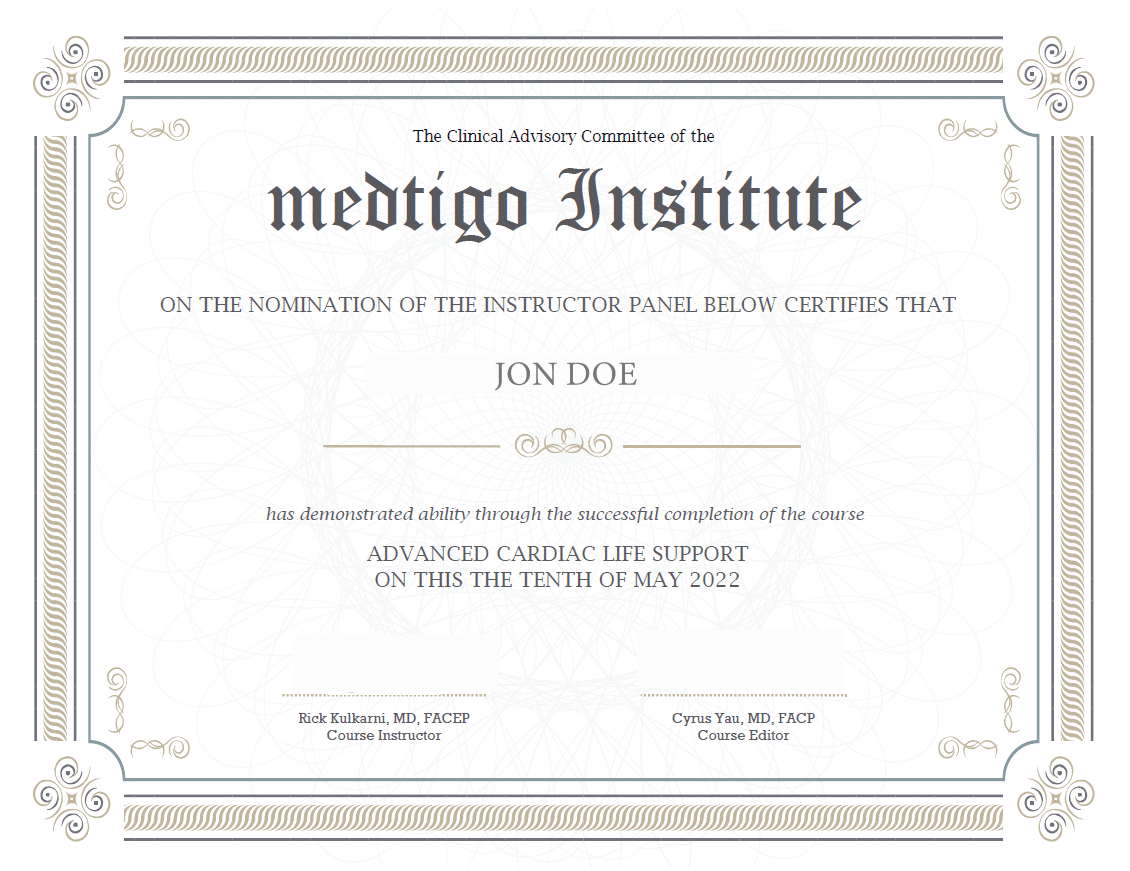
On course completion, you will receive a full-sized presentation quality digital certificate.
medtigo Simulation
A dynamic medical simulation platform designed to train healthcare professionals and students to effectively run code situations through an immersive hands-on experience in a live, interactive 3D environment.
medtigo Points
medtigo points is our unique point redemption system created to award users for interacting on our site. These points can be redeemed for special discounts on the medtigo marketplace as well as towards the membership cost itself.
Community Forum post/reply = 5 points
*Redemption of points can occur only through the medtigo marketplace, courses, or simulation system. Money will not be credited to your bank account. 10 points = $1.
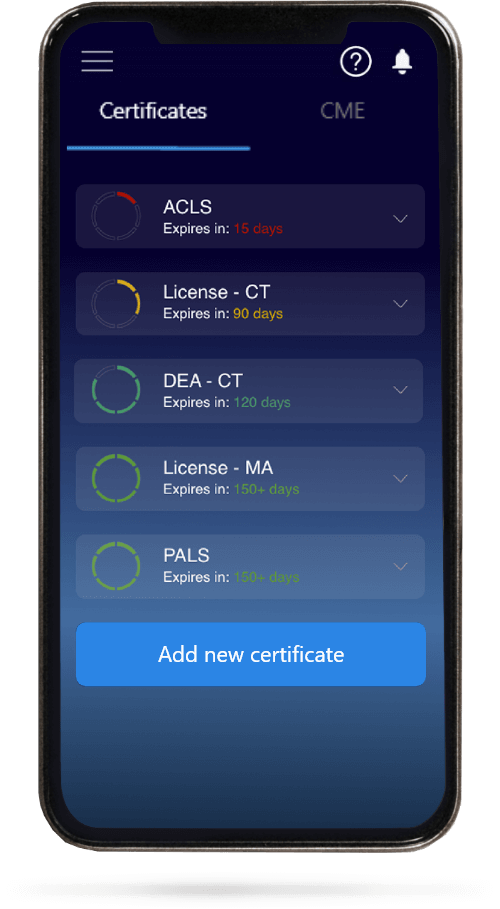
All Your Certificates in One Place
When you have your licenses, certificates and CMEs in one place, it's easier to track your career growth. You can easily share these with hospitals as well, using your medtigo app.