
Abdominal Fat Linked More Strongly to Heart Failure Than BMI
March 19, 2026






Background
Progeria, also known as Hutchinson-Gilford Progeria Syndrome (HGPS), is an extremely rare genetic disorder characterized by accelerated aging in children. It is named after Jonathan Hutchinson and Hastings Gilford, the physicians who first described the condition in the late 19th and early 20th centuries, respectively.
Progeria is caused by a mutation in the LMNA gene, which is responsible for producing a protein called lamin A. This mutation results in the production of a shortened, abnormal form of lamin A called progerin. Progerin disrupts the normal structure and function of the cell nucleus, leading to the characteristic features of the disease.
Epidemiology
Here are some key points regarding the epidemiology of progeria:
Prevalence: Progeria is an exceptionally rare condition. The estimated prevalence is around 1 in 20 million births worldwide. As of the knowledge cutoff in 2021, approximately 400 cases of progeria have been reported globally.
Genetic Basis: Progeria follows an autosomal dominant pattern of inheritance, although almost all reported cases are sporadic, meaning they occur without a family history of the condition. The majority of cases are caused by a de novo mutation in the LMNA gene, rather than being inherited from parents.
Age of Onset: Symptoms of progeria typically begin to appear within the first two years of life, often becoming noticeable around 6 to 18 months of age. The condition is characterized by an accelerated aging process, leading affected children to develop features that resemble premature aging.
Gender Distribution: Progeria affects both males and females without significant gender predilection.
Ethnicity: Progeria has been reported in various ethnic groups worldwide. It is not specific to any particular population or geographic region. Cases of progeria have been documented across different continents, including North America, Europe, Asia, and Africa.
Genetic Mutation: The vast majority of cases of progeria are caused by a mutation in the LMNA gene. This mutation leads to the production of an abnormal form of the protein lamin A, called progerin. Progerin disrupts the normal functioning of cells, contributing to the characteristic features of progeria.
Anatomy
Pathophysiology
Progeria is a genetic disorder characterized by an accelerated aging process. The pathophysiology of progeria is primarily attributed to a mutation in the LMNA gene and the subsequent production of an abnormal form of the protein lamin A called progerin. Here’s an overview of the pathophysiology of progeria:
LMNA Gene Mutation: The majority of progeria cases result from a de novo mutation in the LMNA gene. This mutation affects the production of the lamin A protein, which is involved in maintaining the structure and stability of the cell nucleus.
Abnormal Lamin A Production: The mutation in the LMNA gene leads to the production of a truncated and toxic form of lamin A called progerin. Progerin accumulates in the cell nucleus, disrupting its normal structure and function.
Nuclear Abnormalities: The presence of progerin in the nucleus causes various abnormalities. It affects nuclear membrane integrity, leads to misshapen nuclei, and disrupts the organization of chromatin, which contains DNA.
Cellular Dysfunction: The nuclear abnormalities caused by progerin disrupt normal cellular function. This disruption affects multiple cell types, including those in connective tissues, blood vessels, and other organs.
Premature Aging Phenotype: The cellular dysfunction resulting from progerin accumulation manifests as the premature aging phenotype seen in progeria. This includes characteristic features such as growth failure, premature hair loss, skin changes, cardiovascular complications, skeletal abnormalities, and other age-related symptoms.
Impact on Tissue and Organ Function: The progressive accumulation of progerin and the resulting cellular dysfunction affect various tissues and organ systems. For example, the cardiovascular system is particularly affected, leading to the development of atherosclerosis, which contributes to cardiovascular complications and a shortened lifespan.
Etiology
Here are the key aspects of the etiology of progeria:
Genetic Mutation: Progeria is most commonly caused by a spontaneous, de novo mutation in the LMNA gene. This gene provides instructions for producing the protein lamin A, which plays a crucial role in maintaining the structure and stability of the cell nucleus.
Autosomal Dominant Mutation: The genetic mutation in progeria follows an autosomal dominant pattern, but almost all cases occur sporadically. This means that the mutation occurs as a new event and is not inherited from the parents. The majority of individuals with progeria have no family history of the condition.
LMNA Gene Mutation: The mutation in the LMNA gene associated with progeria results in the production of an abnormal form of the lamin A protein called progerin. Progerin is a truncated and toxic protein that accumulates in the nucleus of cells.
Accumulation of Progerin: The accumulation of progerin disrupts the normal structure and function of the cell nucleus. It leads to nuclear abnormalities, including misshapen nuclei and disrupted chromatin organization.
Impact on Cellular Function: The presence of progerin and the resulting nuclear abnormalities contribute to cellular dysfunction. This dysfunction affects various tissues and organs in the body, leading to the characteristic features of progeria, such as accelerated aging and age-related symptoms.
Genetic Heterogeneity: While the majority of progeria cases are caused by the LMNA gene mutation, there are rare cases that result from mutations in other genes, such as the ZMPSTE24 gene. These rare genetic variants can lead to similar clinical features as classic progeria.
Genetics
Prognostic Factors
The prognosis for individuals with progeria, also known as Hutchinson-Gilford Progeria Syndrome (HGPS), is generally poor. Progeria is a progressive and ultimately fatal condition with a shortened lifespan. Here are key points regarding the prognosis of progeria:
Limited Life Expectancy: The life expectancy for individuals with progeria is significantly reduced compared to the general population. On average, individuals with progeria live into their mid-teens to early twenties, with the median age of death being around 14 years. However, there is variability, and some individuals may live slightly longer or shorter lives.
Cardiovascular Complications: Cardiovascular complications, particularly atherosclerosis (narrowing and hardening of the arteries), are the leading cause of death in individuals with progeria. These complications can manifest as heart disease, strokes, and hypertension. Progressive atherosclerosis affects various organs and contributes to a shortened lifespan.
Impact on Overall Health: Progeria affects multiple organ systems, and individuals with the condition experience a decline in overall health as they age. They may develop osteoporosis, joint stiffness, respiratory issues, vision and hearing problems, and other age-related symptoms. These complications can impact their quality of life and contribute to a diminished prognosis.
Variable Disease Progression: The rate of disease progression and severity of symptoms can vary between individuals with progeria. Some individuals may experience a more rapid decline in health, while others may have a slightly slower progression. Factors such as the specific genetic mutation and other genetic modifiers may influence the rate of disease progression and overall prognosis.
Supportive Care: Although there is no cure for progeria, supportive care measures aim to manage symptoms, improve quality of life, and provide comfort. Supportive care includes physical and occupational therapy, cardiovascular monitoring, nutritional support, and palliative care. These measures can help optimize the individual’s well-being during their limited lifespan.
Clinical History
Clinical history
The clinical history of progeria, also known as Hutchinson-Gilford Progeria Syndrome (HGPS), is characterized by a distinct set of symptoms that develop over time. Here are the key aspects of the clinical history of progeria:
Onset in Early Childhood: Progeria typically becomes evident within the first two years of life. Parents may notice unusual features and developmental delays in their child during this period.
Growth Failure: One of the early signs of progeria is growth failure. Children with progeria have stunted growth and fail to thrive. They typically have a short stature and low body weight for their age.
Premature Aging Features: Progeria is characterized by the appearance of premature aging features, which become more pronounced as the child grows older. These features include:
Facial Characteristics: Children with progeria develop distinctive facial features. These may include a disproportionately large head, a narrow and beaked nose, a small jaw, and prominent eyes with a shallow socket appearance.
Skin Changes: Progeria affects the skin, causing it to become thin, fragile, and wrinkled. The skin may also have a mottled appearance and show signs of pigmentation changes.
Hair Loss: Children with progeria often experience premature hair loss. Hair may be sparse, thin, and brittle.
Skeletal Abnormalities: Progeria can lead to skeletal abnormalities, such as joint stiffness, limited range of motion, and hip dislocation. Affected individuals may experience joint contractures, making movements challenging.
Cardiovascular Complications: Cardiovascular problems are a significant concern in progeria. Affected individuals develop progressive atherosclerosis, which causes narrowing and hardening of blood vessels. This increases the risk of cardiovascular complications, including heart disease, strokes, and high blood pressure.
Developmental Delay: Children with progeria may experience developmental delays, including delays in reaching milestones such as sitting, crawling, and walking. Cognitive development is generally unaffected, and affected individuals typically have normal intelligence.
Increased Susceptibility to Health Problems: Progeria weakens the immune system, making affected individuals more susceptible to infections and other health problems. They may experience frequent respiratory infections, dental abnormalities, and vision and hearing problems.
Progressive Nature: Progeria is a progressive condition, meaning that symptoms worsen over time. The signs of premature aging continue to develop, and affected individuals may experience a decline in overall health and functional abilities.
Physical Examination
Physical examination
During a physical examination of an individual suspected of having progeria, healthcare professionals will assess various aspects of the patient’s appearance and physical findings. Here are some common physical examination findings associated with progeria:
Facial Features:
Skin and Hair:
Growth and Stature:
Musculoskeletal System:
Cardiovascular System:
Other Findings:
Age group
Associated comorbidity
Associated activity
Acuity of presentation
Differential Diagnoses
Differential diagnosis
When evaluating a patient with suspected progeria, it is important to consider other conditions that may present with similar clinical features. Here are some disorders that may be considered in the differential diagnosis of progeria:
Atypical Progeroid Syndromes: There are several rare progeroid syndromes that resemble progeria but have distinct genetic causes. These conditions include mandibuloacral dysplasia, restrictive dermopathy, and Nestor-Guillermo progeria syndrome. Genetic testing can help differentiate between these conditions and classic progeria.
Werner Syndrome: Werner syndrome, also known as adult progeria, is a rare genetic disorder characterized by accelerated aging. It typically manifests in the second or third decade of life with features such as premature greying and loss of hair, wrinkled skin, cataracts, short stature, and increased risk of age-related diseases. Genetic testing for the WRN gene can aid in distinguishing Werner syndrome from progeria.
Cockayne Syndrome: Cockayne syndrome is a rare genetic disorder characterized by growth failure, premature aging features, and neurological abnormalities. Individuals with Cockayne syndrome often have photosensitivity, hearing loss, vision problems, and developmental delays. Genetic testing for genes associated with Cockayne syndrome can help confirm the diagnosis.
Rothmund-Thomson Syndrome: Rothmund-Thomson syndrome is a rare genetic disorder that can exhibit some overlapping features with progeria. It is characterized by skin abnormalities, short stature, skeletal abnormalities, and an increased risk of cancer. Genetic testing for the RECQL4 gene can aid in distinguishing Rothmund-Thomson syndrome from progeria.
Other Genetic Conditions with Premature Aging Features: There are other genetic conditions associated with premature aging features that may be considered in the differential diagnosis, including Bloom syndrome, trichothiodystrophy, and xeroderma pigmentosum. Genetic testing and evaluation of specific clinical features can help differentiate these conditions from progeria.
Differentiating progeria from other progeroid syndromes and conditions with premature aging features can be challenging due to overlapping clinical features. A thorough evaluation, including a detailed medical history, physical examination, genetic testing, and consultation with specialists in genetics and pediatric or adult progeroid disorders, is crucial for accurate diagnosis and appropriate management.
Laboratory Studies
Imaging Studies
Procedures
Histologic Findings
Staging
Treatment Paradigm
Currently, there is no cure for progeria, and treatment focuses on managing symptoms, providing supportive care, and optimizing the quality of life for affected individuals. Here are some key aspects of the treatment and management of progeria:
Multidisciplinary Approach: A multidisciplinary team of healthcare professionals, including pediatricians, geneticists, cardiologists, orthopedic specialists, and other relevant specialists, collaborates to provide comprehensive care for individuals with progeria.
Symptomatic Management: Treatment aims to address the specific symptoms and complications associated with progeria. For example:
Cardiovascular Care: Regular monitoring of cardiovascular health, including blood pressure management and cholesterol control, is essential. Medications may be prescribed to manage heart-related symptoms and complications.
Physical and Occupational Therapy: Therapy programs can help maintain joint mobility, improve strength, and enhance overall physical function.
Dental Care: Regular dental check-ups and preventive dental care are important for managing dental abnormalities.
Vision and Hearing Support: Regular evaluations and appropriate interventions, such as eyeglasses or hearing aids, may be necessary to address vision and hearing problems.
Nutritional Support: Ensuring adequate nutrition is crucial for individuals with progeria. A nutritionist or dietitian may be involved to develop a balanced diet plan that meets the specific nutritional needs of the individual.
Palliative Care: As progeria is a progressive and ultimately fatal condition, palliative care plays a vital role in managing pain, improving quality of life, and supporting the emotional well-being of affected individuals and their families. Palliative care focuses on symptom management, psychosocial support, and advanced care planning.
Research and Clinical Trials: Ongoing research and clinical trials explore potential treatments and interventions for progeria. Experimental therapies, such as farnesyltransferase inhibitors, are being investigated to target the underlying cellular abnormalities associated with progeria. However, these treatments are still in the early stages of development and may not be widely available.
Support and Education: Support groups and organizations specializing in progeria can provide valuable resources, emotional support, and educational materials for affected individuals and their families.
by Stage
by Modality
Chemotherapy
Radiation Therapy
Surgical Interventions
Hormone Therapy
Immunotherapy
Hyperthermia
Photodynamic Therapy
Stem Cell Transplant
Targeted Therapy
Palliative Care
Medication
Future Trends
References
https://www.ncbi.nlm.nih.gov/books/NBK507797/
Progeria, also known as Hutchinson-Gilford Progeria Syndrome (HGPS), is an extremely rare genetic disorder characterized by accelerated aging in children. It is named after Jonathan Hutchinson and Hastings Gilford, the physicians who first described the condition in the late 19th and early 20th centuries, respectively.
Progeria is caused by a mutation in the LMNA gene, which is responsible for producing a protein called lamin A. This mutation results in the production of a shortened, abnormal form of lamin A called progerin. Progerin disrupts the normal structure and function of the cell nucleus, leading to the characteristic features of the disease.
Here are some key points regarding the epidemiology of progeria:
Prevalence: Progeria is an exceptionally rare condition. The estimated prevalence is around 1 in 20 million births worldwide. As of the knowledge cutoff in 2021, approximately 400 cases of progeria have been reported globally.
Genetic Basis: Progeria follows an autosomal dominant pattern of inheritance, although almost all reported cases are sporadic, meaning they occur without a family history of the condition. The majority of cases are caused by a de novo mutation in the LMNA gene, rather than being inherited from parents.
Age of Onset: Symptoms of progeria typically begin to appear within the first two years of life, often becoming noticeable around 6 to 18 months of age. The condition is characterized by an accelerated aging process, leading affected children to develop features that resemble premature aging.
Gender Distribution: Progeria affects both males and females without significant gender predilection.
Ethnicity: Progeria has been reported in various ethnic groups worldwide. It is not specific to any particular population or geographic region. Cases of progeria have been documented across different continents, including North America, Europe, Asia, and Africa.
Genetic Mutation: The vast majority of cases of progeria are caused by a mutation in the LMNA gene. This mutation leads to the production of an abnormal form of the protein lamin A, called progerin. Progerin disrupts the normal functioning of cells, contributing to the characteristic features of progeria.
Progeria is a genetic disorder characterized by an accelerated aging process. The pathophysiology of progeria is primarily attributed to a mutation in the LMNA gene and the subsequent production of an abnormal form of the protein lamin A called progerin. Here’s an overview of the pathophysiology of progeria:
LMNA Gene Mutation: The majority of progeria cases result from a de novo mutation in the LMNA gene. This mutation affects the production of the lamin A protein, which is involved in maintaining the structure and stability of the cell nucleus.
Abnormal Lamin A Production: The mutation in the LMNA gene leads to the production of a truncated and toxic form of lamin A called progerin. Progerin accumulates in the cell nucleus, disrupting its normal structure and function.
Nuclear Abnormalities: The presence of progerin in the nucleus causes various abnormalities. It affects nuclear membrane integrity, leads to misshapen nuclei, and disrupts the organization of chromatin, which contains DNA.
Cellular Dysfunction: The nuclear abnormalities caused by progerin disrupt normal cellular function. This disruption affects multiple cell types, including those in connective tissues, blood vessels, and other organs.
Premature Aging Phenotype: The cellular dysfunction resulting from progerin accumulation manifests as the premature aging phenotype seen in progeria. This includes characteristic features such as growth failure, premature hair loss, skin changes, cardiovascular complications, skeletal abnormalities, and other age-related symptoms.
Impact on Tissue and Organ Function: The progressive accumulation of progerin and the resulting cellular dysfunction affect various tissues and organ systems. For example, the cardiovascular system is particularly affected, leading to the development of atherosclerosis, which contributes to cardiovascular complications and a shortened lifespan.
Here are the key aspects of the etiology of progeria:
Genetic Mutation: Progeria is most commonly caused by a spontaneous, de novo mutation in the LMNA gene. This gene provides instructions for producing the protein lamin A, which plays a crucial role in maintaining the structure and stability of the cell nucleus.
Autosomal Dominant Mutation: The genetic mutation in progeria follows an autosomal dominant pattern, but almost all cases occur sporadically. This means that the mutation occurs as a new event and is not inherited from the parents. The majority of individuals with progeria have no family history of the condition.
LMNA Gene Mutation: The mutation in the LMNA gene associated with progeria results in the production of an abnormal form of the lamin A protein called progerin. Progerin is a truncated and toxic protein that accumulates in the nucleus of cells.
Accumulation of Progerin: The accumulation of progerin disrupts the normal structure and function of the cell nucleus. It leads to nuclear abnormalities, including misshapen nuclei and disrupted chromatin organization.
Impact on Cellular Function: The presence of progerin and the resulting nuclear abnormalities contribute to cellular dysfunction. This dysfunction affects various tissues and organs in the body, leading to the characteristic features of progeria, such as accelerated aging and age-related symptoms.
Genetic Heterogeneity: While the majority of progeria cases are caused by the LMNA gene mutation, there are rare cases that result from mutations in other genes, such as the ZMPSTE24 gene. These rare genetic variants can lead to similar clinical features as classic progeria.
The prognosis for individuals with progeria, also known as Hutchinson-Gilford Progeria Syndrome (HGPS), is generally poor. Progeria is a progressive and ultimately fatal condition with a shortened lifespan. Here are key points regarding the prognosis of progeria:
Limited Life Expectancy: The life expectancy for individuals with progeria is significantly reduced compared to the general population. On average, individuals with progeria live into their mid-teens to early twenties, with the median age of death being around 14 years. However, there is variability, and some individuals may live slightly longer or shorter lives.
Cardiovascular Complications: Cardiovascular complications, particularly atherosclerosis (narrowing and hardening of the arteries), are the leading cause of death in individuals with progeria. These complications can manifest as heart disease, strokes, and hypertension. Progressive atherosclerosis affects various organs and contributes to a shortened lifespan.
Impact on Overall Health: Progeria affects multiple organ systems, and individuals with the condition experience a decline in overall health as they age. They may develop osteoporosis, joint stiffness, respiratory issues, vision and hearing problems, and other age-related symptoms. These complications can impact their quality of life and contribute to a diminished prognosis.
Variable Disease Progression: The rate of disease progression and severity of symptoms can vary between individuals with progeria. Some individuals may experience a more rapid decline in health, while others may have a slightly slower progression. Factors such as the specific genetic mutation and other genetic modifiers may influence the rate of disease progression and overall prognosis.
Supportive Care: Although there is no cure for progeria, supportive care measures aim to manage symptoms, improve quality of life, and provide comfort. Supportive care includes physical and occupational therapy, cardiovascular monitoring, nutritional support, and palliative care. These measures can help optimize the individual’s well-being during their limited lifespan.
Clinical history
The clinical history of progeria, also known as Hutchinson-Gilford Progeria Syndrome (HGPS), is characterized by a distinct set of symptoms that develop over time. Here are the key aspects of the clinical history of progeria:
Onset in Early Childhood: Progeria typically becomes evident within the first two years of life. Parents may notice unusual features and developmental delays in their child during this period.
Growth Failure: One of the early signs of progeria is growth failure. Children with progeria have stunted growth and fail to thrive. They typically have a short stature and low body weight for their age.
Premature Aging Features: Progeria is characterized by the appearance of premature aging features, which become more pronounced as the child grows older. These features include:
Facial Characteristics: Children with progeria develop distinctive facial features. These may include a disproportionately large head, a narrow and beaked nose, a small jaw, and prominent eyes with a shallow socket appearance.
Skin Changes: Progeria affects the skin, causing it to become thin, fragile, and wrinkled. The skin may also have a mottled appearance and show signs of pigmentation changes.
Hair Loss: Children with progeria often experience premature hair loss. Hair may be sparse, thin, and brittle.
Skeletal Abnormalities: Progeria can lead to skeletal abnormalities, such as joint stiffness, limited range of motion, and hip dislocation. Affected individuals may experience joint contractures, making movements challenging.
Cardiovascular Complications: Cardiovascular problems are a significant concern in progeria. Affected individuals develop progressive atherosclerosis, which causes narrowing and hardening of blood vessels. This increases the risk of cardiovascular complications, including heart disease, strokes, and high blood pressure.
Developmental Delay: Children with progeria may experience developmental delays, including delays in reaching milestones such as sitting, crawling, and walking. Cognitive development is generally unaffected, and affected individuals typically have normal intelligence.
Increased Susceptibility to Health Problems: Progeria weakens the immune system, making affected individuals more susceptible to infections and other health problems. They may experience frequent respiratory infections, dental abnormalities, and vision and hearing problems.
Progressive Nature: Progeria is a progressive condition, meaning that symptoms worsen over time. The signs of premature aging continue to develop, and affected individuals may experience a decline in overall health and functional abilities.
Physical examination
During a physical examination of an individual suspected of having progeria, healthcare professionals will assess various aspects of the patient’s appearance and physical findings. Here are some common physical examination findings associated with progeria:
Facial Features:
Skin and Hair:
Growth and Stature:
Musculoskeletal System:
Cardiovascular System:
Other Findings:
Differential diagnosis
When evaluating a patient with suspected progeria, it is important to consider other conditions that may present with similar clinical features. Here are some disorders that may be considered in the differential diagnosis of progeria:
Atypical Progeroid Syndromes: There are several rare progeroid syndromes that resemble progeria but have distinct genetic causes. These conditions include mandibuloacral dysplasia, restrictive dermopathy, and Nestor-Guillermo progeria syndrome. Genetic testing can help differentiate between these conditions and classic progeria.
Werner Syndrome: Werner syndrome, also known as adult progeria, is a rare genetic disorder characterized by accelerated aging. It typically manifests in the second or third decade of life with features such as premature greying and loss of hair, wrinkled skin, cataracts, short stature, and increased risk of age-related diseases. Genetic testing for the WRN gene can aid in distinguishing Werner syndrome from progeria.
Cockayne Syndrome: Cockayne syndrome is a rare genetic disorder characterized by growth failure, premature aging features, and neurological abnormalities. Individuals with Cockayne syndrome often have photosensitivity, hearing loss, vision problems, and developmental delays. Genetic testing for genes associated with Cockayne syndrome can help confirm the diagnosis.
Rothmund-Thomson Syndrome: Rothmund-Thomson syndrome is a rare genetic disorder that can exhibit some overlapping features with progeria. It is characterized by skin abnormalities, short stature, skeletal abnormalities, and an increased risk of cancer. Genetic testing for the RECQL4 gene can aid in distinguishing Rothmund-Thomson syndrome from progeria.
Other Genetic Conditions with Premature Aging Features: There are other genetic conditions associated with premature aging features that may be considered in the differential diagnosis, including Bloom syndrome, trichothiodystrophy, and xeroderma pigmentosum. Genetic testing and evaluation of specific clinical features can help differentiate these conditions from progeria.
Differentiating progeria from other progeroid syndromes and conditions with premature aging features can be challenging due to overlapping clinical features. A thorough evaluation, including a detailed medical history, physical examination, genetic testing, and consultation with specialists in genetics and pediatric or adult progeroid disorders, is crucial for accurate diagnosis and appropriate management.
Currently, there is no cure for progeria, and treatment focuses on managing symptoms, providing supportive care, and optimizing the quality of life for affected individuals. Here are some key aspects of the treatment and management of progeria:
Multidisciplinary Approach: A multidisciplinary team of healthcare professionals, including pediatricians, geneticists, cardiologists, orthopedic specialists, and other relevant specialists, collaborates to provide comprehensive care for individuals with progeria.
Symptomatic Management: Treatment aims to address the specific symptoms and complications associated with progeria. For example:
Cardiovascular Care: Regular monitoring of cardiovascular health, including blood pressure management and cholesterol control, is essential. Medications may be prescribed to manage heart-related symptoms and complications.
Physical and Occupational Therapy: Therapy programs can help maintain joint mobility, improve strength, and enhance overall physical function.
Dental Care: Regular dental check-ups and preventive dental care are important for managing dental abnormalities.
Vision and Hearing Support: Regular evaluations and appropriate interventions, such as eyeglasses or hearing aids, may be necessary to address vision and hearing problems.
Nutritional Support: Ensuring adequate nutrition is crucial for individuals with progeria. A nutritionist or dietitian may be involved to develop a balanced diet plan that meets the specific nutritional needs of the individual.
Palliative Care: As progeria is a progressive and ultimately fatal condition, palliative care plays a vital role in managing pain, improving quality of life, and supporting the emotional well-being of affected individuals and their families. Palliative care focuses on symptom management, psychosocial support, and advanced care planning.
Research and Clinical Trials: Ongoing research and clinical trials explore potential treatments and interventions for progeria. Experimental therapies, such as farnesyltransferase inhibitors, are being investigated to target the underlying cellular abnormalities associated with progeria. However, these treatments are still in the early stages of development and may not be widely available.
Support and Education: Support groups and organizations specializing in progeria can provide valuable resources, emotional support, and educational materials for affected individuals and their families.
https://www.ncbi.nlm.nih.gov/books/NBK507797/

Progeria, also known as Hutchinson-Gilford Progeria Syndrome (HGPS), is an extremely rare genetic disorder characterized by accelerated aging in children. It is named after Jonathan Hutchinson and Hastings Gilford, the physicians who first described the condition in the late 19th and early 20th centuries, respectively.
Progeria is caused by a mutation in the LMNA gene, which is responsible for producing a protein called lamin A. This mutation results in the production of a shortened, abnormal form of lamin A called progerin. Progerin disrupts the normal structure and function of the cell nucleus, leading to the characteristic features of the disease.
Here are some key points regarding the epidemiology of progeria:
Prevalence: Progeria is an exceptionally rare condition. The estimated prevalence is around 1 in 20 million births worldwide. As of the knowledge cutoff in 2021, approximately 400 cases of progeria have been reported globally.
Genetic Basis: Progeria follows an autosomal dominant pattern of inheritance, although almost all reported cases are sporadic, meaning they occur without a family history of the condition. The majority of cases are caused by a de novo mutation in the LMNA gene, rather than being inherited from parents.
Age of Onset: Symptoms of progeria typically begin to appear within the first two years of life, often becoming noticeable around 6 to 18 months of age. The condition is characterized by an accelerated aging process, leading affected children to develop features that resemble premature aging.
Gender Distribution: Progeria affects both males and females without significant gender predilection.
Ethnicity: Progeria has been reported in various ethnic groups worldwide. It is not specific to any particular population or geographic region. Cases of progeria have been documented across different continents, including North America, Europe, Asia, and Africa.
Genetic Mutation: The vast majority of cases of progeria are caused by a mutation in the LMNA gene. This mutation leads to the production of an abnormal form of the protein lamin A, called progerin. Progerin disrupts the normal functioning of cells, contributing to the characteristic features of progeria.
Progeria is a genetic disorder characterized by an accelerated aging process. The pathophysiology of progeria is primarily attributed to a mutation in the LMNA gene and the subsequent production of an abnormal form of the protein lamin A called progerin. Here’s an overview of the pathophysiology of progeria:
LMNA Gene Mutation: The majority of progeria cases result from a de novo mutation in the LMNA gene. This mutation affects the production of the lamin A protein, which is involved in maintaining the structure and stability of the cell nucleus.
Abnormal Lamin A Production: The mutation in the LMNA gene leads to the production of a truncated and toxic form of lamin A called progerin. Progerin accumulates in the cell nucleus, disrupting its normal structure and function.
Nuclear Abnormalities: The presence of progerin in the nucleus causes various abnormalities. It affects nuclear membrane integrity, leads to misshapen nuclei, and disrupts the organization of chromatin, which contains DNA.
Cellular Dysfunction: The nuclear abnormalities caused by progerin disrupt normal cellular function. This disruption affects multiple cell types, including those in connective tissues, blood vessels, and other organs.
Premature Aging Phenotype: The cellular dysfunction resulting from progerin accumulation manifests as the premature aging phenotype seen in progeria. This includes characteristic features such as growth failure, premature hair loss, skin changes, cardiovascular complications, skeletal abnormalities, and other age-related symptoms.
Impact on Tissue and Organ Function: The progressive accumulation of progerin and the resulting cellular dysfunction affect various tissues and organ systems. For example, the cardiovascular system is particularly affected, leading to the development of atherosclerosis, which contributes to cardiovascular complications and a shortened lifespan.
Here are the key aspects of the etiology of progeria:
Genetic Mutation: Progeria is most commonly caused by a spontaneous, de novo mutation in the LMNA gene. This gene provides instructions for producing the protein lamin A, which plays a crucial role in maintaining the structure and stability of the cell nucleus.
Autosomal Dominant Mutation: The genetic mutation in progeria follows an autosomal dominant pattern, but almost all cases occur sporadically. This means that the mutation occurs as a new event and is not inherited from the parents. The majority of individuals with progeria have no family history of the condition.
LMNA Gene Mutation: The mutation in the LMNA gene associated with progeria results in the production of an abnormal form of the lamin A protein called progerin. Progerin is a truncated and toxic protein that accumulates in the nucleus of cells.
Accumulation of Progerin: The accumulation of progerin disrupts the normal structure and function of the cell nucleus. It leads to nuclear abnormalities, including misshapen nuclei and disrupted chromatin organization.
Impact on Cellular Function: The presence of progerin and the resulting nuclear abnormalities contribute to cellular dysfunction. This dysfunction affects various tissues and organs in the body, leading to the characteristic features of progeria, such as accelerated aging and age-related symptoms.
Genetic Heterogeneity: While the majority of progeria cases are caused by the LMNA gene mutation, there are rare cases that result from mutations in other genes, such as the ZMPSTE24 gene. These rare genetic variants can lead to similar clinical features as classic progeria.
The prognosis for individuals with progeria, also known as Hutchinson-Gilford Progeria Syndrome (HGPS), is generally poor. Progeria is a progressive and ultimately fatal condition with a shortened lifespan. Here are key points regarding the prognosis of progeria:
Limited Life Expectancy: The life expectancy for individuals with progeria is significantly reduced compared to the general population. On average, individuals with progeria live into their mid-teens to early twenties, with the median age of death being around 14 years. However, there is variability, and some individuals may live slightly longer or shorter lives.
Cardiovascular Complications: Cardiovascular complications, particularly atherosclerosis (narrowing and hardening of the arteries), are the leading cause of death in individuals with progeria. These complications can manifest as heart disease, strokes, and hypertension. Progressive atherosclerosis affects various organs and contributes to a shortened lifespan.
Impact on Overall Health: Progeria affects multiple organ systems, and individuals with the condition experience a decline in overall health as they age. They may develop osteoporosis, joint stiffness, respiratory issues, vision and hearing problems, and other age-related symptoms. These complications can impact their quality of life and contribute to a diminished prognosis.
Variable Disease Progression: The rate of disease progression and severity of symptoms can vary between individuals with progeria. Some individuals may experience a more rapid decline in health, while others may have a slightly slower progression. Factors such as the specific genetic mutation and other genetic modifiers may influence the rate of disease progression and overall prognosis.
Supportive Care: Although there is no cure for progeria, supportive care measures aim to manage symptoms, improve quality of life, and provide comfort. Supportive care includes physical and occupational therapy, cardiovascular monitoring, nutritional support, and palliative care. These measures can help optimize the individual’s well-being during their limited lifespan.
Clinical history
The clinical history of progeria, also known as Hutchinson-Gilford Progeria Syndrome (HGPS), is characterized by a distinct set of symptoms that develop over time. Here are the key aspects of the clinical history of progeria:
Onset in Early Childhood: Progeria typically becomes evident within the first two years of life. Parents may notice unusual features and developmental delays in their child during this period.
Growth Failure: One of the early signs of progeria is growth failure. Children with progeria have stunted growth and fail to thrive. They typically have a short stature and low body weight for their age.
Premature Aging Features: Progeria is characterized by the appearance of premature aging features, which become more pronounced as the child grows older. These features include:
Facial Characteristics: Children with progeria develop distinctive facial features. These may include a disproportionately large head, a narrow and beaked nose, a small jaw, and prominent eyes with a shallow socket appearance.
Skin Changes: Progeria affects the skin, causing it to become thin, fragile, and wrinkled. The skin may also have a mottled appearance and show signs of pigmentation changes.
Hair Loss: Children with progeria often experience premature hair loss. Hair may be sparse, thin, and brittle.
Skeletal Abnormalities: Progeria can lead to skeletal abnormalities, such as joint stiffness, limited range of motion, and hip dislocation. Affected individuals may experience joint contractures, making movements challenging.
Cardiovascular Complications: Cardiovascular problems are a significant concern in progeria. Affected individuals develop progressive atherosclerosis, which causes narrowing and hardening of blood vessels. This increases the risk of cardiovascular complications, including heart disease, strokes, and high blood pressure.
Developmental Delay: Children with progeria may experience developmental delays, including delays in reaching milestones such as sitting, crawling, and walking. Cognitive development is generally unaffected, and affected individuals typically have normal intelligence.
Increased Susceptibility to Health Problems: Progeria weakens the immune system, making affected individuals more susceptible to infections and other health problems. They may experience frequent respiratory infections, dental abnormalities, and vision and hearing problems.
Progressive Nature: Progeria is a progressive condition, meaning that symptoms worsen over time. The signs of premature aging continue to develop, and affected individuals may experience a decline in overall health and functional abilities.
Physical examination
During a physical examination of an individual suspected of having progeria, healthcare professionals will assess various aspects of the patient’s appearance and physical findings. Here are some common physical examination findings associated with progeria:
Facial Features:
Skin and Hair:
Growth and Stature:
Musculoskeletal System:
Cardiovascular System:
Other Findings:
Differential diagnosis
When evaluating a patient with suspected progeria, it is important to consider other conditions that may present with similar clinical features. Here are some disorders that may be considered in the differential diagnosis of progeria:
Atypical Progeroid Syndromes: There are several rare progeroid syndromes that resemble progeria but have distinct genetic causes. These conditions include mandibuloacral dysplasia, restrictive dermopathy, and Nestor-Guillermo progeria syndrome. Genetic testing can help differentiate between these conditions and classic progeria.
Werner Syndrome: Werner syndrome, also known as adult progeria, is a rare genetic disorder characterized by accelerated aging. It typically manifests in the second or third decade of life with features such as premature greying and loss of hair, wrinkled skin, cataracts, short stature, and increased risk of age-related diseases. Genetic testing for the WRN gene can aid in distinguishing Werner syndrome from progeria.
Cockayne Syndrome: Cockayne syndrome is a rare genetic disorder characterized by growth failure, premature aging features, and neurological abnormalities. Individuals with Cockayne syndrome often have photosensitivity, hearing loss, vision problems, and developmental delays. Genetic testing for genes associated with Cockayne syndrome can help confirm the diagnosis.
Rothmund-Thomson Syndrome: Rothmund-Thomson syndrome is a rare genetic disorder that can exhibit some overlapping features with progeria. It is characterized by skin abnormalities, short stature, skeletal abnormalities, and an increased risk of cancer. Genetic testing for the RECQL4 gene can aid in distinguishing Rothmund-Thomson syndrome from progeria.
Other Genetic Conditions with Premature Aging Features: There are other genetic conditions associated with premature aging features that may be considered in the differential diagnosis, including Bloom syndrome, trichothiodystrophy, and xeroderma pigmentosum. Genetic testing and evaluation of specific clinical features can help differentiate these conditions from progeria.
Differentiating progeria from other progeroid syndromes and conditions with premature aging features can be challenging due to overlapping clinical features. A thorough evaluation, including a detailed medical history, physical examination, genetic testing, and consultation with specialists in genetics and pediatric or adult progeroid disorders, is crucial for accurate diagnosis and appropriate management.
Currently, there is no cure for progeria, and treatment focuses on managing symptoms, providing supportive care, and optimizing the quality of life for affected individuals. Here are some key aspects of the treatment and management of progeria:
Multidisciplinary Approach: A multidisciplinary team of healthcare professionals, including pediatricians, geneticists, cardiologists, orthopedic specialists, and other relevant specialists, collaborates to provide comprehensive care for individuals with progeria.
Symptomatic Management: Treatment aims to address the specific symptoms and complications associated with progeria. For example:
Cardiovascular Care: Regular monitoring of cardiovascular health, including blood pressure management and cholesterol control, is essential. Medications may be prescribed to manage heart-related symptoms and complications.
Physical and Occupational Therapy: Therapy programs can help maintain joint mobility, improve strength, and enhance overall physical function.
Dental Care: Regular dental check-ups and preventive dental care are important for managing dental abnormalities.
Vision and Hearing Support: Regular evaluations and appropriate interventions, such as eyeglasses or hearing aids, may be necessary to address vision and hearing problems.
Nutritional Support: Ensuring adequate nutrition is crucial for individuals with progeria. A nutritionist or dietitian may be involved to develop a balanced diet plan that meets the specific nutritional needs of the individual.
Palliative Care: As progeria is a progressive and ultimately fatal condition, palliative care plays a vital role in managing pain, improving quality of life, and supporting the emotional well-being of affected individuals and their families. Palliative care focuses on symptom management, psychosocial support, and advanced care planning.
Research and Clinical Trials: Ongoing research and clinical trials explore potential treatments and interventions for progeria. Experimental therapies, such as farnesyltransferase inhibitors, are being investigated to target the underlying cellular abnormalities associated with progeria. However, these treatments are still in the early stages of development and may not be widely available.
Support and Education: Support groups and organizations specializing in progeria can provide valuable resources, emotional support, and educational materials for affected individuals and their families.
https://www.ncbi.nlm.nih.gov/books/NBK507797/

Both our subscription plans include Free CME/CPD AMA PRA Category 1 credits.
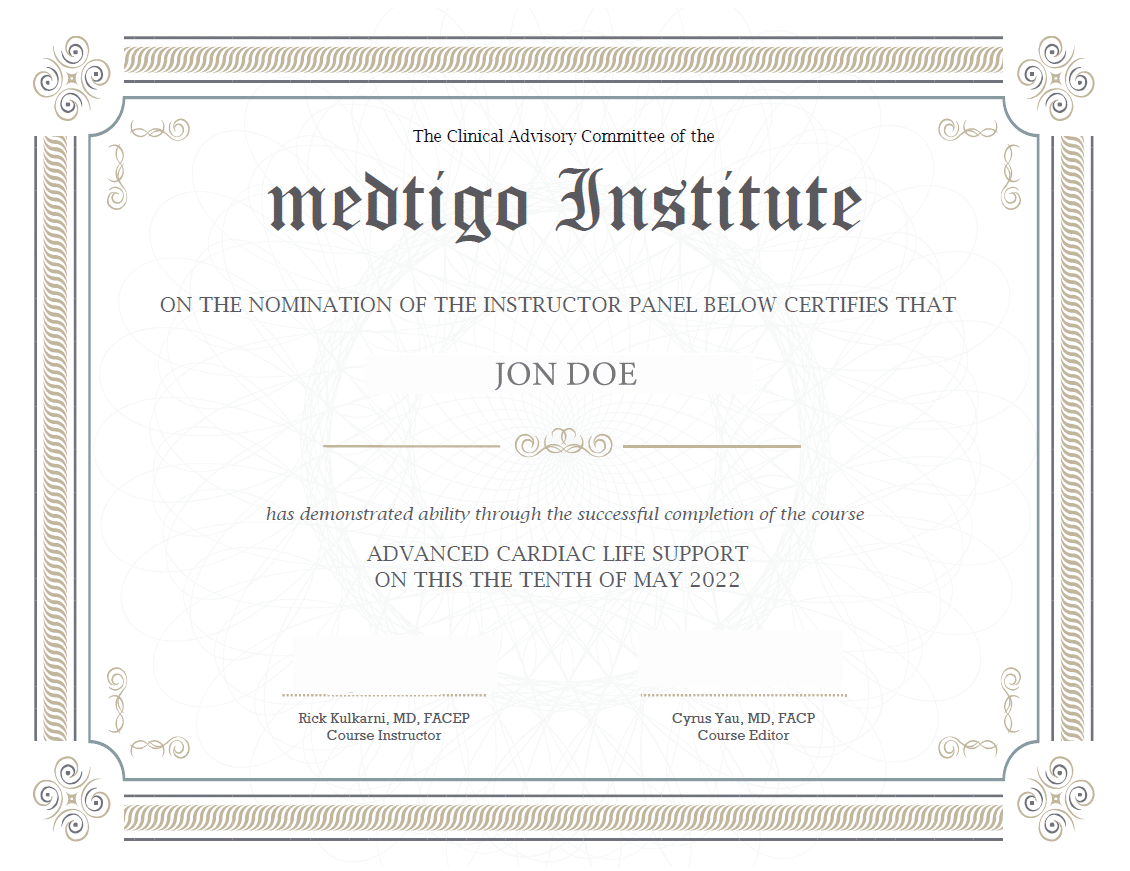
On course completion, you will receive a full-sized presentation quality digital certificate.
A dynamic medical simulation platform designed to train healthcare professionals and students to effectively run code situations through an immersive hands-on experience in a live, interactive 3D environment.

When you have your licenses, certificates and CMEs in one place, it's easier to track your career growth. You can easily share these with hospitals as well, using your medtigo app.