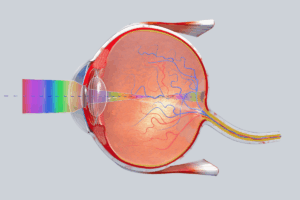
World’s First Human Implant of a 3D-Printed Cornea Restores Sight
December 15, 2025






Background
Epidemiology
Anatomy
Pathophysiology
Etiology
Genetics
Prognostic Factors
The prognosis for individuals with Rett Syndrome can vary widely depending on the severity and specific symptoms of the disorder. However, there is no cure for Rett Syndrome, supportive care and management of symptoms can improve quality of life and functional outcomes.
Certain factors that may affect the prognosis of Rett Syndrome include:
It’s important to note that Rett Syndrome is a highly variable disorder, and it can be challenging to predict the course of the disease in individual cases. Close monitoring and ongoing management of symptoms are essential for improving outcomes and quality of life for individuals with Rett Syndrome.
Clinical History
Physical Examination
The physical examination of an individual with Rett Syndrome will depend on their specific symptoms and clinical presentation. However, some common findings that may be observed during a physical examination include:
In addition to a physical examination, a thorough neurological evaluation, genetic testing, and imaging studies may be necessary to confirm a diagnosis of Rett Syndrome and rule out other potential causes of symptoms. A multidisciplinary approach involving healthcare professionals from various specialties, such as neurology, genetics, physical therapy, and speech therapy, can help manage symptoms and improve outcomes for individuals with Rett Syndrome.
Age group
Associated comorbidity
Associated activity
Acuity of presentation
The onset of Rett Syndrome is usually insidious, with a gradual loss of motor and cognitive skills over time. The following are some of the standard clinical features of Rett Syndrome:
The clinical presentation of Rett Syndrome can be complex and may require input from specialists in various fields, such as neurology, genetics, and developmental pediatrics. Early diagnosis and intervention may help improve outcomes, quality of life for people with Rett Syndrome.
Differential Diagnoses
The clinical presentation of Rett Syndrome can overlap with other neurodevelopmental and neurological disorders, making a differential diagnosis important. Some conditions that may be considered in the differential diagnosis of Rett Syndrome include:
A thorough medical evaluation, which includes physical exam, neurological exam, genetic testing, and imaging studies, may be necessary to differentiate Rett Syndrome from other conditions. The differential diagnosis process can be complex and may require input from specialists in various fields, such as neurology, genetics, and developmental pediatrics.
Laboratory Studies
Imaging Studies
Procedures
Histologic Findings
Staging
Treatment Paradigm
by Stage
by Modality
Chemotherapy
Radiation Therapy
Surgical Interventions
Hormone Therapy
Immunotherapy
Hyperthermia
Photodynamic Therapy
Stem Cell Transplant
Targeted Therapy
Palliative Care
In addition to these treatment approaches, supportive care is vital in managing Rett Syndrome. This might include physical therapy, occupational therapy, speech therapy, and psychological counseling to help individuals and families cope with the challenges of the disorder. Early intervention and ongoing support can help improve outcomes, quality of life for individuals with Rett Syndrome.
Medication
Future Trends
References
The prognosis for individuals with Rett Syndrome can vary widely depending on the severity and specific symptoms of the disorder. However, there is no cure for Rett Syndrome, supportive care and management of symptoms can improve quality of life and functional outcomes.
Certain factors that may affect the prognosis of Rett Syndrome include:
It’s important to note that Rett Syndrome is a highly variable disorder, and it can be challenging to predict the course of the disease in individual cases. Close monitoring and ongoing management of symptoms are essential for improving outcomes and quality of life for individuals with Rett Syndrome.
The physical examination of an individual with Rett Syndrome will depend on their specific symptoms and clinical presentation. However, some common findings that may be observed during a physical examination include:
In addition to a physical examination, a thorough neurological evaluation, genetic testing, and imaging studies may be necessary to confirm a diagnosis of Rett Syndrome and rule out other potential causes of symptoms. A multidisciplinary approach involving healthcare professionals from various specialties, such as neurology, genetics, physical therapy, and speech therapy, can help manage symptoms and improve outcomes for individuals with Rett Syndrome.
The onset of Rett Syndrome is usually insidious, with a gradual loss of motor and cognitive skills over time. The following are some of the standard clinical features of Rett Syndrome:
The clinical presentation of Rett Syndrome can be complex and may require input from specialists in various fields, such as neurology, genetics, and developmental pediatrics. Early diagnosis and intervention may help improve outcomes, quality of life for people with Rett Syndrome.
The clinical presentation of Rett Syndrome can overlap with other neurodevelopmental and neurological disorders, making a differential diagnosis important. Some conditions that may be considered in the differential diagnosis of Rett Syndrome include:
A thorough medical evaluation, which includes physical exam, neurological exam, genetic testing, and imaging studies, may be necessary to differentiate Rett Syndrome from other conditions. The differential diagnosis process can be complex and may require input from specialists in various fields, such as neurology, genetics, and developmental pediatrics.

The prognosis for individuals with Rett Syndrome can vary widely depending on the severity and specific symptoms of the disorder. However, there is no cure for Rett Syndrome, supportive care and management of symptoms can improve quality of life and functional outcomes.
Certain factors that may affect the prognosis of Rett Syndrome include:
It’s important to note that Rett Syndrome is a highly variable disorder, and it can be challenging to predict the course of the disease in individual cases. Close monitoring and ongoing management of symptoms are essential for improving outcomes and quality of life for individuals with Rett Syndrome.
The physical examination of an individual with Rett Syndrome will depend on their specific symptoms and clinical presentation. However, some common findings that may be observed during a physical examination include:
In addition to a physical examination, a thorough neurological evaluation, genetic testing, and imaging studies may be necessary to confirm a diagnosis of Rett Syndrome and rule out other potential causes of symptoms. A multidisciplinary approach involving healthcare professionals from various specialties, such as neurology, genetics, physical therapy, and speech therapy, can help manage symptoms and improve outcomes for individuals with Rett Syndrome.
The onset of Rett Syndrome is usually insidious, with a gradual loss of motor and cognitive skills over time. The following are some of the standard clinical features of Rett Syndrome:
The clinical presentation of Rett Syndrome can be complex and may require input from specialists in various fields, such as neurology, genetics, and developmental pediatrics. Early diagnosis and intervention may help improve outcomes, quality of life for people with Rett Syndrome.
The clinical presentation of Rett Syndrome can overlap with other neurodevelopmental and neurological disorders, making a differential diagnosis important. Some conditions that may be considered in the differential diagnosis of Rett Syndrome include:
A thorough medical evaluation, which includes physical exam, neurological exam, genetic testing, and imaging studies, may be necessary to differentiate Rett Syndrome from other conditions. The differential diagnosis process can be complex and may require input from specialists in various fields, such as neurology, genetics, and developmental pediatrics.
In addition to these treatment approaches, supportive care is vital in managing Rett Syndrome. This might include physical therapy, occupational therapy, speech therapy, and psychological counseling to help individuals and families cope with the challenges of the disorder. Early intervention and ongoing support can help improve outcomes, quality of life for individuals with Rett Syndrome.

Both our subscription plans include Free CME/CPD AMA PRA Category 1 credits.

On course completion, you will receive a full-sized presentation quality digital certificate.
A dynamic medical simulation platform designed to train healthcare professionals and students to effectively run code situations through an immersive hands-on experience in a live, interactive 3D environment.

When you have your licenses, certificates and CMEs in one place, it's easier to track your career growth. You can easily share these with hospitals as well, using your medtigo app.