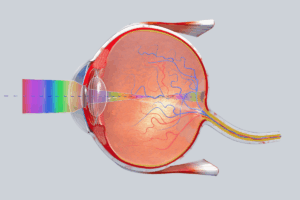
World’s First Human Implant of a 3D-Printed Cornea Restores Sight
December 15, 2025






Background
Right middle lobe syndrome, also known as middle lobe syndrome or right middle lobe collapse, refers to a condition characterized by the recurrent or chronic collapse of the right middle lobe of the lung. It is considered a form of bronchial obstruction that leads to the collapse of the middle lobe, resulting in respiratory symptoms and recurrent infections.
The right middle lobe is one of the three lobes of the right lung. It is anatomically positioned between the upper lobe and the lower lobe. Right middle lobe syndrome occurs when there is an obstruction or narrowing of the bronchus that supplies the middle lobe, leading to impaired airflow and subsequent collapse of the lobe.
Epidemiology
Right middle lobe syndrome, also known as middle lobe syndrome or right middle lobe collapse, is a relatively uncommon condition. Epidemiological data are specific to right middle lobe syndrome are limited, as it is often grouped together with other forms of bronchial obstruction or lung collapse. However, certain factors and conditions can contribute to its occurrence. Here are some aspects related to the epidemiology of right middle lobe syndrome:
It is important to note that right middle lobe syndrome is a clinical manifestation resulting from bronchial obstruction or narrowing rather than a specific disease entity. Therefore, its epidemiology is closely linked to the underlying conditions contributing to bronchial obstruction. Further research and epidemiological studies focused specifically on right middle lobe syndrome are needed to provide more accurate data on its incidence, prevalence, and associated risk factors.
Anatomy
Pathophysiology
Right middle lobe syndrome, also known as middle lobe syndrome or right middle lobe collapse, occurs due to an obstruction or narrowing of the bronchus that supplies the right middle lobe of the lung. The pathophysiology of right middle lobe syndrome involves changes in the airflow dynamics and lung mechanics within the affected lobe. Here are the key aspects of the pathophysiology:
The pathophysiology of right middle lobe syndrome ultimately leads to reduced airflow, the collapse of the affected lobe, and alterations in lung ventilation and gas exchange. The consequences can include respiratory symptoms, such as cough, wheezing, and shortness of breath, as well as an increased risk of recurrent infections within the affected lobe.
Etiology
Right middle lobe syndrome, also known as middle lobe syndrome or right middle lobe collapse, can have various underlying causes that lead to the obstruction or narrowing of the bronchus supplying the right middle lobe of the lung. The etiology of right middle lobe syndrome can be attributed to several factors, including:
Genetics
Prognostic Factors
The prognosis of right middle lobe syndrome, also known as middle lobe syndrome or right middle lobe collapse, depends on several factors, including the underlying cause, the extent of lobar collapse, the presence of associated lung diseases, and the effectiveness of treatment. Here are some key points to consider regarding the prognosis of right middle lobe syndrome:
Clinical History
Clinical history
The clinical history of right middle lobe syndrome, also known as middle lobe syndrome or right middle lobe collapse, encompasses the patient’s presenting symptoms, medical history, and relevant details that can aid in the diagnosis and management of the condition. Here are some aspects of the clinical history associated with right middle lobe syndrome:
Respiratory symptoms: Patients with right middle lobe syndrome often present with respiratory symptoms that may include:
History of recurrent infections: Patients with right middle lobe syndrome may have a history of recurrent respiratory infections involving the right middle lobe. These infections can include pneumonia, bronchitis, or other infectious processes. In some cases, the infections may be associated with fever, productive cough, and purulent sputum.
Underlying conditions: It is important to inquire about any underlying conditions that could contribute to right middle lobe syndrome. These may include chronic bronchitis, bronchiectasis, previous lung infections, immunodeficiency disorders, or any other pulmonary or systemic conditions that can lead to bronchial inflammation or obstruction.
Smoking history: A history of smoking, including current or past tobacco use, is important to assess as it can increase the risk of developing lung diseases and contribute to bronchial inflammation and narrowing.
Environmental exposures: Inquiring about occupational exposures, such as exposure to dust, chemicals, or pollutants, is relevant as these exposures can contribute to respiratory conditions and bronchial inflammation.
Family history: While right middle lobe syndrome is not typically considered a hereditary condition, inquiring about a family history of lung diseases or respiratory conditions may provide additional insights into potential underlying predispositions.
Physical Examination
Physical examination
The physical examination findings in right middle lobe syndrome, also known as middle lobe syndrome or right middle lobe collapse, can vary depending on the extent of the lobar collapse and associated respiratory conditions. Here are some important aspects to consider during the physical examination:
Respiratory assessment: The respiratory examination is crucial to evaluate the patient’s lung function and identify any abnormal findings related to right middle lobe involvement. Key elements of the respiratory assessment include:
Cardiac assessment: Evaluate the cardiovascular system to rule out any concurrent cardiac abnormalities that may contribute to respiratory symptoms. Assess the heart rate, rhythm, and presence of any murmurs.
General examination: Conduct a comprehensive general examination, including assessment of vital signs, overall appearance, and signs of systemic illness. Pay attention to signs of respiratory distress, cyanosis, or clubbing of the fingers, which may be present in advanced cases or underlying chronic lung conditions.
Auscultation of other lung fields: While the primary focus is on the right middle lobe, it is important to auscultate other lung fields to assess for any additional abnormal findings that may indicate a more diffuse lung pathology.
Assess for associated findings: Depending on the underlying cause of right middle lobe syndrome, additional physical examination findings may be present. For example, signs of infection, such as fever, productive cough with purulent sputum, or lymphadenopathy, may be observed in cases associated with infections. In cases associated with bronchiectasis, signs of chronic lung disease, such as crackles throughout the lung fields, may be present.
Age group
Associated comorbidity
Associated activity
Acuity of presentation
Differential Diagnoses
Differential diagnosis
When evaluating a patient with symptoms suggestive of right middle lobe syndrome, it is important to consider other potential conditions that can present with similar clinical features. The differential diagnosis of right middle lobe syndrome includes:
The differential diagnosis of right middle lobe syndrome requires a comprehensive evaluation, including a detailed clinical history, physical examination, imaging studies, pulmonary function tests, and, in some cases, bronchoscopy. The identification of the underlying cause is crucial for appropriate management and treatment.
Laboratory Studies
Imaging Studies
Procedures
Histologic Findings
Staging
Treatment Paradigm
The treatment of right middle lobe syndrome, also known as middle lobe syndrome or right middle lobe collapse, aims to address the underlying cause of bronchial obstruction or narrowing, relieve symptoms, and optimize lung function. The specific treatment approach depends on the underlying etiology and severity of the condition. Here are some general treatment strategies:
The treatment plan for right middle lobe syndrome should be individualized based on the underlying cause, severity of symptoms, and patient-specific factors. It is important for patients to follow up with their healthcare provider regularly to monitor their condition, assess treatment response, and make any necessary adjustments to the management plan.
by Stage
by Modality
Chemotherapy
Radiation Therapy
Surgical Interventions
Hormone Therapy
Immunotherapy
Hyperthermia
Photodynamic Therapy
Stem Cell Transplant
Targeted Therapy
Palliative Care
Medication
Future Trends
References
https://www.ncbi.nlm.nih.gov/books/NBK547657/
Right middle lobe syndrome, also known as middle lobe syndrome or right middle lobe collapse, refers to a condition characterized by the recurrent or chronic collapse of the right middle lobe of the lung. It is considered a form of bronchial obstruction that leads to the collapse of the middle lobe, resulting in respiratory symptoms and recurrent infections.
The right middle lobe is one of the three lobes of the right lung. It is anatomically positioned between the upper lobe and the lower lobe. Right middle lobe syndrome occurs when there is an obstruction or narrowing of the bronchus that supplies the middle lobe, leading to impaired airflow and subsequent collapse of the lobe.
Right middle lobe syndrome, also known as middle lobe syndrome or right middle lobe collapse, is a relatively uncommon condition. Epidemiological data are specific to right middle lobe syndrome are limited, as it is often grouped together with other forms of bronchial obstruction or lung collapse. However, certain factors and conditions can contribute to its occurrence. Here are some aspects related to the epidemiology of right middle lobe syndrome:
It is important to note that right middle lobe syndrome is a clinical manifestation resulting from bronchial obstruction or narrowing rather than a specific disease entity. Therefore, its epidemiology is closely linked to the underlying conditions contributing to bronchial obstruction. Further research and epidemiological studies focused specifically on right middle lobe syndrome are needed to provide more accurate data on its incidence, prevalence, and associated risk factors.
Right middle lobe syndrome, also known as middle lobe syndrome or right middle lobe collapse, occurs due to an obstruction or narrowing of the bronchus that supplies the right middle lobe of the lung. The pathophysiology of right middle lobe syndrome involves changes in the airflow dynamics and lung mechanics within the affected lobe. Here are the key aspects of the pathophysiology:
The pathophysiology of right middle lobe syndrome ultimately leads to reduced airflow, the collapse of the affected lobe, and alterations in lung ventilation and gas exchange. The consequences can include respiratory symptoms, such as cough, wheezing, and shortness of breath, as well as an increased risk of recurrent infections within the affected lobe.
Right middle lobe syndrome, also known as middle lobe syndrome or right middle lobe collapse, can have various underlying causes that lead to the obstruction or narrowing of the bronchus supplying the right middle lobe of the lung. The etiology of right middle lobe syndrome can be attributed to several factors, including:
The prognosis of right middle lobe syndrome, also known as middle lobe syndrome or right middle lobe collapse, depends on several factors, including the underlying cause, the extent of lobar collapse, the presence of associated lung diseases, and the effectiveness of treatment. Here are some key points to consider regarding the prognosis of right middle lobe syndrome:
Clinical history
The clinical history of right middle lobe syndrome, also known as middle lobe syndrome or right middle lobe collapse, encompasses the patient’s presenting symptoms, medical history, and relevant details that can aid in the diagnosis and management of the condition. Here are some aspects of the clinical history associated with right middle lobe syndrome:
Respiratory symptoms: Patients with right middle lobe syndrome often present with respiratory symptoms that may include:
History of recurrent infections: Patients with right middle lobe syndrome may have a history of recurrent respiratory infections involving the right middle lobe. These infections can include pneumonia, bronchitis, or other infectious processes. In some cases, the infections may be associated with fever, productive cough, and purulent sputum.
Underlying conditions: It is important to inquire about any underlying conditions that could contribute to right middle lobe syndrome. These may include chronic bronchitis, bronchiectasis, previous lung infections, immunodeficiency disorders, or any other pulmonary or systemic conditions that can lead to bronchial inflammation or obstruction.
Smoking history: A history of smoking, including current or past tobacco use, is important to assess as it can increase the risk of developing lung diseases and contribute to bronchial inflammation and narrowing.
Environmental exposures: Inquiring about occupational exposures, such as exposure to dust, chemicals, or pollutants, is relevant as these exposures can contribute to respiratory conditions and bronchial inflammation.
Family history: While right middle lobe syndrome is not typically considered a hereditary condition, inquiring about a family history of lung diseases or respiratory conditions may provide additional insights into potential underlying predispositions.
Physical examination
The physical examination findings in right middle lobe syndrome, also known as middle lobe syndrome or right middle lobe collapse, can vary depending on the extent of the lobar collapse and associated respiratory conditions. Here are some important aspects to consider during the physical examination:
Respiratory assessment: The respiratory examination is crucial to evaluate the patient’s lung function and identify any abnormal findings related to right middle lobe involvement. Key elements of the respiratory assessment include:
Cardiac assessment: Evaluate the cardiovascular system to rule out any concurrent cardiac abnormalities that may contribute to respiratory symptoms. Assess the heart rate, rhythm, and presence of any murmurs.
General examination: Conduct a comprehensive general examination, including assessment of vital signs, overall appearance, and signs of systemic illness. Pay attention to signs of respiratory distress, cyanosis, or clubbing of the fingers, which may be present in advanced cases or underlying chronic lung conditions.
Auscultation of other lung fields: While the primary focus is on the right middle lobe, it is important to auscultate other lung fields to assess for any additional abnormal findings that may indicate a more diffuse lung pathology.
Assess for associated findings: Depending on the underlying cause of right middle lobe syndrome, additional physical examination findings may be present. For example, signs of infection, such as fever, productive cough with purulent sputum, or lymphadenopathy, may be observed in cases associated with infections. In cases associated with bronchiectasis, signs of chronic lung disease, such as crackles throughout the lung fields, may be present.
Differential diagnosis
When evaluating a patient with symptoms suggestive of right middle lobe syndrome, it is important to consider other potential conditions that can present with similar clinical features. The differential diagnosis of right middle lobe syndrome includes:
The differential diagnosis of right middle lobe syndrome requires a comprehensive evaluation, including a detailed clinical history, physical examination, imaging studies, pulmonary function tests, and, in some cases, bronchoscopy. The identification of the underlying cause is crucial for appropriate management and treatment.
The treatment of right middle lobe syndrome, also known as middle lobe syndrome or right middle lobe collapse, aims to address the underlying cause of bronchial obstruction or narrowing, relieve symptoms, and optimize lung function. The specific treatment approach depends on the underlying etiology and severity of the condition. Here are some general treatment strategies:
The treatment plan for right middle lobe syndrome should be individualized based on the underlying cause, severity of symptoms, and patient-specific factors. It is important for patients to follow up with their healthcare provider regularly to monitor their condition, assess treatment response, and make any necessary adjustments to the management plan.
https://www.ncbi.nlm.nih.gov/books/NBK547657/

Right middle lobe syndrome, also known as middle lobe syndrome or right middle lobe collapse, refers to a condition characterized by the recurrent or chronic collapse of the right middle lobe of the lung. It is considered a form of bronchial obstruction that leads to the collapse of the middle lobe, resulting in respiratory symptoms and recurrent infections.
The right middle lobe is one of the three lobes of the right lung. It is anatomically positioned between the upper lobe and the lower lobe. Right middle lobe syndrome occurs when there is an obstruction or narrowing of the bronchus that supplies the middle lobe, leading to impaired airflow and subsequent collapse of the lobe.
Right middle lobe syndrome, also known as middle lobe syndrome or right middle lobe collapse, is a relatively uncommon condition. Epidemiological data are specific to right middle lobe syndrome are limited, as it is often grouped together with other forms of bronchial obstruction or lung collapse. However, certain factors and conditions can contribute to its occurrence. Here are some aspects related to the epidemiology of right middle lobe syndrome:
It is important to note that right middle lobe syndrome is a clinical manifestation resulting from bronchial obstruction or narrowing rather than a specific disease entity. Therefore, its epidemiology is closely linked to the underlying conditions contributing to bronchial obstruction. Further research and epidemiological studies focused specifically on right middle lobe syndrome are needed to provide more accurate data on its incidence, prevalence, and associated risk factors.
Right middle lobe syndrome, also known as middle lobe syndrome or right middle lobe collapse, occurs due to an obstruction or narrowing of the bronchus that supplies the right middle lobe of the lung. The pathophysiology of right middle lobe syndrome involves changes in the airflow dynamics and lung mechanics within the affected lobe. Here are the key aspects of the pathophysiology:
The pathophysiology of right middle lobe syndrome ultimately leads to reduced airflow, the collapse of the affected lobe, and alterations in lung ventilation and gas exchange. The consequences can include respiratory symptoms, such as cough, wheezing, and shortness of breath, as well as an increased risk of recurrent infections within the affected lobe.
Right middle lobe syndrome, also known as middle lobe syndrome or right middle lobe collapse, can have various underlying causes that lead to the obstruction or narrowing of the bronchus supplying the right middle lobe of the lung. The etiology of right middle lobe syndrome can be attributed to several factors, including:
The prognosis of right middle lobe syndrome, also known as middle lobe syndrome or right middle lobe collapse, depends on several factors, including the underlying cause, the extent of lobar collapse, the presence of associated lung diseases, and the effectiveness of treatment. Here are some key points to consider regarding the prognosis of right middle lobe syndrome:
Clinical history
The clinical history of right middle lobe syndrome, also known as middle lobe syndrome or right middle lobe collapse, encompasses the patient’s presenting symptoms, medical history, and relevant details that can aid in the diagnosis and management of the condition. Here are some aspects of the clinical history associated with right middle lobe syndrome:
Respiratory symptoms: Patients with right middle lobe syndrome often present with respiratory symptoms that may include:
History of recurrent infections: Patients with right middle lobe syndrome may have a history of recurrent respiratory infections involving the right middle lobe. These infections can include pneumonia, bronchitis, or other infectious processes. In some cases, the infections may be associated with fever, productive cough, and purulent sputum.
Underlying conditions: It is important to inquire about any underlying conditions that could contribute to right middle lobe syndrome. These may include chronic bronchitis, bronchiectasis, previous lung infections, immunodeficiency disorders, or any other pulmonary or systemic conditions that can lead to bronchial inflammation or obstruction.
Smoking history: A history of smoking, including current or past tobacco use, is important to assess as it can increase the risk of developing lung diseases and contribute to bronchial inflammation and narrowing.
Environmental exposures: Inquiring about occupational exposures, such as exposure to dust, chemicals, or pollutants, is relevant as these exposures can contribute to respiratory conditions and bronchial inflammation.
Family history: While right middle lobe syndrome is not typically considered a hereditary condition, inquiring about a family history of lung diseases or respiratory conditions may provide additional insights into potential underlying predispositions.
Physical examination
The physical examination findings in right middle lobe syndrome, also known as middle lobe syndrome or right middle lobe collapse, can vary depending on the extent of the lobar collapse and associated respiratory conditions. Here are some important aspects to consider during the physical examination:
Respiratory assessment: The respiratory examination is crucial to evaluate the patient’s lung function and identify any abnormal findings related to right middle lobe involvement. Key elements of the respiratory assessment include:
Cardiac assessment: Evaluate the cardiovascular system to rule out any concurrent cardiac abnormalities that may contribute to respiratory symptoms. Assess the heart rate, rhythm, and presence of any murmurs.
General examination: Conduct a comprehensive general examination, including assessment of vital signs, overall appearance, and signs of systemic illness. Pay attention to signs of respiratory distress, cyanosis, or clubbing of the fingers, which may be present in advanced cases or underlying chronic lung conditions.
Auscultation of other lung fields: While the primary focus is on the right middle lobe, it is important to auscultate other lung fields to assess for any additional abnormal findings that may indicate a more diffuse lung pathology.
Assess for associated findings: Depending on the underlying cause of right middle lobe syndrome, additional physical examination findings may be present. For example, signs of infection, such as fever, productive cough with purulent sputum, or lymphadenopathy, may be observed in cases associated with infections. In cases associated with bronchiectasis, signs of chronic lung disease, such as crackles throughout the lung fields, may be present.
Differential diagnosis
When evaluating a patient with symptoms suggestive of right middle lobe syndrome, it is important to consider other potential conditions that can present with similar clinical features. The differential diagnosis of right middle lobe syndrome includes:
The differential diagnosis of right middle lobe syndrome requires a comprehensive evaluation, including a detailed clinical history, physical examination, imaging studies, pulmonary function tests, and, in some cases, bronchoscopy. The identification of the underlying cause is crucial for appropriate management and treatment.
The treatment of right middle lobe syndrome, also known as middle lobe syndrome or right middle lobe collapse, aims to address the underlying cause of bronchial obstruction or narrowing, relieve symptoms, and optimize lung function. The specific treatment approach depends on the underlying etiology and severity of the condition. Here are some general treatment strategies:
The treatment plan for right middle lobe syndrome should be individualized based on the underlying cause, severity of symptoms, and patient-specific factors. It is important for patients to follow up with their healthcare provider regularly to monitor their condition, assess treatment response, and make any necessary adjustments to the management plan.
https://www.ncbi.nlm.nih.gov/books/NBK547657/

Both our subscription plans include Free CME/CPD AMA PRA Category 1 credits.

On course completion, you will receive a full-sized presentation quality digital certificate.
A dynamic medical simulation platform designed to train healthcare professionals and students to effectively run code situations through an immersive hands-on experience in a live, interactive 3D environment.

When you have your licenses, certificates and CMEs in one place, it's easier to track your career growth. You can easily share these with hospitals as well, using your medtigo app.