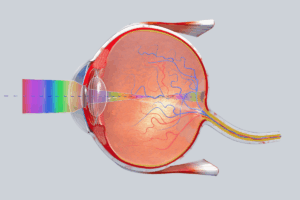
World’s First Human Implant of a 3D-Printed Cornea Restores Sight
December 15, 2025






Background
Scleredema, also known as scleredema adultorum, is a rare connective tissue disorder characterized by thickening and hardening of the skin. It belongs to a group of conditions called scleroderma spectrum disorders, including systemic sclerosis.
Type I: It is the most common form and is often preceded by an upper respiratory tract infection, usually caused by Streptococcus species.
Type II: This type is less common and is associated with underlying conditions such as monoclonal gammopathy (abnormal production of monoclonal immunoglobulins) or diabetes mellitus.
Epidemiology
Anatomy
Pathophysiology
Etiology
Genetics
Prognostic Factors
Clinical History
Physical Examination
Skin examination:
Joint examination:
In most cases, scleredema primarily affects the skin and does not involve internal organs. However, in rare instances, systemic involvement may occur. If systemic manifestations are suspected, the provider may perform additional evaluations, such as respiratory or cardiovascular assessments.
Age group
Associated comorbidity
Scleredema is often idiopathic, meaning it occurs without an identifiable cause.
Associated activity
Acuity of presentation
The acuity of scleredema presentation can vary among individuals.
Differential Diagnoses
Cutaneous lupus erythematosus: This autoimmune condition can cause skin changes similar to scleredema, such as thickening and hardening. However, lupus erythematosus typically involves a butterfly-shaped rash on the face and can affect multiple organ systems.
Morphea: Morphea is a localized form of scleroderma that results in patches of thickened, hardened skin. It can resemble scleredema but usually affects smaller areas and has a more defined border.
Eosinophilic fasciitis: Eosinophilic fasciitis is characterized by inflammation and thickening of the fascia, which can cause skin tightening and hardening. It may initially resemble scleredema, but eosinophilic fasciitis often involves the extremities and can be associated with eosinophilia.
Scleromyxedema: Scleromyxedema is a rare skin disorder with generalized papular eruptions and skin induration. It can resemble scleredema, but it is often associated with other systemic symptoms and can involve internal organs.
Nephrogenic systemic fibrosis: This condition primarily affects individuals with kidney dysfunction and is characterized by thickening and hardening of the skin. It typically begins in the extremities and can spread to involve other areas.
Laboratory Studies
Imaging Studies
Procedures
Histologic Findings
Staging
Treatment Paradigm
The treatment of scleredema focuses on managing symptoms and improving quality of life.
by Stage
by Modality
Chemotherapy
Radiation Therapy
Surgical Interventions
Hormone Therapy
Immunotherapy
Hyperthermia
Photodynamic Therapy
Stem Cell Transplant
Targeted Therapy
Palliative Care
use-of-a-non-pharmacological-approach-for-treating-scleredema
Non-pharmacological approaches can be beneficial as adjunctive therapies for managing scleredema. Here are some non-pharmacological approaches that may be considered:
ole of immunosuppressants in the treatment of scleredema
Immunosuppressants play a role in treating scleredema, particularly in cases where the condition is severe or not responding to other treatment modalities. Scleredema involves immune system dysregulation, contributing to excessive collagen deposition and skin thickening. Immunosuppressive medications work by suppressing the immune system, thereby reducing inflammation and slowing down the progression of scleredema.
Role of Topical Steroids for the treatment of scleredema
Topical steroids play a role in treating scleredema by reducing inflammation and relieving symptoms associated with the condition. Scleredema involves an abnormal collagen accumulation in the skin, leading to thickening and tightening. Topical steroids, also known as topical corticosteroids, can be applied directly to the affected skin to reduce inflammation and alleviate symptoms such as itching, redness, and discomfort.
Here are some key aspects of the role of topical steroids in the treatment of scleredema:
Role of NSAID’S in the treatment of scleredema
Non-steroidal anti-inflammatory drugs (NSAIDs) are commonly used to treat scleredema to help manage pain, inflammation, and stiffness associated with the condition.
use-of-intervention-with-a-procedure-in-treating-scleredema
use-of-phases-in-managing-scleredema
The management of scleredema typically involves a multi-disciplinary approach and can be divided into different phases based on the severity and progression of the disease.
Medication
Future Trends
Scleredema, also known as scleredema adultorum, is a rare connective tissue disorder characterized by thickening and hardening of the skin. It belongs to a group of conditions called scleroderma spectrum disorders, including systemic sclerosis.
Type I: It is the most common form and is often preceded by an upper respiratory tract infection, usually caused by Streptococcus species.
Type II: This type is less common and is associated with underlying conditions such as monoclonal gammopathy (abnormal production of monoclonal immunoglobulins) or diabetes mellitus.
Skin examination:
Joint examination:
In most cases, scleredema primarily affects the skin and does not involve internal organs. However, in rare instances, systemic involvement may occur. If systemic manifestations are suspected, the provider may perform additional evaluations, such as respiratory or cardiovascular assessments.
Scleredema is often idiopathic, meaning it occurs without an identifiable cause.
The acuity of scleredema presentation can vary among individuals.
Cutaneous lupus erythematosus: This autoimmune condition can cause skin changes similar to scleredema, such as thickening and hardening. However, lupus erythematosus typically involves a butterfly-shaped rash on the face and can affect multiple organ systems.
Morphea: Morphea is a localized form of scleroderma that results in patches of thickened, hardened skin. It can resemble scleredema but usually affects smaller areas and has a more defined border.
Eosinophilic fasciitis: Eosinophilic fasciitis is characterized by inflammation and thickening of the fascia, which can cause skin tightening and hardening. It may initially resemble scleredema, but eosinophilic fasciitis often involves the extremities and can be associated with eosinophilia.
Scleromyxedema: Scleromyxedema is a rare skin disorder with generalized papular eruptions and skin induration. It can resemble scleredema, but it is often associated with other systemic symptoms and can involve internal organs.
Nephrogenic systemic fibrosis: This condition primarily affects individuals with kidney dysfunction and is characterized by thickening and hardening of the skin. It typically begins in the extremities and can spread to involve other areas.
The treatment of scleredema focuses on managing symptoms and improving quality of life.
Dermatology, General
Non-pharmacological approaches can be beneficial as adjunctive therapies for managing scleredema. Here are some non-pharmacological approaches that may be considered:
Dermatology, General
Internal Medicine
Immunosuppressants play a role in treating scleredema, particularly in cases where the condition is severe or not responding to other treatment modalities. Scleredema involves immune system dysregulation, contributing to excessive collagen deposition and skin thickening. Immunosuppressive medications work by suppressing the immune system, thereby reducing inflammation and slowing down the progression of scleredema.
Dermatology, General
Internal Medicine
Topical steroids play a role in treating scleredema by reducing inflammation and relieving symptoms associated with the condition. Scleredema involves an abnormal collagen accumulation in the skin, leading to thickening and tightening. Topical steroids, also known as topical corticosteroids, can be applied directly to the affected skin to reduce inflammation and alleviate symptoms such as itching, redness, and discomfort.
Here are some key aspects of the role of topical steroids in the treatment of scleredema:
Dermatology, General
Internal Medicine
Non-steroidal anti-inflammatory drugs (NSAIDs) are commonly used to treat scleredema to help manage pain, inflammation, and stiffness associated with the condition.
Dermatology, General
Infectious Disease
The management of scleredema typically involves a multi-disciplinary approach and can be divided into different phases based on the severity and progression of the disease.

Scleredema, also known as scleredema adultorum, is a rare connective tissue disorder characterized by thickening and hardening of the skin. It belongs to a group of conditions called scleroderma spectrum disorders, including systemic sclerosis.
Type I: It is the most common form and is often preceded by an upper respiratory tract infection, usually caused by Streptococcus species.
Type II: This type is less common and is associated with underlying conditions such as monoclonal gammopathy (abnormal production of monoclonal immunoglobulins) or diabetes mellitus.
Skin examination:
Joint examination:
In most cases, scleredema primarily affects the skin and does not involve internal organs. However, in rare instances, systemic involvement may occur. If systemic manifestations are suspected, the provider may perform additional evaluations, such as respiratory or cardiovascular assessments.
Scleredema is often idiopathic, meaning it occurs without an identifiable cause.
The acuity of scleredema presentation can vary among individuals.
Cutaneous lupus erythematosus: This autoimmune condition can cause skin changes similar to scleredema, such as thickening and hardening. However, lupus erythematosus typically involves a butterfly-shaped rash on the face and can affect multiple organ systems.
Morphea: Morphea is a localized form of scleroderma that results in patches of thickened, hardened skin. It can resemble scleredema but usually affects smaller areas and has a more defined border.
Eosinophilic fasciitis: Eosinophilic fasciitis is characterized by inflammation and thickening of the fascia, which can cause skin tightening and hardening. It may initially resemble scleredema, but eosinophilic fasciitis often involves the extremities and can be associated with eosinophilia.
Scleromyxedema: Scleromyxedema is a rare skin disorder with generalized papular eruptions and skin induration. It can resemble scleredema, but it is often associated with other systemic symptoms and can involve internal organs.
Nephrogenic systemic fibrosis: This condition primarily affects individuals with kidney dysfunction and is characterized by thickening and hardening of the skin. It typically begins in the extremities and can spread to involve other areas.
The treatment of scleredema focuses on managing symptoms and improving quality of life.
Dermatology, General
Non-pharmacological approaches can be beneficial as adjunctive therapies for managing scleredema. Here are some non-pharmacological approaches that may be considered:
Dermatology, General
Internal Medicine
Immunosuppressants play a role in treating scleredema, particularly in cases where the condition is severe or not responding to other treatment modalities. Scleredema involves immune system dysregulation, contributing to excessive collagen deposition and skin thickening. Immunosuppressive medications work by suppressing the immune system, thereby reducing inflammation and slowing down the progression of scleredema.
Dermatology, General
Internal Medicine
Topical steroids play a role in treating scleredema by reducing inflammation and relieving symptoms associated with the condition. Scleredema involves an abnormal collagen accumulation in the skin, leading to thickening and tightening. Topical steroids, also known as topical corticosteroids, can be applied directly to the affected skin to reduce inflammation and alleviate symptoms such as itching, redness, and discomfort.
Here are some key aspects of the role of topical steroids in the treatment of scleredema:
Dermatology, General
Internal Medicine
Non-steroidal anti-inflammatory drugs (NSAIDs) are commonly used to treat scleredema to help manage pain, inflammation, and stiffness associated with the condition.
Dermatology, General
Infectious Disease
The management of scleredema typically involves a multi-disciplinary approach and can be divided into different phases based on the severity and progression of the disease.

Both our subscription plans include Free CME/CPD AMA PRA Category 1 credits.

On course completion, you will receive a full-sized presentation quality digital certificate.
A dynamic medical simulation platform designed to train healthcare professionals and students to effectively run code situations through an immersive hands-on experience in a live, interactive 3D environment.

When you have your licenses, certificates and CMEs in one place, it's easier to track your career growth. You can easily share these with hospitals as well, using your medtigo app.