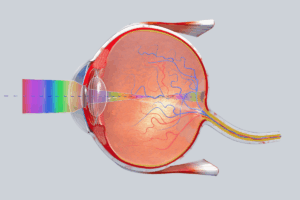
World’s First Human Implant of a 3D-Printed Cornea Restores Sight
December 15, 2025






Background
Skull base infection at the petrous apex is usually an infection of the paradoxical air cells within the petrous apex of the temporal bone. The bone is located at the inferior part of the skull, to the back of the head, and behind the ear.
Management of petrous apex infections often requires input from an otolaryngologist, the infectious disease specialist, and, in cases of extensive or potentially complicated infection, a neurosurgeon.
History
The petrous apex is a pyramid-shaped structure that forms part of the base of the skull and is located in part of the temporal bone.
It possesses structures such as the carotid artery, cranial nerves (CN V, VII, and VIII), and the inner ear.
Otogenic infections can develop from otitis media (inflammation of the middle ear), infection of the mastoid bone known as mastoiditis, or from adjacent structures.
Petrous apex infections may be caused by chronic ear infections and cholesteatomas.
At times, it can be caused by hematogenous spread that is the spread of the tumor through the blood stream.
Types of Infections
Epidemiology
Incidence and Prevalence:
These infections are rare and occurs from spread of infection from adjacent locations including the middle ear, mastoid, paranasal sinuses, or other base of skull structures.
There is marked scarcity of data regarding the incidence and prevalence about these disorders because the occurrence is very low.
In a review of case series of patients with petrous apicitis over 40 years, Gadre and Chole observed that six of forty-four patients, that is 13 % with Gradenigo syndrome.
Anatomy
Pathophysiology
Spread of Infection: It usually starts by involving the middle ear and or mastoid air cells and progresses to the petrous apex through the Petro squamous suture or through the pneumatic air cell system.
Anatomical Considerations: This is relatively proximal to several structures, including cranial nerves-particularly the abducens nerve and the internal carotid artery-and the inner ear, so the infection could potentially prove hazardous due to these complications.
Inflammatory Response: It results in inflammation, formation of pus within the petrous bone which then puts pressure on adjacent nerves and blood vessels or compresses them.
Gradenigo’s Syndrome: This is a typical triad found with petrous apicitis and includes otorrhea, retro-orbital pain and abducens nerve paralysis or palsy, which results in double vision.
Etiology
Chronic Otitis Media: About 40% of the cases of middle ear infections become chronic and may extend to the petrous apex to cause petrositis. This is especially seen in patients with cholesteatoma, which is a malignant growing mass in the middle ear.
Mastoiditis: An infection of the mastoid bone that can progress medially into the apex petri if not well managed.
Bacterial Infections: Typical bacteria include Pseudomonas aeruginosa, Staphylococcus aureus, and multiple anaerobic bacteria. These infections might develop from the extension of the middle ear infection or mastoid infection.
Fungal Infections: These are less common but can happen especially in immunocompromised patients; for example, diabetic persons, or the ones in the process of chemo.
Genetics
Prognostic Factors
Early Diagnosis and Treatment: Prompt diagnosis and stage appropriate intervention makes a lot of difference to the outcome.
Extent of Infection: If the tumour involves critical structure such as cranial nerves, vascular structures then the prognosis is poor.
Patient’s Health Status: Certain factors like, diabetes, immunosuppression or old age may impact the results.
Microbial Etiology: It may be associated with poor outcomes, especially in cases of infection with more virulent or resistant organisms.
Response to Treatment: The failure to respond to antibiotics or where surgery is required might indicate the condition is severe.
Clinical History
Age Group:
Children and Adolescents: Such infections usually occur due to an extension of an acute or chronic otitis media, commonly called an ear infection. They are more vulnerable than adults because Eustachian tubes have a smaller diameter in children, and the rate of ear infection in children is also high.
Young Adults: In this group, infections might occur because of chronic otitis media, a condition that entails recurrent ear infections, or cholesteatoma, a type of ear disorder that destroys bones.
Physical Examination
Age group
Associated comorbidity
Associated activity
Acuity of presentation
Symptoms often appear in days to weeks after suffering from an injury or exposure to an illness-causing agent.
Frequent in bacterial diseases such as acute otomastoiditis, or petrous apicitis (Gradenigo’s syndrome).
Possible symptoms could also include severe headache, ear pain, facial pain, cranial nerve palsy, most especially the sixth cranial nerve, hearing impairment, hearing loss, dizziness, fever, and general signs of infection.
Subacute Presentation:
Symptoms take a few weeks to a few months to manifest themselves.
They are immunologically seen in chronic bacterial infections or gradually progressive fungal infections or conditions.
The patients may also suffer from constant headache, seborrhoea of the ears, pain in the affected parts and periodic impaired cranial nerves.
Chronic Presentation:
It manifests in chronic symptoms that may take between months and years to develop.
Whenever there are chronic infections, fungal etiology, or non-infectious inflammatory processes such as cholesterol granuloma.
These may be presenting nonspecific or even minor if the only neurological manifestations are chronic headache, mild facial pain, alternation in hearing, or intermittent involvement of cranial nerves with little signs of systemic involvement.
Differential Diagnoses
Laboratory Studies
Imaging Studies
Procedures
Histologic Findings
Staging
Treatment Paradigm
Initial Assessment and Diagnosis:
Antibiotic Therapy:
Surgical Intervention:
Adjunctive Therapies:
Follow-Up and Monitoring:
by Stage
by Modality
Chemotherapy
Radiation Therapy
Surgical Interventions
Hormone Therapy
Immunotherapy
Hyperthermia
Photodynamic Therapy
Stem Cell Transplant
Targeted Therapy
Palliative Care
lifestyle-modifications-in-treating-skull-base-petrous-apex-infection
Environmental Control: One should ensure the environment is less contaminated since this can lead to other complications. Standard hygiene and infection control of newborns and healthcare workers should be an observed checklist.
Patient Education: Particularly, education of the patient and their family about adherence to medications and follow-up visits can enhance outcomes.
Multidisciplinary Approach: Consultation of ENT surgeons, neurosurgeon and infectious disease specialists can help manage and treat the condition.
Use of antibiotics in treating Skull-base-petrous-apex-infection
Empirical Therapy: Initially, broad-spectrum antibiotics may be used to cover a wide range of pathogens.
Targeted Therapy: Once culture results are available, then antibiotics can be given depending on the pathogen that has been isolated. For specific organisms:
Pseudomonas aeruginosa: Antibiotic regimen Consists of Piperacillin-tazobactam, other choice is Cefepime.
Staphylococcus aureus: Vancomycin or Daptomycin, especially if resistant to methicillin.
role-of-intervention-with-procedure-in-treating-skull-base-petrous-apex-infection
Preoperative Planning: These include CT scans or MRIs to determine the degree of infection and possible strategy for the surgery.
Surgical Approach: The treatment method highly depends on where the infection is prevalent and to what degree it covers the infected area. Common approaches include:
Trans labyrinthine Approach: This involves removing the inner ear structures to gain access to the petrous apex.
Retrosigmoid Approach: Another procedure where the surgeon must make a small incision at the back of the ear and gain access to the area.
Transcranial Approach: Refers to surgery where the skull is opened to get to the infected area. It is often used in addition to other options.
Decompression and Debridement: Debridement consists of eradicating infected tissue and other necrotic tissues present at the infection site. This is important to avoid the spread of the infection further.
role-of-management-in-treating-skull-base-petrous-apex-infection
nitial Assessment and Stabilization
Diagnosis: CT or MRI imaging with lab analysis confirms the diagnosis.
Stabilization: Any life-threatening compromise, such as an unstable airway or severe sepsis, should be managed first.
Antimicrobial Therapy: Empirical coverage with broad-spectrum antibiotics should be started to cover most likely pathogens, including both aerobes and anaerobes.
Targeted Therapy: Antimicrobials targeted at specific organisms should be initiated based on culture results.
Surgical Intervention
Abscess formation or significant purulence may warrant surgical drainage. Debridement consists of the removal of necrotic tissue and/or infected tissue to facilitate healing and avoid further spread of an infection.
Supportive Care Symptom Management: Pain and fever, when present, should be appropriately treated with medications.
Nutritional Support: Appropriate nutrition for promoting healing should be ensured. Long-term follow-up: Monitoring: Regular follow-up with imaging, along with clinical evaluation for follow-up regarding recurrence or complications.
Rehabilitation: Treat functional deficits or complications related to the infection or treatment.
Medication
Future Trends
Skull base infection at the petrous apex is usually an infection of the paradoxical air cells within the petrous apex of the temporal bone. The bone is located at the inferior part of the skull, to the back of the head, and behind the ear.
Management of petrous apex infections often requires input from an otolaryngologist, the infectious disease specialist, and, in cases of extensive or potentially complicated infection, a neurosurgeon.
History
The petrous apex is a pyramid-shaped structure that forms part of the base of the skull and is located in part of the temporal bone.
It possesses structures such as the carotid artery, cranial nerves (CN V, VII, and VIII), and the inner ear.
Otogenic infections can develop from otitis media (inflammation of the middle ear), infection of the mastoid bone known as mastoiditis, or from adjacent structures.
Petrous apex infections may be caused by chronic ear infections and cholesteatomas.
At times, it can be caused by hematogenous spread that is the spread of the tumor through the blood stream.
Types of Infections
Incidence and Prevalence:
These infections are rare and occurs from spread of infection from adjacent locations including the middle ear, mastoid, paranasal sinuses, or other base of skull structures.
There is marked scarcity of data regarding the incidence and prevalence about these disorders because the occurrence is very low.
In a review of case series of patients with petrous apicitis over 40 years, Gadre and Chole observed that six of forty-four patients, that is 13 % with Gradenigo syndrome.
Spread of Infection: It usually starts by involving the middle ear and or mastoid air cells and progresses to the petrous apex through the Petro squamous suture or through the pneumatic air cell system.
Anatomical Considerations: This is relatively proximal to several structures, including cranial nerves-particularly the abducens nerve and the internal carotid artery-and the inner ear, so the infection could potentially prove hazardous due to these complications.
Inflammatory Response: It results in inflammation, formation of pus within the petrous bone which then puts pressure on adjacent nerves and blood vessels or compresses them.
Gradenigo’s Syndrome: This is a typical triad found with petrous apicitis and includes otorrhea, retro-orbital pain and abducens nerve paralysis or palsy, which results in double vision.
Chronic Otitis Media: About 40% of the cases of middle ear infections become chronic and may extend to the petrous apex to cause petrositis. This is especially seen in patients with cholesteatoma, which is a malignant growing mass in the middle ear.
Mastoiditis: An infection of the mastoid bone that can progress medially into the apex petri if not well managed.
Bacterial Infections: Typical bacteria include Pseudomonas aeruginosa, Staphylococcus aureus, and multiple anaerobic bacteria. These infections might develop from the extension of the middle ear infection or mastoid infection.
Fungal Infections: These are less common but can happen especially in immunocompromised patients; for example, diabetic persons, or the ones in the process of chemo.
Early Diagnosis and Treatment: Prompt diagnosis and stage appropriate intervention makes a lot of difference to the outcome.
Extent of Infection: If the tumour involves critical structure such as cranial nerves, vascular structures then the prognosis is poor.
Patient’s Health Status: Certain factors like, diabetes, immunosuppression or old age may impact the results.
Microbial Etiology: It may be associated with poor outcomes, especially in cases of infection with more virulent or resistant organisms.
Response to Treatment: The failure to respond to antibiotics or where surgery is required might indicate the condition is severe.
Age Group:
Children and Adolescents: Such infections usually occur due to an extension of an acute or chronic otitis media, commonly called an ear infection. They are more vulnerable than adults because Eustachian tubes have a smaller diameter in children, and the rate of ear infection in children is also high.
Young Adults: In this group, infections might occur because of chronic otitis media, a condition that entails recurrent ear infections, or cholesteatoma, a type of ear disorder that destroys bones.
Symptoms often appear in days to weeks after suffering from an injury or exposure to an illness-causing agent.
Frequent in bacterial diseases such as acute otomastoiditis, or petrous apicitis (Gradenigo’s syndrome).
Possible symptoms could also include severe headache, ear pain, facial pain, cranial nerve palsy, most especially the sixth cranial nerve, hearing impairment, hearing loss, dizziness, fever, and general signs of infection.
Subacute Presentation:
Symptoms take a few weeks to a few months to manifest themselves.
They are immunologically seen in chronic bacterial infections or gradually progressive fungal infections or conditions.
The patients may also suffer from constant headache, seborrhoea of the ears, pain in the affected parts and periodic impaired cranial nerves.
Chronic Presentation:
It manifests in chronic symptoms that may take between months and years to develop.
Whenever there are chronic infections, fungal etiology, or non-infectious inflammatory processes such as cholesterol granuloma.
These may be presenting nonspecific or even minor if the only neurological manifestations are chronic headache, mild facial pain, alternation in hearing, or intermittent involvement of cranial nerves with little signs of systemic involvement.
Initial Assessment and Diagnosis:
Antibiotic Therapy:
Surgical Intervention:
Adjunctive Therapies:
Follow-Up and Monitoring:
Otolaryngology
Plastic Surgery and Anesthetic Medicine
Environmental Control: One should ensure the environment is less contaminated since this can lead to other complications. Standard hygiene and infection control of newborns and healthcare workers should be an observed checklist.
Patient Education: Particularly, education of the patient and their family about adherence to medications and follow-up visits can enhance outcomes.
Multidisciplinary Approach: Consultation of ENT surgeons, neurosurgeon and infectious disease specialists can help manage and treat the condition.
Otolaryngology
Plastic Surgery and Anesthetic Medicine
Empirical Therapy: Initially, broad-spectrum antibiotics may be used to cover a wide range of pathogens.
Targeted Therapy: Once culture results are available, then antibiotics can be given depending on the pathogen that has been isolated. For specific organisms:
Pseudomonas aeruginosa: Antibiotic regimen Consists of Piperacillin-tazobactam, other choice is Cefepime.
Staphylococcus aureus: Vancomycin or Daptomycin, especially if resistant to methicillin.
Otolaryngology
Plastic Surgery and Anesthetic Medicine
Preoperative Planning: These include CT scans or MRIs to determine the degree of infection and possible strategy for the surgery.
Surgical Approach: The treatment method highly depends on where the infection is prevalent and to what degree it covers the infected area. Common approaches include:
Trans labyrinthine Approach: This involves removing the inner ear structures to gain access to the petrous apex.
Retrosigmoid Approach: Another procedure where the surgeon must make a small incision at the back of the ear and gain access to the area.
Transcranial Approach: Refers to surgery where the skull is opened to get to the infected area. It is often used in addition to other options.
Decompression and Debridement: Debridement consists of eradicating infected tissue and other necrotic tissues present at the infection site. This is important to avoid the spread of the infection further.
Otolaryngology
Plastic Surgery and Anesthetic Medicine
nitial Assessment and Stabilization
Diagnosis: CT or MRI imaging with lab analysis confirms the diagnosis.
Stabilization: Any life-threatening compromise, such as an unstable airway or severe sepsis, should be managed first.
Antimicrobial Therapy: Empirical coverage with broad-spectrum antibiotics should be started to cover most likely pathogens, including both aerobes and anaerobes.
Targeted Therapy: Antimicrobials targeted at specific organisms should be initiated based on culture results.
Surgical Intervention
Abscess formation or significant purulence may warrant surgical drainage. Debridement consists of the removal of necrotic tissue and/or infected tissue to facilitate healing and avoid further spread of an infection.
Supportive Care Symptom Management: Pain and fever, when present, should be appropriately treated with medications.
Nutritional Support: Appropriate nutrition for promoting healing should be ensured. Long-term follow-up: Monitoring: Regular follow-up with imaging, along with clinical evaluation for follow-up regarding recurrence or complications.
Rehabilitation: Treat functional deficits or complications related to the infection or treatment.

Skull base infection at the petrous apex is usually an infection of the paradoxical air cells within the petrous apex of the temporal bone. The bone is located at the inferior part of the skull, to the back of the head, and behind the ear.
Management of petrous apex infections often requires input from an otolaryngologist, the infectious disease specialist, and, in cases of extensive or potentially complicated infection, a neurosurgeon.
History
The petrous apex is a pyramid-shaped structure that forms part of the base of the skull and is located in part of the temporal bone.
It possesses structures such as the carotid artery, cranial nerves (CN V, VII, and VIII), and the inner ear.
Otogenic infections can develop from otitis media (inflammation of the middle ear), infection of the mastoid bone known as mastoiditis, or from adjacent structures.
Petrous apex infections may be caused by chronic ear infections and cholesteatomas.
At times, it can be caused by hematogenous spread that is the spread of the tumor through the blood stream.
Types of Infections
Incidence and Prevalence:
These infections are rare and occurs from spread of infection from adjacent locations including the middle ear, mastoid, paranasal sinuses, or other base of skull structures.
There is marked scarcity of data regarding the incidence and prevalence about these disorders because the occurrence is very low.
In a review of case series of patients with petrous apicitis over 40 years, Gadre and Chole observed that six of forty-four patients, that is 13 % with Gradenigo syndrome.
Spread of Infection: It usually starts by involving the middle ear and or mastoid air cells and progresses to the petrous apex through the Petro squamous suture or through the pneumatic air cell system.
Anatomical Considerations: This is relatively proximal to several structures, including cranial nerves-particularly the abducens nerve and the internal carotid artery-and the inner ear, so the infection could potentially prove hazardous due to these complications.
Inflammatory Response: It results in inflammation, formation of pus within the petrous bone which then puts pressure on adjacent nerves and blood vessels or compresses them.
Gradenigo’s Syndrome: This is a typical triad found with petrous apicitis and includes otorrhea, retro-orbital pain and abducens nerve paralysis or palsy, which results in double vision.
Chronic Otitis Media: About 40% of the cases of middle ear infections become chronic and may extend to the petrous apex to cause petrositis. This is especially seen in patients with cholesteatoma, which is a malignant growing mass in the middle ear.
Mastoiditis: An infection of the mastoid bone that can progress medially into the apex petri if not well managed.
Bacterial Infections: Typical bacteria include Pseudomonas aeruginosa, Staphylococcus aureus, and multiple anaerobic bacteria. These infections might develop from the extension of the middle ear infection or mastoid infection.
Fungal Infections: These are less common but can happen especially in immunocompromised patients; for example, diabetic persons, or the ones in the process of chemo.
Early Diagnosis and Treatment: Prompt diagnosis and stage appropriate intervention makes a lot of difference to the outcome.
Extent of Infection: If the tumour involves critical structure such as cranial nerves, vascular structures then the prognosis is poor.
Patient’s Health Status: Certain factors like, diabetes, immunosuppression or old age may impact the results.
Microbial Etiology: It may be associated with poor outcomes, especially in cases of infection with more virulent or resistant organisms.
Response to Treatment: The failure to respond to antibiotics or where surgery is required might indicate the condition is severe.
Age Group:
Children and Adolescents: Such infections usually occur due to an extension of an acute or chronic otitis media, commonly called an ear infection. They are more vulnerable than adults because Eustachian tubes have a smaller diameter in children, and the rate of ear infection in children is also high.
Young Adults: In this group, infections might occur because of chronic otitis media, a condition that entails recurrent ear infections, or cholesteatoma, a type of ear disorder that destroys bones.
Symptoms often appear in days to weeks after suffering from an injury or exposure to an illness-causing agent.
Frequent in bacterial diseases such as acute otomastoiditis, or petrous apicitis (Gradenigo’s syndrome).
Possible symptoms could also include severe headache, ear pain, facial pain, cranial nerve palsy, most especially the sixth cranial nerve, hearing impairment, hearing loss, dizziness, fever, and general signs of infection.
Subacute Presentation:
Symptoms take a few weeks to a few months to manifest themselves.
They are immunologically seen in chronic bacterial infections or gradually progressive fungal infections or conditions.
The patients may also suffer from constant headache, seborrhoea of the ears, pain in the affected parts and periodic impaired cranial nerves.
Chronic Presentation:
It manifests in chronic symptoms that may take between months and years to develop.
Whenever there are chronic infections, fungal etiology, or non-infectious inflammatory processes such as cholesterol granuloma.
These may be presenting nonspecific or even minor if the only neurological manifestations are chronic headache, mild facial pain, alternation in hearing, or intermittent involvement of cranial nerves with little signs of systemic involvement.
Initial Assessment and Diagnosis:
Antibiotic Therapy:
Surgical Intervention:
Adjunctive Therapies:
Follow-Up and Monitoring:
Otolaryngology
Plastic Surgery and Anesthetic Medicine
Environmental Control: One should ensure the environment is less contaminated since this can lead to other complications. Standard hygiene and infection control of newborns and healthcare workers should be an observed checklist.
Patient Education: Particularly, education of the patient and their family about adherence to medications and follow-up visits can enhance outcomes.
Multidisciplinary Approach: Consultation of ENT surgeons, neurosurgeon and infectious disease specialists can help manage and treat the condition.
Otolaryngology
Plastic Surgery and Anesthetic Medicine
Empirical Therapy: Initially, broad-spectrum antibiotics may be used to cover a wide range of pathogens.
Targeted Therapy: Once culture results are available, then antibiotics can be given depending on the pathogen that has been isolated. For specific organisms:
Pseudomonas aeruginosa: Antibiotic regimen Consists of Piperacillin-tazobactam, other choice is Cefepime.
Staphylococcus aureus: Vancomycin or Daptomycin, especially if resistant to methicillin.
Otolaryngology
Plastic Surgery and Anesthetic Medicine
Preoperative Planning: These include CT scans or MRIs to determine the degree of infection and possible strategy for the surgery.
Surgical Approach: The treatment method highly depends on where the infection is prevalent and to what degree it covers the infected area. Common approaches include:
Trans labyrinthine Approach: This involves removing the inner ear structures to gain access to the petrous apex.
Retrosigmoid Approach: Another procedure where the surgeon must make a small incision at the back of the ear and gain access to the area.
Transcranial Approach: Refers to surgery where the skull is opened to get to the infected area. It is often used in addition to other options.
Decompression and Debridement: Debridement consists of eradicating infected tissue and other necrotic tissues present at the infection site. This is important to avoid the spread of the infection further.
Otolaryngology
Plastic Surgery and Anesthetic Medicine
nitial Assessment and Stabilization
Diagnosis: CT or MRI imaging with lab analysis confirms the diagnosis.
Stabilization: Any life-threatening compromise, such as an unstable airway or severe sepsis, should be managed first.
Antimicrobial Therapy: Empirical coverage with broad-spectrum antibiotics should be started to cover most likely pathogens, including both aerobes and anaerobes.
Targeted Therapy: Antimicrobials targeted at specific organisms should be initiated based on culture results.
Surgical Intervention
Abscess formation or significant purulence may warrant surgical drainage. Debridement consists of the removal of necrotic tissue and/or infected tissue to facilitate healing and avoid further spread of an infection.
Supportive Care Symptom Management: Pain and fever, when present, should be appropriately treated with medications.
Nutritional Support: Appropriate nutrition for promoting healing should be ensured. Long-term follow-up: Monitoring: Regular follow-up with imaging, along with clinical evaluation for follow-up regarding recurrence or complications.
Rehabilitation: Treat functional deficits or complications related to the infection or treatment.

Both our subscription plans include Free CME/CPD AMA PRA Category 1 credits.

On course completion, you will receive a full-sized presentation quality digital certificate.
A dynamic medical simulation platform designed to train healthcare professionals and students to effectively run code situations through an immersive hands-on experience in a live, interactive 3D environment.

When you have your licenses, certificates and CMEs in one place, it's easier to track your career growth. You can easily share these with hospitals as well, using your medtigo app.